
Aphid infestations on milkweed plants can be frustrating for gardeners, as these tiny pests not only harm the plant but also attract other unwanted visitors like ants and lady beetles. As you nurture your milkweed to support monarch butterflies, you want to ensure that aphids don’t sabotage your efforts. Integrated pest management (IPM) strategies are essential in controlling aphid populations on milkweed. In this article, we’ll explore effective ways to prevent, monitor, and control aphid infestations using organic controls and beneficial insects like lady beetles and lacewings. By adopting these methods, you can create a balanced ecosystem that promotes healthy milkweed growth while minimizing harm to the environment. Let’s dive into the best practices for managing aphids on your prized milkweed plants.
Understanding the Problem
Let’s start by examining what causes these aphid infestations on milkweed, a crucial step in understanding how to effectively manage them. Identifying the underlying factors will be key to finding a solution.
What are Aphids?
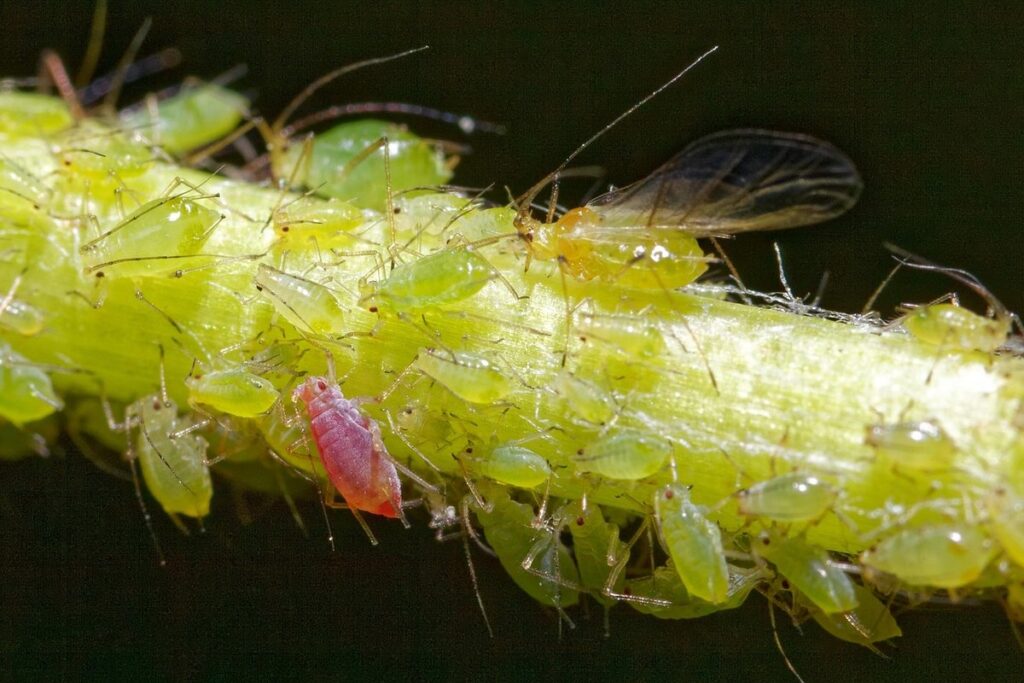
Aphids are small, soft-bodied insects that feed on plant sap, and they’re one of the most common garden pests. These tiny creatures are usually between 1-10 millimeters long and can be found in a variety of colors, including green, yellow, white, or black. Aphids reproduce quickly, with some species able to produce multiple generations within a single month.
The life cycle of an aphid consists of four stages: egg, nymph, adult, and winged adult. The female aphid lays eggs on the plant stem or leaf, which hatch into nymphs after a few days. These nymphs go through several molts as they grow, eventually becoming adult aphids. Some species of aphids can produce live young, skipping the egg stage altogether.
Aphids are a concern for milkweed plants because they feed on sap, causing curled or distorted leaves, and stunted growth. They also secrete a sticky substance called honeydew, which attracts other pests like ants and wasps. If left unchecked, aphid infestations can weaken the plant, making it more susceptible to disease and further pest attacks.
Types of Aphids Affecting Milkweed
There are several types of aphids that infest milkweed plants, each with distinct characteristics and habits. One of the most common is the Aphis nerii, also known as the milkweed aphid. These tiny insects have soft, pear-shaped bodies and can range in color from pale yellow to dark green. They feed on the sap of milkweed leaves and stems, causing curled or distorted growth.
Another type of aphid that affects milkweed is the Tamalia Nevadensis, which is native to western North America. This aphid has a distinctive, brownish-black color and is often found on the underside of milkweed leaves. Like the Aphis nerii, it feeds on sap, causing stunted growth and curled leaves.
Both types of aphids are capable of reproducing rapidly, with some colonies reaching population sizes in excess of 100 individuals per square inch. Effective management strategies must account for these prolific breeding habits to prevent infestations from getting out of control.
The Impact on Milkweed Plants
As aphid infestations take a toll on milkweed plants, we’ll examine how these pests affect plant growth, reproduction, and overall health in this crucial section. Let’s dive into the impact on milkweed.
How Aphids Damage Milkweed
When aphids infest milkweed plants, they cause significant physical damage that can have long-lasting effects on the plant’s overall health and productivity. One of the first signs of an aphid infestation is wilting, which occurs when the aphids suck sap from the plant’s leaves and stems. This can lead to a decline in growth rates, resulting in stunted or twisted stems and leaves.
As the infestation progresses, the plant’s ability to produce seeds is severely impacted. Aphids feed on the plant’s nutrients, depriving it of essential resources needed for seed production. Reduced seed production not only affects the plant’s reproduction but also its ability to disperse its genetic material. This can lead to a decline in milkweed populations and potentially even extinction.
Aphid infestations can be devastating to milkweed plants, making it crucial to monitor your plants regularly for signs of aphids. If you notice any of these symptoms, take action promptly by removing the affected area or using insecticidal soap to control the population.
Effects on Plant Health
When aphids infest milkweed plants, it can have far-reaching consequences that affect not only their overall health but also their resilience to various stressors. One of the primary concerns is the increased susceptibility to diseases. Aphid secretions can attract other pests, such as ants and wasps, which feed on these secretions, thereby compromising the plant’s defense mechanisms.
In addition, aphid infestations can weaken milkweed plants, making them more vulnerable to environmental stressors like extreme temperatures, droughts, or overwatering. For instance, if a milkweed plant is struggling with an aphid infestation during a hot summer, it may not be able to recover from the heat stress.
To mitigate these effects, gardeners can implement integrated pest management (IPM) strategies that combine physical removal of aphids, use of neem oil or insecticidal soap, and introduction of beneficial insects like lady beetles or lacewings. By adopting a holistic approach, you can reduce the impact of aphid infestations on milkweed plants and promote their overall health and well-being.
Contributing Factors: Environmental Conditions and Human Activities
Aphid infestations on milkweed are influenced by a combination of environmental conditions, such as temperature and humidity, and human activities like agriculture and gardening practices. Let’s take a closer look at these contributing factors.
Weather-Related Triggers
Weather conditions play a significant role in aphid infestations on milkweed. Temperature fluctuations, for instance, can impact aphid reproduction and survival. Mild winters can cause aphid populations to surge, while prolonged exposure to extreme temperatures can lead to their decline. Precipitation patterns also affect aphids; heavy rainfall can dislodge them from the plant, whereas drought conditions can concentrate them on a smaller area of milkweed.
Sunlight exposure is another crucial factor. Milkweed plants grown in areas with intense sunlight tend to have higher aphid populations. This is because aphids thrive in temperatures between 64°F and 90°F (18°C and 32°C), ideal for photosynthesis and growth. If you’re growing milkweed, consider providing it with partial shade or using row covers to regulate temperature fluctuations.
In regions with distinct seasons, monitor weather patterns closely. For example, if your area experiences a wet spring followed by a hot summer, be prepared for aphid infestations on milkweed. Timing your management strategies according to these environmental conditions can help minimize damage to the plant.
Role of Pesticide Use and Other Human Activities
Aphid infestations on milkweed can be significantly exacerbated by human activities that alter environmental conditions. One of the primary contributors is pesticide use, which not only kills beneficial insects but also selects for pesticide-resistant aphid populations. This creates a vicious cycle where farmers and gardeners are forced to apply more toxic chemicals, further disrupting ecosystems.
Habitat destruction is another significant factor. When milkweed plants are cleared or fragmented due to agricultural expansion, urbanization, or other human activities, the remaining patches become isolated, making it difficult for beneficial insects like lacewings and ladybugs to migrate between them. Without these natural predators, aphid populations can grow unchecked.
Climate change also plays a role in exacerbating aphid infestations. Warmer temperatures and changing precipitation patterns create ideal conditions for aphids to thrive. For example, a 2019 study found that milkweed plants grown in warmer conditions produced more flowers, which in turn attracted more aphids.
Prevention and Management Strategies
To effectively manage aphid infestations on milkweed, consider these prevention and management strategies that can help minimize damage to your plants. We’ll cover them in detail below.
Integrated Pest Management (IPM) Approaches
Managing aphid infestations on milkweed requires a comprehensive approach that combines various control methods. Integrated Pest Management (IPM) is an effective way to address this issue by using a combination of physical barriers, cultural controls, biological controls, and chemical controls.
Physical barriers can be created by surrounding the plant with fine mesh or fine netting to prevent aphids from reaching the milkweed. Cultural controls involve practices like proper watering, fertilizing, and pruning to promote healthy growth and reduce stress on the plant. For example, regular watering can help prevent aphid infestations by maintaining a balanced water table.
Biological controls include introducing natural predators or parasites of aphids, such as lady beetles or lacewings. These beneficial insects feed on aphids, reducing their population. Chemical controls should be used only when necessary and in combination with other control methods to avoid resistance development.
It’s essential to monitor your milkweed plants regularly for signs of aphid infestation and implement a combination of these IPM approaches to prevent or manage the problem effectively.
Organic Controls: Neem Oil, Soap Solution, and More
When it comes to managing aphid infestations on milkweed, organic control methods are an excellent place to start. These eco-friendly approaches not only reduce the environmental impact but also minimize harm to beneficial insects and other wildlife that visit your garden.
One of the most popular organic controls for aphids is neem oil. Derived from the seeds of the neem tree, this oil contains compounds that disrupt aphid hormone systems, ultimately preventing them from reproducing. To use neem oil effectively, mix 2-3% with water and spray it on infested plants, making sure to cover both sides of the leaves.
Another option is a soap solution made by mixing mild dish soap with water (1 tablespoon per quart). This mixture creates a surface tension that disrupts aphid feeding and can help control populations. However, be cautious not to use harsh soaps or detergents, as they can harm beneficial insects and plants.
Other organic controls include horticultural oil sprays, insecticidal soap, and pyrethrin-based products. When choosing an organic control method, consider factors such as the severity of infestation, plant type, and environmental conditions to select the most effective option for your milkweed plants.
Biological Control Methods: Beneficial Insects and Fungi
When it comes to managing aphid infestations on milkweed, beneficial insects and fungi can be a gardener’s best friend. Let’s take a closer look at using these natural allies to keep your plants healthy.
Natural Predators of Aphids
When it comes to managing aphid infestations on milkweed, natural predators play a vital role in controlling populations. One of the most effective beneficial insects for aphid control is the lady beetle (also known as ladybug). These beetles are voracious aphid-eaters and can consume up to 60 eggs or nymphs per day. Encourage lady beetles into your garden by planting nectar-rich flowers, such as sunflowers or zinnias, which serve as a food source for these beneficial insects.
Lacewings are another essential natural predator of aphids on milkweed. These delicate-looking insects have a voracious appetite for aphids and can eat up to 60 times their own body weight in a single day. Encourage lacewings into your garden by providing sheltered areas, such as native grasses or low-growing shrubs, which offer protection from wind and rain.
To attract these beneficial insects, focus on creating a diverse and balanced ecosystem in your milkweed garden. Plant a variety of nectar-rich flowers that bloom throughout the growing season, and incorporate native plants and grasses that provide shelter and food sources for these beneficial insects.
Fungal-Based Biocontrols for Aphids
Fungal-based biocontrols are an increasingly popular method for managing aphid infestations on milkweed. These beneficial fungi work by infecting and killing the aphids, thereby reducing their population without harming the plant or surrounding environment.
One of the most effective fungal-based biocontrols is Beauveria bassiana, a fungus that specifically targets aphids. When an aphid comes into contact with B. bassiana spores, it ingests them, which ultimately leads to its death. This fungus has been shown to be particularly effective against milkweed aphids, reducing their population by up to 90% in some studies.
To use fungal-based biocontrols effectively, gardeners can purchase Beauveria bassiana products online or at local nurseries. These products typically come in a powder or liquid form and should be applied directly to the affected plants. It’s essential to follow the product instructions carefully, as improper application can reduce their effectiveness.
Additionally, it’s crucial to note that fungal-based biocontrols may take longer to work compared to chemical pesticides. However, they offer a long-term solution and do not pose any risks to beneficial insects or human health.
Monitoring and Controlling Aphid Populations
To effectively manage aphids on milkweed, it’s essential to monitor their populations closely and take swift action when necessary to prevent further infestation. Regular checks can help you catch issues early on.
How to Monitor for Aphids
Monitoring for aphids is crucial to preventing infestations from getting out of hand. To do this effectively, you’ll need a keen eye and some simple tools. Start by inspecting your milkweed plants regularly, looking for telltale signs like curled or distorted leaves, sticky honeydew droplets, or actual aphid colonies on the undersides of leaves.
Use a magnifying glass or hand lens to get a closer look at any suspicious areas. Count the number of aphids per plant and note their size, color, and behavior – are they moving quickly, or do they seem sluggish? This information can help you identify potential threats early on. You can also use sticky traps or yellow cards to monitor for aphid migration.
For a more comprehensive assessment, create an aphid monitoring chart to track population levels over time. Record your observations in a notebook or spreadsheet, noting any treatments or management strategies implemented. This data will help you fine-tune your control measures and make informed decisions about when to intervene.
Timing of Control Methods: When to Intervene
When it comes to managing aphid infestations on milkweed, timing is everything. You need to intervene at the right moment to maximize control and minimize damage. The severity of infestation is a critical factor to consider when deciding when to apply control methods.
If you catch an infestation early, when the aphids are still in their nymph stage (typically 1-2 weeks after hatching), you can often manage them with neem oil or insecticidal soap sprays. These gentle treatments will help prevent the population from exploding and causing more damage to your milkweed.
On the other hand, if the infestation is already severe, you may need to resort to more drastic measures like introducing natural predators or using systemic pesticides. In extreme cases, you might even consider uprooting and replanting the affected milkweed, especially if it’s a young plant that can be easily replaced.
Weather conditions also play a crucial role in determining when to intervene. Avoid applying control methods during periods of drought or high winds, as these conditions can exacerbate the situation. Instead, wait for calm, moist weather to ensure maximum effectiveness of your treatments.
Frequently Asked Questions
How can I integrate organic controls with biological control methods for a comprehensive aphid management plan?
Integrating organic controls like neem oil, soap solution, or insecticidal soap with beneficial insects such as lady beetles and lacewings can be an effective approach to manage aphid populations. These methods work synergistically, allowing you to address the problem from multiple angles while minimizing environmental harm. Yes, it’s possible to combine these strategies for a holistic management plan that also supports biodiversity in your garden.
What are some common mistakes to avoid when using beneficial insects like lady beetles and lacewings as biological controls?
When introducing beneficial insects to control aphids on milkweed, it’s essential to provide them with the right environment and resources. Avoid releasing too many individuals at once, which can lead to overcrowding and reduced effectiveness. Also, ensure you’re purchasing from reputable suppliers and following proper release guidelines.
How do I monitor for aphid populations on my milkweed plants without causing unnecessary stress or damage?
Regularly inspect your milkweed plants during the growing season, checking for signs of aphids like sticky honeydew, curled or distorted leaves, or ants visiting the area. Use a magnifying glass to inspect individual plants and look for aphid eggs, nymphs, or adults on stems and leaves.
What role do environmental conditions play in aphid infestations on milkweed?
Environmental factors such as temperature, humidity, and precipitation can significantly impact aphid populations on milkweed. Extreme weather events like droughts or floods can trigger aphid outbreaks, while moderate temperatures and adequate moisture can help maintain a balance between beneficial and pest insects.
Can I use fungal-based biocontrols for aphids in my organic garden?
Yes, certain fungi like Beauveria bassiana have been shown to be effective against aphid populations. These biological controls work by infecting and killing the aphids, thus providing an alternative to chemical pesticides that can harm beneficial insects and contaminate soil and water.