
The sight of unsightly grass weeds and clover taking over your once-lush lawn can be frustrating, to say the least. Not only do they detract from the aesthetic appeal of your outdoor space, but they also compete with your desired grass for water, nutrients, and sunlight. But don’t worry, you’re not alone in this struggle! Identifying and controlling these pesky weeds is a common challenge many lawn owners face. In this comprehensive guide, we’ll walk you through expert tips on how to identify, control, and prevent grass weeds and clover from taking over your lawn. We’ll cover everything from understanding the types of weeds that commonly invade lawns to sharing practical strategies for maintaining a healthy, weed-free landscape.
Understanding Grass Weeds and Clover
If you’re tired of battling unwanted growth in your lawn, understanding the basics of grass weeds and clover is key to developing an effective control strategy. Let’s dive into what these common culprits are all about.
What are Grass Weeds?
When it comes to understanding grass weeds and clover, it’s essential to first define what constitutes a grass weed. Grass weeds are non-grassy plants that grow among lawns, gardens, and other areas where grass is intended to be the primary vegetation. These unwanted plants can spread quickly, outcompeting desired grass species for resources like water, nutrients, and light.
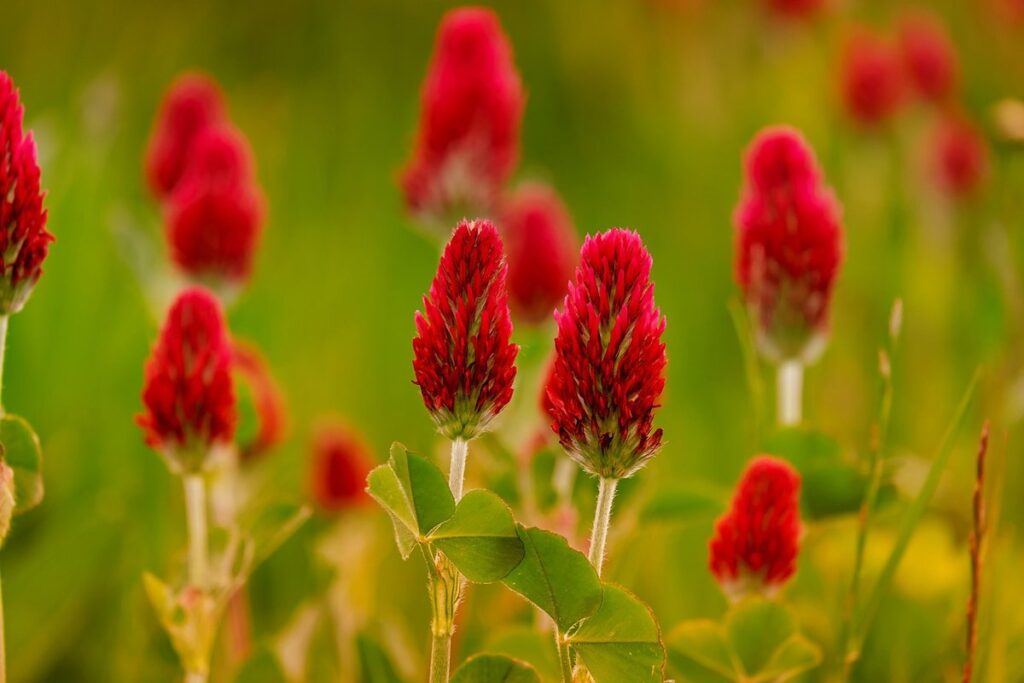
Some common types of grass weeds include dandelion (Taraxacum officinale), clover (Trifolium spp.), and plantain (Plantago lanceolata). While clover is often intentionally sown as a beneficial legume, it can also be considered a weed when it invades areas where grass is desired. Similarly, dandelions are frequently pulled or sprayed due to their ability to produce large amounts of seeds that disperse easily in the wind.
Identifying and managing these weeds requires an understanding of their life cycles and growth habits. For instance, dandelion roots can survive for years without visible above-ground growth, making them a challenging weed to eradicate.
Why Are Grass Weeds a Problem for Lawns?
Grass weeds are a common problem for lawns, and it’s essential to understand their negative effects before taking steps to address them. When grass weeds take over, they can lead to reduced lawn health, which not only affects its appearance but also has long-term consequences for the soil’s fertility.
One of the primary concerns with grass weeds is how they compete with desirable grass species for resources such as water, nutrients, and sunlight. This competition can lead to weakened lawns that are more susceptible to disease and pests. Furthermore, some grass weeds like dandelions and clover have deep taproots, which allow them to access nutrients deeper in the soil, potentially depleting the available nutrient pool.
Aesthetically, an overgrowth of grass weeds can create a patchy, uneven appearance that’s unappealing to look at. This is especially true for lawns with high maintenance standards or those used for recreational purposes. On top of this, some grass weeds can produce unsightly flowers or seeds that further detract from the lawn’s appearance.
To tackle grass weeds effectively, it’s crucial to understand their life cycles and growth patterns. By doing so, you can implement targeted control measures that address specific weed types and prevent them from spreading. This might involve using a combination of physical removal, herbicides, and cultural practices like mowing and fertilization to promote healthy lawn growth.
Regular maintenance tasks such as mowing, watering, and fertilizing can help maintain a balance between desirable grass species and invasive weeds. It’s also beneficial to use techniques like mulching and composting to improve soil structure and fertility, making it harder for weeds to thrive.
It’s worth noting that prevention is often the most effective approach when dealing with grass weeds. Regularly monitoring your lawn for signs of weed growth and taking proactive measures can save you time and effort in the long run. This might involve using pre-emergent herbicides or applying targeted control methods during specific times of the year.
By understanding the negative effects of grass weeds and implementing effective control strategies, you can maintain a healthy, visually appealing lawn that enhances your home’s curb appeal and provides a safe space for outdoor activities.
Causes of Grass Weed Growth
So, you want to know why those pesky clover weeds just won’t quit growing in your lawn? Let’s take a closer look at some common causes.
Soil Conditions That Favor Grass Weed Growth
When it comes to understanding why grass weeds like clover thrive, examining the soil conditions is crucial. Poor soil quality can significantly contribute to their growth. One major factor is pH levels. Most lawns prefer a slightly acidic to neutral pH range (6.0-7.0), but if your lawn’s pH is too high or too low, it can lead to grass stress and make it more susceptible to weed invasions like clover.
Additionally, nutrient deficiencies in the soil can also encourage grass weeds to grow. Nitrogen, phosphorus, and potassium are essential macronutrients for healthy grass growth. If these nutrients are lacking, grass may struggle to compete with weeds for resources, allowing them to take over. This is particularly common in areas with high levels of acidic or alkaline soils.
Practically speaking, a soil test can help you identify pH imbalances and nutrient deficiencies. Based on the results, you can take corrective action by adjusting your lawn care routine accordingly. For example, adding organic matter like compost to improve soil structure and fertility, or applying lime or sulfur to adjust the pH levels.
Lawn Care Practices That Encourage Grass Weeds
When it comes to lawn care practices that encourage grass weeds, there are several common mistakes that can lead to an increased presence of these unwanted plants. One of the most significant contributors is overwatering. When lawns receive too much water, the soil becomes saturated, creating an ideal environment for weeds like clover to thrive.
Another issue is poor mowing habits. If you’re cutting your grass at the same height every week without giving it time to recover, you may be damaging the grass and making it more susceptible to weed invasion. This is because regular mowing can weaken the grass, allowing weeds to take over. To avoid this, consider raising your mower blade to a higher setting or taking breaks from mowing during hot summer months.
Additionally, inadequate fertilization can also contribute to an increase in grass weeds. Fertilizing too infrequently or with the wrong type of fertilizer can lead to nutrient deficiencies in the soil, creating an environment where weeds like clover can outcompete your desired grass species. To prevent this, make sure to fertilize regularly with a balanced fertilizer that addresses the specific needs of your lawn.
Identifying and Controlling Clover in Your Lawn
Identifying clover can be a challenge, but knowing what type you have is key to effective control. In this next part, we’ll break down how to identify and manage common types of clover in your lawn.
Recognizing the Signs of Clover Infestation
Recognizing the signs of clover infestation can be a challenging task, but it’s essential to take action before it spreads further. As a homeowner, you’re likely familiar with the appearance of a healthy lawn, so when you notice something off, it can be unsettling.
Start by looking for visual cues like small, round leaves that are typically 1-2 inches long and have three leaflets. Clover flowers usually appear in the spring and summer months, producing pinkish or white blooms that resemble tiny stars. Keep an eye out for clusters of these flowers, as they often indicate a larger infestation.
Growth patterns can also be telling. Clover tends to grow more densely than grass, creating thick patches that may feel spongy underfoot. If you notice areas of your lawn where the blades are shorter or more irregularly shaped, it could be a sign that clover is taking over.
Effective Methods for Controlling Clover Growth
Controlling clover growth requires a multi-faceted approach that involves manual removal, herbicides, and cultural controls. Manual removal is a simple yet effective method for small areas of infestation. Use tools like a rake or hoe to carefully remove the clover plants, making sure to dig up as much of the root system as possible to prevent regrowth.
Herbicides can be used to control larger areas of clover growth. However, it’s essential to choose an herbicide specifically designed for clover and follow the instructions carefully to avoid harming your lawn. Pre-emergent herbicides can help prevent clover seeds from germinating in the first place, while post-emergent herbicides can be used to control established plants.
Cultural controls like proper mowing and watering habits can also help regulate clover growth. For example, keeping your lawn at a height of 2-3 inches can encourage grass to compete with clover for resources, making it harder for the weed to thrive. Avoid overwatering, which can lead to shallow roots that allow clover to outcompete your grass.
Managing Other Types of Grass Weeds
When it comes to ridding your lawn of unwanted grass weeds, other species beyond clover can be just as stubborn and troublesome. Let’s tackle some common culprits in this next section.
Identifying Common Grass Weeds
When it comes to managing grass weeds like clover, it’s essential to identify and tackle common grassy invaders that can compete with your desired lawn. Dandelion (Taraxacum officinale) is one such weed, recognizable by its bright yellow flowers and jagged-edged leaves. It spreads quickly through seeds and underground roots, making it a challenging foe.
Plantain (Plantago major), another common grassy weed, has broad, oval-shaped leaves that resemble those of the desired lawn species. However, plantain’s leaves have no hairs or teeth, and its flowers are small and inconspicuous. Thistle (Cirsium vulgare) is also a frequent interloper, distinguished by its distinctive purple flowers with pink or red spots.
To accurately identify these weeds in your lawn, observe their growth habits, leaf shapes, and flower colors. For example, if you notice roundish leaves with an undivided stem base and large, showy yellow flowers, it’s likely a dandelion infestation. Once identified, consider using targeted herbicides or manually removing the weeds to reclaim your lawn space.
When tackling grassy weeds like plantain and thistle, take care not to harm nearby desirable plants by choosing a precise treatment method.
Strategies for Controlling Different Types of Grass Weeds
Controlling different types of grass weeds requires a tailored approach. When it comes to annual grassy weeds like annual bluegrass and cheatgrass, pre-emergent herbicides are often effective in preventing them from germinating. These herbicides create a barrier on the soil surface that prevents weed seeds from sprouting.
For perennial grassy weeds like quackgrass and ryegrass, cultural controls such as proper mowing and watering practices can help suppress their growth. Regular mowing at the right height for your lawn type can weaken these weeds and prevent them from producing seeds.
Physical removal is another option for controlling perennial grassy weeds. Digging up the entire root system is the most effective way to eliminate these weeds, but it can be a labor-intensive process.
In addition to these strategies, there are also selective herbicides available that target specific types of grass weeds without harming your desired lawn species. It’s essential to choose the right herbicide for your specific weed problem and use it according to label instructions to ensure effectiveness and minimize environmental impact.
Prevention is Key: Maintaining a Healthy Lawn
To keep those pesky clover weeds under control, it’s essential to focus on maintaining a healthy lawn through proper care and attention to soil conditions. By doing so, you’ll create an environment that’s less hospitable to unwanted invaders like clover.
Building a Strong Lawn Foundation
When it comes to building a strong lawn foundation, proper care practices are essential. Regular mowing is crucial to maintaining a healthy lawn. It’s not just about cutting the grass, but also about removing weeds and debris that can compete with your desired turf for resources. Aim for a height of 2.5-3 inches, as this allows for deep root growth and prevents weed seeds from germinating.
Watering is another critical aspect of lawn care. Overwatering can be detrimental to your grass, leading to disease and pest issues, while underwatering can cause stress and make it more susceptible to weeds. A general rule of thumb is to water deeply but infrequently, allowing the top 6-8 inches of soil to dry out between waterings.
Fertilization is also vital for a strong lawn foundation. Feed your grass with a balanced fertilizer in the spring and summer months, following the manufacturer’s instructions for application rates. Additionally, consider using organic fertilizers like compost or manure, which can improve soil structure and provide nutrients to your turf.
Creating an Environment Unfavorable to Grass Weed Growth
Creating an environment that discourages grass weed growth requires attention to optimal soil conditions and incorporation of beneficial microorganisms. A healthy lawn begins with a balanced pH level between 6.0 and 7.0, which allows for ideal nutrient uptake by the desired grass species.
Regularly test your soil to determine its pH level and nutrient content. Based on the results, amend the soil with organic matter such as compost or manure to improve its fertility and structure. This will promote a dense, robust growth of the preferred lawn species, making it more difficult for weeds like clover to establish themselves.
In addition to maintaining optimal soil conditions, beneficial microorganisms can be introduced to the soil through the application of effective microorganisms (EM) products or compost teas. These products contain a mixture of beneficial bacteria and fungi that work together to suppress weed growth by competing with them for space and resources.
Conclusion
In conclusion, learning how to identify and manage grass weeds like clover is an essential skill for any homeowner or gardener. By understanding the benefits of clover and how it can be a valuable addition to your lawn, you’ll be better equipped to make informed decisions about its presence in your yard. Remember, not all clover is bad news – white clover, in particular, is a low-maintenance alternative to traditional lawn grass that requires less water and mowing. So, if you’re finding it difficult to eradicate, consider embracing its benefits and incorporating it into your lawn design. With a little patience and practice, you’ll be enjoying the unique charm of clover in no time.
Frequently Asked Questions
What should I do if I’ve identified a specific type of grass weed, but I’m not sure how to control it?
Identifying the type of grass weed is just the first step in controlling its growth. Research specific strategies for your particular weed type and consider factors like climate, soil conditions, and lawn care practices that may be contributing to its spread. Consult local gardening experts or online resources for targeted advice.
Can I use a single method to control all types of grass weeds?
Unfortunately, no. Different types of grass weeds require different approaches to control their growth. What works for one type of weed may not work for another. Be prepared to experiment and adjust your strategy as needed based on the specific challenges you’re facing.
How can I prevent future infestations from occurring in the first place?
Prevention is key when it comes to grass weeds. Focus on building a strong lawn foundation by choosing the right grass species, maintaining optimal soil conditions, and implementing sustainable lawn care practices that promote healthy growth. Regularly inspect your lawn for signs of weed growth and address issues promptly.
Are there any natural or organic methods I can use to control grass weeds?
Yes! There are several natural methods you can try to control grass weeds without resorting to chemical herbicides. Consider using solarization, boiling water, or targeted mulching techniques to kill weeds without harming your lawn. Research and choose methods that suit your specific situation and preferences.
Can I expect complete eradication of all grass weeds in a short period?
No. Controlling grass weeds is often an ongoing process requiring patience, persistence, and regular maintenance. It may take several attempts or repeated treatments to completely eliminate problem weeds, especially if they’ve had time to establish themselves in your lawn.