
Cucumber pests can be a major headache for gardeners and farmers alike. These unwanted visitors not only damage your crop but also lower yields and reduce market value. Effective management is crucial to maintaining a healthy and thriving cucumber patch. In this article, we’ll delve into the world of cucumber pest control, exploring integrated pest management (IPM) strategies that combine chemical and cultural controls with organic alternatives. We’ll discuss how to prevent infestations, identify common pests, and employ tactics for long-term prevention. From using row covers to repel aphids to introducing beneficial insects like ladybugs, we’ll cover it all. Whether you’re a seasoned farmer or just starting out, this guide will equip you with the knowledge and tools needed to control cucumber pests and protect your valuable crop.
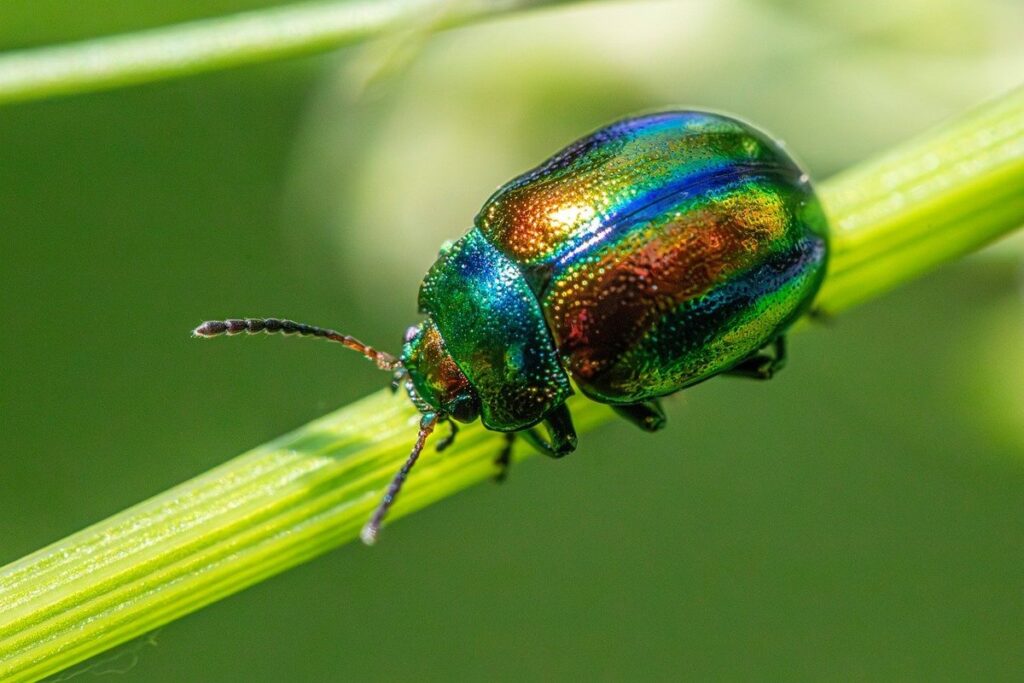
Understanding Cucumber Pests and Their Impact
To effectively manage cucumber pests, it’s essential to understand what they are and how they impact your crop. Let’s explore common cucumber pests and their effects on plant growth.
Identifying Common Types of Cucumbers Infested by Pests
When it comes to cucumber pest management, understanding which pests are commonly found on these plants is crucial. Among the most common types of cucumbers infested by pests are aphids, whiteflies, and spider mites.
Aphids, small, soft-bodied insects, can cause significant damage to cucumber plants by sucking sap from leaves and stems, weakening the plant and stunting its growth. Whiteflies, on the other hand, lay their eggs on the underside of leaves, causing direct damage through feeding and introducing diseases like tomato spotted wilt virus.
Spider mites, tiny arachnids that spin fine webs, can also infest cucumber plants. These pests feed by piercing plant cells with their mouthparts, injecting digestive fluids and sucking out nutrients, resulting in yellowed or bronzed leaves.
Regular monitoring of your cucumber plants is essential to catch these pest problems early on, before they become severe. Look for signs like curled or distorted leaves, sticky honeydew droplets, or a fine webbing on the underside of leaves.
The Economic and Environmental Consequences of Pest Infestations
Cucumber pest infestations can have devastating economic and environmental consequences. In commercial gardens, pest infestations can lead to significant financial losses due to reduced crop yields and damaged produce. According to a study by the National Institute of Food and Agriculture, pests are responsible for an estimated 40% of crop losses in the United States each year. For home gardeners, the impact may be less severe, but still substantial, with pest infestations potentially leading to wasted time, money, and effort.
The environmental impact of chemical pesticides used to control pests is also a significant concern. Chemical pesticides can contaminate soil, waterways, and even air, posing risks to human health and the environment. In fact, a study by the Environmental Protection Agency found that pesticide use on farms contributes to 70% of all pesticide contamination in U.S. rivers and streams. Instead of relying on chemical pesticides, gardeners can explore more sustainable pest management strategies, such as introducing beneficial insects or practicing integrated pest management techniques.
Integrated Pest Management (IPM) Strategies for Cucumbers
Effective IPM strategies involve a combination of methods to minimize pesticide use and preserve the health of your cucumber crop, including cultural controls and biological controls. Let’s explore some practical approaches for implementing IPM in your cucumber garden.
Crop Monitoring and Prevention Methods
When it comes to effective cucumber pest management, monitoring and prevention are crucial components of an Integrated Pest Management (IPM) strategy. Regularly inspecting your cucumber plants for signs of pest infestation is essential.
Visual inspections involve carefully examining the leaves, stems, and fruit of your cucumber plants for any unusual damage or discoloration. Look out for holes in leaves, yellowing or curling of leaves, and any physical damage to the fruit itself. Traps can also be used to monitor for specific pests, such as aphids or whiteflies. Sticky traps are particularly useful for catching flying insects.
To prevent pest infestations from occurring in the first place, consider implementing crop rotation and companion planting techniques. Crop rotation involves rotating your cucumber crops with other types of plants to break the cycle of pest buildup. Companion planting involves pairing cucumbers with certain plants that repel pests or attract beneficial insects, such as basil, which repels aphids and other pests.
Keep in mind that a combination of monitoring and prevention methods is often more effective than relying on chemical controls alone. By incorporating these strategies into your IPM plan, you can reduce the risk of pest infestations and promote healthier, more productive cucumber crops.
Biological Control Methods: Using Beneficial Insects and Microorganisms
Biological control methods offer an eco-friendly and sustainable approach to managing cucumber pests. One of the most effective ways is by introducing beneficial insects that prey on these pests. Ladybugs, for instance, are voracious feeders that target aphids, whiteflies, and spider mites – all common cucurbit pests. Lacewings, another beneficial insect, feed on aphids, mealybugs, and other soft-bodied insects.
Microorganisms can also be used to control cucumber pests. Bacillus thuringiensis (Bt) is a naturally occurring bacterium that produces toxins lethal to certain insects. Bt can be applied as a soil amendment or foliar spray to control pests like the cucurbit aphid and the squash bug. Trichoderma harzianum, a fungus, also exhibits biocontrol properties by colonizing plant roots and reducing fungal diseases.
When implementing biological control methods, it’s essential to ensure that the beneficial insects are well-suited to your specific climate and pest pressure. Also, maintain a diverse ecosystem in your garden to support a balanced food chain. This can be achieved by incorporating a variety of plants that attract pollinators and beneficial insects.
Chemical Control Methods: Using Pesticides Safely and Effectively
When it comes to effectively managing cucumber pests, using pesticides is often a crucial part of your strategy. This section will walk you through how to use them safely and get the best results.
Types of Pesticides Used in Cucumber Pest Management
When it comes to managing pests on cucumbers, various types of pesticides are employed to control different types of infestations. Insecticides, for instance, target insects like aphids, whiteflies, and spider mites that can cause significant damage to cucumber crops. These chemicals work by disrupting the insect’s nervous system or interfering with their ability to feed. However, some insecticides have been linked to environmental concerns, such as harming beneficial pollinators.
Fungicides are used to control fungal diseases like powdery mildew and anthracnose that can reduce crop yields. They typically contain active ingredients like copper, sulfur, or chlorothalonil, which work by either inhibiting fungal growth or triggering a chemical response in the plant’s cells. While effective against fungal diseases, fungicides can also pose risks to human health if not handled properly.
Herbicides are occasionally used on cucumbers to control weeds that compete with plants for water and nutrients. However, herbicide use is relatively rare in cucumber cultivation due to concerns about environmental contamination and the potential development of resistant weed populations.
When choosing pesticides for your cucumber crop, it’s essential to consider their modes of action and potential risks to human health and the environment. Always follow label instructions carefully and explore Integrated Pest Management (IPM) strategies that combine multiple techniques to minimize chemical use.
Precautions and Best Practices for Applying Chemical Pesticides
When handling chemical pesticides, safety should be your top priority. Always wear personal protective equipment (PPE), such as gloves, long-sleeved shirts, pants, and closed-toe shoes to prevent skin contact with chemicals. Safety glasses or goggles will protect your eyes from splashes or drifts. Make sure the area is well-ventilated to avoid inhaling fumes.
When applying pesticides, follow the label instructions carefully. Read and understand the recommended application rates, timing, and any specific precautions for the product you’re using. Choose an application method that suits your situation – spray, granule, or foam – but always use a calibrated sprayer to ensure accurate dosing.
To minimize environmental impact, avoid over-application of pesticides. This can harm beneficial insects, contaminate water sources, and even develop pest resistance. Instead, adopt integrated pest management (IPM) techniques that combine physical barriers, cultural controls, and biological agents with targeted chemical treatments when necessary. For example, using row covers to prevent cucumber beetles or introducing natural predators like ladybugs can reduce the need for pesticides altogether.
Cultural Controls: Adjusting Growing Conditions to Deter Pest Infestations
Adjusting your growing conditions is a crucial step in deterring pests from ruining your cucumber crop, and it’s easier than you think. By making a few simple changes to your garden setup, you can significantly reduce pest problems.
Soil Preparation and Fertilization Practices
When it comes to cucumber pest management, soil preparation and fertilization play a crucial role in maintaining healthy plants that are less susceptible to pests. The condition of the soil directly affects the overall health and resilience of the plant, making it more resistant to pest infestations.
To maintain healthy soil conditions, ensure you have a well-balanced mix of organic matter such as compost or manure. A general rule is to add 2-3 inches of compost around the base of your cucumber plants. This will provide essential nutrients and improve drainage. Avoid over-fertilizing, which can lead to weak and spindly growth that’s more prone to pest damage.
Another crucial aspect is pH balance. Cucumbers prefer a slightly acidic to neutral soil pH (around 6.0-7.0). Regularly test your soil pH and adjust it as necessary using lime or sulfur.
In addition, rotating your crops can help break disease and pest cycles. Planting cucumbers in the same spot year after year can lead to a buildup of pests and diseases that are specific to these plants.
Irrigation Management Techniques for Preventing Water-Borne Pests
When it comes to managing cucumber pests, irrigation management is a crucial aspect that often gets overlooked. However, over-irrigation can lead to water-borne pest issues, such as fungal diseases like powdery mildew and downy mildew. These diseases thrive in moist environments, causing damage to your crop.
To prevent these problems, it’s essential to optimize irrigation schedules and techniques. One way to do this is by implementing a drip irrigation system, which delivers water directly to the roots of the plant, reducing evaporation and runoff. This targeted approach ensures that the soil remains consistently moist, without leaving excess water on the surface where pests can thrive.
Another tip is to monitor weather forecasts and adjust your watering schedule accordingly. If there’s been significant rainfall in the past few days, you may not need to water as frequently. By being mindful of these factors, you can prevent over-irrigation and reduce the risk of water-borne pest issues. Aim for a balance between keeping the soil moist and avoiding excess water that can lead to fungal diseases.
Organic and Alternative Methods for Cucumber Pest Control
If you’re looking for a more natural approach to cucumber pest control, let’s explore some organic and alternative methods that can help protect your crop without harming the environment.
Natural Deterrents: Using Plants and Other Materials to Repel Pests
When it comes to organic and alternative methods for cucumber pest control, utilizing natural deterrents can be an effective way to keep pests at bay. Certain plants possess inherent properties that repel pests, making them a valuable addition to your garden.
For instance, basil is known to deter aphids, whiteflies, and spider mites, all common pests that target cucumbers. Marigold flowers also have natural pest-repelling properties, particularly against nematodes. To incorporate these plants into your garden, consider planting them alongside your cucumber crop or using companion planting techniques.
Other materials can be used to deter pests as well. Neem oil, for example, is a popular natural pesticide that disrupts insect growth and development. Garlic spray has also been shown to repel aphids and other soft-bodied insects. To make your own garlic spray, mix crushed garlic with water and let it sit for 24 hours before straining the mixture and spraying it on affected areas.
Homemade Pest Control Recipes and DIY Methods
When it comes to organic and alternative methods for cucumber pest control, many gardeners swear by homemade pest control recipes and DIY methods. These solutions not only reduce the need for chemical pesticides but also promote a balanced ecosystem that encourages beneficial insects.
One simple recipe is a garlic spray made from blending 3 cloves of minced garlic with 1 quart of water. This solution can be sprayed directly on infested plants to repel aphids, spider mites, and other pests. Another option is a neem oil solution, which can be mixed with water according to the product’s instructions and applied to the affected areas.
To minimize the need for chemical pesticides, it’s essential to create and maintain a balanced ecosystem in your garden. This can be achieved by introducing beneficial insects such as ladybugs, lacewings, or parasitic wasps that prey on common cucumber pests. You can also practice crop rotation, remove weeds that provide shelter for pests, and maintain good sanitation practices to prevent infestations.
Some of these DIY methods may require a bit more effort upfront but can be incredibly effective in controlling pest populations without harming the environment.
Monitoring and Evaluation: Assessing the Effectiveness of Cucumber Pest Management Strategies
To gauge the success of your cucumber pest management strategies, you need to track their effectiveness over time through regular monitoring and evaluation. This section will guide you on how to do that efficiently.
Establishing Baseline Data and Tracking Progress
Establishing baseline data and tracking progress are crucial steps in assessing the effectiveness of cucumber pest management strategies. To set up a monitoring system, start by installing pest traps around the field at regular intervals. These can be sticky traps or pitfall traps, depending on the type of pests you’re targeting. Create a scouting schedule that involves regular visits to the field to inspect the plants and traps for signs of infestation.
Develop a data sheet to record observations, including the date, time, location, and severity of any pest issues found. This will help you track progress over time and identify patterns or trends in pest populations. When implementing new control strategies, use these same monitoring systems to assess their effectiveness. For example, if you’ve introduced a biological control method, monitor the population levels of the target pests before and after its introduction. Regularly reviewing this data will enable you to make informed decisions about future management approaches.
Adapting and Refining Pest Management Plans Based on Results
Continually evaluating and refining pest management plans is crucial to ensure their effectiveness over time. As you collect data from monitoring efforts, you’ll likely identify areas where your strategies are working well and others that require adjustment.
Start by analyzing the data collected during regular monitoring visits. Look for patterns or trends in pest populations, weather conditions, and crop health. This information will help you pinpoint which control methods are most effective and where adjustments need to be made. For instance, if you notice a significant increase in cucumber beetles despite using pyrethrin sprays, it may be time to consider integrating biological control methods or adjusting the timing of your chemical applications.
In response to changing pest populations or environmental conditions, don’t be afraid to adapt and adjust your control methods. This might involve introducing new pesticides, modifying cultural practices like irrigation schedules, or exploring alternative control methods such as crop rotation or traps. Remember that a one-size-fits-all approach rarely works in pest management, so stay flexible and make adjustments based on the unique needs of your cucumber crop.
Frequently Asked Questions
What are the best methods for preventing aphid infestations on cucumber plants?
Effective prevention involves a combination of cultural controls, such as providing adequate air circulation and using row covers to prevent aphids from reaching your crops. Additionally, introducing beneficial insects like ladybugs or lacewings can help control aphid populations.
Can I use neem oil for controlling whitefly infestations on cucumbers?
Yes, neem oil is a popular organic option for managing whiteflies on cucumber plants. Mix neem oil with water according to the label instructions and spray it on the undersides of leaves where whiteflies tend to congregate.
How do I identify if my cucumber crop is being infested by spider mites?
Spider mite infestations often manifest as fine webbing on the underside of leaves or a yellowing of foliage. Inspect your plants regularly, looking for these signs and checking for actual mites with a hand lens or magnifying glass.
Can I use diatomaceous earth to control cucumber pests?
Yes, diatomaceous earth is a natural, non-toxic substance that can be used to control slugs, snails, and other pests that target cucumbers. Sprinkle it around the base of your plants to deter these unwanted visitors.
What are some common mistakes farmers make when implementing integrated pest management (IPM) strategies for cucumbers?
Failing to monitor crops regularly is a common mistake. Regular checks can help you identify pest issues early on, allowing for timely intervention and reducing the need for chemical controls.