
Are you tired of struggling with weak soil and mediocre crop yields? Do you want to grow disease-resistant tomatoes that thrive in their environment? Look no further than tomato compost, the game-changing fertilizer that’s revolutionizing gardening. This organic, natural solution is packed with nutrients and microorganisms that boost soil health, making it an essential tool for any gardener. But how do you make it, when to apply it, and what are the common mistakes to avoid? In this article, we’ll delve into the world of tomato compost, covering everything from its benefits to troubleshooting tips. Whether you’re a seasoned green thumb or just starting out, our guide will walk you through the process of creating and using tomato compost to achieve bountiful harvests and healthier plants.
What is Tomato Compost?
Tomato compost, also known as tomato waste composting, is a simple and natural way to recycle garden waste. We’ll dive into what it’s all about and how you can start using it in your own garden today!
Importance of Composting in Gardening
Composting is an essential practice that every gardener should adopt to maintain soil health and optimize crop yields. By incorporating compost into your garden routine, you’ll be amazed at the benefits it brings. For one, composting improves soil structure by adding organic matter, which increases water retention, aeration, and nutrient availability for plants.
This, in turn, leads to increased crop yields as plants have access to the necessary resources for healthy growth. Tomato plants, being heavy feeders, especially benefit from rich compost. Composting also reduces waste by repurposing kitchen scraps, yard trimmings, and other organic materials that would otherwise end up in landfills.
To make the most of composting, gardeners can use tomato compost as a game-changer. This unique blend of vegetable scraps, including tomatoes, adds a boost of beneficial microbes to the soil. These microbes help break down complex nutrients, making them available to plants quickly. As a result, tomato plants thrive, producing more fruit and exhibiting improved resistance to diseases.
Regularly incorporating tomato compost into your garden routine can have a transformative impact on your harvests.
Different Types of Compost: What’s Best for Tomatoes?
When it comes to creating an ideal compost for tomatoes, you have several options. Understanding the different types of compost can help you choose the best one for your garden.
Green compost is rich in nitrogen and consists mainly of food waste and grass clippings. While it’s great for tomato plants, using too much green compost can lead to an overabundance of nitrogen, causing damage to roots.
Brown compost, on the other hand, is high in carbon and low in nitrogen. It’s made from dry leaves, branches, and shredded newspaper. This type of compost helps balance out the nutrient levels in your soil, but it may take longer to break down.
Worm compost, also known as vermicompost, is produced by worms that consume food waste. The resulting compost has high levels of nutrients and microorganisms beneficial for tomato growth. However, creating worm compost requires a controlled environment with specific temperature conditions.
For tomatoes, worm compost is the most suitable option due to its balanced nutrient profile and microorganism content.
Benefits of Using Tomato Compost
Now that you know how to make tomato compost, let’s dive into the benefits of using it to give your garden a nutrient-rich boost. You’ll love the impact it has on your plants!
Improved Soil Structure and Fertility
Tomato compost is an exceptional soil amendment that can enrich the soil with essential nutrients, improve its water-holding capacity, and promote healthy microbial activity. As you add tomato compost to your garden beds, it breaks down into a nutrient-rich tea that seeps deep into the soil, providing a boost of vital nutrients such as nitrogen, phosphorus, and potassium.
Not only does tomato compost provide a much-needed dose of essential micronutrients like calcium, magnesium, and sulfur, but it also improves the soil’s water-holding capacity. This means your plants will be able to retain moisture for longer periods, reducing the need for frequent watering. Healthy microbial activity is another significant benefit of using tomato compost. By feeding beneficial microorganisms in the soil, you create a thriving ecosystem that breaks down organic matter and makes nutrients available to your plants.
To get the most out of tomato compost, mix it into the top 6-8 inches of soil before planting. This will allow the compost to work its magic as your plants grow and thrive. By incorporating tomato compost into your garden routine, you’ll be amazed at how quickly your plants respond with healthier growth, increased yields, and a vibrant, disease-resistant appearance.
Increased Crop Yields and Quality
Using tomato compost can have a significant impact on the health and productivity of your tomato plants. One of the most notable benefits is an increase in fruit production. Tomato compost is rich in nutrients such as nitrogen, phosphorus, and potassium, which are essential for healthy plant growth. When these nutrients are readily available to your tomatoes, they’re able to produce more fruits and flowers.
Not only do you get more tomatoes, but they also tend to be of higher quality. The improved flavor and texture are due in part to the balanced nutrient content of tomato compost. This is because the microorganisms present in the compost help break down complex nutrients into forms that are easily absorbed by the plants. As a result, your tomatoes will have better color, taste, and overall appearance.
In addition to increased yields and quality, using tomato compost can also lead to higher disease resistance in your tomato plants. This is because the beneficial microorganisms present in the compost help stimulate the plant’s natural defense mechanisms, making it more resilient to diseases and pests.
How to Make Tomato Compost at Home
To create tomato compost at home, you’ll need a mix of kitchen scraps, soil, and some patience, but don’t worry, we’ve got a simple recipe to get you started.
Gathering Raw Materials: Kitchen Scraps and Garden Waste
When it comes to making tomato compost at home, gathering the right raw materials is crucial. One of the best things about composting is that you can use a wide range of kitchen scraps and garden waste as “green” materials. Green materials are rich in nutrients and help speed up the decomposition process.
Start by collecting vegetable peels, which are packed with fiber and vitamins. Carrot tops, celery leaves, and onion skins are all great additions to your compost pile. You can also use coffee grounds, tea bags, and eggshells as nitrogen-rich ingredients. These will not only add nutrients but also help balance out the carbon-to-nitrogen ratio in your compost.
Remember to mix these “green” materials with carbon-rich brown materials like dried leaves or shredded newspaper to create a balanced blend. Aim for a 2:1 or 3:1 ratio of brown to green materials. For example, you can add 2 cups of coffee grounds to 1 cup of dried leaves. This will help your compost break down efficiently and effectively, setting the stage for healthy tomato plants that’ll thrive in your garden.
Creating a Composting System: Tips and Tricks
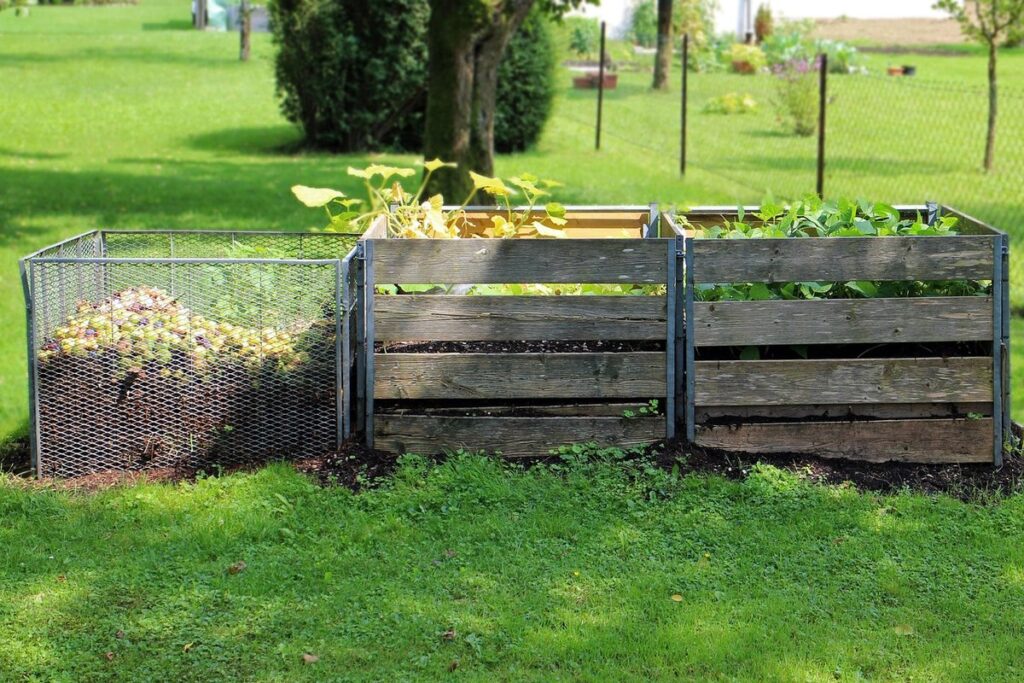
To create an effective composting system at home, you’ll want to start with the right container size. A bin that’s too small will lead to overcrowding and slowed decomposition, while one that’s too large can make it difficult to turn and aerate the pile. Aim for a bin that’s around 3-4 feet wide and 2-3 feet deep.
When it comes to balancing your compost pile, you’ll need to maintain an optimal carbon-to-nitrogen (C:N) ratio. The ideal mix is about 25% “green” materials (high in nitrogen) like fruit and vegetable scraps, grass clippings, and manure, and 75% “brown” materials (high in carbon) such as dried leaves, straw, and shredded newspaper. Remember to layer your ingredients in a way that allows for adequate airflow.
Turning your compost pile regularly is also crucial. Aim to turn it every week or two to ensure oxygen reaches all areas and decomposition happens efficiently. A simple rule of thumb is to turn the pile when it starts to smell – this means it’s getting too hot and needs some air.
Challenges and Troubleshooting in Tomato Compost Making
As you begin making tomato compost, you’ll likely encounter some bumps along the way. This section will help you troubleshoot common issues and overcome challenges that can arise during the process.
Common Issues: Odors, Pests, and Mold
As you work on creating tomato compost, you may encounter some common issues that can hinder the process and affect the quality of your final product. One of the most noticeable problems is unpleasant odors, which can be a sign of overloading the pile with too many “green” materials like food scraps and grass clippings. To mitigate this issue, make sure to balance your green materials with sufficient amounts of brown materials like dried leaves or shredded newspaper.
Pest infestations are another common problem that can arise during composting. Common pests include rodents, raccoons, and insects like fruit flies and ants. To prevent pest invasions, use a wire mesh or hardware cloth enclosure to keep critters out, and ensure your pile is regularly turned to maintain optimal oxygen levels.
Mold growth can also occur if the compost pile remains too wet for an extended period. Check on your pile regularly and turn it when necessary to allow air to circulate. Maintain a balance of carbon-rich materials like dried leaves or straw to soak up excess moisture, and ensure adequate space between batches for each addition.
Keep in mind that these issues can often be avoided by maintaining proper composting conditions. Regular monitoring and adjustments will help you create high-quality tomato compost for your garden.
Best Practices for Maintaining Optimal Compost Conditions
Monitoring temperature, moisture, and aeration levels is crucial to maintaining optimal compost conditions. To ensure decomposition occurs efficiently, aim for a balance of these three factors. Temperature-wise, the ideal range for composting is between 130°F and 140°F (54°C-60°C). If it gets too hot, your compost may catch fire or become too carbon-rich; if it’s too cold, breakdown won’t occur effectively.
To maintain moisture levels, aim for a consistency similar to that of a damp sponge. Too little water will result in slow decomposition, while excessive water can lead to anaerobic conditions and unpleasant odors. Check your compost pile daily and add water as needed to keep it slightly moist.
Aeration is also vital; every few days, turn or aerate the pile with a fork to prevent oxygen from getting trapped. This helps maintain an optimal carbon-to-nitrogen ratio and promotes healthy microbial activity. By monitoring these factors closely, you’ll be able to create an ideal environment for decomposition and produce nutrient-rich compost for your tomatoes. Regular checks will also help you catch potential issues before they become major problems.
Using Tomato Compost: Application and Dosage Guidelines
To get the most out of your tomato compost, it’s essential to understand how to apply it correctly in your garden and what dosage rates to use for optimal results.
Preparing Soil for Planting: How Much Compost to Use
When preparing soil for planting tomatoes, incorporating the right amount of tomato compost is crucial. A general rule of thumb is to mix 2-4 inches of compost into the top 6-8 inches of soil. This allows for a balanced blend of beneficial microbes, nutrients, and organic matter.
However, if your soil lacks essential nutrients or has poor drainage, additional amendments may be necessary. In such cases, mix tomato compost with other natural additives like worm casting, peat moss, or perlite to create a customized blend. For instance, if you’re dealing with clay-heavy soil, adding 1-2 inches of perlite can help improve structure and water penetration.
When applying tomato compost alone, aim for a ratio of 10% compost to 90% native soil. This ensures the compost doesn’t overpower the existing ecosystem but rather enhances its natural processes. For example, if you’re mixing in 20 pounds of compost into your garden bed, only use about 2 pounds – enough to stimulate microbial activity without over-enriching the soil.
Feeding Tomatoes with Compost Tea or Aqueous Extracts
When it comes to fertilizing tomatoes with compost, you might have considered using liquid extracts as an alternative to traditional solids. Compost tea and aqueous extracts are two popular methods that offer a more concentrated dose of nutrients to your plants. These liquids are made by steeping compost in water, which releases beneficial microorganisms and other soluble compounds.
Compost tea, in particular, has gained popularity among gardeners due to its ease of use and effectiveness. To prepare it, simply fill a bucket with 1-2 gallons of water and add 1-2 cups of mature compost. Let the mixture steep for 24-48 hours, then strain the liquid before using it as a fertilizer. The resulting solution is rich in beneficial microbes that can help solubilize nutrients and make them available to your tomato plants.
Using compost tea or aqueous extracts offers several benefits, including increased microbial activity, enhanced nutrient uptake, and reduced disease susceptibility. By incorporating these liquids into your fertilization routine, you can give your tomatoes the boost they need to thrive.
Advanced Tomato Compost Techniques: Fermenting and Aerobic Composting
Now that you’ve mastered the basics of tomato compost, it’s time to dive into more advanced techniques like fermenting and aerobic composting, which can elevate your garden’s health to new heights. These methods require a bit more know-how, but trust us, they’re worth the extra effort.
Lactic Acid Fermentation: Breaking Down Complex Materials
Lactic acid fermentation is a powerful process that can break down even the most complex materials in tomato compost. When you add meat and dairy scraps to your compost pile, they’re initially difficult for microorganisms to digest. However, by introducing lactic acid fermentation, these microbes are given an extra boost to break down these tough materials.
During lactic acid fermentation, beneficial bacteria like Lactobacillus and Leuconostoc thrive in a low-oxygen environment, producing lactic acid as they feed on organic matter. This process creates a temperature increase, typically between 100°F to 140°F (38°C to 60°C), which accelerates microbial activity.
By incorporating lactic acid fermentation into your tomato composting routine, you can improve its overall nutrient content and structure. The end result is a compost that’s rich in beneficial microorganisms, humus, and essential minerals – perfect for feeding your plants.
Aerobic Composting: Maximizing Nutrient Release and Soil Biota
Aerobic composting is an efficient method for maximizing nutrient release and promoting soil biota activity. Unlike traditional anaerobic composting methods that rely on microorganisms breaking down organic matter in the absence of oxygen, aerobic composting involves actively mixing the compost pile to introduce air and speed up decomposition.
This approach has several advantages over anaerobic composting. For one, it accelerates nutrient release by allowing beneficial microbes to thrive in an oxygen-rich environment. As a result, your tomato plants will receive a steady supply of essential nutrients. Aerobic composting also fosters a diverse soil biota community, which is crucial for plant health and immunity.
To implement aerobic composting, maintain a mix of 2/3 “green” materials (food scraps, grass clippings) and 1/3 “brown” materials (dried leaves, straw). Regularly turn the pile to introduce oxygen and prevent moisture buildup. A well-ventilated aerobic compost will heat up faster than an anaerobic one, reducing pathogens and weed seeds.
A healthy balance of carbon-to-nitrogen ratios is also essential for efficient nutrient release. Aim for a mix that’s 25-30% nitrogen-rich materials (e.g., grass clippings) and 70-75% carbon-rich materials (e.g., dried leaves).
Conclusion: Why Tomato Compost Matters for Your Garden’s Success
In conclusion, creating tomato compost is a game-changer for your garden’s success. By incorporating this nutrient-rich soil amendment into your gardening routine, you’ll be amazed at the difference it makes in your plant’s growth and health. Tomato compost is packed with beneficial microbes that help to break down complex nutrients, making them easily accessible to your plants. This leads to stronger roots, healthier foliage, and of course, a bountiful harvest.
When done correctly, using tomato compost can also reduce soil erosion, suppress weeds, and even attract beneficial insects to your garden. By repurposing kitchen scraps and yard waste into this valuable resource, you’ll be reducing waste and creating a more sustainable gardening practice. With these tips and techniques under your belt, you’re ready to give your garden the boost it needs to thrive – happy composting!
Frequently Asked Questions
How soon can I expect to see the benefits of using tomato compost in my garden?
You should start noticing improvements within a few weeks, but it may take several months for the full effects to manifest. This is because composting is an ongoing process that requires patience and regular maintenance. Keep in mind that soil health and nutrient levels will fluctuate with changing seasons, so consistency is key.
Can I use other types of organic waste alongside tomato waste to create compost?
Absolutely! Composting is a versatile process that can incorporate various organic materials like fruit peels, vegetable scraps, coffee grounds, and more. However, be cautious not to overdo it on the “green” materials (like grass clippings), as they can introduce excessive moisture and attract pests.
What’s the ideal compost-to-soil ratio when applying tomato compost to my garden beds?
A general rule of thumb is to mix 10-20% compost into your soil, but this may vary depending on the specific needs of your plants. It’s essential to observe your soil’s response and adjust the ratio accordingly. Remember that over-composting can lead to nutrient imbalances, so monitor your soil’s pH levels and nutrient availability.
Can I use tomato compost as a substitute for synthetic fertilizers entirely?
While tomato compost offers numerous benefits, it may not provide all the necessary nutrients for optimal plant growth. Synthetic fertilizers often contain specific micronutrients that are harder to replicate with compost alone. A balanced approach is usually best: use compost as a primary fertilizer and supplement with small amounts of synthetic fertilizers if needed.
How do I troubleshoot issues like pests, mold, or unpleasant odors in my composting system?
Start by identifying the root cause – perhaps your compost pile is too wet or lacks sufficient carbon-rich materials. Adjust your recipe accordingly, ensuring a balanced mix of “green” and “brown” materials. Also, consider turning your compost regularly to maintain airflow and prevent anaerobic conditions. If issues persist, consult with gardening experts or online forums for more specific guidance.