
If you’re tired of resorting to chemical-laden pesticides and fungicides in your garden, you’ll be excited to learn about the wonders of garlic spray. This natural gardening solution is not only effective at repelling pests, but it also fights off diseases and promotes overall plant health. By using garlic spray, you can create a healthier and more balanced ecosystem in your garden without breaking the bank or harming the environment.
As we delve into the benefits and uses of garlic spray, you’ll learn how to make your own homemade version at home, saving you money on commercial products. We’ll also compare its effectiveness to traditional methods, giving you the confidence to give it a try. Whether you’re a seasoned gardener or just starting out, this natural solution is definitely worth exploring.
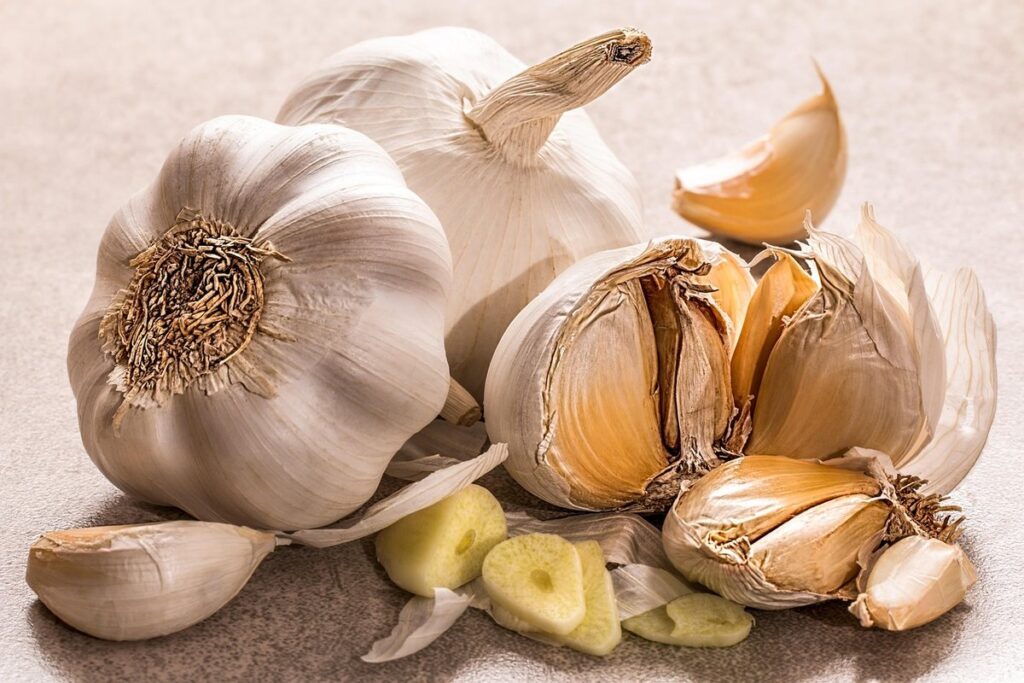
What is Garlic Spray?
Let’s get started by exploring what garlic spray actually is, and how it’s made from the mighty bulb that’s a staple in many kitchens.
Definition and History
Garlic spray has been used for centuries as a natural and effective way to promote healthy plant growth, deter pests, and enhance crop yields. Its use dates back to ancient civilizations, where garlic was crushed and mixed with water to create a solution that could be sprayed on plants. This traditional method of using garlic in gardening has evolved over time, and today’s garlic sprays are made by extracting the active compounds from garlic cloves and dissolving them in a liquid carrier.
The history of garlic spray is closely tied to its effectiveness as an organic pest control agent. In ancient Greece and Rome, garlic was used to repel insects and other pests that threatened crop yields. Similarly, in medieval Europe, garlic was used to prevent scurvy and protect against infections, which laid the groundwork for its later use in gardening.
Garlic’s versatility and adaptability have made it a popular choice among gardeners worldwide. Its unique combination of antibacterial and antifungal properties makes it an ideal natural solution for preventing disease and promoting healthy plant growth. Whether you’re growing vegetables, fruits, or flowers, garlic spray can be used as a standalone solution or in conjunction with other organic methods to achieve optimal results.
How it’s Made
Making garlic spray at home is a relatively simple process that requires just a few basic ingredients and some common household equipment. To start, you’ll need fresh garlic, water, and a carrier oil such as olive or coconut oil. You can also add other ingredients like apple cider vinegar or essential oils to enhance the spray’s potency and shelf life.
To make the garlic spray, simply blend the minced garlic with the water in a blender or food processor until it’s well combined. Then, slowly pour in the carrier oil while continuing to blend until you get a smooth, consistent mixture. Strain the mixture through a cheesecloth or fine-mesh sieve into a clean glass bottle.
It’s essential to use fresh and high-quality ingredients when making garlic spray to ensure its effectiveness. For example, using old or wilted garlic can result in a weak and ineffective spray. Also, be sure to store your homemade garlic spray in the refrigerator to preserve its potency and extend its shelf life. With these simple steps, you can create your own garlic spray at home and enjoy its numerous benefits without breaking the bank.
Benefits of Using Garlic Spray
Garlic spray is a versatile and natural solution that offers numerous benefits, from pest control to health remedies. Let’s dive into some of its most significant advantages.
Repellent Properties
One of the most significant benefits of using garlic spray is its potent repellent properties. Garlic has long been recognized for its ability to deter a wide range of pests and diseases that can damage your garden. By incorporating garlic spray into your gardening routine, you can effectively control common garden pests such as aphids, whiteflies, spider mites, and even nematodes.
Garlic spray is particularly effective against these pests because it contains compounds like allicin, which have natural insecticidal properties. For example, a study found that garlic extract was able to reduce the population of the tobacco budworm by up to 80% in just one application. When used as a preventative measure, garlic spray can also help protect your plants from diseases such as powdery mildew and botrytis.
To get the most out of your garlic spray, be sure to mix it with water according to the recommended dilution ratio and spray it on your plants regularly, ideally once a week. You can also use it as a foliar spray to target specific areas where pests are present. By harnessing the power of garlic’s repellent properties, you’ll not only protect your garden from unwanted visitors but also promote healthy plant growth and development.
Natural Fungicide and Bactericide
Garlic spray is a natural and effective way to prevent the spread of fungal and bacterial infections in plants. As we discussed earlier, garlic contains compounds that have potent antimicrobial properties, making it an excellent natural fungicide and bactericide.
One of the main benefits of using garlic spray as a natural fungicide and bactericide is its ability to prevent the development of diseases such as powdery mildew, leaf spot, and root rot. These diseases can cause significant damage to plants, leading to reduced yields and lower quality produce. By spraying garlic solution on your plants, you can create a barrier that prevents these pathogens from infecting them.
To use garlic spray as a natural fungicide and bactericide, mix 2-3 cloves of minced garlic with one quart of water. Let the mixture sit for at least 24 hours to allow the compounds to infuse into the water. Then, strain the solution and spray it on your plants every 7-10 days during peak growing seasons.
Some benefits of using garlic spray as a natural fungicide and bactericide include:
• Reduced chemical usage: Garlic spray is a chemical-free alternative to traditional fungicides and bactericides.
• Environmentally friendly: This method won’t harm beneficial microorganisms in the soil or contaminate water sources.
• Cost-effective: Garlic is an affordable ingredient that can be grown at home, reducing your reliance on commercial chemicals.
How to Use Garlic Spray Effectively
To get the most out of your garlic spray, follow these essential tips for using it effectively and safely around your home. Learn how to avoid common mistakes and optimize its benefits.
Preparation and Application
Before you can harness the benefits of garlic spray, it’s essential to understand the proper preparation and application techniques. When preparing the solution, it’s crucial to dilute the garlic extract according to the manufacturer’s instructions. Typically, a 10-20% dilution ratio is recommended for most garden applications. However, this may vary depending on the severity of pest or disease infestation.
When applying the garlic spray, timing and coverage areas are equally important. For optimal results, spray the solution in early morning or late evening to avoid direct sunlight. Start by spraying the lower leaves and work your way up to prevent any potential burning or discoloration. Ensure that you cover all affected areas thoroughly, paying particular attention to crevices and undersides of leaves.
Remember, proper application is key to achieving desired results. Avoid over-spraying, as this can cause more harm than good. Always read the manufacturer’s instructions and take note of any specific recommendations for your plant type or pest/disease issue.
Combination with Other Methods
When using garlic spray effectively, it’s essential to consider combining it with other gardening methods to maximize its benefits. One way to do this is through companion planting. This technique involves pairing plants that complement each other in terms of growth habits, pest resistance, and nutrient uptake. For instance, marigolds can be planted alongside tomatoes to repel nematodes, while basil and garlic can be grown together to enhance their natural pest-repelling properties.
Another method is crop rotation, which helps break disease cycles and replenish soil nutrients. Garlic spray can be used as a preventative measure before switching crops, ensuring the new plants are less susceptible to pests and diseases. For example, after harvesting tomatoes, use garlic spray on the soil before planting lettuce or spinach. This not only reduces the risk of pest infestations but also promotes healthy microbial growth in the soil.
By integrating garlic spray with companion planting and crop rotation, gardeners can create a holistic approach to gardening that minimizes chemical use and promotes long-term sustainability.
DIY Garlic Spray Recipes
Want a natural and cost-effective way to repel pests and boost plant growth? This section shares three easy-to-make garlic spray recipes for your garden.
Simple Recipe for Beginners
If you’re new to making garlic spray at home, don’t worry – we’ve got you covered with this simple recipe. To make a basic garlic spray, you’ll need just four ingredients: 1 cup of water, 3-4 cloves of garlic, 1 tablespoon of apple cider vinegar, and a few drops of liquid soap.
Start by peeling the garlic cloves and mincing them finely in a blender or food processor. Then, add the minced garlic to a small saucepan along with the cup of water. Bring the mixture to a simmer over low heat for about 10-15 minutes, or until the garlic has lost its pungency and the liquid has reduced slightly.
Once the garlic mixture has cooled, strain it into a clean glass bottle using cheesecloth or a coffee filter. Discard the solids and add in the apple cider vinegar and liquid soap. Stir well to combine, then let the mixture sit for at least 24 hours before using it as a spray. This will allow the flavors to meld together and the ingredients to infuse.
Remember to use this homemade garlic spray within a week or two of making it, and store it in the refrigerator to keep it fresh.
Advanced Recipes for Specific Needs
When it comes to creating advanced garlic spray recipes for specific needs, ingredient selection and customization become crucial. For instance, if you’re looking to create a pest control formula, you’ll want to focus on incorporating ingredients that are known to repel pests effectively.
One such recipe involves mixing 1 cup of distilled water with 2 cloves of minced garlic, 10 drops of neem oil, and 5 drops of peppermint essential oil. This blend is particularly effective against aphids, whiteflies, and spider mites. However, if you’re concerned about attracting beneficial insects like bees or butterflies, you can swap the neem oil for a few sprigs of fresh rosemary.
Another recipe caters to soil enrichment needs, combining 1 cup of water with 3 cloves of minced garlic, 2 tablespoons of compost tea, and 1 teaspoon of fish emulsion. This blend provides essential nutrients for plant growth while also repelling pests like nematodes and root-knot gall mites. When selecting ingredients, consider the specific needs of your plants and adjust the proportions accordingly to achieve optimal results.
Precautions and Safety Considerations
When using garlic spray, there are certain precautions you should take to avoid any potential harm or discomfort. Be sure to read through these important guidelines before incorporating it into your garden or home.
Skin and Eye Irritation
When using garlic spray, it’s essential to be aware of potential skin and eye irritation. While garlic has numerous benefits, its strong odor and active compounds can cause discomfort if not handled properly.
Skin irritation from garlic spray typically manifests as redness, itching, or burning sensations on the skin. This usually occurs when the spray comes into direct contact with sensitive areas, such as the face, neck, or hands. To minimize this risk, always wear protective clothing like long sleeves and gloves when applying garlic spray to plants.
In case of accidental exposure, gently wash the affected area with soap and water. If symptoms persist, consider applying a topical anti-inflammatory cream to alleviate discomfort.
Eye irritation from garlic spray is more serious and requires immediate attention. Inhaling or direct contact with the eyes can cause tearing, redness, and blurred vision. If you experience any eye irritation while using garlic spray, flush your eyes immediately with water and seek medical assistance if symptoms persist.
Allergic Reactions and Interactions
When using garlic spray, it’s essential to be aware of potential allergic reactions and interactions with other substances. Some people may experience skin irritation, such as redness, itching, or rashes, after applying garlic spray to their skin or plants. If you’re new to using garlic spray, start by performing a patch test on a small area before widespread application.
Interactions with medications can also be a concern. Garlic contains compounds that can interfere with blood thinners, such as warfarin, and increase the risk of bleeding. Additionally, garlic may interact with diabetes medications, reducing their effectiveness. If you’re taking any prescription medications, consult your doctor before using garlic spray. When applying garlic spray to plants, avoid mixing it with other chemicals or fertilizers, as this can lead to an over-concentration of active ingredients and potential damage to the plant.
If you experience any adverse reactions after using garlic spray, discontinue its use immediately and seek medical attention if necessary.
Comparing Garlic Spray to Traditional Methods
If you’re considering switching to garlic spray, one of your first questions might be: how does it stack up against traditional methods for keeping pests away? In this section, we’ll compare and contrast.
Pros and Cons of Conventional Gardening
When it comes to managing pests and diseases in your garden, you may be considering traditional methods versus using garlic spray. Conventional gardening methods often involve chemical-based pesticides and fungicides that can have a significant environmental impact.
One of the main drawbacks of conventional gardening is its reliance on synthetic chemicals that can contaminate soil, waterways, and air. These substances can also harm beneficial insects, such as bees and butterflies, which are essential for pollination. Furthermore, repeated use of chemical-based products can lead to the development of pesticide-resistant pests, making them less effective over time.
In contrast, garlic spray is a natural, eco-friendly alternative that poses minimal risk to the environment. It’s also cost-effective, as you can make your own garlic spray at home using just a few simple ingredients. Not only does garlic spray repel pests and diseases effectively, but it’s also non-toxic and biodegradable, making it an attractive option for gardeners who prioritize environmental sustainability.
Garlic spray has been shown to be effective against a wide range of pests and diseases, including aphids, spider mites, powdery mildew, and fungal infections. Its natural antifungal properties make it particularly useful for preventing root rot and other soil-borne diseases that can devastate plant growth.
Case Studies and Examples
Garlic spray has proven to be an effective solution for gardeners dealing with pests and diseases. A notable example is a study conducted by a group of organic farmers who tested the efficacy of garlic spray against aphids on their rose plants. The results showed that the aphid population decreased significantly within 24 hours after application, resulting in healthier and more robust plant growth.
Another case study involved using garlic spray to control powdery mildew on a wheat farm. After applying the spray according to the manufacturer’s instructions, the farmer noticed a significant reduction in disease severity, leading to increased yields and reduced crop loss. This success story demonstrates how garlic spray can be an essential tool for farmers and gardeners facing common issues.
Real-life examples like these highlight the versatility of garlic spray in various garden settings. Gardeners looking to incorporate this natural solution into their pest control routine can take note from these studies, applying similar methods in their own gardens. By following a few simple steps – diluting the spray according to instructions, spraying during early morning or evening hours when pests are most active – gardeners can achieve similar results and enjoy healthier plants and reduced chemical use.
Frequently Asked Questions (FAQs)
We know you might have some questions about using garlic spray, so we’ve put together a list of our most frequently asked questions to help clarify things. Take a look below for answers.
Common Misconceptions and Myths
When it comes to garlic spray, there are several common misconceptions that may be holding you back from giving it a try. One of the most prevalent concerns is the smell – people often assume that using garlic spray will leave their homes smelling like a pungent kitchen. However, modern formulations have made significant strides in minimizing odors, and many users find the scent to be barely noticeable.
Another myth is that garlic spray is toxic or hazardous to pets and children. While it’s true that garlic can be toxic in large quantities, garlic sprays are specifically designed for external use and contain concentrations of active ingredients that are safe when applied correctly. It’s essential to follow the instructions carefully and keep the spray out of reach of curious hands.
Some people also believe that garlic spray is ineffective against pests or diseases. However, a wealth of research has proven its efficacy in repelling mosquitoes, ticks, and other unwanted critters. By choosing a high-quality spray with a balanced formula, you can enjoy the benefits of garlic’s natural pest-repelling properties without sacrificing performance.
Troubleshooting Tips
If you’re experiencing issues with making or using garlic spray, here are some troubleshooting tips to help you resolve common problems. First, let’s address the issue of a too-strong garlic flavor. This can be caused by using too much garlic or not enough water in your mixture. To avoid this, start with a small amount of garlic and gradually increase as needed.
Another common issue is clogging the sprayer nozzle. This usually happens when debris or sediment accumulates inside the bottle. Regularly cleaning the nozzle and rinsing the bottle can prevent this problem. If you’re having trouble getting the spray to come out evenly, try shaking the bottle well before use.
If your garlic spray has gone bad, it may have turned a strange color or developed an off smell. In this case, it’s best to start over with fresh ingredients and follow proper storage procedures. Always store garlic spray in a cool, dark place and keep it away from direct sunlight.
Remember to also check the expiration date of your garlic powder or extract if you’re using a pre-made mixture. If you notice any mold growth or an unusual odor, discard the product immediately.
Frequently Asked Questions
Can I use garlic spray on sensitive plants like roses or orchids?
Yes, you can use garlic spray on sensitive plants, but start with a lower concentration of garlic extract (around 1-2%) and monitor the plant’s response. You may need to adjust the application frequency or dilute the solution further for more delicate species.
How often should I reapply garlic spray, especially after rainfall?
Reapply garlic spray every 7-10 days, or after heavy rainfall or irrigation. This ensures continuous protection against pests and diseases. Adjust the application schedule based on your specific climate, plant type, and pest pressure.
Can I combine garlic spray with other natural gardening methods, like companion planting?
Yes, you can combine garlic spray with other natural gardening methods, including companion planting. Garlic’s repellent properties complement those of certain herbs and plants, enhancing their effectiveness against pests and diseases.
What are the storage and shelf life considerations for homemade garlic spray?
Store homemade garlic spray in a cool, dark place to preserve its potency. The shelf life is typically 2-3 months when stored properly. Before using an older batch, test its efficacy by spraying it on a small area of the plant or mixing it with water.
Can I use garlic spray as a preventative measure for diseases like powdery mildew or rust?
Yes, you can use garlic spray as a preventative measure against diseases like powdery mildew and rust. Regular applications (every 7-10 days) will help maintain a healthy plant environment, reducing the risk of disease outbreaks.