
Are you tired of using chemical-laden fertilizers for your plants, but don’t know where to start with making compost tea? You’re not alone. Compost tea is a game-changer for gardeners and environmental enthusiasts alike. By brewing a nutrient-rich liquid solution from compost, we can give our plants the boost they need to thrive without harming the planet. Not only does compost tea improve plant health by providing essential microorganisms, but it also reduces waste and promotes sustainable gardening practices.
In this article, we’ll take you through a step-by-step guide on how to make effective compost tea at home. We’ll cover everything from setting up your brewing system to troubleshooting common issues. Whether you’re a seasoned gardener or just starting out, our comprehensive guide will have you brewing nutrient-rich compost tea in no time.
Understanding the Benefits of Compost Tea
Compost tea is more than just a liquid fertilizer, it has numerous benefits for your plants and the environment. Let’s explore how using compost tea can improve soil health and plant growth.
What is Compost Tea and Why Do You Need It?
Compost tea is a liquid solution made by steeping compost in water, allowing it to infuse with beneficial microorganisms and nutrients that promote healthy plant growth. This potent elixir has been gaining popularity among organic gardeners due to its ability to supercharge soil with essential micronutrients.
By brewing compost tea, you’re essentially creating a concentrated dose of beneficial microbes that can help your plants overcome common issues such as nutrient deficiencies, root rot, and pest infestations. Regular applications of compost tea can lead to improved crop yields, increased resistance to disease, and enhanced overall plant resilience.
In an organic gardening practice, compost tea is a crucial component due to its ability to replicate the natural processes found in soil ecosystems. By providing plants with a readily available source of beneficial microbes, you’re essentially giving them the tools they need to thrive in their environment. Regular use of compost tea can lead to a more balanced and thriving ecosystem, making it an essential tool for any serious organic gardener.
The Science Behind Compost Tea
Composting is an aerobic process that involves microorganisms breaking down organic matter. This process releases carbon dioxide, water vapor, and heat as byproducts. As the microorganisms feed on the compost materials, they multiply and create beneficial populations of bacteria, fungi, and protozoa.
These beneficial microorganisms are not just harmless; they are essential for creating effective compost tea. When you steep a compost in water, you’re essentially extracting these microorganisms from the compost material and suspending them in liquid form. This suspension is what we call compost tea.
The aerobic process during composting leads to the creation of beneficial microorganisms that play a crucial role in creating healthy soil ecosystems. These microorganisms help break down organic matter, solubilize minerals, and produce plant growth-promoting substances like auxins and gibberellins. By using compost tea as a foliar spray or adding it to your irrigation system, you’re providing beneficial microbes directly to the roots of your plants.
In ideal conditions, a healthy compost pile can support up to 1 billion microorganisms per gram of material. When brewing compost tea, aim for a population density of at least 100 million microorganisms per milliliter to ensure maximum benefits for your plants.
Setting Up Your Composting System
Before we dive into brewing your compost tea, let’s talk about setting up a solid foundation for your system: a reliable source of finished compost. This requires creating and maintaining an efficient composting setup.
Choosing the Right Ingredients
When setting up your compost pile for making compost tea, choosing the right ingredients is crucial. The key to a healthy and balanced compost mix lies in striking the perfect balance between “green” and “brown” materials.
Green materials, rich in nitrogen, help speed up decomposition and provide essential nutrients for microorganisms. Examples of green materials include fresh grass clippings, fruit scraps, vegetable peels, and manure from herbivores like horses or rabbits. Aim to add about 2/3 green materials to your compost pile.
Brown materials, on the other hand, are high in carbon and help slow down decomposition while providing structure to your compost. Examples of brown materials include dried leaves, shredded newspaper, cardboard, and sawdust. Add about 1/3 brown materials to balance out your compost mix.
Some waste items should be avoided when making compost tea, including meat scraps, dairy products, oily foods, and pet waste, as they can attract pests or create odors.
Building a Compost Pile or Bin
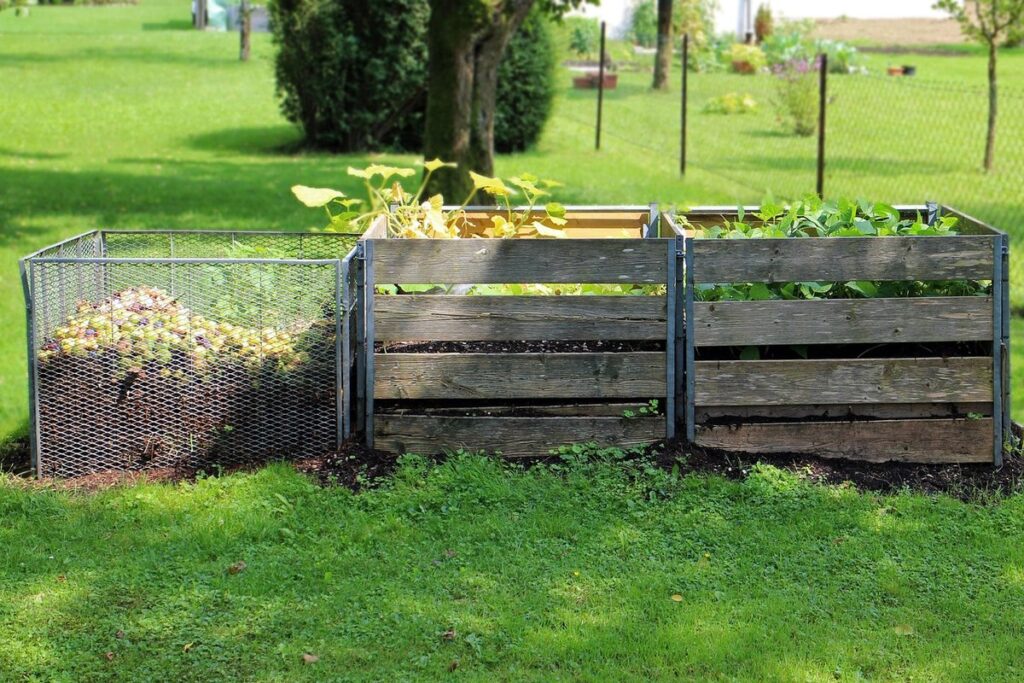
When it comes to making compost tea, having a well-built composting system is essential. To start, you’ll need to construct either a pile or a bin for your composting process. A compost bin can be made using wood pallets or wire mesh panels, and can be placed either indoors or outdoors depending on your preference.
For an outdoor setup, choose a spot that’s well-ventilated and receives partial shade. Consider building the bin close to a water source to make maintenance easier. If you prefer an indoor setup, opt for a smaller bin made from durable materials like plastic or metal. This will help maintain a consistent temperature and reduce odors.
Regardless of your choice, ensure proper drainage and airflow within the composting system. Aeration is crucial in breaking down organic matter efficiently. Add layers of “green” materials (e.g., food scraps, grass clippings) and “brown” materials (e.g., dried leaves, shredded newspaper) to the pile or bin, maintaining a mix of 2/3 brown to 1/3 green.
Regular maintenance is also necessary for efficient composting. Remove any finished compost and replace it with new organic matter every few weeks to maintain a balanced carbon-to-nitrogen ratio.
Making the Compost Tea Itself
Now that you’ve prepared your compost ingredients, it’s time to brew them together into a rich liquid fertilizer. This is where things can get a bit tricky.
Preparing Your Compost Material
Before brewing your compost tea, you’ll need to prepare your finished compost by mixing it with water. This process is crucial as it helps to extract the nutrients and microorganisms from the compost, creating a nutrient-rich liquid solution.
To do this, fill a 5-gallon bucket or container about one-quarter full with your finished compost. The ideal ratio of compost to water is 1:10, meaning for every pound of compost, you’ll need 10 pounds of water. However, you can adjust the ratio based on the type and quality of your compost.
As you mix the compost with water, make sure to stir it well to avoid any lumps or clumps forming. You can also use a drill with aeration stone or a submersible pump to aerate the mixture, promoting the release of beneficial microorganisms.
Allow the compost tea to steep for 24 hours in a cool, shaded area. This will give the microorganisms time to break down and release their nutrients into the liquid solution.
Steeping and Aeration Techniques
Steeping and aeration techniques are crucial when making compost tea. The goal is to extract the beneficial microbes from your compost material while also allowing them to multiply and become more effective.
When it comes to temperature, the ideal range for steeping is between 64°F (18°C) and 75°F (24°C). This range allows for optimal microbial activity without causing the beneficial organisms to die off. If you’re steeping at a higher temperature, be sure to aerate frequently to prevent anaerobic conditions that can harm your microbes.
Aeration is also key when making compost tea. Aim for oxygen levels between 20% and 30% by agitating or bubbling air into the liquid. This will help keep the beneficial organisms alive and active throughout the steeping process.
The steeping time should also be considered, as it directly impacts the quality of your final product. A general rule of thumb is to steep for anywhere from 24 to 48 hours, although some enthusiasts prefer shorter or longer periods depending on their specific needs. Remember to regularly monitor oxygen levels and adjust aeration accordingly to ensure optimal results.
Using and Storing Compost Tea
Now that you’ve made your compost tea, it’s essential to use and store it properly to maximize its benefits for your plants. Let’s explore how to use and store your compost tea effectively.
Applying Compost Tea to Your Plants
Once you have brewed your compost tea, it’s time to apply it to your plants. This is where the real magic happens! There are several ways to deliver the liquid gold to your garden, and we’ll explore three popular methods: foliar sprays, soil drenches, and irrigation systems.
Foliar sprays involve misting the compost tea directly onto the leaves of your plants. This method is ideal for seedlings, young plants, or those with tender shoots that need extra nourishment. Simply dip a spray bottle into the compost tea solution and gently spray the leaves until they’re coated with a fine mist. Be cautious not to overdo it, as too much can cause leaf burn.
Soil drenches, on the other hand, involve pouring the compost tea directly onto the soil surrounding your plants’ roots. This method is perfect for established plants or those with deep root systems. Pour 1-2 gallons of compost tea into the soil around the base of each plant, making sure not to overwater.
For larger gardens or commercial operations, irrigation systems can be an efficient way to deliver compost tea to multiple plants at once. You can add the liquid solution to your existing irrigation system or create a separate network specifically for compost tea application. Be sure to calibrate the dosing and timing to ensure even distribution and optimal absorption by the plants.
Storage and Shelf Life Considerations
Proper storage and shelf life consideration are crucial to maintaining the effectiveness of compost tea. Since it’s a liquid solution, you’ll need to take extra precautions to prevent spoilage and contamination.
To extend its shelf life, consider refrigerating your compost tea at a temperature below 40°F (4°C). This will significantly slow down bacterial growth and prevent the development of off-flavors or odors. If you’re unable to store it in the fridge, place the container in a shaded area with minimal exposure to direct sunlight.
Some additives can also help prolong the shelf life of compost tea. These include lemon juice or vinegar (about 1-2% acidity), which will inhibit microbial growth and preserve the beneficial microorganisms present in the solution. Always ensure that any additives you use are organic and non-toxic to maintain the safety and effectiveness of your compost tea.
For a longer-term storage, consider freezing it in ice cube trays. Frozen compost tea can be stored for up to 3-6 months, making it an excellent option for long-term applications or if you need to stockpile it for future use.
Troubleshooting Common Issues
We’ve all been there – your compost tea brew isn’t turning out as expected, and it’s frustrating to figure out what went wrong. This next part will help you identify and resolve common issues that might be sabotaging your compost tea.
Dealing with Odors and Pests
Dealing with Odors and Pests is an inevitable part of making compost tea. To maintain a healthy process, it’s essential to address these issues promptly. Odors can be caused by anaerobic conditions, high temperatures, or excessive moisture. Check the carbon-to-nitrogen ratio in your compost pile and ensure it’s within the optimal range (2:1 to 3:1). Regularly turning the pile will also help aerate it.
Pests like fruit flies, ants, and rodents are attracted to moist environments with organic matter. Keep your compost tea brewer clean and regularly sanitize it. Use a fine-mesh screen or cheesecloth to cover the brewer’s lid, preventing pests from entering. Regularly inspect your setup for any signs of infestation.
If you notice odors or pest issues, take action immediately. Add more carbon-rich materials like shredded newspaper or coconut coir to balance out the nitrogen levels. Alternatively, consider using a compost aerator or aeration tool to improve airflow within the pile.
Tips for Optimizing Your Compost Tea
When making compost tea, it’s not just about tossing some comfrey leaves and worm castings into a bucket. There are several factors that can significantly impact the quality of your brew. One crucial aspect is pH levels – ideally, you want the pH to be between 6.5 and 7.0, as this will allow the beneficial microbes to thrive.
To achieve optimal nutrient ratios, aim for a mix of 2/3 compost and 1/3 tea leaves or other plant material. This balance will provide a rich source of nutrients without overpowering the brew with too much acidity. Speaking of steeping times, you want to be careful not to overdo it – 24 hours is usually plenty, but you can steep for up to 48 hours if needed.
Be mindful of oxygen levels in your brew as well; aerate it periodically to prevent anaerobic conditions that can hinder microbial growth. Regularly testing your pH and nutrient levels will also help you refine your recipe and ensure the best results from your compost tea.
Advanced Techniques and Variations
Now that you’re comfortable making basic compost tea, let’s take your skills to the next level with advanced techniques and creative variations. We’ll explore unique brewing methods and additives to enhance its potency.
Fermenting Compost Tea
When it comes to fermenting compost tea, there are several techniques you can use to enhance microbial activity and unlock its full potential for plant health and soil structure. One popular method is the “Bokashi” technique, which involves creating a fermented environment that stimulates beneficial microorganisms to grow.
To ferment your compost tea using the Bokashi method, start by mixing it with molasses or sugar, which provides a food source for the microbes. Then, add a Bokashi starter culture, such as Effective Microorganisms (EM), and let the mixture sit for 24-48 hours. This will create a rich, nutrient-dense liquid that’s teeming with beneficial microorganisms.
Another technique is to use a “Mother” or “Scoby,” which is a layer of beneficial microbes that forms on the surface of the compost tea during fermentation. To cultivate a Mother, simply let your compost tea sit for 3-5 days before transferring it to a new container, allowing it to ferment further. This will create a rich source of microorganisms that can be used as a “tea” to inoculate soil and plants.
By incorporating these fermentation techniques into your compost tea-making process, you’ll unlock the full potential of this powerful tool for plant health and soil structure.
Making Compost Tea at Home vs. Purchasing It from a Supplier
Making compost tea at home versus purchasing it from a supplier can be a trade-off between cost and convenience. On one hand, brewing your own compost tea allows for complete control over the ingredients and quality of the final product. You can choose the type and quantity of compost, as well as any additional nutrients or microorganisms to include.
However, making your own compost tea also requires time and effort, including sourcing high-quality materials and maintaining the steeping process. This can be a significant drawback for those with busy schedules or limited access to resources. On the other hand, purchasing pre-made compost tea from a supplier can offer convenience and consistency, but often at a higher cost.
The cost of making your own compost tea can vary depending on the materials used, but it’s generally more cost-effective than buying pre-made tea. Additionally, brewing small batches at home allows for flexibility in scaling up or down as needed, whereas purchasing from a supplier may require larger quantities that go to waste if not used promptly.
Ultimately, whether to make your own compost tea or purchase it from a supplier depends on your specific needs and priorities. If you value the ability to customize your product and control costs, making your own compost tea might be the better choice. However, if convenience and consistency are more important, purchasing from a supplier could be the way to go.
Conclusion and Final Tips
Now that you’ve learned how to make compost tea, let’s review what we’ve covered and provide some final tips for getting the most out of your liquid gold.
Recap of Key Takeaways
To ensure you’ve got a solid grasp on making effective compost tea, let’s recap the key takeaways from our comprehensive guide. By now, you should have a clear understanding of what compost tea is and its numerous benefits for your plants.
Firstly, it’s essential to know that compost tea is not just about steeping compost in water; it’s about creating an optimal environment for beneficial microbes to thrive. This means using the right type and ratio of ingredients, ensuring adequate aeration, and maintaining the correct temperature.
One crucial aspect is choosing the right compost: look for one that’s rich in organic matter and has been aged for at least six months. Avoid using fresh or uncomposted materials, as these can introduce pathogens into your tea.
Proper equipment is also vital. You’ll need a large bucket with a lid, an aerator or pump, and a way to strain the liquid. A good-quality compost tea brewer can make all the difference in maintaining optimal conditions for microbe growth.
When brewing your compost tea, remember to follow the 1:10 ratio of compost to water, and aim for temperatures between 50°F and 70°F (10°C to 21°C). Regularly monitoring pH levels is also crucial to ensure they remain within a suitable range for beneficial microbes.
Finally, don’t forget to brew your compost tea regularly – ideally every week or two – to maintain optimal microbial populations. By incorporating these key takeaways into your routine, you’ll be well on your way to creating an effective compost tea that will supercharge your plants’ growth and resilience.
Frequently Asked Questions
What if I’m short on space for a compost pile or bin? Can I still make compost tea?
You can use vermicomposting or worm composting to make compost tea, even with limited space. This method uses red wiggler worms to break down food scraps and other organic matter into a nutrient-rich liquid.
How long does it take to brew compost tea, and can I leave it unattended during that time?
Typically, it takes 24-48 hours to brew compost tea, but you can steep the mixture for up to 72 hours for more potent results. You should aerate the mixture regularly to prevent anaerobic conditions.
Can I use leftover coffee or tea grounds in my compost pile to make compost tea?
While these materials are rich in nutrients, they may contain high levels of caffeine and other compounds that can harm your plants in large quantities. It’s best to stick with food scraps, leaves, and other organic matter for your compost tea.
What if I notice mold or algae growth on my compost pile? Can it still be used for making compost tea?
Mold and algae growth indicate anaerobic conditions, which can lead to the production of toxic compounds. If you notice this issue, aerate your compost pile thoroughly before using it for making compost tea.
How do I store leftover compost tea for future use, and what’s the shelf life?
You can store brewed compost tea in an airtight container in the refrigerator for up to one week or freeze it for later use. Always check the liquid for any signs of spoilage before applying it to your plants.