
If you’re looking for a fun and eco-friendly project to tackle in your backyard, consider turning old pallets into a functional compost bin. Not only is upcycling a great way to reduce waste, but it’s also an excellent way to create nutrient-rich soil for your garden without breaking the bank. A compost bin made from pallets can be a beautiful addition to your yard, and with the right design and maintenance, it’ll help you minimize your environmental footprint while growing healthier plants. In this DIY guide, we’ll walk you through the process of creating a functional compost bin using pallets, complete with design ideas and maintenance tips to keep your project thriving. Whether you’re a seasoned gardener or just starting out, our step-by-step instructions will have you composting like a pro in no time.
Planning Your Project
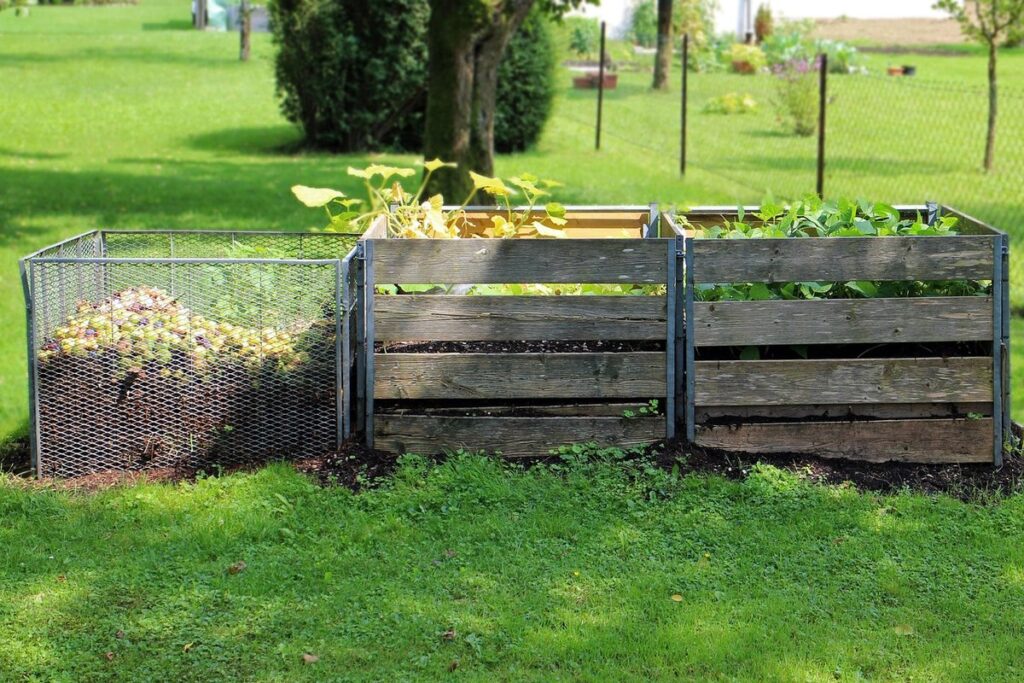
Before you start building your upcycled compost bin, take a moment to think through the logistics and plan out the details of your project. Consider space, budget, and any specific needs you have for the bin.
Gathering Materials and Tools
To build an upcycled compost bin from pallets, you’ll need to gather the right materials and tools. Start by collecting four wooden pallets that are sturdy enough to hold their shape and support the weight of your compost pile. Look for pallets with a solid bottom, as this will provide better stability for your bin.
In terms of specifications, you’ll want to aim for pallets that are at least 40 inches long, 24 inches wide, and 6-8 inches tall. This size will give you enough space to add compost materials without overcrowding the bin.
To assemble the bin, you’ll need a few basic tools: a screwdriver, a drill, and some screws or nails. You’ll also want to have some wire mesh or hardware cloth on hand to cover the bottom of the bin and keep pests out. Additionally, don’t forget to collect some wood glue and a hammer for any finishing touches.
When it comes to pallet selection, be sure to inspect each one carefully for damage or rot. A few minor scratches won’t harm anything, but significant deterioration can compromise the structural integrity of your bin.
Measuring and Cutting Pallets
When working with pallet wood, it’s essential to measure and cut each plank accurately to ensure proper fitment within your compost bin structure. Start by dismantling the pallet into individual planks, taking note of their varying lengths and widths. Measure the dimensions of your compost bin design, considering the size and shape you want to achieve.
To determine how many planks you’ll need for each section, make a rough sketch or mockup using graph paper or a digital tool. This will help you visualize the layout and identify any potential issues before cutting begins. Use a tape measure or ruler to mark the cuts on each plank with a pencil, double-checking your calculations to avoid costly mistakes.
Aim for straight, even cuts by using a circular saw or a miter saw. If you’re working with particularly rough wood, consider adding extra material around the joints for stability and structural integrity. This will help prevent any potential weaknesses in the compost bin’s design, ensuring it withstands heavy use over time.
Designing Your Compost Bin
Now that we’ve disassembled and prepared our pallets, it’s time to design your compost bin to meet your specific needs and ensure efficient decomposition of organic waste. This section will walk you through the key considerations for a functional design.
Choosing a Design Style
When it comes to designing your upcycled compost bin from pallets, one of the most critical decisions is choosing a design style that suits your needs and space constraints. There are three primary design styles to consider: vertical, horizontal, and hybrid designs.
A vertical design maximizes space by stacking pallets upright, often against a wall or fence. This style is ideal for small gardens or backyards with limited floor space. However, it may require additional support and stability measures to prevent the structure from toppling over. For example, you can use screws or nails to secure the pallets together and anchor them to the wall.
On the other hand, a horizontal design spreads out pallets across the ground, creating a wider bin that’s perfect for larger spaces or bulk composting needs. This style is often more accessible for loading materials but may take up valuable space in your garden. Consider adding a roof or covering to protect the contents from pests and the elements.
Hybrid designs combine elements of both vertical and horizontal styles, offering flexibility and adaptability. They can be customized to fit specific spaces and needs, making them an attractive option for DIY enthusiasts. When choosing a design style, consider factors such as space constraints, material availability, and your composting goals.
Incorporating Features and Accessories
When it comes to building an upcycled compost bin from pallets, incorporating features and accessories can elevate its functionality and aesthetic appeal. One essential feature is ventilation, which allows for proper airflow and prevents the buildup of anaerobic conditions that can lead to unpleasant odors. To achieve this, you can add slats or holes on one side of the bin, ensuring they’re not too large to let pests in but still allow for sufficient air circulation.
Adding doors to your compost bin is another thoughtful feature. Not only do they provide easy access for maintenance and turning the compost, but they also keep animals out. You can attach a simple latch or use hinges to create a swinging door that folds back against the bin. Handles are also essential for making it easier to turn and lift the bin.
Some accessories you might consider adding include a lid or cover, which helps contain moisture and keeps pests at bay. A thermometer is another useful feature, allowing you to monitor temperature levels within the compost pile. Other ideas include attaching a small tray or collection container under the door for collecting liquid “compost tea” – a nutrient-rich fertilizer that’s a byproduct of the composting process.
Building Your Compost Bin
Now that you have a great selection of pallets, let’s move on to building your compost bin by following these essential steps and tips.
Assembling the Frame
Start by gathering your pallet planks and boards. You’ll need 8-10 pieces for the frame, depending on the size you want to achieve. Arrange them in a square or rectangular shape, considering the depth of your bin and how it will sit against a wall.
Next, use screws or nails to attach the side panels first. Ensure they’re level and secure before moving on to the top and bottom planks. For added stability, attach corner supports between the side panels, 2-3 inches from the top and bottom edges.
Use weather-resistant wood glue to reinforce any gaps, but avoid over-tightening screws, as this can weaken the pallet wood. Check your frame’s squareness by measuring the diagonals; if they’re not equal, adjust the frame accordingly.
Finally, attach a latch or hinges to create an easily accessible lid. You can use a second pallet plank for the top, adding extra support and insulation to maintain optimal composting conditions.
Adding a Lid and Doors
When building your upcycled compost bin from pallets, adding a lid and doors is an essential step to ensure easy access to your compost pile while maintaining proper ventilation. To create the lid, start by selecting two pallets with sturdy boards that will support the weight of the lid when it’s in place. Cut four corner supports from the remaining wood, attaching them to the pallets using screws or nails. Place the lid on top and secure it with hinges, making sure they’re properly aligned for smooth operation.
For the doors, use two more pallets, cutting a slot at the bottom of each for easy entry. Attach the doors to the sides of your compost bin using hinges and latches. Make sure the doors fit snugly in their slots to prevent any gaps that might let pests or rodents into your compost pile.
To ensure proper fit and smooth operation, double-check the measurements and adjust as needed before attaching the lid and doors. Regularly inspect the connections for any signs of wear or damage, tightening screws or replacing latches if necessary.
Finishing Touches
Now that you’ve assembled and prepared your pallet compost bin, it’s time to add the finishing touches to make it functional and secure. This includes adding a lid and any other hardware details.
Sealing and Waterproofing
To protect your compost bin and maintain its effectiveness, sealing and waterproofing are crucial steps. You can use paint to coat the pallets, but make sure it’s specifically designed for outdoor use and won’t harm plants. Another option is applying a water-resistant sealant, such as a polyurethane-based or silicone-based coating.
You can also opt for natural coatings like linseed oil or beeswax, which are safer for your garden. However, keep in mind that these alternatives might require more frequent reapplication.
Before sealing the bin, ensure it’s clean and dry to prevent any residue from affecting the sealant. Always follow the manufacturer’s instructions when using commercial products. If you’re using natural coatings, apply them according to the recommended dilution ratio.
To add an extra layer of protection against pests, consider adding a mesh screen or hardware cloth over the top and sides of the bin. This will prevent rodents from accessing your compost pile while allowing for air circulation.
Adding Decorative Elements
Now that you’ve built and assembled your upcycled compost bin from pallets, it’s time to add some finishing touches to make it visually appealing. A fresh coat of finish can completely transform the look of your bin, and there are many options to choose from.
Consider applying a non-toxic, water-based stain or sealant that will protect the wood while adding color and texture. You could also opt for a clear coat of polyurethane to maintain the natural beauty of the pallets. Make sure to follow the manufacturer’s instructions for application and drying times to ensure a smooth finish.
To take your bin to the next level, add some decorative trim or molding around the edges or lid. This can be made from reclaimed wood, metal, or even repurposed items like old pallet parts. Get creative and think outside the box – you could use a wooden dowel to create a unique handle or attach a few decorative screws for added flair.
Remember, this is your chance to put your personal stamp on the project, so don’t be afraid to experiment and try out new ideas!
Maintenance and Tips
To keep your upcycled compost bin functioning at its best, we’ll cover essential maintenance tasks and valuable tips to ensure a healthy and thriving ecosystem. Regular upkeep is key!
Composting Best Practices
Maintaining optimal composting conditions within your upcycled pallet bin is crucial for producing high-quality compost. To ensure this, it’s essential to monitor the temperature, control moisture levels, and maintain a balanced carbon-to-nitrogen ratio.
Temperature monitoring is key, as it indicates microbial activity. Check the temperature daily by inserting a thermometer into the pile. Aim for temperatures between 130°F to 140°F (54°C to 60°C), which indicate optimal decomposition. If temperatures exceed 160°F (71°C), it may be a sign of anaerobic conditions and potential pathogen growth.
Moisture control is also vital, as excessive dryness can slow down the process while excess moisture can lead to anaerobic conditions. Aim for a mix of “as-is” materials with some added water to maintain a consistency similar to a damp sponge.
Maintaining a balanced carbon-to-nitrogen ratio (C:N) is another critical factor. A general rule of thumb is to aim for 2/3 “brown” materials (dry leaves, shredded newspaper) and 1/3 “green” materials (food scraps, grass clippings). This balance promotes healthy microbial growth and minimizes odors.
Regular turning of the pile helps ensure even decomposition and prevents matting. By following these guidelines, you’ll be well on your way to creating nutrient-rich compost from your upcycled pallet bin.
Troubleshooting Common Issues
When using your upcycled compost bin, you may encounter some common issues that need to be addressed promptly. One of the most significant concerns is pests, such as rodents, raccoons, and ants, that might be attracted to the organic matter. To prevent this, make sure to seal all gaps and holes in the pallets using a tight-fitting lid or hardware cloth. You can also add a 1-2 inch layer of diatomaceous earth at the bottom of the bin, which will deter pests without harming them.
Another issue you might face is unpleasant odors. To minimize this, ensure that your compost bin has good airflow by drilling holes in the sides and bottom for oxygen circulation. You can also add a 1/4 cup of white vinegar to the pile every week to balance out the pH levels and reduce odor-causing bacteria.
Clogging is another common problem, especially if you’re adding a lot of food scraps or yard waste. To prevent this, maintain a mix of ‘green’ materials (food scraps, grass clippings) with ‘brown’ materials (dried leaves, shredded newspaper). Aim for a ratio of 2/3 brown to 1/3 green to ensure the compost breaks down efficiently and doesn’t become too wet or soggy.
Conclusion
Now that you’ve built and assembled your upcycled compost bin, let’s review what we’ve covered so far to ensure a thriving garden.
Recap of Key Takeaways
Now that you’ve successfully created your upcycled compost bin from pallets, let’s recap the key takeaways to ensure you get the most out of this DIY project.
To start, remember that a crucial aspect is choosing the right pallets for the job – look for ones with sturdy bases and smooth surfaces to prevent pests and moisture issues. Additionally, it’s essential to prepare your materials by cleaning and disassembling them before assembling your bin.
During construction, don’t forget to leave space at the bottom for drainage, as this will help maintain airflow and speed up decomposition. You should also secure your pallets together using screws or nails to prevent them from toppling over in the wind.
Lastly, be sure to position your compost bin in a spot with good sunlight and adequate ventilation – this will encourage healthy microbial growth and minimize odors. By following these key takeaways, you’ll be well on your way to creating a thriving upcycled compost bin that will help reduce waste in your community.
Encouragement and Inspiration
As you’ve successfully completed this DIY project and now have a functional upcycled compost bin from pallets, we’d love to see what you’ve created! Please share photos of your finished project with us on social media using a specific hashtag. This will not only inspire others but also serve as a great example of the possibilities of repurposing materials.
Repurposing materials like pallets for a compost bin is not just about creating something functional; it’s also an eco-friendly way to reduce waste and contribute to a more sustainable environment. By giving old pallets new life, you’re helping to minimize the amount of waste sent to landfills and conserving natural resources.
To encourage others to follow in your footsteps, consider sharing tips on how you achieved specific details or overcame any challenges that arose during the project. This will not only inspire but also provide valuable advice for future DIY enthusiasts.
Frequently Asked Questions
What if I have a small yard or limited space for my compost bin?
Consider building a vertical pallet compost bin, which can be a great space-saving solution while still providing ample room for your compost pile to break down.
Can I use treated pallets for my compost bin, and are they safe for my garden?
No, it’s not recommended to use treated pallets for your compost bin as the chemicals can leach into the soil. Instead, opt for untreated or reclaimed pallets that have been thoroughly cleaned and sanitized before using them in your project.
How do I prevent pests and rodents from accessing my compost bin?
To deter pests and rodents, make sure to secure all doors and lids tightly, use a tight-fitting lid, and consider adding a layer of mesh or hardware cloth around the edges of the bin. You can also try placing the bin on a concrete slab or raised platform.
Can I add a roof or shade over my compost bin to protect it from rain?
Yes, you can definitely add a roof or shade structure over your compost bin to protect it from excessive rain and direct sunlight. This can be as simple as attaching a piece of plywood or corrugated metal on top, or creating a more elaborate shade system using pallets and other materials.
How do I maintain the aesthetic appeal of my upcycled pallet compost bin?
To keep your pallet compost bin looking its best, regularly inspect and repair any damage to the wood, and consider adding decorative elements such as plants, flowers, or metal accents around the edges.