
If you’re one of the millions of gardeners who’ve fallen in love with the beauty and elegance of magnolia trees, you know how rewarding it can be to care for these stunning plants. But, as lovely as they are, magnolias require a bit more TLC than your average tree or shrub. From choosing the right variety for your climate and soil type, to troubleshooting common issues like yellowing leaves and pests, taking good care of your magnolia is crucial if you want to enjoy its gorgeous blooms year after year. In this article, we’ll dive into the essential tips and tricks of magnolia tree care, covering everything from watering and fertilizing, to pruning and pest management – so whether you’re a seasoned pro or just starting out, keep reading for expert advice on growing healthy, thriving magnolias that bring joy to your garden.
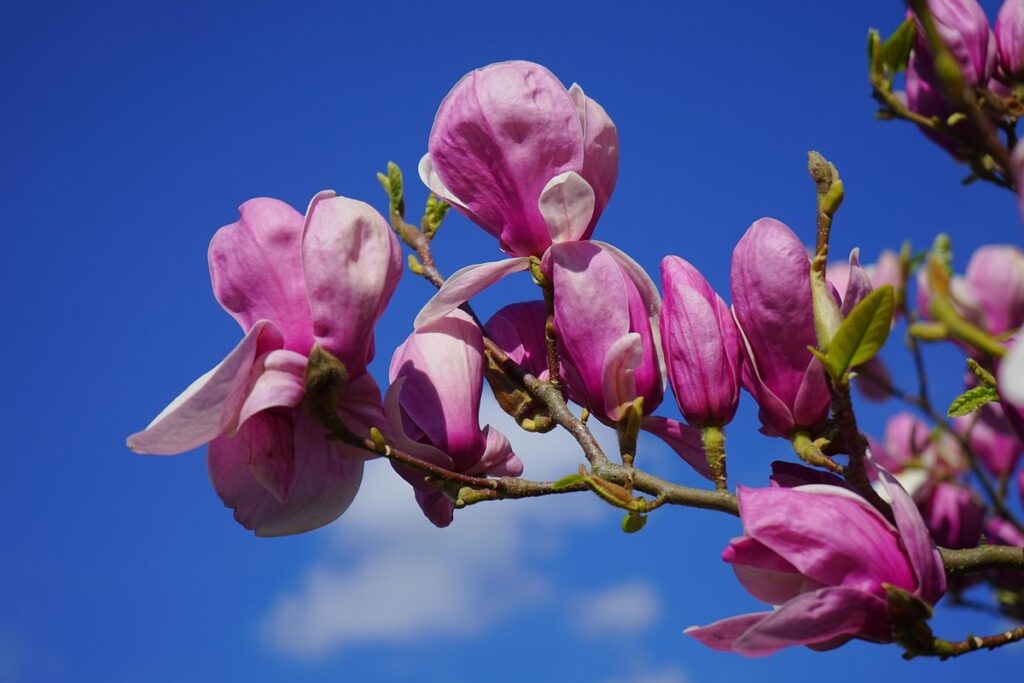
Choosing the Right Magnolia Variety
When selecting a magnolia tree for your yard, it’s essential to choose a variety that thrives in your local climate and meets your desired growth characteristics. With dozens of species to pick from, making this decision can be overwhelming at first.
Understanding Magnolia Types
When choosing the right magnolia variety for your garden, it’s essential to understand the different types of magnolias available. There are primarily three main categories: deciduous, evergreen, and hybrids.
Deciduous magnolias shed their leaves seasonally, typically during autumn, while evergreen varieties retain their foliage year-round. These two types have distinct growth habits, with deciduous magnolias often having a more upright habit and evergreen varieties spreading wider. Deciduous magnolias generally prefer cooler climates and are less tolerant of extreme temperatures.
Hybrid magnolias combine the best traits from both deciduous and evergreen species, offering improved cold hardiness and disease resistance. They often feature stunning blooms in shades of pink, white, or purple. When selecting a magnolia variety, consider your local climate, available space, and desired bloom time. For example, if you live in USDA Hardiness Zone 5, look for deciduous varieties like ‘Jane’ or ‘Butterflies’, which can thrive in cooler temperatures.
Evergreen hybrids like ‘ Galaxy’ or ‘Black Beauty’ offer year-round interest and are suitable for warmer climates. By understanding these unique characteristics, you can make an informed decision when selecting the perfect magnolia tree for your garden’s specific needs.
Factors to Consider When Selecting a Magnolia
When selecting a magnolia variety, it’s essential to consider several key factors to ensure that you choose a tree that thrives in your specific environment. First and foremost, think about the available space. Consider not only the mature size of the tree but also its root system. Some magnolias can grow quite large and may require more space than others.
Next, evaluate the sunlight requirements for the tree. Most magnolias prefer full sun to partial shade, but some varieties are more tolerant of shade than others. Research the specific light needs of your desired variety to ensure it will perform well in its intended location. Soil type is also crucial, as some magnolias prefer acidic soil while others can tolerate a wider pH range.
Finally, consider the maintenance requirements for your chosen tree. Some magnolias require regular pruning and fertilization, while others are more low-maintenance. Think about your long-term commitment to caring for the tree before making a final decision. By carefully weighing these factors, you’ll be able to choose a magnolia variety that meets both your needs and its own requirements.
Planting a Magnolia Tree
When planting a magnolia tree, choosing the right location is crucial for its health and growth. Select a spot that provides full sun to partial shade and well-draining soil.
Preparing the Planting Site
Before planting your magnolia tree, it’s essential to prepare the site properly. This involves clearing the area of any debris, weeds, or obstructions that could compete with the tree for water and nutrients.
Start by removing any existing plants, grass, or weeds within a 3-foot radius of where you’ll be planting the tree. Use a shovel or a garden fork to gently dig up the roots without causing damage to nearby structures or underground utilities. Be sure to check for any hidden cables, pipes, or wires before digging.
Next, test the pH level of your soil to ensure it’s suitable for magnolia trees. Most magnolias prefer slightly acidic to neutral soil (pH 6.0-7.0). If your soil is too alkaline, you may need to add sulfur or peat moss to lower the pH. You can purchase a DIY soil testing kit or consult with a local nursery or gardening expert for guidance.
Remember to also check for any nearby underground utilities and mark their locations to avoid damaging them during planting. With careful planning and preparation, your magnolia tree will have a strong foundation for healthy growth and development.
Digging and Planting the Tree
When it’s time to plant your magnolia tree, proper digging and handling techniques are crucial for its establishment. Start by selecting a location with well-draining soil that receives partial shade to full sun, depending on the specific variety of magnolia you’ve chosen.
To dig the hole, measure out a diameter two to three times wider than the root ball of the tree. The depth should be about one-third to one-half the height of the root ball. Use a shovel to gently loosen the soil in this area, taking care not to damage any nearby roots or utilities.
When handling the magnolia’s roots, take extra caution: gently spread out and untangle them, if necessary, to prevent circling or pinching. Avoid digging up the entire root system; instead, encourage a wider spread by loosening soil around the edges of the hole.
Fill in the hole with a mix of native soil and organic matter, such as compost or well-rotted manure. Water thoroughly to settle the soil and provide adequate moisture for establishment.
Watering and Irrigation
When it comes to keeping your magnolia tree healthy, proper watering and irrigation are crucial. In this next part of our comprehensive guide, we’ll cover everything you need to know.
Understanding Magnolia Water Needs
When it comes to watering your magnolia tree, understanding its specific needs is crucial for optimal growth and health. Magnolias require consistent moisture, especially during their first year of establishment. A general rule of thumb is to water them deeply once or twice a week, depending on weather conditions.
However, the frequency may vary depending on factors such as soil type, climate, and tree size. Sandy soils tend to dry out faster than clay soils, so adjust your watering schedule accordingly. In hot and dry climates, magnolias may require more frequent watering, while in cooler, wetter areas, they may need less.
For optimal results, use a drip irrigation system or soaker hose to deliver water directly to the roots, reducing evaporation and runoff. Avoid overhead sprinklers, as they can cause unnecessary moisture loss. A good indicator of proper watering is checking the soil’s moisture level by inserting your finger into the soil up to the knuckle. If it feels dry, it’s time for another round of watering. Be mindful not to overwater, as this can lead to root rot and other issues.
Common Mistakes to Avoid When Watering Your Magnolia
When watering your magnolia tree, it’s easy to fall into common mistakes that can harm its health. One of the most significant errors is overwatering, which can lead to root rot and kill the tree. Magnolias prefer well-draining soil, so ensure that you don’t water too frequently or for too long.
Another mistake is watering during the hottest part of the day, when the sun’s intense heat causes water to evaporate rapidly from the leaves. This can cause stress to the tree and lead to scorching or burning. It’s best to water your magnolia in the early morning or evening when the temperature cools down.
Additionally, avoid getting water on the leaves or flowers, as this can encourage fungal growth and disease. Instead, focus on watering the root zone by placing the hose at the base of the tree and allowing it to soak slowly into the soil. This approach will help prevent overwatering and ensure your magnolia receives the right amount of moisture.
By being mindful of these common mistakes, you’ll be able to provide your magnolia with the proper care it needs to thrive.
Fertilizing and Pruning
To keep your magnolia tree healthy and thriving, fertilization and pruning are essential steps that require attention at different times of the year. Learn when to do each and how to do it correctly here.
Nutrient Requirements for Magnolias
When it comes to providing optimal nutrition for your magnolias, understanding their nutrient requirements is crucial. These stunning trees thrive on a balanced diet of essential macronutrients and micronutrients. Let’s dive into the specifics.
Nitrogen (N) is a primary requirement for magnolias, especially during the growing season. This element promotes healthy foliage growth, so aim to provide 10-15 pounds of nitrogen per year. Phosphorus (P), on the other hand, supports root development and flower production. A balanced fertilizer with a phosphorus content around 5-7% will suffice. Potassium (K) helps with overall plant health, resistance to disease, and water balance – look for a fertilizer with a potassium content of around 10-15%.
To provide these nutrients, choose a high-quality fertilizer specifically formulated for acid-loving plants like magnolias. A balanced fertilizer with an N-P-K ratio of 10-10-10 or 20-5-10 can be used during the growing season (spring-fall). During winter months when the tree is dormant, reduce fertilization to half-strength to avoid excessive nitrogen buildup.
In addition to these essential macronutrients, micronutrients like iron, zinc, and magnesium are also vital for optimal magnolia health. Regular soil testing will help determine if any micronutrient deficiencies exist. Addressing these nutrient gaps through targeted fertilizers or supplements can make all the difference in maintaining your magnolias’ beauty and vigor.
When selecting a fertilizer, consider both organic (e.g., fish emulsion) and synthetic options, weighing their pros and cons according to your specific needs and preferences.
The Importance of Regular Pruning for Healthy Growth
Regular pruning is an essential part of maintaining a healthy and thriving magnolia tree. It’s not just about aesthetics; pruning plays a crucial role in promoting the overall health and growth of your tree. Just like how humans need regular check-ups with their doctor, magnolias need regular “check-ins” from you to ensure they’re growing as they should.
Pruning helps control the shape and size of your tree, which is particularly important for magnolias that can grow quite large. By pruning strategically, you can direct the tree’s energy towards producing more blooms or maintaining a balanced canopy. This is especially important in areas with limited space, where a larger tree can become too overwhelming.
When to prune matters. The best time to prune magnolias is during their dormant season, usually between late winter and early spring. Prune just before new growth begins, as this allows the tree to heal quickly from any wounds. Be sure to remove no more than 25% of the canopy at a time, as over-pruning can stress the tree. By pruning regularly, you’ll enjoy healthier, more vibrant blooms for years to come.
Pest and Disease Management
To keep your magnolia tree thriving, it’s essential to stay on top of pest and disease management, which can be prevented through regular monitoring and proper care. This involves knowing what common threats to look out for.
Common Pests Affecting Magnolias
Magnolias can be susceptible to various pests that can cause damage and reduce their beauty. Scale, aphids, and spider mites are common pests affecting magnolias. Scale insects, such as armored scale and soft scale, secrete a sticky substance called honeydew that attracts ants and promotes the growth of sooty mold. They can be controlled with insecticidal soap or horticultural oil applied during the dormant season.
Aphids, on the other hand, are small, soft-bodied insects that feed on sap, causing curled or distorted leaves. They multiply quickly, and a single infestation can lead to severe damage. To control aphid populations, introduce natural predators like ladybugs or lacewings to your garden, or spray with insecticidal soap or neem oil.
Spider mites are tiny, spider-like arachnids that feed on plant sap, causing yellowing leaves and fine webbing. They thrive in dry conditions, making it essential to maintain adequate moisture levels around your magnolia tree. Regularly inspect your tree for signs of infestation and use a miticide if necessary.
To prevent pest infestations, practice good garden hygiene by removing weeds, debris, and infested branches. Monitor your trees regularly, and address any issues promptly. Additionally, maintain a balanced ecosystem in your garden by introducing beneficial insects and plants that repel pests.
Identifying and Managing Diseases in Your Magnolia
As a magnolia tree owner, it’s essential to be aware of common diseases that can affect your tree and take prompt action if you notice any symptoms. One of the most prevalent diseases affecting magnolias is root rot caused by Phytophthora fungus. This disease thrives in moist environments and can lead to yellowing leaves, droopy branches, and a general decline in tree health.
To identify root rot, look for soft, discolored roots or a sour smell when digging near the base of your magnolia. Regularly inspect your tree’s soil for waterlogging and consider installing proper drainage systems if you live in an area with heavy rainfall.
Another common issue is powdery mildew, a fungal disease that creates a white, powdery coating on leaves and stems. To manage this problem, make sure to provide good air circulation around your magnolia by pruning nearby plants or trees. Apply fungicides according to the product’s instructions for optimal results.
Prevention is key when it comes to maintaining healthy trees. Regularly inspect your tree for signs of disease, keep an eye on weather conditions that might exacerbate fungal growth, and adopt a balanced watering schedule to prevent overwatering.
Seasonal Care and Maintenance
To keep your magnolia tree healthy and thriving, it’s essential to know how to care for it during different seasons of the year. This includes pruning, watering, and protecting against pests and diseases.
Spring Care: Fertilizing and Pruning After Dormancy
As your magnolia tree begins to emerge from its winter dormancy, it’s essential to provide it with the right nutrients and prune any dead or damaged branches. Fertilizing at this stage will give your tree a boost of energy to produce new growth and flowers.
Fertilizers specifically formulated for trees are ideal, as they contain the necessary macro- and micronutrients for optimal growth. When choosing a fertilizer, look for one with a balanced N-P-K ratio (nitrogen-phosphorus-potassium) of 10-10-10 or 20-5-10.
Pruning is another critical aspect of spring care. Remove any dead, diseased, or damaged branches to prevent the spread of disease and encourage healthy growth. Cut back any frost-damaged branches, but avoid removing more than one-third of the tree’s canopy in a single season. This will help maintain your magnolia’s natural shape and promote new blooms.
Timing is crucial when pruning; it’s best to prune immediately after blooming, as this minimizes the risk of stimulating new growth that may not have time to harden off before winter. By fertilizing and pruning your magnolia tree at the right times, you’ll be giving it the best chance to thrive throughout the growing season.
Summer Care: Watering and Mulching for Healthy Growth
During the hot summer months, it’s essential to ensure your magnolia tree receives adequate water and nutrients for healthy growth. One of the most effective ways to retain moisture is through mulching around the base of the tree. Organic mulch options like wood chips or bark help suppress weed growth, regulate soil temperature, and prevent evaporation.
When selecting a mulch type, consider the color you prefer – dark-colored mulches can warm up the soil quickly, while light-colored ones may keep it cooler. To apply mulch effectively:
* Maintain a 2- to 3-inch depth around the tree’s drip line.
* Keep the mulch at least 6 inches away from the trunk to prevent rotting.
* Replenish the mulch as needed, ideally after heavy rainfall or during periods of drought.
In addition to mulching, be mindful of your magnolia tree’s watering needs. Water deeply once or twice a week during hot summer months, taking care not to overwater, which can lead to root rot. Avoid frequent shallow waterings that may only encourage weak growth.
Troubleshooting Common Issues
We’ve all been there: a dead leaf, a wilted branch, or a pest infestation can be frustrating for any magnolia tree owner. This section tackles common problems and offers practical solutions to get your tree back on track.
Identifying and Resolving Common Magnolia Problems
Identifying and resolving common magnolia problems can be a challenging but rewarding experience for tree owners. One of the most common issues faced by magnolia enthusiasts is yellowing leaves, often caused by overwatering or nutrient deficiencies. To troubleshoot this issue, inspect the soil moisture levels by inserting your finger into the soil up to 2-3 inches deep. If the soil feels wet, reduce watering for a while.
Another problem that may arise is dropping flowers, which can be due to poor air circulation or excessive heat. Ensure that there’s adequate space around the tree for air to circulate and consider providing some afternoon shade during hot summer months.
Uneven growth can also occur if the tree is not receiving sufficient nutrients. Have your soil tested and amend it with organic matter like compost if necessary. Prune any crossing branches to promote even growth patterns. By addressing these common issues, you’ll be well on your way to enjoying a healthy, thriving magnolia tree.
How to Deal with Common Pests and Diseases
As you care for your magnolia tree, it’s inevitable to encounter common pests and diseases that can harm its health. These issues can be caused by a variety of factors, including climate change, poor soil conditions, and lack of proper maintenance.
Some of the most common pests affecting magnolia trees include aphids, spider mites, and scales. To deal with these pests, inspect your tree regularly for signs of infestation, such as sticky sap, curled or distorted leaves, or actual insects on the branches. Use a garden hose to wash off any visible pests, and consider using insecticidal soap or horticultural oil to control more severe infestations.
Common diseases affecting magnolia trees include root rot, leaf spot, and powdery mildew. To prevent these diseases, ensure your tree receives adequate watering and drainage, as excess moisture can contribute to their development. Fungal diseases like root rot often require systemic fungicides for treatment. For bacterial diseases such as bacterial leaf spot, copper-based bactericides are effective.
Keep in mind that prevention is the best approach to managing pests and diseases. Regularly inspect your tree’s health, maintain good gardening practices, and take action promptly when signs of issues appear.
Frequently Asked Questions
How often should I water my newly planted magnolia tree?
Water your newly planted magnolia tree regularly, but avoid overwatering. Check the soil moisture daily during its first year, and adjust your watering schedule accordingly. As a general rule of thumb, water deeply once or twice a week for the first year, then gradually reduce frequency as the tree matures.
Can I plant multiple magnolias together to create a hedge?
Yes, you can plant multiple magnolias together to create a stunning hedge. However, ensure you choose varieties with similar growth habits and space them at least 15-20 feet apart for proper air circulation and sunlight penetration. This will also help prevent the spread of diseases.
How do I know if my magnolia tree needs pruning?
Check your magnolia tree’s overall shape, size, and branch health to determine if it needs pruning. Remove any dead, diseased, or damaged branches in the dormant season (winter or early spring) to promote healthy growth and prevent pests from taking over.
What are some common signs of pest infestation on my magnolia tree?
Common signs of pest infestation include yellowing leaves, white powdery patches, holes in leaves, or sticky substances on plant surfaces. Inspect your magnolia regularly for these symptoms and treat promptly with organic or chemical methods as needed to prevent further damage.
Can I fertilize my magnolia tree during the growing season?
Yes, you can fertilize your magnolia tree during the growing season (spring and summer), but avoid overfertilizing. Apply a balanced fertilizer in early spring or summer, following the manufacturer’s instructions for application rates and timing to promote healthy growth and flowering without burning your tree’s roots.