
Starting your own magnolia tree from seeds can be an incredibly rewarding experience, but it requires careful planning and attention to detail. If you’re new to gardening or looking for a challenge, growing magnolias from seed can be a great way to connect with nature and develop your green thumb. However, the process can also be intimidating, especially when faced with common challenges like low germination rates or struggling seedlings. In this comprehensive guide, we’ll walk you through the essential steps of successfully planting, caring for, and overcoming obstacles when growing magnolia trees from seeds. From collecting high-quality seeds to preparing the perfect soil conditions, we’ll provide expert advice on every aspect of magnolia seed cultivation, giving you the confidence and knowledge you need to succeed.
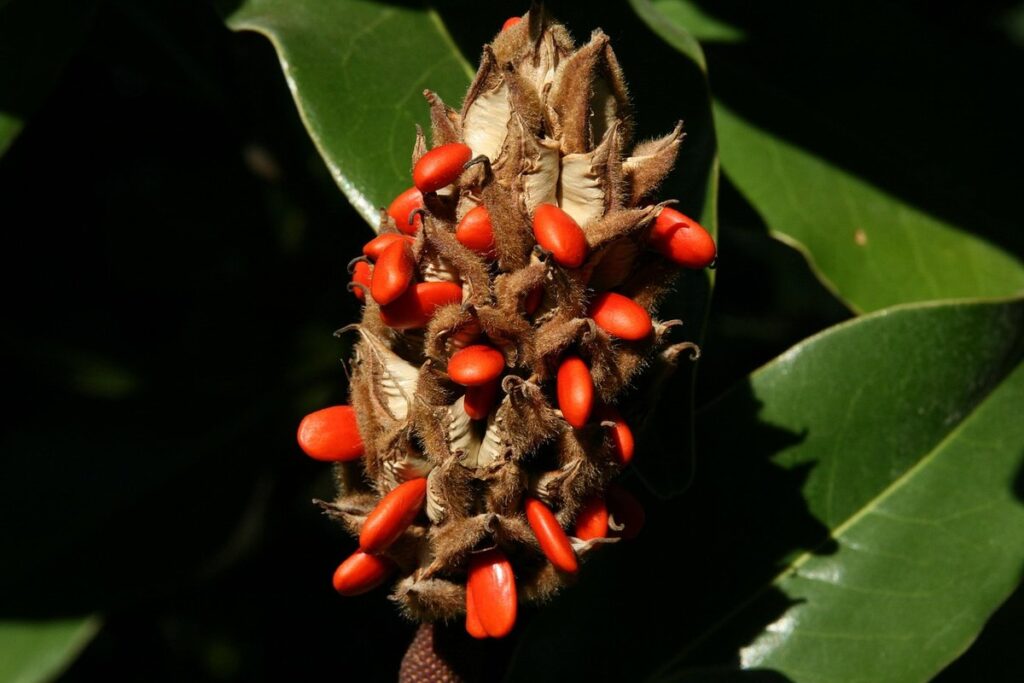
What are Magnolia Seeds?
When it comes to magnolia seeds, understanding what they are and how they’re formed is essential for successful planting and care. Let’s explore where these tiny seeds come from.
Characteristics of Magnolia Trees
Magnolia trees are known for their stunning beauty and distinctive characteristics. When considering planting magnolia seeds, it’s essential to understand what these trees look like and how they grow. Typically, magnolias have large, glossy leaves that are dark green in color, measuring anywhere from 4 to 24 inches long. The tree’s bark is often gray or brown, with prominent ridges and furrows.
One of the most notable features of magnolia trees is their show-stopping flowers. These trees produce huge, fragrant blooms that can reach up to 12 inches in diameter. Depending on the species, the flowers may be white, pink, purple, or even bi-colored. Some popular varieties include the ‘Jane’, which produces vibrant yellow flowers, and the ‘Butterfly’, known for its stunning purple blooms.
In terms of growth habits, magnolia trees can range from compact dwarf varieties that grow only 6-8 feet tall to towering trees that reach heights of over 80 feet. They often have a broad, rounded canopy with a straight trunk and horizontal branches. When selecting a magnolia tree to plant from seed, it’s crucial to consider the mature size of the tree to ensure it fits your available space.
Types of Magnolia Trees that Produce Viable Seeds
When it comes to magnolia trees that produce viable seeds, there are several species worth mentioning. The Southern magnolia (Magnolia grandiflora) is one of the most popular varieties, known for its stunning white blooms and glossy evergreen leaves. This tree produces abundant seeds in the fall, which can be harvested and used for planting or propagation.
Another variety that produces seeds is the Sweetbay magnolia (Magnolia virginiana), a smaller tree with fragrant bay-scented leaves and white flowers. Its seed pods are relatively small compared to other magnolias, but they’re still viable for planting. The Ashe magnolia (Magnolia ashei) also produces seeds, although in smaller quantities than the Southern or Sweetbay varieties.
When selecting magnolia trees that produce viable seeds, consider factors like climate, soil type, and growth habits. Some species may thrive better in certain regions or environments, so it’s essential to research your specific area before choosing a tree for seed production.
Collecting and Storing Magnolia Seeds
Collecting magnolia seeds requires patience, but with the right techniques, you’ll be able to successfully store them for future planting. This section will walk you through the process of collecting and storing these delicate seeds.
When to Harvest Magnolia Seeds for Best Results
When it comes to harvesting magnolia seeds, timing is crucial for optimal results. The ideal time to collect magnolia seeds depends on several factors, including the tree’s maturity and seed development stage.
Typically, mature magnolia trees produce cones during late summer or early fall. These cones contain the seeds, which are usually ready to harvest around 6-8 weeks after they turn brown and open. However, it’s essential to wait until the seeds are fully ripe, as this ensures maximum viability and germination rates.
A general rule of thumb is to collect magnolia seeds in late winter or early spring, when the cones have fallen off the tree and the seeds can be easily accessed. This timing allows for a period of dormancy, which is necessary for seed stratification. In colder climates, it’s best to harvest seeds after the first frost, as this signals the start of the dormant period.
Keep in mind that premature harvesting can lead to low germination rates or even failure. It’s better to err on the side of caution and wait a bit longer, rather than risk sacrificing your seed potential. By paying attention to these timing cues, you’ll be well on your way to successfully collecting magnolia seeds for planting.
How to Dry and Store Magnolia Seeds Properly
Drying magnolia seeds is a crucial step to maintain their viability and ensure successful germination. To dry your seeds, start by collecting them from the fruit capsule when it’s fully ripe and has split open naturally. Gently remove the seeds from the capsule, taking care not to damage them.
Next, spread the seeds out in a single layer on paper towels or newspaper. This will help to speed up the drying process by increasing air circulation around each seed. Place the seeds in a warm, dry location with good airflow, such as a sunny windowsill or a drying room. It may take 7-10 days for the seeds to dry completely.
Once your seeds are dry, store them in an airtight container filled with a desiccant material like silica gel or uncooked rice. Store the container in a cool, dark place at temperatures between 40°F and 50°F (4°C and 10°C). This will help to preserve the seed’s viability for future planting.
Preparing the Seed Bed for Planting
To successfully plant magnolia seeds, you’ll need to prepare a seed bed that’s just right for germination. This is where understanding optimal soil conditions comes into play.
Choosing the Right Soil Mix for Magnolia Seeds
When it comes to choosing the right soil mix for magnolia seedlings, you want to create an environment that supports healthy growth and development. A good soil mix should have several essential components.
First, consider the pH level of your soil. Magnolias prefer a slightly acidic to neutral soil pH, ranging from 5.5 to 7.0. If your soil is too alkaline or acidic, it can hinder seedling growth. To achieve the ideal pH, you may need to add organic matter such as peat moss or compost.
In terms of nutrient requirements, magnolia seedlings benefit from a balanced mix that includes nitrogen (N), phosphorus (P), and potassium (K). A general-purpose potting mix will suffice for most cases. However, if your soil is lacking in nutrients, consider adding a fertilizer specifically formulated for flowering plants or trees.
Some key ingredients to look for in a magnolia-friendly soil mix include perlite or vermiculite for improved drainage, organic matter like compost or worm castings for nutrient-rich humus, and well-rotted bark chips to help retain moisture.
Tips for Sowing Magnolia Seeds: Depth, Spacing, and Covering
When sowing magnolia seeds, it’s crucial to get the depth, spacing, and soil moisture just right. Start by creating a seed bed with well-draining soil, rich in organic matter. This will provide the perfect environment for your magnolia seeds to germinate.
For depth, plant the seeds about 1/4 inch deep, or roughly the same depth as the seed’s thickness. Sow them about 6-8 inches apart, allowing for proper growth and spacing. Be careful not to overcrowd the bed, as this can lead to reduced air circulation and increased disease susceptibility.
To maintain optimal soil moisture, keep the seed bed consistently moist but not waterlogged. You can achieve this by providing about 1 inch of water per week, either through rainfall or irrigation. Mulching around the seeds will also help retain moisture while preventing weeds from taking over. By following these guidelines, you’ll be well on your way to successfully sowing magnolia seeds and setting them up for a healthy start in life.
Aftercare and Maintenance of Young Magnolia Seedlings
Now that your young magnolia seedlings are safely planted, it’s time to focus on their aftercare and maintenance to ensure they grow strong and healthy. This section covers essential tips for nurturing them into thriving trees.
Watering and Fertilization Techniques for Young Magnolias
When it comes to watering young magnolia seedlings, consistency is key. Seedlings need adequate moisture, especially during their first year of growth. Water them when the top inch of soil feels dry to the touch, and avoid overwatering, which can lead to root rot. A general rule of thumb is to water your seedling once or twice a week, depending on weather conditions.
Fertilization is also crucial for young magnolias. Start with a balanced fertilizer (10-10-10) in early spring when new growth begins. Follow the manufacturer’s instructions for application rates and frequency. As the tree grows, switch to a fertilizer high in phosphorus (15-30-15), which promotes root development.
Keep in mind that young magnolias have shallow roots and are sensitive to over-fertilization. Avoid using high-nitrogen fertilizers, as they can promote weak growth and make the tree more susceptible to disease. Instead, opt for organic or slow-release fertilizers that provide a steady supply of nutrients.
Pruning and Training Techniques for Healthy Growth
Pruning and training techniques are essential to promote healthy growth, shape the tree, and encourage flowering. For young magnolia seedlings, pruning helps control their height, encourages a strong root system, and directs energy towards producing branches and flowers.
When pruning, focus on removing dead, diseased, or damaged branches to prevent the spread of disease and maintain the tree’s overall health. Thin out select branches to allow for air circulation and sunlight penetration, which promotes healthy growth and reduces the risk of fungal diseases.
Training techniques can be used to shape the tree into a desired form. For magnolias, it’s common to train them as a single stem or central leader system. This involves selecting one main branch and pruning off competing stems, promoting a balanced canopy and uniform growth.
Some key tips for training young magnolia seedlings include:
* Providing support with stakes or trellises until the tree is stable
* Pruning regularly during the first few years to maintain shape and control height
* Removing suckers (shoots growing from the base of the trunk) to direct energy towards the main stem
Overcoming Common Challenges in Growing Magnolia Trees from Seeds
Growing magnolia trees from seeds can be a rewarding experience, but it’s not without its challenges. Let’s tackle some of the most common obstacles and find solutions to overcome them effectively.
Dealing with Low Germination Rates or Seedling Mortality
Growing magnolia trees from seeds can be a rewarding experience, but it’s not without its challenges. One common issue that many growers face is low germination rates or seedling mortality. This can be frustrating and disheartening, especially after investing time and effort into preparing the seeds.
Firstly, let’s address the issue of low germination rates. This could be due to a variety of factors such as old or poor-quality seeds, inadequate water or temperature conditions, or insufficient light. To troubleshoot this, check the age and viability of your seeds before planting. Ensure that the soil is consistently moist but not waterlogged, and provide adequate temperatures between 65-75°F (18-24°C) for germination.
For seedling mortality, common causes include overwatering, underwatering, or exposure to extreme temperatures. To prevent this, monitor your seedlings closely and adjust watering schedules as needed. Keep the soil consistently moist but not waterlogged, and provide adequate light protection from intense sunlight.
To boost chances of success, it’s essential to maintain optimal growing conditions for your magnolia seeds. This includes providing adequate humidity, using a well-draining potting mix, and avoiding over-handling or transplanting stress.
Managing Pests and Diseases that Affect Magnolias
As you nurture your magnolia seedling from germination to maturity, it’s essential to be aware of common pests and diseases that can affect these beautiful trees. Pests like aphids, whiteflies, and spider mites can cause significant damage by sucking sap or spreading disease. To prevent infestations, maintain a healthy environment around your tree by watering carefully and providing adequate air circulation.
Regularly inspect your magnolia for signs of pests, such as sticky honeydew residue on leaves or tiny eggs on stems. Use neem oil or insecticidal soap to control infestations. For example, if you notice aphids on your young seedling, spray neem oil directly on the affected areas.
Diseases like root rot, leaf spot, and powdery mildew can also affect magnolias. Root rot is often caused by overwatering or poor drainage, while leaf spot and powdery mildew are usually fungal infections that spread through water droplets on leaves. To prevent these issues, ensure your seedling has well-draining soil and avoid overhead watering. Fungicides like copper-based products can be used to control outbreaks. Monitor your tree closely for any signs of disease and take prompt action to prevent the problem from spreading.
Some common diseases that affect magnolia trees include:
* Root rot caused by Phytophthora or Pythium fungi
* Leaf spot caused by Cercospora, Mycosphaerella, or Septoria species
* Powdery mildew caused by Erysiphe, Microsphaera, or Oidium species
Conclusion: Maximizing Success with Magnolia Seeds
In conclusion, successfully planting and caring for magnolia seeds requires patience, dedication, and attention to detail. By following the tips and techniques outlined in this guide, you’ll be well on your way to cultivating a thriving magnolia tree that brings beauty and joy to your garden or indoor space. Remember to handle seeds with care, maintain optimal sowing conditions, and provide adequate water and sunlight for maximum growth. Don’t be discouraged if your first attempts don’t yield the desired results – every gardener experiences setbacks, but it’s how you learn from them that truly matters.
To maximize success with magnolia seeds, keep experimenting and refining your techniques based on trial and error. With persistence and practice, you’ll develop a deeper understanding of what works best for these delicate seeds. By doing so, you’ll unlock the full potential of magnolia seed planting and enjoy the rewards of nurturing one of nature’s most stunning creations.
Frequently Asked Questions
Can I use magnolia seeds from a store-bought magnolia tree to grow new trees?
While it’s possible, using store-bought magnolia seeds can be challenging due to their potential lack of viability and genetic diversity. If you’re serious about growing magnolias from seed, collecting high-quality seeds directly from mature trees in the wild or purchasing them from reputable nurseries is recommended.
How do I handle low germination rates or struggling seedlings?
Low germination rates can be frustrating, but there are steps to take. Make sure your seeds are fresh and stored properly before sowing. Use a well-draining mix specifically designed for magnolias and ensure the soil temperature is around 70-80°F (21-27°C) during germination.
Can I grow magnolia trees indoors or do they require full sun?
Magnolia trees can be grown indoors, but it’s essential to provide them with bright, indirect light. East- or west-facing windows are ideal for this purpose. Keep in mind that indoor conditions may limit the tree’s size and growth rate compared to those grown outdoors.
What are some common pests or diseases I should watch out for when growing magnolia trees from seeds?
As a new gardener, it’s essential to be aware of potential threats to your young seedlings. Common pests like aphids, whiteflies, and spider mites can cause significant damage if left unchecked. Regular monitoring and using organic pest control methods can help prevent infestations.
Can I propagate magnolia trees from cuttings or grafting instead of seeds?
While it’s possible to propagate magnolias through grafting or cuttings, these methods often require expertise and specialized equipment. Growing magnolia trees from seed offers a more accessible option for beginners and allows you to develop your green thumb while experiencing the satisfaction of watching a tree grow from its earliest stages.