
The Madeira echium, with its stunning blue flowers, is one of those plants that can instantly elevate your garden’s curb appeal. If you’re looking to add a pop of color and create a lush oasis, this vibrant plant is definitely worth considering. But before you bring it home, there are some essential care tips to keep in mind. From optimal lighting conditions to proper watering and pruning techniques, knowing how to grow a healthy Madeira echium requires attention to detail. In this article, we’ll walk through the must-knows of growing and caring for your Madeira echium candicans plant. Whether you’re a seasoned gardener or just starting out, our comprehensive guide will show you how to maximize its beauty and ensure it thrives in your garden year-round.
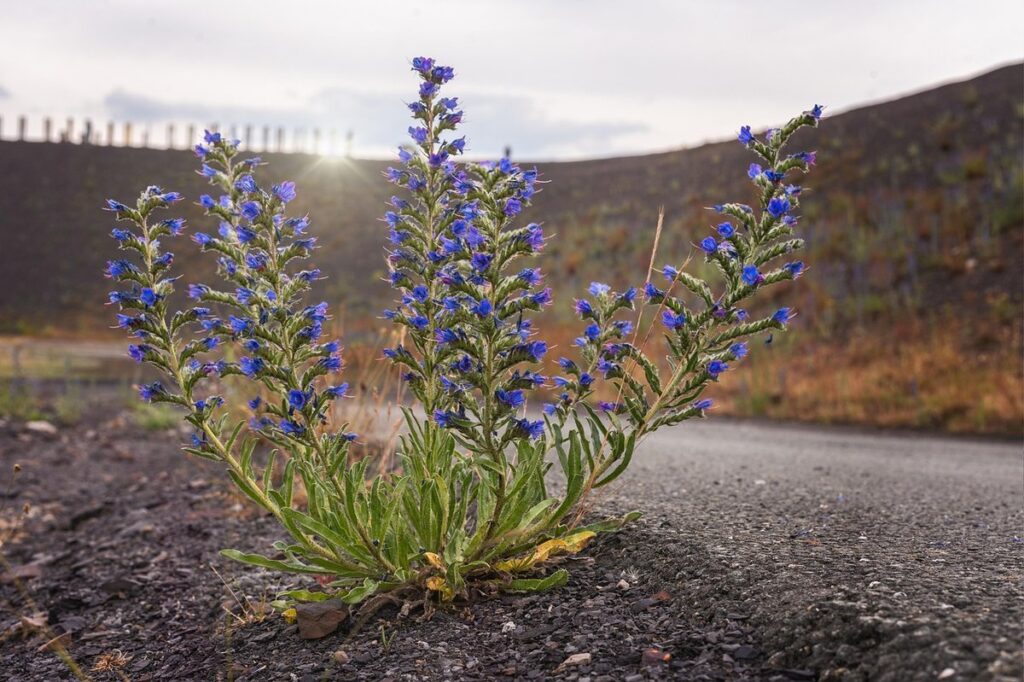
What is the Madeira Echium?
Let’s dive into what makes the Madeira Echium so special, starting with its unique identity and characteristics that set it apart from other plants. You’re probably curious to know more about this fascinating specimen!
Introduction to the Species
The Madeira echium (Echium candicans) is a breathtakingly beautiful flowering plant that hails from the Atlantic islands. If you’re lucky enough to spot one in bloom, you’ll be treated to a stunning display of vibrant blue or white flowers, which are an absolute showstopper.
But what’s even more fascinating about this plant is its striking silvery-gray foliage, which provides a beautiful contrast to the bright blooms. This unique combination makes it a standout among other flowering plants and adds to its allure. Imagine having such a stunning addition in your garden or indoor space – it would undoubtedly draw attention and admiration.
One of the most distinctive features of the Madeira echium is its ability to thrive in dry, well-drained soil and full sun conditions. This makes it an excellent choice for gardens with rocky terrain or coastal areas where other plants might struggle to survive. With proper care and attention, this resilient plant can bloom year after year, providing a colorful spectacle that will be remembered for seasons to come.
In its natural habitat, the Madeira echium has adapted to the harsh conditions of the Atlantic islands by developing an impressive ability to conserve water through its silvery-gray foliage, which helps to reflect sunlight and reduce transpiration. This remarkable plant’s unique characteristics make it a true marvel of nature, and with its low maintenance requirements, it’s an excellent addition to any garden or indoor space for those who love unique and vibrant flora.
History and Origins
The Madeira Echium (Echium candicans) has a rich and fascinating history that spans centuries. Native to the Canary Islands and the western coast of Africa, this unique plant was first introduced to Europe by Spanish botanists in the 18th century. Its natural habitats range from rocky outcrops to coastal scrublands, where it thrives in areas with mild winters and cool summers.
As a result of its introduction to European gardens, the Madeira Echium quickly gained popularity among horticulturists and plant enthusiasts. Its striking blue flowers and silvery-gray foliage made it an instant favorite among gardeners seeking unique and drought-tolerant species for their landscapes.
Today, the Madeira Echium is cultivated in gardens worldwide, from Mediterranean climates to subtropical regions with mild winters. When growing this plant, remember that it requires well-draining soil and full sun to thrive. Regular pruning will also encourage new growth and prevent the plant from becoming leggy. With proper care, the Madeira Echium can become a stunning addition to any garden, providing vibrant blue flowers throughout the summer months.
Growing Conditions for Madeira Echium
To successfully grow a beautiful and thriving Madeira Echium, you’ll want to know how to provide it with the right environment, including temperature, humidity, and sunlight requirements. Let’s dive into these essential growing conditions.
Lighting Requirements
When it comes to providing optimal growing conditions for Madeira Echium (Echium candicans), lighting is a crucial factor to consider. This plant thrives in full sun to partial shade, depending on the climate and region you’re in.
In warmer regions or during peak summer months, it’s essential to provide some protection from intense sunlight to prevent scorching of the leaves. A spot that receives morning sun and dappled afternoon shade is ideal for Madeira Echium. This allows it to soak up the necessary light for photosynthesis without suffering from extreme heat stress.
In areas with cooler or overcast climates, you can place your plant in a brighter location, such as an east- or west-facing window. However, be mindful not to expose it directly to harsh sunlight, which may cause leaf burn or discoloration.
To give your Madeira Echium the right amount of light, aim for at least 4-6 hours of direct sunlight per day. If this isn’t feasible, consider supplementing with grow lights during the winter months when natural light is scarce. By finding a balance between providing enough light and shielding it from extreme conditions, you’ll be well on your way to growing a healthy and thriving Madeira Echium.
Soil Preferences
When it comes to growing Madeira Echium (Echium candicans), understanding its soil preferences is crucial for optimal growth. This plant thrives in well-draining soils with a slightly acidic to neutral pH level, typically between 6.0 and 7.5.
Madeira Echium can tolerate some alkalinity, but it’s essential to maintain the right balance to prevent nutrient deficiencies. Sandy or loamy soils are ideal, as they allow excess water to drain quickly, preventing root rot. Clay-based soils, on the other hand, should be avoided, as they retain too much moisture and can cause waterlogged conditions.
To replicate these conditions in your garden, mix compost with your native soil to improve drainage and fertility. Avoid over-fertilizing, as this can lead to weak growth and an increased risk of pests and diseases. Instead, focus on providing a balanced fertilizer specifically formulated for Mediterranean plants like Madeira Echium. By meeting its soil preferences, you’ll be well on your way to growing a healthy and vibrant Madeira Echium.
Watering Habits
When it comes to watering your Madeira Echium Candicans, it’s essential to remember that this drought-tolerant species can thrive with minimal moisture. In fact, overwatering is a common mistake that can lead to root rot and other problems.
So, how often should you water your Madeira Echium? A good rule of thumb is to water every 7-10 days during the spring and summer months when the plant is actively growing. However, during the fall and winter months when the plant is dormant, it’s best to reduce watering to once every 4-6 weeks.
Here are a few signs to check if your Madeira Echium needs watering:
• The top 1-2 inches of soil feels dry to the touch
• The leaves start to wilt or become discolored
When you do water, make sure to soak the soil thoroughly until water starts to drain from the bottom of the pot. This will help prevent root rot and ensure that the plant has access to enough moisture.
Remember, it’s always better to err on the side of caution and underwater than to risk overwatering your Madeira Echium. With a little practice and patience, you’ll get the hang of watering this beautiful, drought-tolerant species just right.
Planting and Propagation Techniques
When it comes to growing Madeira Echium Candicans, understanding how to plant and propagate it correctly is crucial for success. This next part will walk you through the essential techniques to try at home.
Sowing Seeds
Sowing Madeira Echium seeds requires some care and attention to detail, but with the right techniques, you can increase your chances of successful germination. If you’re planning to sow indoors, start by filling a seed tray or small pots with a well-draining seed starting mix. Sow 2-3 seeds per pot, about 1/8 inch deep, and water gently but thoroughly. Keep the soil consistently moist but not waterlogged, as this can lead to rot.
Once the seeds have germinated, usually within 7-10 days, you can gradually reduce watering. If you’re sowing directly into the garden, choose a spot with full sun and well-draining soil. Sow the seeds in late spring or early summer, when the soil has warmed up to at least 65°F (18°C). Cover the seeds lightly with a thin layer of soil, and water gently but thoroughly. Keep the area consistently moist during the first few weeks after sowing.
Remember that Madeira Echium seeds can be slow to germinate, so patience is key. With proper care and attention, you should see your seedlings emerge within 10-14 days.
Cuttings and Division
When it comes to propagating Madeira Echium candicans, you have several options at your disposal. One of these is through cuttings, a method that’s both efficient and cost-effective. You can take stem cuttings from mature plants, typically between June and September when the plant is in full growth. Cut sections around 10-15 cm long, making sure each piece has at least two nodes. Remove lower leaves to prevent moisture loss and promote root development.
Place your cuttings in a propagation tray or pot filled with a well-draining mix, such as perlite or vermiculite. Water thoroughly and provide high humidity by covering the tray with a clear plastic bag. Keep the soil consistently moist but not waterlogged. Rooting hormone can also be applied to improve success rates.
Another method for propagating Madeira Echium candicans is through division. This involves carefully separating established plants into smaller sections, ensuring each section has its roots intact. Choose healthy plants with a robust root system and divide them when they’re dormant or during the spring season. Gently separate the roots with your fingers or a blunt instrument, making sure not to damage any of the plant’s vital tissues.
When it comes to care after division or cutting propagation, be sure to provide bright indirect light and maintain consistent moisture levels. With proper care, your newly propagated plants should thrive within 2-3 months.
Transplanting Established Plants
Transplanting established Madeira echium plants can be a bit more challenging than starting from seedlings. However, with the right approach, you can successfully move your mature plant to a new location.
When transplanting, choose a spot with well-draining soil and full sun to partial shade conditions. Dig a hole that’s twice as wide and just as deep as the plant’s root ball. Gently remove the plant from its container or surrounding soil, taking care not to damage the roots. If the roots are circling or growing out of the container, gently tease them apart with your fingers.
Handle the plant by its stem or base, rather than the leaves, to avoid damaging it further. Place the plant in the new hole and fill with a mix of old and new soil, firming it gently around the roots. Water thoroughly after transplanting and keep the soil consistently moist during the first few weeks as the plant adjusts.
Keep an eye out for signs of stress, such as yellowing leaves or decreased growth. If you notice any issues, adjust your care routine accordingly to ensure a smooth transition for your Madeira echium plant.
Care and Maintenance Tips
To keep your Madeira Echium Candicans thriving, it’s essential to establish a regular care routine that includes proper watering, pruning, and fertilization techniques. We’ll walk you through these tips in detail below.
Pruning and Deadheading
Regular pruning and deadheading are crucial for maintaining the health and vibrancy of your Madeira Echium candicans plant. By doing so, you’ll promote optimal growth, encourage blooming, and prevent the plant from becoming leggy or woody.
To prune your Madeira Echium candicans effectively, remove any dead or damaged stems during the growing season (spring-fall). This will help maintain the plant’s shape and direct its energy towards producing new growth. Cut back overgrown tips to about 6-8 inches from the main stem, using clean pruning shears to prevent spreading diseases.
Deadheading is equally important, as it encourages your Madeira Echium candicans to produce more flowers. Simply remove spent blooms at their base, making a small cut just above a leaf node. This will signal the plant to direct its energy towards producing new buds and flowers.
By incorporating regular pruning and deadheading into your care routine, you’ll enjoy a lush, full-grown Madeira Echium candicans with an abundance of vibrant blue flowers throughout the growing season.
Pest and Disease Management
As a Madeira echium candicans plant owner, it’s essential to be aware of common pests and diseases that can affect this beautiful succulent. One of the most prevalent pests is mealybugs, which feed on the sap of the plant, causing damage and discoloration. Whiteflies and spider mites are also known to target the Madeira echium, spreading disease and weakening its defenses.
Regular inspection is key in preventing pest infestations. Check your plant regularly for signs of infestation, such as sticky residue or actual bugs on the leaves. Isolate new plants when introducing them to your collection, and avoid overwatering, which can create a humid environment that’s ideal for pests to thrive.
As for diseases, root rot is a common issue in Madeira echiums due to overwatering. Fungal infections such as powdery mildew can also occur if the plant is exposed to high humidity or waterlogged soil. To prevent these issues, ensure good air circulation and use a well-draining potting mix. Water sparingly, allowing the top 1-2 inches of soil to dry out between waterings.
By being vigilant and taking preventative measures, you can protect your Madeira echium from pests and diseases and keep it thriving for years to come.
Fertilization Schedule
To ensure your Madeira Echium Candicans plant thrives, it’s essential to have a well-planned fertilization schedule. This beautiful succulent loves nutrient-rich soil, but over-fertilizing can cause more harm than good.
Start by choosing a balanced fertilizer with a 20-20-20 N-P-K ratio. You can apply this once a month during the growing season (spring and summer), diluting it to half the recommended strength. Water your plant thoroughly after application to prevent burning its roots.
During periods of active growth, you may also want to supplement with a fertilizer high in phosphorus (around 10-20-10 N-P-K ratio) to promote blooming. However, be cautious not to overdo it, as this can lead to an excessive salt buildup in the soil.
Some gardeners swear by repotting their Madeira Echium Candicans every 2-3 years using a cactus-specific potting mix. This not only provides a fresh supply of nutrients but also helps prevent root rot.
Companion Planting and Pairing Ideas
To get the most out of your Madeira Echium Candicans, try pairing it with complementary plants that will enhance its beauty and attract beneficial wildlife to your garden. Some surprising pairings can make all the difference!
Plants that Complement the Madeira Echium
When it comes to companion planting with Madeira Echium, you’ll want to choose plants that complement its vibrant flowers and silvery foliage. One great option is the succulent-like Sedum spectabile, which boasts stunning white blooms in late summer. Its upright growth habit also provides a nice contrast to the sprawling nature of Madeira Echium.
Another excellent choice is the ornamental grass, Pennisetum setaceum. Its delicate pink flowers and feathery foliage add a light, airy texture to the garden, while its moderate height helps balance out the Madeira Echium’s more relaxed growth habit.
The drought-tolerant Delosperma ‘Pink Corona’ also pairs beautifully with Madeira Echium. This low-growing groundcover produces an abundance of bright pink flowers in spring and summer, creating a stunning display of color that attracts pollinators to the garden.
When pairing plants with Madeira Echium, remember to consider their growth habits, light requirements, and water needs to ensure a harmonious coexistence. By choosing complementary plants like these, you’ll create a visually appealing and thriving garden ecosystem.
Plants that Inhibit Growth or Attract Pests
When it comes to companion planting with Madeira Echium Candicans, there are some common mistakes to watch out for. One of the most significant errors is pairing with invasive species that can take over your garden and potentially harm the environment.
For example, plants like Japanese knotweed, giant hogweed, or autumn olive trees are notorious invaders that can spread quickly and cause problems in their wake. If you’re not careful, they may even outcompete your Madeira Echium Candicans for resources, weakening its growth and resilience.
To avoid this issue, it’s essential to research the companion plants thoroughly before introducing them to your garden. Look up species that are known to be non-invasive in your region and ensure they have similar growing requirements to your Madeira Echium Candicans.
Some examples of safe alternatives include creeping thyme, rosemary, or even marigolds. These plants can provide beneficial companionship without the risk of invasion. By being mindful of these potential pitfalls, you can create a harmonious and thriving garden ecosystem around your Madeira Echium Candicans.
Common Problems and Troubleshooting
If you’re experiencing issues with your Madeira Echium candicans plant, don’t worry, we’ve got you covered! This section will walk you through common problems and provide troubleshooting tips to get your plant back on track.
Addressing Leaf Drop or Wilting
If you’ve been enjoying the vibrant blooms and silvery foliage of your Madeira Echium candicans plant, only to be met with leaf drop or wilting, don’t worry – it’s more common than you think! These issues can arise due to a variety of reasons, including over-watering, underwatering, changes in temperature or humidity, or even nutrient deficiencies. To identify the root cause and help your plant recover, let’s break down some potential solutions.
Start by assessing your watering habits: have you been giving it too much water? Check for softened or mushy leaves, a sign that suggests your plant is getting too much moisture. Conversely, if the soil feels dry to the touch, it may be time to increase the frequency of watering. Adjust your routine accordingly and see if the issue resolves itself.
Monitor temperature fluctuations: Echium candicans prefer cooler temperatures between 60-75°F (15-24°C). If your plant is placed near heating vents or radiators, consider relocating it to a more stable environment. Similarly, ensure that it’s not exposed to sudden drafts which can cause stress and lead to leaf drop.
To address nutrient deficiencies, consider using a balanced fertilizer during the growing season (spring-fall). This will provide essential nutrients for healthy growth, including nitrogen, phosphorus, and potassium. Be cautious not to over-fertilize as this can damage your plant’s delicate roots.
By adjusting these factors – watering, temperature, and fertilization – you may be able to revive your struggling Madeira Echium candicans plant.
Managing Overgrowth or Unwanted Spread
If you’re loving the Madeira Echium Candicans’ stunning blue flowers and sprawling habit, but find that it’s getting out of hand, don’t worry – with a little maintenance, you can easily control its spread. One of the main concerns when growing this plant is its tendency to become invasive in certain regions.
To prevent or manage unwanted growth, start by pruning your Echium Candicans regularly. Cut back overgrown stems and branches after they’ve finished flowering, and reduce the number of new shoots that emerge in spring. This will help maintain a more compact shape and encourage bushy growth rather than leggy, sprawling stems.
Another approach is to provide your plant with some physical barriers or constraints. For example, you can grow it in a large container or a raised bed with good drainage, which will prevent roots from spreading too far. You can also prune the roots if necessary, but this should be done with care to avoid damaging the plant’s root system.
Regular deadheading and removal of seed heads are also crucial in preventing self-seeding and minimizing unwanted spread. By taking these simple steps, you’ll keep your Madeira Echium Candicans under control while still enjoying its beautiful blooms.
Conclusion and Future Directions
As we wrap up our journey through the fascinating world of Madeira echium candicans, let’s take a moment to summarize key takeaways and explore possibilities for future growth.
Recap of Key Points
To ensure you’re equipped with the necessary knowledge to care for your Madeira echium candicans plant, let’s recap some of the key points discussed throughout this article.
When it comes to growing and caring for your Madeira echium, make sure to choose a well-draining potting mix to prevent root rot – as excess moisture can be detrimental to its health. Keep in mind that these plants thrive in dry conditions but will still require occasional watering.
In terms of sunlight, provide at least four hours of direct sunlight per day for optimal growth. If you live in an area with limited natural light, consider placing your plant near a south-facing window or investing in grow lights.
Regular fertilization is also crucial to ensure your Madeira echium receives the necessary nutrients to flourish. Use a balanced fertilizer during the growing season and reduce application frequency once the plant reaches maturity.
By following these care tips, you’ll be well on your way to cultivating a thriving and vibrant Madeira echium candicans in your garden or home.
Inspiration for Further Exploration
As you’ve fallen in love with the Madeira Echium candicans, we’re sure you’ll want to continue exploring the world of Mediterranean plants and horticultural techniques. There’s a treasure trove of fascinating flora waiting to be discovered, and we’re excited to share some inspiration for your next adventure.
Let’s start with other show-stopping Mediterranean plants that thrive in coastal regions. Consider adding the vibrant purple blooms of Lavandula stoechas or the striking silvery leaves of Phoenician juniper (Juniperus phoenicea) to your garden. These plants not only bring a touch of the Mediterranean to your outdoor space but also attract pollinators and provide stunning visual interest.
For those interested in horticultural techniques, you might enjoy exploring the art of succulent propagation or learning about drought-tolerant gardening methods. With these skills, you can create beautiful, low-maintenance gardens that conserve water and showcase a variety of plants like Echeveria, Aloe, and Agave.
You could also experiment with Mediterranean-style container gardening, where lush greenery and colorful blooms thrive in compact spaces. This approach is perfect for small urban plots or balconies, allowing you to bring the charm of the Mediterranean into even the most unexpected locations.
Frequently Asked Questions
Can I grow Madeira Echium indoors with proper care?
Yes, with the right conditions and attention to its specific needs, you can successfully grow a healthy Madeira Echium indoors. Ensure it receives sufficient light (at least 4-6 hours of direct sunlight) and maintain temperatures between 65°F to 75°F (18°C to 24°C). Keep in mind that indoor plants may require more frequent watering due to the dry air.
How do I prevent pests from attacking my Madeira Echium?
Regularly inspect your plant for signs of pests, such as aphids or whiteflies. To prevent infestations, maintain a clean environment around your plant, keep it well-watered but not overwatered, and avoid overcrowding nearby plants that may harbor pests.
Can I propagate the Madeira Echium through leaf cuttings?
Yes, you can successfully propagate the Madeira Echium using healthy stem or leaf sections. Cuttings taken in late spring or early summer have a higher success rate. Make clean cuts, remove lower leaves, and plant the cutting in well-draining soil with adequate moisture until roots develop.
How often should I fertilize my Madeira Echium for optimal growth?
Fertilize your Madeira Echium during the growing season (spring-fall) every 2-3 weeks. Use a balanced fertilizer that’s low in nitrogen, as excessive nitrogen can lead to an overabundance of foliage at the expense of blooms.
What companion plants complement the Madeira Echium without inhibiting its growth?
Consider pairing your Madeira Echium with drought-tolerant flowers like lavender or rosemary. These plants require similar growing conditions and won’t compete for water or nutrients, creating a harmonious and visually appealing combination in your garden.