
Are you looking to add some excitement to your garden or kitchen with a new ingredient? Look no further than the humble luffa vegetable! Also known as loofah, this versatile gourd has been prized for centuries in many cultures for its numerous uses and benefits. From cooking to skincare, luffa is an incredibly valuable addition to any household. But what makes it so special? In this ultimate guide, we’ll dive into the world of luffa vegetables, covering everything from how to grow and harvest them, to their culinary uses and even tips for using them in DIY beauty treatments. Whether you’re a seasoned gardener or just looking to spice up your cooking routine, this article is packed with practical advice and inspiration to help you get the most out of this amazing ingredient.
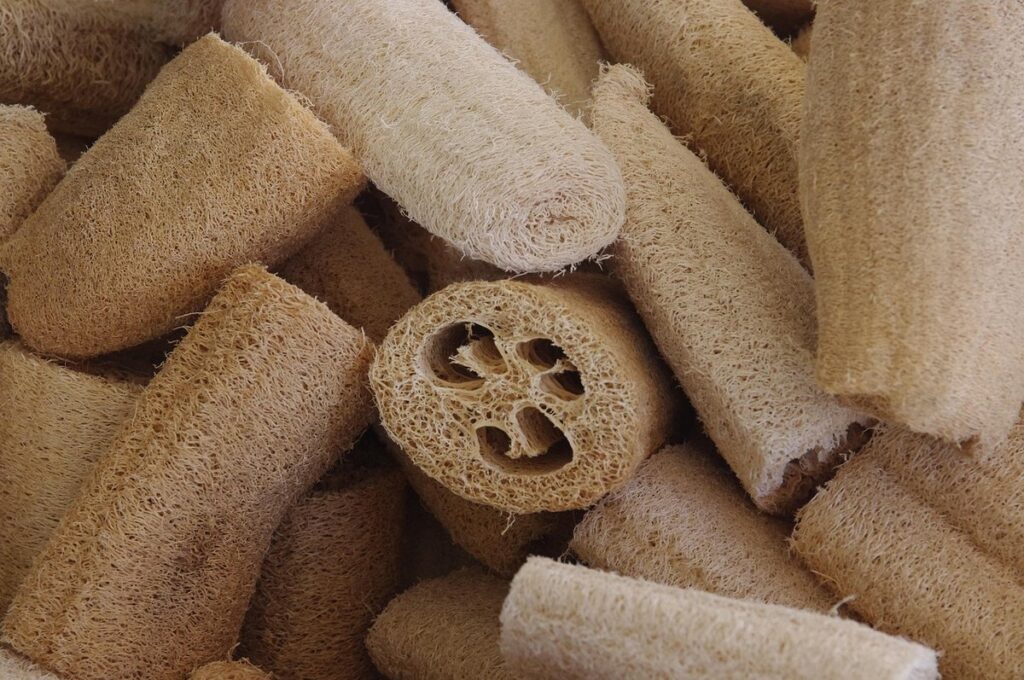
What is a Luffa Vegetable?
If you’re new to luffa, it’s essential to understand what this unique vegetable is and how it differs from other cucurbits, like cucumbers and squash. We’ll break down its definition and characteristics.
Introduction to the Plant
The luffa vegetable is often misunderstood, even by experienced gardeners. This is partly because it’s easily confused with other plants that share similarities in appearance and growth habits. Its botanical name, Luffa cylindrica, may also lead to confusion for those unfamiliar with its classification.
In fact, many people assume the luffa plant is a type of cucumber or melon due to its elongated shape and rough-skinned exterior. However, upon closer inspection, you’ll notice that the luffa vegetable has a unique texture and flavor profile that sets it apart from these other vegetables. Native to Asia and India, the luffa plant has been cultivated for centuries, valued not only for its edible fruit but also for its medicinal properties.
One of the most distinctive features of the luffa vegetable is its long, cylindrical shape, which can grow up to 6 feet in length. Its skin is typically a pale green or yellowish color and has a rough, fibrous texture that’s often used as a natural exfoliant in skincare routines. Despite its unusual appearance, the luffa plant has gained popularity worldwide for its potential health benefits, culinary uses, and sustainability advantages.
Classification and Types
Luffa vegetables come in several types, each with unique characteristics, growth habits, and uses. The most common varieties are summer squash luffas (Cucurbita pepo) and winter squash luffas (Cucurbita maxima). Summer squash luffas have a tender skin and are harvested when immature, typically used in stir-fries and other Asian-style dishes.
Winter squash luffas, on the other hand, have a harder rind and are left to mature fully. They can be stored for several months and are often roasted or baked as a side dish. Another type of luffa is the loofah gourd (Luffa cylindrica), which has a cylindrical shape and is commonly used as a natural exfoliant in skincare products.
When choosing a luffa variety, consider your climate and growing conditions. Summer squash luffas are more suitable for cooler climates, while winter squash luffas thrive in warmer temperatures. For home gardeners, summer squash luffas are a great choice due to their fast growth rate and versatility in recipes.
Growing Luffa Vegetables: Tips and Tricks
Growing luffa vegetables can be a fun and rewarding experience, especially when you know the right techniques to coax them into producing their signature long, slender fruits. With these expert tips, you’ll be on your way to harvesting your own homegrown luffas in no time!
Preparing the Soil
When growing luffa vegetables, it’s essential to prepare the soil properly to ensure healthy and productive plants. Luffa prefers well-draining, fertile soil with a pH between 6.0 and 7.0. If your soil is too alkaline or acidic, amend it with organic matter like compost or manure to bring it within this range.
In terms of nutrient requirements, luffa needs adequate nitrogen, phosphorus, and potassium (NPK) to produce large fruit. Test your soil to determine its NPK levels and add fertilizers accordingly. A balanced fertilizer with a ratio of 10-10-10 (nitrogen-phosphorus-potassium) is suitable for luffa cultivation.
Other factors to consider when preparing the soil include adequate sunlight, moisture, and air circulation. Luffa plants prefer full sun and can tolerate some drought but require consistent watering throughout their growth cycle. Ensure good drainage by adding organic matter like compost or well-rotted manure to prevent waterlogged soil conditions that can lead to root rot and other diseases.
By creating the right environment with suitable soil pH, nutrient levels, and optimal growing conditions, you’ll be well on your way to growing healthy and productive luffa plants.
Sowing Seeds and Transplanting
When it comes to growing luffa vegetables, sowing seeds indoors or directly in the garden is a crucial step that can make all the difference in their optimal growth. For beginners, it’s essential to start with high-quality luffa seeds that are suitable for your region and climate.
To sow seeds indoors, you’ll need to provide them with a warm and humid environment. Sow 1-2 seeds per cell in seed starting mix, about ¼ inch deep. Keep the soil consistently moist but not waterlogged, as this can lead to rot. Once the seedlings have 2-3 sets of leaves, transplant them into individual pots or directly into the garden.
When direct sowing in the garden, sow seeds 1 inch deep and 12 inches apart, after the last frost date. Keep the soil consistently moist during the first few weeks until the plants are established. Transplanting luffa seedlings requires gentle care to avoid shocking them. Harden off the seedlings by gradually exposing them to outdoor conditions over a period of 7-10 days before transplanting.
A key tip is to choose a spot with full sun and well-draining soil, which will encourage healthy growth and prevent fungal diseases. Regularly water and fertilize your luffa plants to promote optimal growth, ensuring you get the best yield possible.
Supporting the Plant
When growing luffa vegetables, one crucial aspect often overlooked is providing adequate support for the plant. As luffa vines can grow quite long and heavy with fruit, they require a sturdy structure to climb on and distribute their weight evenly.
Using trellises or cages is an effective way to provide support for your luffa plants. You can install a trellis near the planting site, allowing the vines to twine around it as they grow. Alternatively, you can use cages specifically designed for vining plants like luffa, which come in various sizes and materials.
To ensure proper growth and fruit development, make sure your support system is at least 6 feet tall, allowing the luffa vines to climb upwards without obstruction. You can also consider using stakes or tomato clips to gently tie the stems to the trellis or cage, keeping them upright and secure.
Regularly inspecting your luffa plants for signs of stress or damage will help you identify potential issues before they become major problems. By providing a sturdy support system and monitoring your plants regularly, you’ll be well on your way to enjoying a bountiful harvest of delicious and versatile luffa vegetables.
Harvesting and Preparing Luffa
Now that you’ve grown your luffa, it’s time to learn how to harvest and prepare it for use – a crucial step in unlocking its many benefits. This section covers the essential tips and techniques for handling this versatile vegetable.
Identifying Ripeness
When it’s time to harvest your luffa crop, you’ll want to ensure that the fruits are ripe and ready for use. This can be a bit tricky, but don’t worry, we’ve got you covered. One of the most reliable ways to determine ripeness is by checking the color. A fully mature luffa will turn from green to a light yellow or golden hue, depending on the variety.
Another visual cue is the texture of the skin. As the fruit matures, it will become slightly softer and more pliable to the touch. Gently squeeze the luffa between your fingers; if it yields to pressure but still feels firm, it’s likely ripe. Be careful not to squeeze too hard, as this can damage the delicate skin.
If you’re unsure about the ripeness of a particular fruit, perform a texture test by gently scratching the surface with your fingernail. A ripe luffa will have a slightly rougher texture than an unripe one. With practice, you’ll become more comfortable judging the readiness of your luffa crop.
Methods of Harvesting
Harvesting luffa can be a bit tricky, but don’t worry, we’ve got you covered. There are several methods to choose from, and the right one for you will depend on the size of your crop, your personal preference, and the tools at your disposal.
Hand-picking is a great method for smaller crops or when you want more control over which luffa fruits to harvest. Simply snip off the stem with a pair of scissors or pinch it between your fingers, making sure not to damage the rest of the plant. This method also allows you to inspect each fruit individually and pick them at the optimal stage of maturity.
For larger crops or when time is of the essence, using mechanical means can be more efficient. A simple tool like a long-handled pruner or even a small harvesting fork can help you quickly gather luffa fruits without damaging the plant. If you have a bigger crop, consider investing in a mechanical harvester designed specifically for luffa.
Preparing the Fruit for Consumption
Preparing luffa for consumption requires some preparation to bring out its unique flavor and texture. Before cooking, trim both ends of the luffa to remove any tough skin, then peel it using a vegetable peeler or a sharp knife. Remove the seeds and the stringy pulp in the center, as they can be slightly bitter.
Luffa is versatile and can be prepared in various dishes, from soups to salads. In Asian cuisine, it’s commonly used in stir-fries and braises. To make luffa stir-fry, slice it into thin strips and sauté with your favorite vegetables and seasonings. You can also add it to soups like wonton soup or hot and sour soup for added texture.
For a refreshing summer salad, grate the luffa and combine it with chopped cucumbers, tomatoes, and onions, dressed with a zesty vinaigrette. Luffa pairs well with herbs like basil and mint, so don’t be afraid to experiment with different combinations.
When cooking luffa, remember that it’s best when tender but still crisp. Overcooking can make it mushy and unappetizing. To achieve the perfect texture, cook it until it’s slightly firm in the center, then serve immediately.
Health Benefits of Luffa Vegetables
Luffa vegetables are a nutrient-rich superfood that offers numerous health benefits, including reducing inflammation and improving digestion. Let’s dive into some of its key advantages.
Nutritional Value
Luffa vegetables are an excellent addition to a healthy diet due to their high nutritional value. One of the standout benefits is their exceptionally high water content, which makes them low in calories and rich in fiber. A single cup of luffa contains approximately 92% water, making it an ideal snack for those looking to stay hydrated.
In addition to its impressive hydration credentials, luffa is also a good source of several essential vitamins and minerals. It’s particularly rich in vitamin C, with one serving providing more than 100% of the recommended daily intake. Luffa is also a decent source of potassium, an electrolyte that helps regulate fluid balance and supports healthy blood pressure.
To reap the nutritional benefits of luffa, simply add it to your meals or snack on raw slices throughout the day. You can also use luffa in smoothies or juice blends for an extra boost of vitamins and minerals. With its versatility and impressive nutritional profile, it’s no wonder that luffa is becoming a popular choice among health-conscious consumers.
Medicinal Properties
Luffa vegetables have been prized for their medicinal properties for centuries. Research suggests that they may help reduce inflammation and improve digestion, making them an excellent addition to a healthy diet.
One of the key ways luffa supports digestive health is by increasing bile production and improving gut motility. This can be especially beneficial for individuals with irritable bowel syndrome (IBS) or other gastrointestinal issues. In fact, studies have shown that luffa extract can reduce symptoms of IBS in as little as two weeks.
Luffa also contains anti-inflammatory compounds like saponins, which may help alleviate conditions such as arthritis and fibromyalgia. These compounds work by reducing pro-inflammatory cytokines and promoting the production of anti-inflammatory interleukins. This can lead to reduced pain and swelling, making luffa a potential natural remedy for chronic pain sufferers.
To incorporate more luffa into your diet, try adding it to soups or stews, roasting it as a side dish, or even using it in smoothies. With its mild flavor and versatile texture, there are countless ways to enjoy the health benefits of this incredible vegetable.
Traditional Uses in Medicine
Luffa has been used for centuries in traditional medicine across various cultures. In ancient Egypt, luffa was used to treat skin conditions such as eczema and acne due to its anti-inflammatory properties. Similarly, in Ayurvedic medicine, luffa is believed to have antibacterial properties that help reduce fever and alleviate digestive issues.
In traditional Chinese medicine, luffa is used to stimulate digestion and relieve constipation. The fiber-rich content of the vegetable helps regulate bowel movements and promote healthy gut bacteria. In India, luffa is used as a natural remedy for skin conditions like psoriasis and dermatitis.
To harness these medicinal benefits, you can incorporate luffa into your diet in various ways. Try adding it to soups or stews for an immune-boosting meal, or use its oil as a topical treatment for skin irritations. When using luffa for medicinal purposes, be sure to consume it raw and uncooked to preserve its nutritional value.
In some cultures, luffa is also used as a natural laxative due to its high fiber content. However, always consult with a healthcare professional before using luffa for medicinal purposes, especially if you have any underlying health conditions or allergies.
Luffa in Cooking: Recipes and Ideas
Get creative in the kitchen by exploring the culinary uses of luffa, from savory stir-fries to refreshing summer salads. Discover new recipe ideas to add some zing to your cooking routine!
Main Course Dishes
Luffa is an incredibly versatile vegetable that can be used as the main ingredient in a variety of dishes. For a delicious and healthy stir-fry, try pairing luffa with some oil, garlic, ginger, and chili peppers. Simply sauté the luffa for about 5-7 minutes until it’s tender, then serve over rice or noodles.
If you prefer a richer flavor, consider using luffa in a curry dish. Simply dice the luffa into bite-sized pieces and add it to your favorite curry recipe along with coconut milk, spices, and herbs. The luffa will absorb all the flavors of the curry sauce and become tender and creamy.
For a comforting soup, puree cooked luffa with some chicken or vegetable broth, onions, garlic, and ginger for a delicious and nutritious meal. You can also add other ingredients like potatoes, carrots, or celery to make it more filling.
Remember, when cooking with luffa, be sure to only use the tender young shoots and avoid older, fibrous sections. This will ensure that your dishes turn out tender and flavorful rather than tough and unpalatable. With a little creativity, the possibilities for using luffa as a main ingredient are endless!
Side Dishes and Salads
Luffa is a versatile vegetable that can be used in a variety of creative ways beyond just being the main ingredient. When it comes to side dishes and salads, luffa adds a unique texture and flavor that can elevate even the simplest recipes. One popular way to use luffa as a side dish is by grilling or sautéing it with herbs and spices, creating a delicious accompaniment to grilled meats or vegetables.
For salads, try using luffa as a crunchy addition to your favorite greens, along with cherry tomatoes and cucumber slices. The mild flavor of luffa pairs well with citrus vinaigrettes and can add a refreshing twist to classic salad combinations. You can also use luffa as a garnish for soups or stews, adding a pop of color and texture to the dish.
Some other ideas for using luffa in side dishes include:
* Roasting luffa with olive oil and garlic until tender
* Sautéing luffa with onions and bell peppers for a flavorful stir-fry
* Adding diced luffa to soups or stews for added texture and nutrition
Remember, the key to using luffa in side dishes and salads is to experiment with different seasonings and cooking methods to find your favorite ways to prepare it. With its mild flavor and crunchy texture, the possibilities are endless!
Preserving Luffa for Future Use
Preserving luffa for future use is a great way to enjoy its flavor and nutrients year-round. You can preserve luffa through pickling, freezing, or dehydrating methods. One popular method of preserving luffa is pickling. To pickle luffa, simply slice it thinly and soak it in a brine solution made from vinegar, salt, and spices. The acidity of the brine will help to preserve the luffa and give it a tangy flavor.
Freezing is another great way to preserve luffa. You can blanch the luffa in boiling water for 2-3 minutes to kill off any bacteria, then immediately plunge it into an ice bath to stop the cooking process. Once frozen, you can store the luffa in airtight containers or freezer bags and use it in soups, stews, or stir-fries.
Dehydrating is also a great method for preserving luffa. You can slice the luffa thinly and dry it using a food dehydrator or by placing it in a single layer on a baking sheet and drying it in a low-temperature oven. Dried luffa can be stored for up to 6 months and used as a crunchy snack or added to soups and stews for extra flavor.
It’s worth noting that before preserving luffa, make sure it’s completely dry, as excess moisture can lead to mold or spoilage.
Troubleshooting Common Issues with Luffa Plants
If you’re experiencing problems with your luffa plant, from yellowing leaves to poor fruit production, we’ll walk you through common issues and their solutions. Don’t worry, help is just a few steps away!
Pests and Diseases
When growing luffa plants, it’s essential to be aware of common pests and diseases that can affect their health. Among the most prevalent issues are aphids, whiteflies, and spider mites, which can cause curled or distorted leaves, yellowing, and stunted growth.
To prevent these problems, maintain a clean environment by regularly inspecting your plants for signs of infestation. Use neem oil or insecticidal soap to control pests, and practice good garden hygiene by disposing of infected leaves and debris. For diseases like powdery mildew, leaf spot, and root rot, remove affected areas and treat the plant with fungicides.
Regularly inspecting your plants for signs of disease can also help prevent its spread. Keep an eye out for black spots on the leaves or yellowing stems, which can indicate a fungal infection. For more severe cases, consider using a fungicide specifically designed to target the type of fungus affecting your luffa plant.
Some common pests and diseases that affect luffa plants include:
* Aphids: These small insects feed on sap from new growth, causing curled or distorted leaves.
* Whiteflies: These flying insects can spread disease and cause yellowing of the leaves.
* Spider mites: These tiny arachnids suck sap from leaves, causing yellowing or bronzing.
To manage these issues effectively, monitor your plants regularly and take prompt action when you notice any problems.
Climate and Weather Considerations
When growing luffa, it’s essential to consider the impact of weather conditions on its growth. Temperature fluctuations can be particularly challenging for this tropical plant. If temperatures drop below 60°F (15°C), luffa growth will slow down significantly, and prolonged exposure to cold temperatures may even lead to plant death.
Excessive rain, on the other hand, can cause root rot and other problems. Luffa plants prefer well-draining soil, so it’s crucial to ensure that your garden or container has adequate drainage to prevent waterlogged soil.
To mitigate these issues, monitor weather forecasts closely and take necessary precautions. For example, you can bring potted luffa plants under cover during periods of extreme cold or rain. If you’re growing luffa in a region with high humidity, consider using mulch or other soil coverings to improve air circulation around the roots.
By being aware of these climate and weather considerations, you’ll be better equipped to provide your luffa plant with the right conditions for optimal growth and production.
Conclusion: The Versatility of Luffa Vegetables
In conclusion, it’s clear that luffa vegetables are incredibly versatile and offer numerous benefits for our health, environment, and culinary experiences. As we’ve explored throughout this guide, luffas can be used in a variety of ways – from cooking to skincare, and even as a natural scrubber. You can grow your own luffa plant in your backyard or purchase it at your local farmers’ market to enjoy its numerous benefits. Whether you’re looking for a new ingredient to add to your favorite recipes or seeking a sustainable way to clean your home, luffas are an excellent choice.
Their unique properties make them an excellent alternative to traditional products and ingredients, reducing waste and minimizing our impact on the environment. By incorporating luffa vegetables into your daily life, you’ll not only be improving your well-being but also contributing to a more sustainable future. With their numerous uses and benefits, it’s no wonder why luffas have been gaining popularity in recent years.
Frequently Asked Questions
Can I grow luffa vegetables in a small garden or indoor space?
Yes, you can grow luffa vegetables in containers, but make sure to provide enough support for the plant’s vine-like growth habit. Choose a container that is at least 12-18 inches deep and has good drainage holes. Keep in mind that luffa plants require full sun and warm temperatures to thrive.
How long does it take for luffa vegetables to mature?
Luffa vegetables typically take around 90-120 days to mature from sowing the seeds, but this can vary depending on factors like climate, soil quality, and specific cultivar. Keep track of your plant’s growth stages and adjust your harvest timing accordingly.
Can I use luffa in skincare products for sensitive skin?
Yes, luffa is often used in natural skincare products due to its gentle exfoliating properties and ability to improve skin texture. However, if you have extremely sensitive skin, it’s best to do a patch test before incorporating luffa into your skincare routine.
How can I preserve luffa for long-term use?
To preserve luffa for future use, dry or dehydrate the gourds thoroughly after harvesting. This will help retain their nutritional and medicinal properties. You can also pickle or ferment luffa to create a tangy condiment or side dish.
Can luffa be used as a natural insect repellent?
Yes, luffa has been traditionally used as an insect repellent due to its strong scent and ability to deter pests like mosquitoes and ticks. To use luffa as an insect repellent, simply dry the gourds and crush them into a powder or tea.