
Are you ready to discover a natural wonder that’s been hiding in plain sight? The luffa plant is one of those unsung heroes of the botanical world, boasting an impressive array of benefits for our skin, health, and creativity. From soothing dry skin and inflammation to adding texture to your favorite recipes, this versatile plant has got you covered. But what really sets it apart is its incredible versatility – from skincare and culinary uses to creative crafts and DIY projects, there’s no end to the ways you can harness the power of luffa. In this article, we’ll delve into the wonderful world of luffa plants, exploring how to grow them, their amazing health benefits, and some clever ways to incorporate them into your daily life. Get ready to unlock the full potential of this incredible natural remedy!
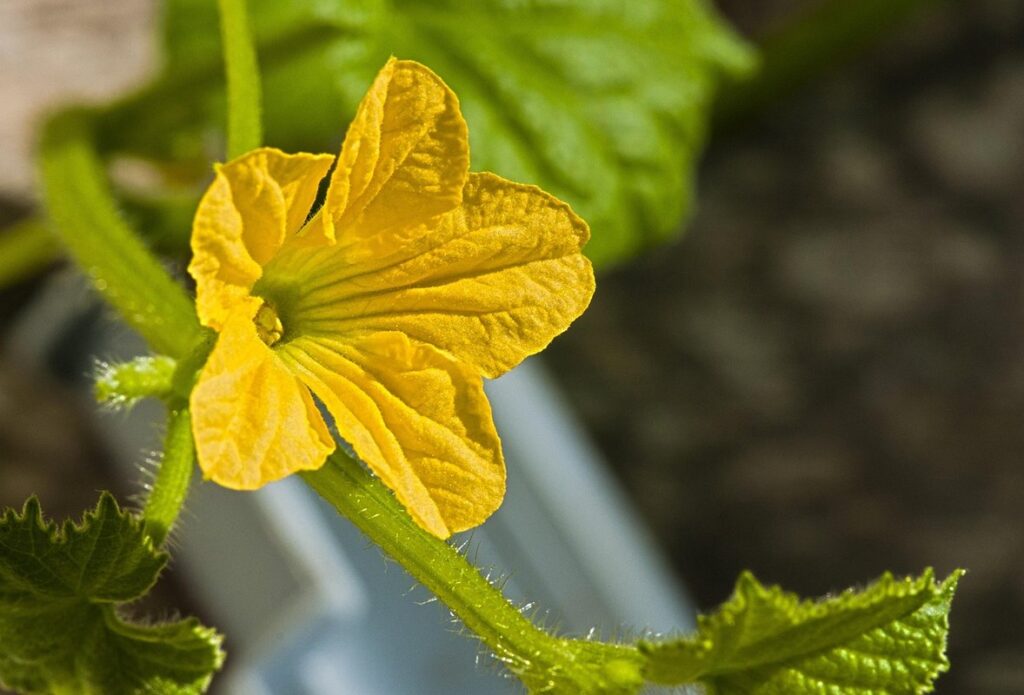
What is a Luffa Plant?
Let’s start with the basics: what exactly is a luffa plant, and where does it come from? We’ll take a closer look at this unique vegetable.
Definition and Classification
At its core, the luffa plant (Luffa cylindrica) is a member of the Cucurbitaceae family, which includes other popular fruits and vegetables like cucumbers, squash, and melons. This classification is due to its botanical characteristics, such as having long vines, tendrils, and edible seeds. In fact, luffa plants are often mistaken for cucumber or gourd varieties because of their similarities in appearance.
But what sets the luffa plant apart from other Cucurbitaceae members? It’s primarily known for its unique, cylindrical fruits that can grow up to 20 inches long and 4-6 inches in diameter. These fruits have a smooth, fibrous interior and are typically harvested when mature, as they dry out quickly after reaching their full size.
Interestingly, the luffa plant has been cultivated for over 3,000 years, with records showing its use in ancient Egyptian, Chinese, and Greek civilizations. Its versatility extends beyond just its fruit, however – the plant’s leaves and stems are also edible, although often cooked before consumption. As a member of this prolific family, it’s no wonder why luffa plants have been used for so long across various cultures.
Origin and History of Use
The luffa plant has its roots in ancient civilizations, with evidence of its use dating back over 3,000 years to China and India. In traditional Chinese medicine, luffa was valued for its anti-inflammatory and antiseptic properties, used to treat various ailments such as fever, rheumatism, and skin conditions. Similarly, in Ayurvedic medicine, luffa was prized for its ability to balance the body’s energies and promote overall well-being.
In many Asian cultures, luffa is still an integral part of traditional practices, including massage therapy and skincare routines. The plant’s fibrous texture makes it an excellent exfoliant, while its anti-oxidant properties help soothe and moisturize the skin. In Japan, for example, luffa is often used in bathing rituals to soften and brighten the complexion.
As a result of its impressive health benefits and cultural significance, luffa has become a staple in many natural remedies and traditional therapies around the world.
Benefits of Luffa Plant
One of the most exciting aspects of growing your own luffa plant is reaping its incredible benefits, from skin care to health advantages. Let’s explore some of these wonderful perks in more detail.
Skincare and Exfoliation
When it comes to maintaining healthy, glowing skin, exfoliation is an essential step in our skincare routine. Traditional chemical-based exfoliants can be harsh and irritating to the skin, but nature has provided us with a gentle and effective alternative – luffa. As we discussed earlier, luffa plant’s unique properties make it an excellent natural ingredient for various uses, and one of its most beneficial applications is as a natural exfoliant.
Using luffa as an exfoliant can help remove dead skin cells, revealing smoother, brighter skin. Its gentle abrasive texture effectively removes dirt and impurities without stripping the skin of its natural oils. This makes it perfect for all skin types, including sensitive skin. To use luffa as a natural exfoliant, simply wet your face or body, massage a luffa sponge gently onto the skin in circular motions, and rinse with warm water.
Regular use of luffa can also improve skin texture over time, leaving it feeling softer and more supple. By incorporating this simple yet effective technique into your skincare routine, you’ll be on your way to achieving healthier, more radiant-looking skin naturally.
Health Properties and Medicinal Uses
Luffa has been used for centuries in traditional medicine due to its impressive array of health properties. Research suggests that it contains anti-inflammatory and antioxidant compounds, which can help alleviate symptoms associated with conditions such as arthritis, gout, and other inflammatory diseases.
In many cultures, luffa is employed to treat various ailments, including digestive issues, skin problems, and respiratory infections. The plant’s leaves are often used in teas or infusions to calm digestive upset, reduce fever, and soothe irritated skin. Its roots are also valued for their ability to lower blood pressure and cholesterol levels.
If you’re interested in harnessing luffa’s health benefits, you can try incorporating its leaves into your herbal remedies. To make a tea, simply steep 1-2 teaspoons of dried luffa leaves in boiling water for 5-7 minutes. Strain the liquid and enjoy as needed. Keep in mind that while luffa is generally considered safe to use, it’s essential to consult with a healthcare professional before using it to treat any medical condition.
Some studies have also isolated specific compounds within luffa, such as glycosides and flavonoids, which are believed to contribute to its medicinal properties. However, more research is needed to fully understand the plant’s potential health benefits. In the meantime, you can explore traditional recipes and methods for using luffa in your own herbal practices.
Growing Luffa Plants
To grow luffa plants successfully, you’ll want to know how to choose the right location, prepare the soil, and provide optimal care for these unique vegetables. Let’s dive into those details next!
Climate and Soil Requirements
To grow luffa plants successfully, you need to provide them with optimal climate and soil conditions. Luffa plants thrive in warm temperatures, typically between 65°F to 95°F (18°C to 35°C). They prefer a humid environment, with an ideal relative humidity of 50-60%. If your area is too dry, consider using a humidifier or misting the plants regularly.
In terms of soil requirements, luffa plants love well-draining, rich soil that’s high in organic matter. A pH range of 6.0 to 7.0 is ideal for growth. To prepare the soil, mix in compost or well-rotted manure to improve its structure and fertility. Luffa plants are heavy feeders, so make sure to provide them with a balanced fertilizer during the growing season.
It’s also essential to note that luffa plants prefer full sun to partial shade. If you’re growing them outdoors, choose a location that receives direct sunlight for at least 6 hours a day. By meeting these climate and soil requirements, you’ll be well on your way to cultivating healthy and productive luffa plants.
Planting and Maintenance Tips
When planting luffa seeds, make sure to sow them about 1 inch deep and 6-8 inches apart in well-draining soil with a pH between 6.0 and 7.0. Keep the area consistently moist during the germination period, which typically takes around 10-14 days.
As your luffa plant grows, regular pruning is crucial to promote healthy growth and encourage fruiting. Remove any weak or damaged branches, and trim back the tips of longer stems to encourage branching. This will also help prevent the plant from becoming leggy and reduce the risk of disease.
Fertilize your luffa plants regularly with a balanced fertilizer, following the manufacturer’s instructions for application rates. Mulching around the base of the plant can also help retain moisture and suppress weeds.
Regular pest management is also essential to prevent damage to your luffa crop. Inspect your plants regularly for signs of pests such as aphids, whiteflies, or spider mites, and treat promptly with neem oil or insecticidal soap if necessary.
Preparing Luffa for Use
To get started using your luffa sponge, you’ll need to prepare it by cutting off any remaining seeds and leaves, then rinsing it thoroughly under warm water.
Drying and Processing Methods
Drying luffa gourds correctly is crucial to preserve their integrity and ensure they remain usable for various applications. One method involves using a dehydrator, which can be set between 135°F to 140°F (57°C to 60°C) for 6-8 hours. This approach helps retain the color, texture, and nutritional value of the luffa.
Alternatively, you can dry the gourds in a low-temperature oven at 150°F (65°C) or below for an extended period, typically 24-48 hours. It’s essential to monitor the temperature and ensure air circulation around the gourds to prevent moisture buildup.
After drying, the next step is processing. This usually involves removing the outer skin of the luffa and soaking it in water to rehydrate and clean the fibers. You can then cut or break down the luffa into smaller pieces for use in DIY cleaning sponges, pot scrubbers, or other household applications.
It’s also worth noting that some gardeners choose to air-dry their luffas by hanging them upside down in a warm, dry location with good airflow. However, this method may not be as effective at preserving the luffa’s integrity and can result in uneven drying.
Using Luffa in Skincare Recipes
When it comes to using luffa in skincare recipes, there are countless ways to harness its benefits. Dried luffa is a versatile ingredient that can be used to create a range of natural products, from exfoliating scrubs and masks to nourishing body washes.
One popular way to use dried luffa is in a homemade sugar scrub. Simply mix 1 tablespoon of dried luffa powder with 2 tablespoons of sugar and 1 tablespoon of olive oil to create a gentle yet effective exfoliant. This blend is perfect for buffing away dead skin cells and leaving your skin feeling smooth and refreshed.
For an intense moisturizing mask, try mixing 2 tablespoons of dried luffa powder with 1 tablespoon of honey and 1 tablespoon of yogurt. Apply the mixture to your face or body and leave on for 15-20 minutes before rinsing off. The luffa will help break down dead skin cells while the honey and yogurt provide long-lasting hydration.
When making a body wash, simply add 1 teaspoon of dried luffa powder per cup of liquid soap base for an added dose of exfoliation.
Safety Precautions and Allergies
When handling luffa plants, it’s essential to take certain precautions to avoid potential allergens and irritants, including skin reactions from sap or spines. Be aware of any sensitivities before growing or using this plant.
Potential Allergic Reactions
When handling luffa plants, it’s essential to be aware of the potential for allergic reactions. Some individuals may experience skin irritation, itching, or rashes when coming into contact with the plant’s sap or fibers. If you’re prone to allergies or have sensitive skin, take precautions by wearing gloves and protective clothing when handling luffa.
Symptoms can range from mild redness and swelling to severe blisters or hives. In some cases, allergic reactions may be more severe, requiring medical attention. If you suspect an allergy, discontinue use immediately and seek advice from a healthcare professional.
Treatment options vary depending on the severity of symptoms. For minor reactions, apply a topical cream or ointment to soothe the skin. More severe allergies may require oral antihistamines or corticosteroids. In rare cases, anaphylaxis can occur; if you experience difficulty breathing or swallowing, call emergency services immediately.
To minimize risks, handle luffa with care and maintain a clean workspace. Regularly washing your hands after handling the plant will also help reduce exposure to potential allergens.
Interactions with Medications and Health Conditions
When using luffa for medicinal purposes or adding it to your skincare routine, it’s essential to be aware of potential interactions with medications and health conditions. Certain individuals may need to exercise caution when consuming luffa or applying its products topically.
For example, if you’re taking blood thinners like warfarin, you should consult with a healthcare professional before using luffa for medicinal purposes. This is because the vitamin K content in luffa may interact with these medications and affect their efficacy.
Additionally, individuals with bleeding disorders or those undergoing surgery may need to avoid consuming large amounts of luffa due to its blood-thinning properties. Pregnant women should also exercise caution when using luffa, as it may stimulate uterine contractions.
In terms of skin conditions, if you have sensitive skin or allergies, start by doing a patch test before applying any luffa-based products. This will help you gauge your body’s response to the product and avoid any potential allergic reactions.
It’s also crucial to note that luffa may exacerbate certain health conditions, such as acne, eczema, or rosacea, especially if not used in moderation. Be sure to consult with a healthcare professional before using luffa products, especially if you have an underlying medical condition.
Creative Uses for Luffa
Beyond its beauty and health benefits, the luffa plant has some truly creative uses that you’ll want to try at home. From crafting to cleaning, we explore its many versatile applications.
Crafts and DIY Projects
Luffa gourds are not only useful for exfoliating skin and cleaning surfaces, but they also make great materials for creative projects. One of the most unique ways to reuse luffa is by turning it into planters or bird feeders. Simply cut the gourd in half lengthwise, scoop out the seeds and pulp, and fill with potting soil and your chosen plant or birdseed. Hang the gourds from a tree using twine or wire for a charming bird feeder.
You can also use luffa to create decorative wall hangings by cutting it into strips and braiding or weaving them together. Add some decorative touches like beads, shells, or ribbons to give your piece a personal touch. If you’re feeling crafty, try making a luffa vase or bowl by gluing the dried gourd halves together and decorating with paint or varnish.
When working with luffa for crafts, make sure to dry it completely before starting your project. You can speed up the drying process by placing the gourds in a warm oven or dehydrator on low heat. With a little creativity, you’ll be amazed at all the unique and functional pieces you can create using this versatile plant material.
Culinary and Beverage Applications
In many parts of the world, luffa is a staple ingredient in various culinary traditions. The edible gourd has been used for centuries in Asian and Middle Eastern cuisines to add flavor, texture, and nutrition to soups, stews, and teas.
One of the most common uses of luffa is in making tea. The young leaves and shoots are harvested and steamed or sautéed before being added to hot water. This herbal tea is rich in antioxidants and has been traditionally used to aid digestion and reduce inflammation. In Southeast Asia, a sweet and sour soup called “Tom Yum” often features luffa as a key ingredient.
Luffa can also be pickled or preserved in salt to add a tangy crunch to salads and sandwiches. In Indian cuisine, the gourd is commonly used in stews and curries, particularly with lamb or chicken. To incorporate luffa into your cooking, simply chop the young leaves and shoots finely and sauté them with garlic and ginger as you would any other vegetable.
When choosing luffa for culinary use, select the younger, more tender shoots, which are less fibrous and have a milder flavor. Be sure to wash the gourd thoroughly before preparing it, as its skin can be slightly bitter.
Conclusion
Now that you’ve learned all about luffa plants, it’s time to summarize the key takeaways and put your newfound knowledge into practice. Let’s wrap up our exploration of this amazing plant!
Recap of Benefits and Uses
In conclusion to our exploration of the amazing luffa plant, let’s take a moment to appreciate its incredible versatility and potential applications. As we’ve seen throughout this guide, the luffa plant is more than just a decorative addition to your garden or a source of fresh produce. It’s a highly valuable crop with numerous benefits that can be harnessed in various ways.
From a medicinal perspective, luffa has been used for centuries to treat a range of ailments, from skin irritations and eczema to fever reduction and digestive issues. Its rich antioxidant properties also make it an excellent natural remedy for soothing sunburns and promoting healthy skin. And let’s not forget its impressive ability to remove dead skin cells, making it a popular ingredient in homemade exfoliating scrubs.
Beyond its medicinal uses, luffa is also a valuable crop for gardeners due to its adaptability and ease of cultivation. With proper care, luffa plants can thrive in a variety of environments, from full sun to partial shade, and can be grown in containers or directly in the ground. Additionally, its high nutritional value makes it an excellent addition to salads, stir-fries, and other dishes.
In terms of practical applications, luffa is also used as a natural sponge for cleaning and exfoliating, making it a popular ingredient in bath products and skincare routines. Its durable fibers can also be woven into rope or fabric, providing a sustainable alternative to synthetic materials.
As you can see, the benefits and uses of the luffa plant are truly remarkable. Whether you’re looking to harness its medicinal properties, incorporate it into your cooking routine, or explore its practical applications, this incredible crop has something to offer everyone.
Frequently Asked Questions
Can I use luffa for sensitive skin, or is it only suitable for normal to oily skin types?
While luffa can be beneficial for most skin types, it’s essential to note that its exfoliating properties may not be suitable for extremely sensitive skin. For sensitive skin, consider using a gentle skincare product infused with luffa extract or use it in moderation as an occasional exfoliant.
How long does it take to dry and process luffa after harvesting?
The drying and processing time of luffa depends on the desired end product and method used. Generally, air-drying can take anywhere from 7-14 days, while sun-drying or using a food dehydrator may speed up the process to around 3-5 days.
Can I use luffa in cooking without its exfoliating properties being affected?
When using luffa in culinary applications, the heat from cooking typically breaks down the cell walls, rendering it ineffective as an exfoliant. However, luffa remains a nutritious and versatile ingredient for adding texture and flavor to various dishes.
What are some common mistakes people make when growing their own luffa plants?
Common mistakes include inadequate sunlight (luffa requires full sun), insufficient watering (consistent moisture is crucial), and poor soil quality (rich, well-draining soil is essential). Regularly monitoring your plant’s needs and adjusting accordingly can help ensure a healthy and productive harvest.
Can I use luffa in skincare products that are already formulated with other exfoliants?
While luffa can be added to existing skincare products as an additional exfoliant, it’s crucial to consider the concentration of other alpha-hydroxy acids (AHAs) or beta-hydroxy acids (BHAs), as excessive concentrations may cause irritation. It’s always best to start with a small patch test before incorporating luffa into your regular routine.