
If you’re tired of high-maintenance plants that require constant watering, pruning, and attention, then you’ll love ornamental grasses. These stunning plants are the ultimate low-maintenance option for your landscape, and for good reason. Not only do they thrive in drought conditions, but they also boast impressive fire resistance – a bonus for homeowners living in areas prone to wildfires.
But what makes them so easy to care for? And how can you incorporate these versatile plants into your outdoor space without sacrificing style? In this article, we’ll delve into the world of ornamental grasses and share expert advice on everything from planting to maintenance tips. You’ll learn about their unique benefits, including drought tolerance and fire resistance, and discover why they’re an ideal choice for busy gardeners or those looking for a low-fuss landscape solution.
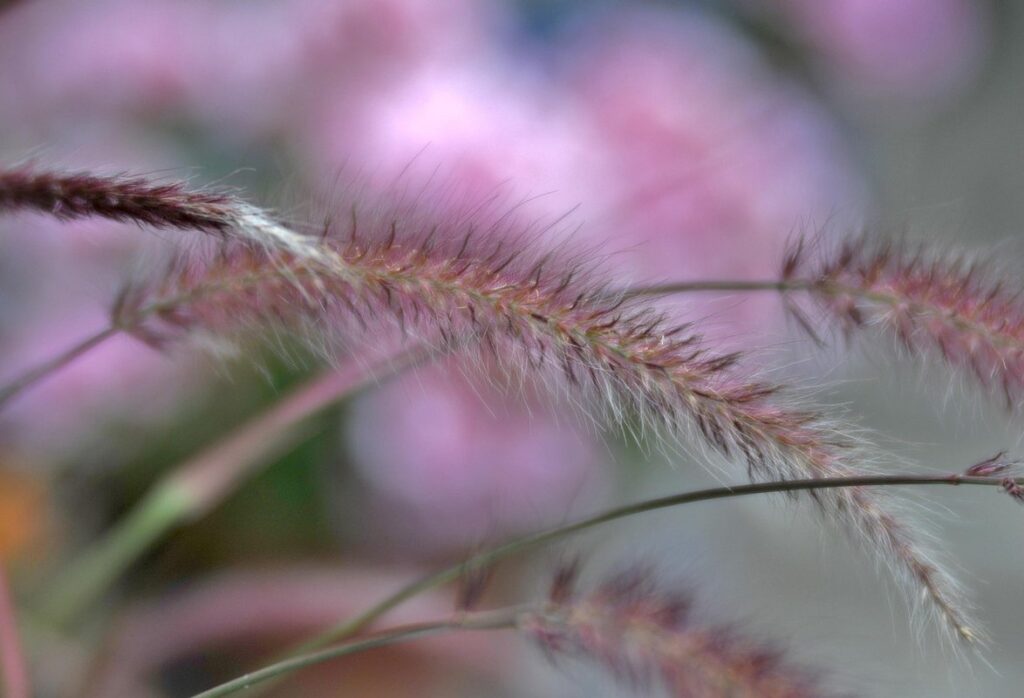
Benefits of Ornamental Grasses
One of the most significant advantages of incorporating ornamental grasses into your garden is their ability to provide year-round interest without requiring constant maintenance. They add beauty and texture without breaking a sweat!
Drought Tolerance and Water Conservation
One of the most significant advantages of ornamental grasses is their ability to thrive in drought conditions. These plants have evolved over time to conserve water and survive with minimal moisture, making them an ideal choice for landscapes where water consumption needs to be reduced.
When choosing low-water ornamental grass species, consider plants like Blue Oat Grass (Helictotrichon sempervirens), Little Bluestem (Schizachyrium scoparium), or Pampas Grass (Cortaderia selloana). These varieties are specifically bred to require less water and can survive with minimal irrigation.
To care for your ornamental grasses during drought conditions, follow these tips:
* Water deeply but infrequently to encourage deep root growth
* Mulch around the plants to retain moisture in the soil
* Avoid over-fertilizing, as this can increase water requirements
By incorporating low-water ornamental grasses into your landscape design, you’ll not only reduce water consumption but also create a beautiful and sustainable outdoor space.
Fire Resistance and Safety
Ornamental grasses are not only visually stunning but also offer an added layer of safety and protection for homes and communities in wildfire-prone areas. One of the key benefits of ornamental grasses is their fire-resistant properties, making them an excellent choice for landscaping in areas prone to wildfires.
In fact, many types of ornamental grasses have a low to moderate flammability rating, which means they are less likely to ignite or spread quickly if exposed to heat or flames. For instance, certain species of blue fescue and pampas grass have been shown to be highly resistant to fire, while others like buffalo grass and big bluestem have a moderate level of resistance.
When selecting ornamental grasses for your landscape, look for varieties that are specifically labeled as “fire-resistant” or “wildfire-safe.” Plant them in areas where they can help mitigate the spread of flames, such as along borders, in medians, or near buildings. By incorporating fire-resistant ornamental grasses into your landscaping design, you can enjoy their beauty and benefits while also contributing to a safer community.
Choosing the Right Ornamental Grasses
When selecting ornamental grasses for your garden, it’s essential to consider factors such as growth habits, hardiness zones, and maintenance requirements. This helps ensure you choose varieties that thrive in your specific environment.
Selecting Based on Climate and Soil Type
When selecting ornamental grasses for your garden, it’s essential to consider the regional climate and soil conditions. Different species have varying levels of tolerance for heat, cold, drought, and moisture, so choosing a grass that thrives in your local environment will make maintenance a breeze.
For example, if you live in an area with hot summers and mild winters, look for species like Little Bluestem (Schizachyrium scoparium) or Indiangrass (Sorghastrum nutans), which are native to the prairies of North America. These grasses can tolerate heat, drought, and dry soil, making them perfect for warm climates.
On the other hand, if you live in a region with cold winters and cool summers, consider species like Blue Oat Grass (Helictotrichon sempervirens) or Pampas Grass (Cortaderia selloana), which are hardy and can withstand frost and snow. It’s also crucial to choose grasses that suit your soil type, such as sandy soils or clay-rich soils.
Remember to research the specific needs of each species before making a purchase, and consider factors like mature height, growth rate, and maintenance requirements. By selecting ornamental grasses that match your climate and soil conditions, you’ll enjoy low-maintenance gardening with stunning results.
Factors to Consider: Sunlight, Growth Rate, and Maintenance
When selecting ornamental grasses for your garden, it’s essential to consider three key factors: sunlight requirements, growth rates, and maintenance needs. Let’s start with sunlight – most ornamental grasses require full sun to partial shade, but some varieties can thrive in deep shade or even indoors. For example, the elegant ‘Blue Oat Grass’ (Helictotrichon sempervirens) prefers full sun, while the delicate ‘Fountain Grass’ (Pennisetum setaceum) tolerates partial shade.
Next, think about growth rates – do you want a fast-growing grass that fills in quickly or a slow-growing one that requires less maintenance? Some popular ornamental grasses, such as ‘Pampas Grass’ (Cortaderia selloana), can grow up to 10 feet tall and wide in just a few years. On the other hand, ‘Blue Grama Grass’ (Bouteloua gracilis) is a slow-growing option that’s perfect for smaller spaces.
Finally, consider maintenance needs – some ornamental grasses require regular pruning, while others are more low-maintenance. For instance, ‘Feather Reed Grass’ (Calamagrostis x acutiflora) produces beautiful feathery plumes in the summer but can become messy if not pruned regularly. By understanding these key factors, you’ll be able to choose the perfect ornamental grass for your garden and enjoy its beauty with minimal upkeep.
Planting and Care Techniques for Ornamental Grasses
To get the most out of your ornamental grasses, it’s essential to understand how to properly plant and care for them. This includes selecting the right site and technique.
Preparing the Soil and Planting Site
When preparing to plant ornamental grasses, it’s essential to start with proper soil preparation. This means testing and adjusting the pH level of your soil if necessary. Ornamental grasses generally thrive in well-draining soil with a slightly acidic to neutral pH (5.5-7.0). If your soil is heavy clay or sandy, mix in organic matter like compost or well-rotted manure to improve its structure.
Next, choose a location that receives the right amount of sunlight for your grass type. Some ornamental grasses can tolerate full sun, while others prefer partial shade. Water the site before planting and avoid compacting the soil as you’re digging holes for the plants.
When planting, dig holes slightly deeper than the pot and twice as wide. Gently remove the plant from its container and place it in the hole, making sure the crown (where the stem meets the roots) is level with the surrounding soil. Firm the soil gently around the roots to secure the plant. Water thoroughly after planting and keep the area consistently moist during the establishment period.
Watering and Fertilization Strategies
Watering and fertilization are two critical aspects of ornamental grass care that can often be overlooked. However, getting it right can make a huge difference in the health and appearance of your plants.
When watering, remember that ornamental grasses have different needs depending on their growth habits and climates. Tall grasses, for instance, require more moisture than shorter varieties. As a general rule, water your ornamental grasses when the top inch of soil feels dry to the touch. Be cautious not to overwater, as this can lead to root rot and other issues.
In terms of fertilization, a balanced, slow-release fertilizer applied in spring is ideal for most ornamental grasses. However, it’s essential to choose a fertilizer that’s specifically designed for lawns or garden beds, rather than those meant for vegetable gardens.
As an example, consider the blue oat grass (Helictotrichon sempervirens), which requires less maintenance and can thrive in poor soil conditions with minimal watering. In such cases, fertilizing may not be necessary at all. On the other hand, if you have a lush, fast-growing variety like pampas grass (Cortaderia selloana), you’ll need to provide more nutrients through regular fertilization.
Design Ideas and Applications for Ornamental Grasses
Ornamental grasses can add a beautiful, effortless touch to any garden design, from modern landscapes to traditional borders. We’ll explore inspiring ways to incorporate them into your outdoor space.
Border Planting and Mass Plantings
When it comes to adding ornamental grasses to borders and mass plantings, the possibilities are endless. These low-maintenance plants can add a touch of elegance and sophistication to any landscape design. In this section, we’ll explore some creative ways to incorporate ornamental grasses into your outdoor space.
One of the most effective ways to showcase ornamental grasses is through mass planting. This technique involves grouping multiple plants together in a single area, creating a stunning visual impact. For example, a sea of pampas grass (Cortaderia selloana) can create a dramatic focal point in a large garden bed. To achieve this look, plant several bunches of ornamental grasses close together, leaving enough space for growth and air circulation.
Border planting is another great way to incorporate ornamental grasses into your landscape design. This technique involves mixing ornamental grasses with other plants, such as perennials, shrubs, or annuals, to create a beautiful and dynamic border. For instance, pair a few clumps of blue oat grass (Helictotrichon sempervirens) with some vibrant perennials like black-eyed Susans or coneflowers for a striking contrast of texture and color.
When selecting ornamental grasses for borders or mass plantings, remember to consider factors such as mature size, growth habits, and foliage colors. This will ensure that your chosen plants complement each other and create a harmonious visual effect. With a little planning and creativity, you can achieve a stunning display of ornamental grasses in your garden that’s sure to impress family and friends alike.
Container Gardening and Vertical Gardens
When it comes to ornamental grasses, one of their most appealing qualities is their adaptability. This versatility makes them an ideal choice for container gardens and vertical gardening applications, perfect for small spaces or unique designs.
In a container garden, ornamental grasses can add texture, movement, and visual interest to even the smallest of areas. For example, you can create a stunning display with Pampas Grass (Cortaderia selloana) in a large planter on your balcony or patio. Simply fill the container with well-draining soil, plant the grasses at the recommended depth, and enjoy their billowy plumes all season long.
Vertical gardening takes ornamental grasses to a whole new level. Use a trellis or obelisk as a support system for plants like Fountain Grass (Pennisetum setaceum) or Blue Oat Grass (Helictotrichon sempervirens). Not only will the grasses cascade down the structure, but they’ll also create a sense of drama and height in even the smallest spaces.
Maintenance Tips and Tricks for Ornamental Grasses
Now that you’ve chosen the perfect ornamental grasses, let’s dive into some valuable maintenance tips to keep them thriving all year round.
Pruning and Trimming Techniques
Pruning and trimming are essential techniques to maintain the shape, promote growth, and control the spread of ornamental grasses. When done correctly, these tasks can help keep your ornamental grasses looking healthy and beautiful all year round.
Start by removing dead or damaged leaves, stems, and flowers in late winter or early spring, before new growth begins. This will prevent the spread of disease and encourage healthy growth. Use sharp pruning tools to make clean cuts just above a node (the joint where a leaf meets the stem). Cut back spent flowers to the base of the plant to promote seed production.
For maintenance pruning, cut back ornamental grasses by one-third to one-half in late spring or early summer, depending on their growth rate. This will help control spread and maintain shape. For example, if you have a tall, upright grass like pampas grass (Cortaderia selloana), cut it back to about half its height to maintain its elegant appearance.
Remember to always prune ornamental grasses during the growing season, as cutting them back too early can cause damage or stress to the plant.
Common Pests and Diseases: Prevention and Treatment
While ornamental grasses are incredibly low-maintenance, they can still be susceptible to certain pests and diseases. Some common culprits include chinch bugs, spider mites, and Japanese beetles, which can cause damage to the foliage and flowers of your grasses. To prevent infestations, make sure to inspect your plants regularly, looking for signs of eggs, larvae, or actual insects on the stems and leaves.
To treat pest problems, try using neem oil or insecticidal soap, which are both gentle and effective options that won’t harm beneficial insects like bees or butterflies. For diseases like rust, powdery mildew, or root rot, remove any infected foliage to prevent the problem from spreading, and make sure your grasses have good air circulation and are receiving the right amount of water.
Prevention is key, so be mindful of the conditions in which you’re growing your ornamental grasses. Avoid overwatering, which can lead to root rot and other issues. Regularly fertilize with a balanced fertilizer to promote healthy growth, and consider using organic mulch to retain moisture and suppress weeds.
Frequently Asked Questions
Can I use ornamental grasses in containers or vertical gardens?
Ornamental grasses can thrive in containers and vertical gardens, making them an excellent choice for small spaces or urban areas with limited yard space. Just ensure the container is at least 6-8 inches deep to accommodate the grass’s root system.
How do I choose the right ornamental grass for my specific climate and soil type?
When selecting an ornamental grass, consider your region’s hardiness zone, average temperature, and precipitation levels. Also, think about your soil type (clay, sandy, loamy) and its pH level. Research grasses that are tolerant of these conditions to ensure they’ll thrive in your landscape.
Can I use ornamental grasses as a firebreak or fuel break?
Yes, some ornamental grasses are highly flammable and should be avoided near areas prone to wildfires. Instead, choose fire-resistant species like blue oat grass (Helictotrichon sempervirens) or little bluestem (Andropogon scoparius). These will provide a safe barrier without increasing the risk of fires.
How often do I need to water ornamental grasses?
Ornamental grasses are drought-tolerant, but they still require some watering, especially during their first year. Water them deeply once or twice a week, depending on your climate and soil type. After establishment, reduce watering to about once every 2-3 weeks.
Can I use ornamental grasses in areas with high foot traffic?
Yes, many ornamental grasses are durable and can withstand moderate to heavy foot traffic. However, some species like pampas grass (Cortaderia selloana) may require more maintenance and occasional pruning to prevent damage from passing pedestrians or pets.