
Are you tired of spending hours every week mowing, watering, and fertilizing your lawn? Do you wish there was a way to have a beautiful, lush yard without breaking the bank or sacrificing your free time? The good news is that low maintenance lawns are not just a myth – they’re a reality for many homeowners who’ve made the switch. In this ultimate guide, we’ll show you how to create and maintain a stunning lawn with minimal effort. From drought-tolerant plants that thrive in water-scarce conditions to efficient irrigation systems that save you money on your water bill, we’ve got all the smart lawn care tips you need to get started. Whether you’re a busy professional or a homeowner looking to reduce their environmental impact, this article will help you achieve a gorgeous, low maintenance lawn that’s perfect for any lifestyle.
Benefits of a Low Maintenance Lawn
A low maintenance lawn isn’t just a dream, it’s a reality that can save you time and effort. In this section, we’ll explore the benefits that make the extra work worth it.
Reduces Water Consumption
One of the most significant advantages of a low maintenance lawn is its ability to reduce water consumption. This is particularly important for areas prone to droughts or with water restrictions in place. By selecting drought-tolerant plants, you can significantly minimize the amount of watering required.
For example, succulents and native grasses are excellent choices for low maintenance lawns. These plants have adapted to survive in dry conditions and require less frequent watering. In fact, some drought-tolerant grasses can go up to 4-6 weeks without irrigation during summer months.
Efficient irrigation systems also play a crucial role in reducing water consumption. Installing rain sensors or smart controllers can help automate watering schedules, ensuring that your lawn receives just the right amount of moisture when it needs it. This not only conserves water but also saves you time and effort. By combining drought-tolerant plants with efficient irrigation systems, you can enjoy a lush and healthy lawn while significantly reducing your water consumption.
Saves Time and Money
One of the most significant advantages of a low maintenance lawn is the time and money it saves you. Let’s face it, traditional lawns require a lot of work to keep them looking their best. You need to mow, fertilize, and control pests on a regular basis, which can be overwhelming for even the most enthusiastic gardeners.
According to a study by the National Association of Landscape Professionals, homeowners spend an average of 4-6 hours per week maintaining their lawn. This is time that could be spent on more enjoyable activities or simply relaxing in your own backyard. By switching to a low maintenance lawn, you can significantly reduce this time commitment. For example, using drought-tolerant plants and mulch can eliminate the need for frequent watering, while choosing a mix of native grasses and flowers can minimize the need for fertilizers and pesticides.
In addition to saving time, a low maintenance lawn also saves money. A study by the US Environmental Protection Agency found that homeowners can save up to $500 per year by reducing their water consumption through xeriscaping (a type of landscaping that uses drought-tolerant plants). Similarly, using natural pest control methods and avoiding chemical fertilizers can also help reduce costs. By adopting a low maintenance lawn approach, you’ll be able to enjoy your outdoor space without breaking the bank.
Improves Air Quality and Environmental Health
A low maintenance lawn can have a significant impact on air quality and environmental health. When grass is mowed too frequently, it releases more carbon dioxide into the atmosphere. In contrast, allowing your lawn to grow a bit longer between mows reduces this emission by up to 50%. This might seem like a minor difference, but collectively, these reductions can make a significant impact on our environment.
For instance, did you know that if every household in the US raised their lawnmower blade by just one inch, we could prevent over 500 million pounds of carbon dioxide from entering the atmosphere annually? This is equivalent to taking about 11 million cars off the road. By adopting a low maintenance approach, you can contribute to this effort and enjoy the added benefit of having more time for other activities.
In addition to reducing emissions, a low-maintenance lawn also promotes biodiversity by allowing native plants and wildlife to thrive. These ecosystems help purify the air and water while providing habitats for beneficial insects like bees and butterflies.
Choosing Low Maintenance Grass Types
When it comes to creating a low maintenance lawn, selecting the right type of grass is crucial. We’ll explore some top options that are perfect for busy homeowners.
Drought-Tolerant Grasses
When it comes to low-maintenance lawns, drought-tolerant grasses are an excellent choice. These types of grasses have adapted to survive with minimal watering and can thrive even in areas with limited rainfall. Let’s take a look at three popular options: buffalo grass, blue grama, and switchgrass.
Buffalo grass is one of the most widely used drought-tolerant grasses in North America. It’s native to the Great Plains region and requires minimal watering, making it an ideal choice for areas with low rainfall. In fact, buffalo grass can survive with as little as 20 inches of annual rainfall. To keep your buffalo grass lawn healthy, make sure to water it deeply but infrequently.
Blue grama is another excellent option for drought-tolerant lawns. This native Texas grass requires minimal maintenance and can tolerate extreme heat and dryness. Blue grama also attracts pollinators like bees and butterflies, making it a great choice for environmentally conscious homeowners. To maintain your blue grama lawn, water it during periods of extreme drought.
Switchgrass is a perennial grass that’s highly tolerant of drought conditions. It’s native to the eastern United States and requires minimal maintenance. Switchgrass can tolerate a range of soils and light conditions, making it an excellent choice for areas with poor soil quality. To keep your switchgrass lawn healthy, fertilize it lightly during the growing season.
These three drought-tolerant grasses are perfect for homeowners who want to reduce their water consumption while still having a beautiful lawn. By choosing one of these options and following proper maintenance tips, you can enjoy a lush and green lawn without breaking the bank or wasting precious resources.
Slow-Growing Grasses
When it comes to choosing low-maintenance grass types, slow-growing grasses are an excellent option. These types of grasses require less mowing and maintenance compared to their fast-growing counterparts. Three popular slow-growing grasses that fit the bill are tall fescue, fine fescue, and perennial ryegrass.
Tall fescue is a popular choice for lawns due to its deep roots and ability to withstand heat and drought. It requires less mowing than other types of grass, as it grows relatively slowly. Fine fescue is another slow-growing option that prefers cooler temperatures and well-drained soil. Perennial ryegrass, while not the slowest-growing option, can be a good choice for small lawns or areas with heavy foot traffic.
One of the key benefits of slow-growing grasses like these is their ability to conserve water and reduce mowing frequency. By choosing a slower-growing grass, you’ll save time and money on lawn care. To maintain your slow-growing grass, simply keep it well-watered during its active growing season, and apply a balanced fertilizer in the spring and fall. With proper care, these grasses can provide a beautiful, low-maintenance lawn for years to come.
Artificial Turf Options
When it comes to low-maintenance lawn options, artificial turf is definitely worth considering. Also known as fake grass, this synthetic material has gained popularity in recent years due to its numerous benefits.
One of the main advantages of artificial turf is its ability to withstand heavy foot traffic and harsh weather conditions without showing any signs of wear and tear. Unlike natural grass, which requires regular watering, mowing, and fertilizing, artificial turf can be easily cleaned with a broom or a hose. This makes it an ideal choice for busy homeowners who don’t have the time or energy to maintain their lawns.
Another benefit of artificial turf is its durability. With proper installation, it can last for up to 15-20 years without needing replacement. Additionally, artificial turf requires zero maintenance in terms of watering and fertilizing, which can save you a significant amount of money on your water bills and gardening expenses. However, keep in mind that initial installation costs for artificial turf can be steep, ranging from $3 to $10 per square foot.
It’s also worth noting that artificial turf has improved significantly over the years, with many modern varieties designed to mimic the look and feel of natural grass. Some popular types include nylon-based turf, polypropylene-based turf, and hybrid turf. When choosing an artificial turf option, consider factors such as your budget, climate, and intended use for the lawn.
Lawn Care Essentials for Low Maintenance Lawns
To achieve a lush and beautiful low maintenance lawn, it’s essential to focus on the right combination of plants, mowing techniques, and care strategies that promote healthy growth. Let’s dive into these simple yet effective tips.
Mowing and Edging
When it comes to low maintenance lawns, mowing and edging can be a daunting task. However, with the right technique and frequency, you can keep your lawn looking neat and tidy without breaking a sweat.
First, let’s talk about mowing height. The key is to maintain a consistent height of 2.5-3 inches throughout the growing season. This allows for healthy growth while preventing weeds from taking over. As for frequency, it’s best to mow once a week during peak growing seasons and every 10-14 days during slower periods.
When mowing, use a push mower with a wide blade (around 3-4 inches) to make quick work of your lawn. Keep the mower at a slight angle to avoid missing any spots or damaging your grass. It’s also essential to leave the clippings on the lawn, as they act as a natural fertilizer and help retain moisture.
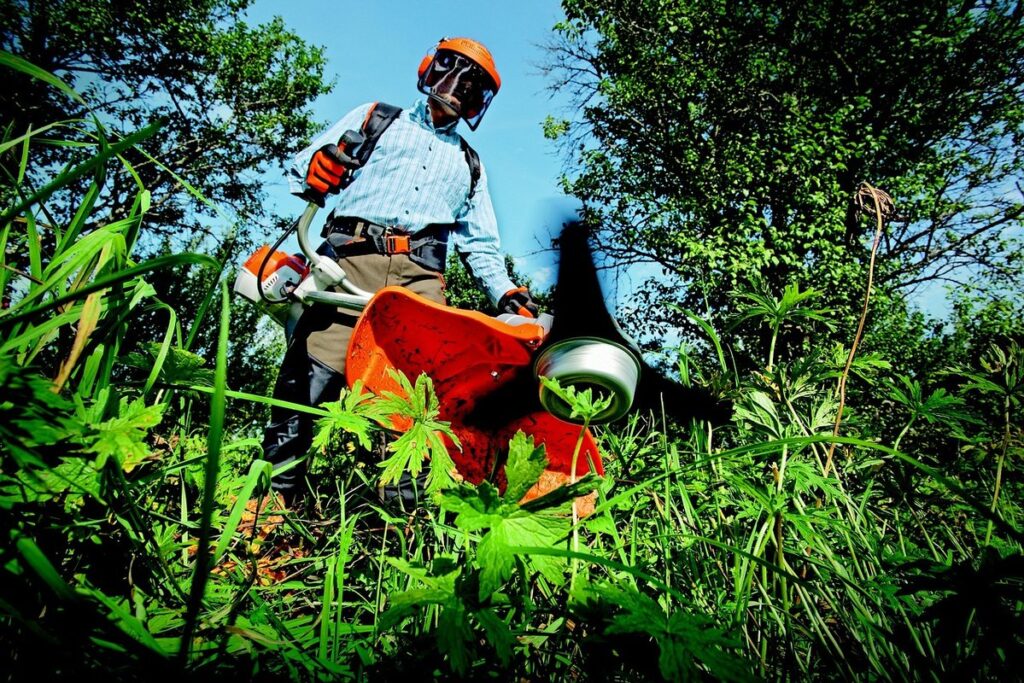
Edging is just as important as mowing when it comes to maintaining a low maintenance lawn. Use a string trimmer to tidy up around trees, gardens, and sidewalks. Cut in small sections, working from one end of the area to the other, to maintain even lines and prevent missed spots. Regular edging also helps prevent overgrowth and keeps your lawn looking neat and well-manicured.
Watering Strategies
Watering efficiently is key to maintaining a low-maintenance lawn. Overwatering can lead to shallow roots, pests, and diseases, which defeat the purpose of having a hassle-free yard. To avoid this, consider installing rain sensors that detect moisture levels in the soil and automatically turn off your irrigation system when it rains.
Drip irrigation systems are another excellent option for low-maintenance lawns. These systems deliver water directly to the roots of plants, reducing evaporation and runoff. Soaker hoses, which release water slowly along their length, can also be an effective alternative to traditional sprinkler systems.
To maximize efficiency, water your lawn during the early morning or evening when temperatures are cooler. This reduces evaporation and allows plants to absorb more water. Avoid watering during peak sun hours when possible.
By implementing these efficient watering strategies, you’ll conserve water, reduce waste, and keep your low-maintenance lawn looking its best.
Fertilization and Pest Control
When it comes to low maintenance lawns, fertilization and pest control needs can be significantly reduced by adopting natural and organic methods. This not only benefits the environment but also saves you time and money in the long run.
To minimize fertilization needs, focus on building a healthy soil ecosystem through composting and mulching. Add a 2-3 inch layer of organic mulch to your lawn to suppress weeds and retain moisture. Compost can be made at home using kitchen scraps and yard waste, providing essential nutrients for your grass without the need for synthetic fertilizers.
For pest control, incorporate natural predators like beneficial nematodes or ladybugs into your lawn care routine. These tiny creatures feed on pests like grubs and aphids, eliminating the need for chemical pesticides. Additionally, plant native flowers and shrubs that attract pollinators and other beneficial insects, further reducing pest pressure.
Aim to mow your lawn at a higher height (around 3-4 inches) to promote deeper root growth and make it more resistant to pests and diseases. By adopting these low maintenance techniques, you’ll be amazed at how little fertilization and pest control you’ll need to keep your lawn looking its best.
Designing a Low Maintenance Landscape
When designing a low maintenance landscape, it’s all about simplicity and practicality. Focus on choosing drought-tolerant plants and easy-to-maintain hardscapes that require minimal upkeep.
Xeriscaping
Xeriscaping is a design approach that’s perfect for homeowners who want to create a beautiful and low-maintenance landscape. It focuses on water efficiency and drought tolerance, making it an ideal choice for areas with limited rainfall or water restrictions. The word “xeriscape” comes from the Greek word “xeros,” meaning dry, and this approach is all about designing landscapes that can thrive in arid conditions.
The key principle of xeriscaping is to use plants that are native to your region and adapted to local climate conditions. These plants require less water and care than non-native species, making them perfect for low-maintenance landscapes. Xeriscaping also emphasizes the use of efficient irrigation systems, such as drip irrigation or soaker hoses, which deliver water directly to the roots of plants.
To get started with xeriscaping, consider using a mix of succulents, cacti, and groundcovers in your design. These plants are not only drought-tolerant but also add texture and visual interest to your landscape. Be sure to choose plants that fit your climate zone and soil type to ensure they thrive in your specific conditions.
Incorporating hardscaping elements like gravel or decomposed granite can also help reduce water usage by allowing rainwater to percolate into the ground rather than running off into storm drains. By incorporating these design elements, you’ll be well on your way to creating a beautiful and low-maintenance landscape that’s perfect for hot and dry climates.
If you’re looking to make the most of xeriscaping in your yard, consider starting small by replacing high-water plants with drought-tolerant alternatives. Begin with a few beds or containers and gradually expand your xeriscape design as you become more confident in its effectiveness.
Permeable Pavers and Patios
When it comes to creating a low maintenance landscape, permeable pavers and patios are excellent options for several reasons. Not only do they add visual appeal to your yard, but they also help reduce stormwater runoff, which can be overwhelming during heavy rainfall events.
By allowing rainwater to percolate into the soil, rather than running off into nearby waterways, permeable pavers help maintain healthy soil conditions. This is especially beneficial in urban areas where impermeable surfaces like pavement and buildings have increased, leading to stormwater runoff issues. According to the EPA, over 1 trillion gallons of stormwater runoff occur each year, contributing to pollution and erosion.
To incorporate permeable pavers into your design, consider using materials like porous concrete or permeable interlocking pavers. These can be used for patios, walkways, or even driveways. When installing these systems, it’s essential to ensure proper drainage by sloping the surface slightly towards a designated drainage area. By doing so, you’ll not only reduce stormwater runoff but also create a beautiful, functional space that requires minimal maintenance.
Incorporating Native Plants
When it comes to designing a low maintenance landscape, incorporating native plants is one of the most effective strategies for creating a thriving ecosystem with minimal upkeep. Native plants have co-evolved over time to perfectly suit their environment, making them incredibly resilient and adaptable.
Not only do native plants require less watering and fertilization, but they also provide a vital source of food and shelter for local pollinators like bees and butterflies. By planting native species in your landscape, you’ll be supporting the health of these essential insects, which are crucial for our ecosystem’s balance.
Incorporating native plants is also an excellent way to connect with your local environment. By choosing species that naturally occur in your area, you’re promoting biodiversity and preserving the unique characteristics of your region. To get started, research the native plant species in your area and select a few that fit your landscape’s conditions. Plant them in clusters or groups to create a pollinator-friendly oasis in your yard.
Remember, incorporating native plants is not only beneficial for the environment but also for your wallet – they require less maintenance and care over time!
Troubleshooting Common Lawn Issues
We all face challenges when it comes to maintaining a lush lawn, so let’s tackle some common issues that can sabotage your low-maintenance yard. From brown spots to patchy growth, we’ve got solutions for you!
Dealing with Pests and Diseases
One of the biggest challenges of low maintenance lawns is dealing with pests and diseases that can quickly spread and wreak havoc on your beautiful yard. To identify common issues, keep an eye out for signs like yellowing grass, white powdery patches, or actual insects crawling around.
Some common pests include chinch bugs, billbugs, and sod webworms. These tiny critters feed on your lawn’s roots, leaving it vulnerable to disease and decay. For example, the Japanese beetle is a notorious pest that can cause significant damage to grass if left unchecked.
When it comes to treating these issues organically, there are several effective methods. For instance, using neem oil or insecticidal soap can help control populations without harming beneficial insects. Another option is introducing natural predators like ladybugs or lacewings to your lawn to feed on pests.
In addition to controlling pests, diseases like powdery mildew and rust can also cause problems. Regular watering, adequate sunlight, and good air circulation can all help prevent fungal growth. For existing outbreaks, consider using fungicides specifically designed for organic lawns.
Addressing Soil Compaction
Soil compaction is a common issue that can affect even the most well-intentioned low maintenance lawn. It occurs when soil is compressed by foot traffic, heavy equipment, or even just the weight of plants themselves. If left unchecked, it can lead to poor drainage, reduced root growth, and even the death of your grass.
To identify if your lawn has soil compaction issues, look for signs such as thinning grass, uneven growth patterns, and an overall spongy feel when walked upon. Aeration is a simple yet effective technique for addressing this problem. Use a manual or powered aerator to poke holes in the soil every 6-8 inches, allowing air, water, and nutrients to penetrate more easily.
In addition to aeration, improving soil structure can also help mitigate compaction issues. Mix in organic matter like compost or well-rotted manure to increase the soil’s ability to retain moisture and reduce erosion. You can also top-dress with a thin layer of sand or perlite to further enhance drainage and prevent waterlogged conditions from exacerbating compaction.
Managing Weeds
Managing weeds is one of the most significant challenges you’ll face when maintaining a low-maintenance lawn. While it’s impossible to eliminate weeds entirely, there are effective strategies for preventing and controlling them. To begin with, prevent weeds from germinating by establishing a dense turf through proper mowing and watering techniques.
Apply a pre-emergent herbicide in early spring, following the manufacturer’s instructions, to inhibit weed growth. For existing weeds, physically remove them using a tool like a hoe or hand weeder before they produce seeds. For larger areas, consider mulching with a 2-3 inch layer of wood chips or compost to suppress weed growth.
Regular lawn care practices such as mowing high (around 3-4 inches) and fertilizing lightly can also help reduce weed pressure. It’s essential to maintain a healthy turf that can outcompete weeds for water, nutrients, and light.
Monitor your lawn regularly for early signs of weeds, and address the issue promptly to prevent their spread. By combining these strategies, you can keep weed growth under control and enjoy a beautiful, low-maintenance lawn year-round.
Frequently Asked Questions
What is the ideal time to implement a low maintenance lawn?
If you’re new to low maintenance lawns, it’s essential to start with small changes, like replacing high-maintenance grasses with drought-tolerant varieties or implementing efficient watering systems. Start by assessing your yard and identifying areas that require the most attention.
How can I ensure my low maintenance lawn remains healthy during extreme weather conditions?
Extreme heat, cold snaps, or prolonged droughts can still affect even the most resilient lawns. To mitigate these effects, consider using soil moisture sensors to monitor watering levels, installing rain barrels for supplemental water storage, and implementing a mulching program to retain soil moisture.
Can I still have a lush lawn with minimal mowing?
While low maintenance lawns often require less frequent mowing, you can still achieve a lush look. Consider using a mower with adjustable blade height to maintain a slightly longer length (3-4 inches), which promotes deep root growth and reduces water consumption.
How do I know if my yard is suitable for xeriscaping?
Xeriscaping involves designing landscapes that use minimal water by incorporating drought-tolerant plants, efficient irrigation systems, and other water-saving techniques. Consider assessing your yard’s sun patterns, soil type, and existing vegetation to determine the best design approach.
What are some common mistakes to avoid when transitioning to a low maintenance lawn?
When transitioning to a low maintenance lawn, it’s essential to avoid overwatering, which can lead to shallow root growth and increased water consumption. Additionally, be cautious not to remove too much topsoil during soil preparation, as this can damage your yard’s ecosystem and increase the risk of erosion.