
Are you ready to uncover the secrets of one of nature’s most versatile treasures? The humble loofah plant has been used for centuries in various forms, from skincare routines to traditional medicine. Native to tropical and subtropical regions, these plants are a fascinating example of how Mother Nature provides us with the tools we need to live healthier and more sustainable lives. But what makes loofahs so special? Not only do they offer an effective way to exfoliate and soften our skin, but they also have culinary applications and can be used in natural remedies for various ailments. In this article, we’ll delve into the world of loofah plants, exploring their natural habitats, skincare benefits, traditional medicine uses, and more – all while sharing tips on how to use them safely and effectively.
History and Origin of the Loofah Plant
The loofah plant has a rich history that dates back thousands of years, originating from tropical regions where it was first cultivated for its unique properties. Let’s delve into its fascinating origins and evolution over time.
Introduction to the Loofah’s Natural Habitat
The loofah plant, also known as Luffa cylindrica, has its roots in various regions across Africa and Asia. Native to tropical and subtropical areas, it thrives in warm temperatures and high humidity levels. In Africa, the loofah plant is commonly found in countries such as Egypt, Sudan, and South Africa, where it grows along rivers and lakeshores.
In Asia, China and India are among the largest producers of loofah plants. The plant’s natural habitat in these regions is characterized by abundant rainfall, fertile soil, and a long growing season. In its native habitats, the loofah plant grows as a vigorous climber, using nearby vegetation for support as it ascends towards the sun.
Interestingly, the loofah plant has been cultivated for thousands of years in these regions, with evidence suggesting that ancient civilizations used its fibers for clothing and other purposes. Understanding the loofah plant’s natural habitat is essential to appreciating its versatility and adaptability, traits that have contributed to its widespread cultivation and use today.
Early Human Interaction with the Loofah Plant
Ancient civilizations were well-acquainted with the loofah plant’s versatility and utilized it for various purposes. In ancient China, loofah plants were grown for their edible roots, which were consumed as a delicacy. The Chinese also used the plant’s fibers to create rope, baskets, and other household items.
In India, the loofah plant was revered for its medicinal properties. The plant’s seeds were crushed and made into a paste to treat various ailments, including fever and indigestion. The ancient Indians also used the loofah plant’s sap as an antiseptic to clean wounds.
Interestingly, the Greeks and Romans recognized the loofah plant’s exfoliating properties and used its fibers as a natural scrubber for cleaning skin. They would soak the fibers in water or milk to create a paste that was then applied to the skin to remove dead skin cells and soften the complexion.
These early uses of the loofah plant demonstrate its long history of being valued for both its practical and medicinal properties. By exploring these ancient civilizations’ uses, we can appreciate the loofah plant’s significance in traditional cultures and its continued relevance today as a natural remedy and cleaning agent.
Physical Characteristics and Growth Habits of the Loofah Plant
The loofah plant is a unique species, and understanding its physical characteristics and growth habits is essential to appreciating its benefits and uses in various applications. Let’s take a closer look at what makes this plant so special.
Description of the Plant’s Physical Appearance
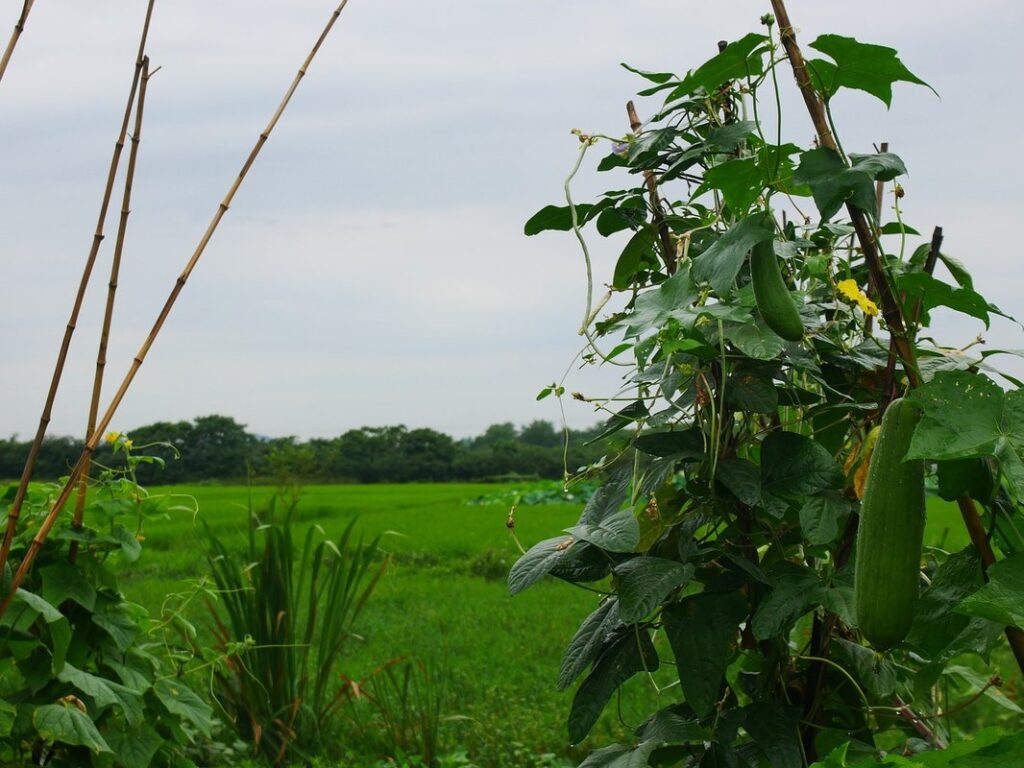
The loofah plant’s physical appearance is quite striking, with several unique features that set it apart from other plants. One of its most distinctive characteristics is the long, slender tendrils that grow from the stem. These tendrils can extend up to 10 feet or more in length and are covered in soft, fine hairs that help the plant climb up supports. The leaves of the loofah plant are compound, with 3-5 leaflets each, and have a pale green color.
The fruit of the loofah plant is another notable feature, consisting of a small, oval-shaped pod that contains numerous seeds. These pods can grow up to 10 inches long and turn yellow or orange as they mature. The seeds themselves are relatively large, about 1 inch in length, and have a distinctive shape. When fully ripe, the fruit splits open, releasing the seeds.
The combination of these unique features makes the loofah plant an attractive and interesting specimen for gardens and plant enthusiasts alike.
Growing Conditions and Requirements
Loofah plants thrive in warm and subtropical climates with temperatures ranging from 65°F to 95°F (18°C to 35°C). They prefer well-drained soil that is rich in organic matter, making loam or sandy loam ideal for cultivation. To ensure optimal growth, the soil pH should be between 6.0 and 7.0.
When caring for your loofah plant, provide it with full sun to partial shade, depending on your location. In areas with intense sunlight, provide a trellis or other support for the plant to climb. Water regularly, but avoid overwatering, which can lead to root rot.
In addition to these requirements, loofah plants benefit from a fertilization regime that includes nitrogen-rich organic matter such as compost. This will promote healthy growth and maximize fruit production. By replicating these conditions in your garden or greenhouse, you’ll be well on your way to cultivating bountiful harvests of this versatile plant.
Some key factors to keep in mind when growing loofah plants include:
* Regular pruning to maintain a manageable size
* Monitoring for pests such as aphids and whiteflies
* Providing support for the plant’s climbing habit
By paying attention to these details, you’ll be able to successfully cultivate loofah plants that will provide a rich source of fiber-rich fruit.
Health Benefits of Using Loofahs in Skin Care
When it comes to exfoliating and caring for your skin, you may be surprised at just how effective a simple loofah can be. In this section, we’ll explore its impressive health benefits.
Exfoliation and Skin Texture Improvement
Regular exfoliation is essential for maintaining healthy, radiant skin. One of the key benefits of using loofahs is their ability to improve skin texture and reduce dead skin cells. This is achieved through gentle yet effective removal of dry, flaky skin, allowing new cells to grow in their place.
Using a loofah regularly can help to achieve smoother, softer skin. The unique texture of the loofah plant, with its natural fibers, makes it an excellent tool for exfoliating and cleaning the skin. When used in conjunction with soap or body wash, loofahs can help to remove dirt and impurities more effectively than other methods.
To get the most out of your loofah, focus on areas prone to dryness such as elbows, knees, and heels. Wet the loofah before use and gently massage it over the skin in circular motions. Avoid scrubbing too hard, as this can cause irritation and damage to sensitive areas. By incorporating regular exfoliation into your routine, you can say goodbye to rough patches and hello to smooth, healthy-looking skin.
Reduced Risk of Ingrown Hairs and Clogged Pores
When it comes to skin care, using a loofah can be an incredibly effective way to reduce the risk of ingrown hairs and clogged pores. Ingrown hairs occur when hair grows back into the skin instead of outwards, causing irritation and inflammation. Clogged pores, on the other hand, happen when dead skin cells and oil accumulate in the pores, leading to blackheads and whiteheads.
Using a loofah helps to prevent ingrown hairs by gently exfoliating the skin and removing dead skin cells, which can cause hair to become trapped under the surface. It also helps to unclog pores by removing dirt, oil, and other debris that can accumulate inside them. To get the most out of your loofah, be sure to use it in the shower after washing your face or body with soap. Gently massage the loofah over the affected areas in circular motions, paying particular attention to areas prone to ingrown hairs, such as the bikini line and underarms.
Regular exfoliation with a loofah can also help improve skin texture and reduce the appearance of pores, making it an essential part of any skincare routine.
Loofah Plant Uses Beyond Skincare
You might be surprised to learn that loofah plants have uses beyond just exfoliating your skin, and we’re excited to share some of these innovative applications with you. From gardening to culinary delights, we’ll explore it all!
Culinary Applications and Nutritional Value
When it comes to exploring the potential culinary uses for loofahs, you might be surprised at their versatility and nutritional benefits. The edible loofah plant, also known as Luffa cylindrica, has been used in various cultures for its value-rich properties.
One of the most significant advantages of using loofahs in cooking is their high water content, which makes them an excellent source of hydration. Rich in vitamins A and C, potassium, and fiber, loofahs are often incorporated into salads, soups, or sautéed with herbs as a side dish.
In many Asian cuisines, loofahs are used as a low-calorie substitute for meat, showcasing their potential as a protein source. For instance, in a traditional Vietnamese dish called ‘Gỏi Đu Đu’, loofah is stir-fried with onions and chili peppers to create a flavorful accompaniment.
To reap the nutritional benefits of loofahs, focus on purchasing them fresh, as they can quickly lose their flavor and texture. Try pairing steamed or sautéed loofah with your favorite herbs and spices to enhance its natural taste.
Traditional Medicine and Folk Remedies
In traditional medicine and folk remedies, loofahs have been used for their cleansing and soothing properties. In some Asian cultures, loofahs are used as a natural exfoliant to clean wounds and soothe skin irritations. For instance, in Ayurvedic medicine, loofah paste is applied topically to remove dead skin cells and reduce inflammation.
Loofah-based products have also been used to treat various health conditions. In some African cultures, loofah powder is mixed with water to create a paste that’s applied to the affected area to relieve pain and reduce swelling. Similarly, in traditional Chinese medicine, loofah tea is brewed from dried loofah seeds to treat digestive issues.
When using loofahs or loofah-based products for folk remedies, it’s essential to note the following:
* Use fresh loofah pieces to avoid any potential side effects.
* Apply a small patch test before using loofah paste or powder on a larger area.
* Consult with a healthcare professional if you have sensitive skin or allergies.
These traditional uses of loofahs demonstrate its versatility and effectiveness in treating various health issues. By incorporating loofah-based remedies into your skincare routine, you can harness the plant’s natural benefits to promote overall well-being.
Preparing and Using Loofahs Safely
To use loofahs safely, you’ll want to familiarize yourself with proper preparation techniques and handling guidelines to avoid any potential irritation or infection. Follow these essential tips for a smooth experience.
Tips for Cleaning and Sanitizing Loofahs
When it comes to using loofahs for bathing, cleanliness is key. Bacterial growth can thrive on these spongy tools if not properly maintained. To prevent this, regular cleaning and sanitizing are essential.
Wash your loofah after each use with mild soap and warm water. Rinse thoroughly to remove any remaining soap residue. For a deeper clean, mix 1 tablespoon of white vinegar with 1 cup of water in the microwave for 30 seconds to create a steamy solution. Soak the loofah in this mixture for about an hour before rinsing.
Sanitize your loofah once a week by soaking it in a bowl of equal parts water and white vinegar for at least 10 minutes. Alternatively, you can also use a sanitizing solution specifically designed for washing sponges or exfoliating tools. Always check the care label on your loofah before attempting to sanitize.
To prevent bacterial growth, avoid sharing loofahs with others and replace them every 1-3 months, depending on usage. A clean and sanitized loofah will not only keep you healthy but also ensure that the natural exfoliating benefits of this plant-based tool are fully utilized.
Common Mistakes to Avoid When Using Loofahs
Using loofahs can be a wonderful way to exfoliate and cleanse your skin, but there are some common mistakes to avoid. One of the biggest mistakes is over-exfoliating. It’s easy to get carried away with scrubbing away at dead skin cells, but this can lead to irritation and even micro-tearing of the skin. To avoid this, be gentle when using your loofah and focus on areas that need it most.
Another common mistake is sharing loofahs with others. This may seem like a harmless practice, but it’s actually a breeding ground for bacteria and other germs. When you share a loofah, these germs can easily transfer to your skin, leading to breakouts and infections. To avoid this, make sure to use your own personal loofah and wash it regularly.
Additionally, don’t forget to replace your loofah every 1-2 months or sooner if you notice it’s starting to fall apart. This will ensure that your skin stays healthy and free from irritation. By being mindful of these common mistakes, you can enjoy the benefits of using a loofah while keeping your skin safe and happy.
Frequently Asked Questions
Can I use loofahs for sensitive skin?
Yes, loofahs can be used on sensitive skin, but it’s essential to start with gentle, small amounts and gradually increase as your skin becomes more tolerant. Be sure to choose a clean, well-maintained loofah to minimize irritation.
How do I store my loofah plant after harvesting?
To preserve the medicinal properties of your harvested loofah plant, store it in an airtight container, keeping it away from direct sunlight and moisture. This will help maintain its effectiveness for traditional medicine and folk remedies applications.
Can I grow my own loofah plant at home?
Yes, you can grow your own loofah plant with the right conditions: warm temperatures (above 60°F), high humidity, and well-draining soil. Ensure proper support as it grows, pruning regularly to maintain a healthy shape and encourage fruit production.
How often should I replace my loofah for optimal skin care?
For maximum effectiveness in skincare routines, replace your loofah every 1-2 months or sooner if you notice a decline in its exfoliating power. Regular cleaning and sanitizing can extend its lifespan, but it’s best to err on the side of caution to maintain skin health.
Can I use dried loofah for culinary purposes?
No, only fresh or recently harvested loofah should be used for cooking and nutrition. Dried loofah loses its flavor and texture, making it less suitable for culinary applications. Fresh loofah retains its natural sweetness and can be a nutritious addition to various dishes.