
Living mulch is not just a pretty face for your vegetable garden – it’s a game-changer. By allowing certain plants to grow between your crops, you can drastically reduce weed competition, conserve precious water, and even improve soil health. But what exactly is living mulch, and how does it work its magic? In this article, we’ll dive into the benefits of living mulch in vegetable beds, explore best practices for implementing it successfully, and share real-world examples of gardeners who’ve seen remarkable results. Whether you’re a seasoned gardener or just starting out, you’ll learn how to harness the power of living mulch to create a more efficient, sustainable, and thriving vegetable garden that requires less maintenance and produces more yields.
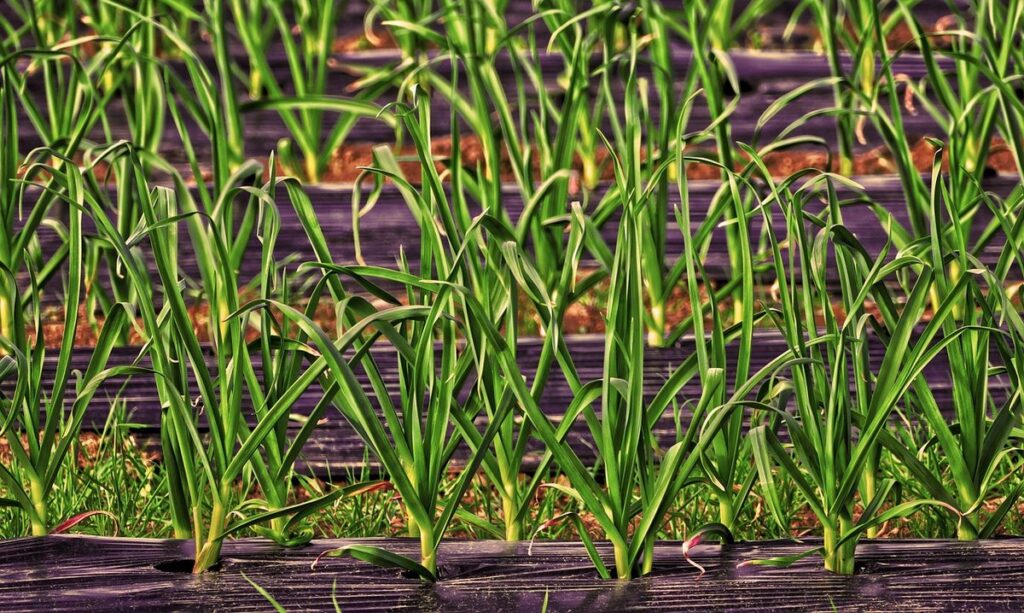
Benefits and Basics of Living Mulch
Now that you understand how living mulch works, let’s dive into its benefits and basic concepts to help you get started with this sustainable gardening technique.
What is Living Mulch?
A living mulch is a layer of plants that grow in between other crops, providing numerous benefits to vegetable beds. This technique has been practiced for centuries in various forms around the world, particularly in Asian and European agriculture. In simple terms, living mulches are similar to cover crops but are more densely packed and specifically chosen for their ability to suppress weeds, retain moisture, and add nutrients to the soil.
In a vegetable garden setting, living mulch is typically made up of small plants like clover, creeping thyme, or even fast-growing grasses. These plants spread quickly and form a dense layer that chokes out weed growth by outcompeting them for resources like light, water, and nutrients. By doing so, they reduce the need for frequent weeding and minimize soil erosion caused by bare patches.
When using living mulch in your vegetable bed, choose a variety that suits your climate and crop selection.
Advantages of Using Living Mulch
Using living mulch in vegetable beds offers numerous advantages that can transform your garden maintenance routine. One of the most significant benefits is reduced soil erosion. When you plant a dense layer of living mulch, it acts as a barrier between your soil and the elements, preventing soil from washing away during heavy rainfall or irrigation. This not only saves you time and money on repair costs but also ensures that your soil remains fertile and healthy.
Living mulch also increases biodiversity in your garden by providing habitat for beneficial insects, such as bees and butterflies. By incorporating a variety of plants with different growth habits, you create a thriving ecosystem that supports the entire food chain. This approach also improves soil health through processes like nitrogen fixation and soil stabilization, reducing the need for synthetic fertilizers.
In addition to these benefits, living mulch helps gardeners conserve resources by minimizing waste. When plants die back, they naturally decompose and become part of the nutrient-rich soil. This eliminates the need for costly mulching materials or disposal fees.
Choosing the Right Plants for Your Living Mulch
When selecting plants for your living mulch, it’s essential to choose varieties that complement your vegetables and thrive in similar growing conditions. Consider factors like growth habits, watering needs, and competition for resources when making your selection.
Selecting Weedy Species
When selecting weedy species for your living mulch, it’s essential to choose plants that thrive in your climate and growing conditions. This will not only ensure their survival but also promote a healthy ecosystem in your vegetable bed.
Consider plants with deep roots, such as clover or creeping thyme, which can outcompete weeds and reduce the need for herbicides. These species can tolerate drought and shade, making them ideal for areas with limited sunlight or dry spells. On the other hand, plants like dandelion and plantain have a shallow root system, so they may not be as effective in preventing weed competition.
To get started, research local weedy species that suit your climate and growing conditions. Look for plants with similar growth habits to your vegetables and ensure they won’t compete for resources like water and nutrients. For example, if you’re growing vining crops like peas or cucumbers, consider using a living mulch of creeping thyme or clover to suppress weeds and retain moisture.
Companion Planting for Maximum Benefits
When it comes to creating a thriving living mulch system in your vegetable beds, companion planting is an essential consideration. By choosing plants that complement each other, you can improve growth, flavor, and pest resistance, while also enhancing the overall ecosystem.
For example, planting marigolds with tomatoes can repel nematodes and attract beneficial insects, such as ladybugs and lacewings, which prey on pests. Meanwhile, basil and mint have natural antiseptic properties that help prevent bacterial diseases in plants like peppers and cucumbers. By strategically interplanting these “companion” species, you can create a harmonious balance within your living mulch system.
Some key benefits of companion planting include:
• Enhanced growth: Certain plants, such as comfrey and clover, act as nutrient-rich fertilizers for nearby vegetables.
• Improved flavor: Planting herbs like oregano and thyme near vegetables can infuse them with a more intense, aromatic flavor.
• Increased pest resistance: By incorporating “trap crop” plants that attract pests away from your desired crops, you can reduce the need for pesticides.
By thoughtfully selecting companion plants to join your living mulch system, you’ll be creating a vibrant, self-sustaining ecosystem in your vegetable beds.
Implementing Living Mulch in Your Vegetable Garden
To successfully implement living mulch in your vegetable garden, you’ll need to choose the right plants and learn how to control their growth. This involves selecting a mix of species that thrive together and won’t compete for resources.
Preparation and Planning
Before introducing living mulch into your vegetable bed, it’s essential to prepare your soil and create a solid plan for its implementation. Start by testing your soil pH levels to determine if they are within the optimal range for the types of plants you’ll be growing. Most vegetables prefer a slightly acidic to neutral soil pH between 6.0 and 7.0.
Next, remove any debris or weeds from the area, as these can compete with your living mulch for resources like water and nutrients. Use a garden fork or tiller to loosen the soil to a depth of about 8-10 inches. This will help break up compacted soil and allow roots to grow deeper.
When planning your living mulch system, consider factors like plant density, growth habits, and nutrient requirements. Select a mix of plants that complement each other in terms of these characteristics. For example, you might pair nitrogen-fixing legumes with plants that benefit from the shade they provide. This will ensure a balanced ecosystem within your vegetable bed and set it up for long-term success.
Planting and Maintenance Techniques
When implementing living mulch in your vegetable garden, proper planting and maintenance techniques are crucial to ensure its effectiveness. Start by selecting a suitable living mulch species that thrives in your climate and complements your vegetables. Plant the living mulch at the right density, typically 2-3 times more densely than you would with regular mulch. This will prevent weeds from growing and allow for efficient watering.
Watering is an essential aspect of maintaining living mulch. Aim to maintain a consistent moisture level by providing about 1-2 inches of water per week. Avoid overwatering, as this can lead to root rot and other issues. Prune your living mulch regularly to control its growth and promote healthy foliage. For example, consider trimming legumes like clover or beans when they reach about 6 inches tall.
To control weeds without chemicals, create a diverse ecosystem by incorporating different species that compete with weeds for resources. Companion planting is also an effective technique – pair vegetables with plants that repel pests or attract beneficial insects.
Challenges and Solutions for Common Issues
As you begin implementing living mulch in your vegetable beds, you may encounter a few common challenges that can be easily overcome with some simple solutions.
Managing Weeds in Your Living Mulch System
Weeds can be a significant challenge when growing vegetables with living mulch. As living mulches like clover and comfrey spread, they create an environment where weeds are more likely to emerge. However, with the right strategies, you can maintain control over weeds without sacrificing the benefits of your living mulch system.
To start, manually removing weeds as soon as they appear is essential. Use a tool like a hoe or a hand weeder to carefully remove the weed from the soil without disturbing the surrounding living mulch. Be sure to cut the weed at ground level to prevent regrowth and reduce competition for resources with your desired crops.
In addition to manual removal, incorporating beneficial microorganisms into your living mulch system can help suppress weeds naturally. These beneficial microbes outcompete weeds for space and resources, reducing weed growth over time. You can introduce these microbes through compost tea or worm casting applications to create a balanced ecosystem in your garden bed.
Overcoming Obstacles with Climate Change and Pests
As we navigate the challenges of climate change, living mulch systems are not immune to its impacts. Rising temperatures and changing precipitation patterns can disrupt the delicate balance of these ecosystems. For example, warmer winters may lead to an earlier start to the growing season, while droughts or excessive rainfall can stress the plants and create ideal conditions for pests.
To adapt to these new conditions, consider incorporating more resilient species into your living mulch mix. Look for plants that are tolerant of heat, drought, or flooding. For instance, creeping thyme is an excellent choice for hot and dry climates, while clover is well-suited for areas with high rainfall. By selecting the right plants for your region, you can create a more robust living mulch system.
When it comes to managing pests, avoid using chemical pesticides, which can harm beneficial insects and further disrupt the ecosystem. Instead, adopt integrated pest management (IPM) strategies that prioritize natural controls. For example, introduce beneficial insects like ladybugs or lacewings to feed on pest populations. You can also use physical barriers, such as fine mesh or row covers, to prevent pests from reaching your plants. By taking a holistic approach to pest control, you can maintain the integrity of your living mulch system and promote a balanced ecosystem.
Case Studies: Real-World Examples of Living Mulch Success
Let’s take a look at how living mulch has been successfully implemented in real-world vegetable gardens, and explore some inspiring examples of its use. From farmers to gardeners, we’ll examine how this approach can benefit your own gardening practice.
Successful Living Mulch Implementations
Gardeners like Maria Rodriguez and John Lee have successfully implemented living mulch in their vegetable gardens. Maria uses creeping thyme as a living mulch around her tomatoes, which not only retains moisture but also repels pests that target the plants.
Maria’s key takeaway is to choose a living mulch that complements your vegetables’ growth habits. For example, she uses a shallow-rooted living mulch like creeping thyme for areas with intense competition from weeds and deeper-rooted vegetables like corn and peas.
John Lee has implemented a mix of clover and creeping rye as his living mulch. He notes the importance of allowing enough space between plants for the living mulch to grow and spread evenly. This ensures proper weed suppression and reduces soil erosion.
Both Maria’s and John’s approaches demonstrate how living mulch can be tailored to specific garden conditions. Consider factors like climate, soil type, and pest management when selecting a living mulch species for your vegetable bed.
Scaling Up: Large-Scale Living Mulch Implementation
When implementing living mulch on a large scale, farmers and permaculture designers must consider factors such as labor efficiency, equipment needs, and long-term maintenance costs. In commercial operations, living mulch is often integrated into existing management systems to reduce soil erosion, suppress weeds, and retain moisture.
Take, for instance, the example of the Rodale Institute’s research farm in Pennsylvania. The institute implemented a large-scale living mulch system on 10 acres of vegetable beds, using cover crops like clover and rye to maintain soil health and reduce weed pressure. By adopting this approach, they were able to increase crop yields by up to 30% while minimizing the need for herbicides and other chemicals.
To scale up living mulch implementation in your own operation, consider these key strategies:
* Choose a diverse mix of cover crops that are well-suited to your climate and soil type
* Plan for regular mowing or harvesting to maintain mulch density and prevent weed growth
* Integrate living mulch into your existing crop rotation and soil management systems
* Monitor soil health and adjust your living mulch strategy as needed to ensure optimal results
Best Practices for Long-Term Success with Living Mulch
To truly thrive with living mulch, it’s essential to establish habits that promote healthy growth and minimize maintenance over time, ensuring your garden remains vibrant year after year.
Continuous Monitoring and Improvement
As you establish a living mulch system in your vegetable beds, it’s essential to remember that this approach is not a one-time fix. Continuous monitoring and improvement are crucial for long-term success. Over time, your living mulch will evolve with the changing conditions of your garden.
Start by maintaining accurate records of your living mulch system’s performance. Track factors such as soil temperature, moisture levels, weed pressure, and the health of your underlying crops. This data will help you identify areas that require adjustment. For example, if your soil is consistently too dry, you may need to introduce more drought-tolerant species or improve your irrigation schedule.
As conditions change from season to season, be prepared to adapt your living mulch system accordingly. This might involve introducing new species to address specific challenges or adjusting the proportions of different components in your living mulch mixture. By staying vigilant and making adjustments as needed, you’ll ensure that your living mulch continues to provide benefits like reduced erosion, increased soil fertility, and minimized weed growth.
Educating Others: Sharing Your Living Mulch Experience
As you’ve experienced firsthand the benefits of living mulch in your vegetable bed, it’s now time to share that knowledge with others. Whether it’s a friend, family member, or fellow gardening enthusiast, educating them on the joys and challenges of living mulch can have a ripple effect in your community.
Start by sharing your success stories and lessons learned from incorporating living mulch into your garden. Be specific about which types of vegetables worked well under its canopy, and how it helped with weed suppression, soil health, and water retention. You might say something like, “I used a mix of clover and creeping thyme in my bed, and I was amazed at how easily they grew alongside my tomatoes and cucumbers!”
When sharing your experience, emphasize the importance of choosing the right living mulch for your specific climate and garden conditions. Mention any challenges you encountered, such as competition with vegetables for water or nutrients, and how you overcame them.
By being open and honest about the benefits and drawbacks of living mulch, you’ll not only inspire others to try it but also help them avoid potential pitfalls.
Conclusion: Embracing a Sustainable Future with Living Mulch
Now that you’ve learned the benefits and techniques of incorporating living mulch into your vegetable beds, let’s explore how it can shape the future of sustainable gardening.
Recap of Key Takeaways
In conclusion, embracing living mulch in your vegetable beds can have a profound impact on your garden’s sustainability and overall health. By implementing this approach, you’ll be taking significant steps towards reducing soil erosion, conserving water, and minimizing the need for herbicides and fertilizers.
Key takeaways from our discussion include:
* Choosing the right plants: Select living mulch species that are suitable for your climate and will thrive in your vegetable bed’s conditions. For example, creeping thyme is an excellent choice for warm climates, while clover excels in cooler temperatures.
* Planting at the right time: Timing is crucial when introducing living mulch to your vegetable beds. Make sure to plant after harvesting a crop or before planting a new one, allowing enough space for the living mulch to establish itself.
* Maintenance is minimal: Living mulch requires less maintenance than traditional mulch, as it grows with your vegetables and can be easily trimmed back when necessary.
By incorporating these tips into your gardening routine, you’ll be well on your way to enjoying a more sustainable and thriving vegetable garden.
Final Thoughts on the Future of Gardening
As we conclude our exploration of living mulch in vegetable beds, it’s clear that this sustainable approach has the potential to revolutionize the way we garden. By embracing living mulch, gardeners and farmers can work together to create a more resilient and environmentally friendly food system.
Imagine a future where gardens thrive without the need for synthetic fertilizers or pesticides. Where soil health is prioritized over profit margins, and biodiversity is celebrated as a vital component of ecosystem balance. This vision may seem ambitious, but it’s achievable with living mulch as a key strategy.
To get there, gardeners can start by experimenting with different types of living mulches in their vegetable beds. They can also advocate for policies that support sustainable agriculture practices and promote the use of living mulches on larger scales. By working together, we can create a future where gardens are not only productive but also regenerative, nurturing the soil and the environment for generations to come.
By embracing this vision, gardeners and farmers can be part of a movement that prioritizes the health of our planet over profit margins.
Frequently Asked Questions
Can I use living mulch with my existing vegetable garden, or do I need to start from scratch?
Yes! One of the best things about living mulch is that it can be integrated into your existing garden design. Simply choose a suitable species for your climate and growing conditions, and plant it in between your crops. Be sure to research companion planting techniques to ensure you’re pairing plants that complement each other.
How do I manage weeds in my living mulch system if some unwanted species start growing?
Weeds can be a challenge with any mulching technique, but living mulch offers an advantage: its dense growth tends to outcompete weeds. Regularly inspect your living mulch and remove any invasive species before they take over. You can also use natural weed barriers like cardboard or newspaper to suppress weed growth.
Can I use living mulch in areas with poor soil quality, or does it require a certain level of soil health?
While living mulch does contribute to improved soil health, it’s not necessary to have perfect soil for it to work. Choose plants that are adapted to your local conditions and can thrive in less-than-ideal soil. As the living mulch grows, it will help break down organic matter and improve soil structure over time.
How long does a living mulch take to establish itself before I see significant benefits?
Establishment time varies depending on the species chosen and environmental factors like climate and moisture levels. Generally, you can expect to see noticeable benefits within 2-4 months after planting, as the living mulch begins to suppress weeds and retain soil moisture.
Can I combine different types of living mulch in a single bed, or should I stick with one species?
While it’s technically possible to combine multiple species, it’s often more effective to choose a few well-suited plants that work together harmoniously. This approach will help you avoid potential conflicts between the species and ensure a balanced ecosystem within your living mulch system.