
As you plan your garden landscape, have you considered adding some versatile line leaved shrubs to create a beautiful and wildlife-friendly oasis? These plants offer numerous benefits, from providing habitat for local wildlife to adding texture and color throughout the seasons. With their unique foliage, line leaved shrubs can add visual interest to any garden design. But with so many types to choose from, it can be overwhelming to decide which ones will work best in your outdoor space. In this article, we’ll explore the different benefits and care requirements of line leaved shrubs, as well as some popular varieties to consider for your garden. Whether you’re a seasoned gardener or just starting out, this guide will help you create a stunning landscape that thrives all year round.
Understanding Line Leaved Shrubs
Let’s dive into what makes line leaved shrubs unique, and explore their characteristics, growth habits, and requirements for a thriving landscape. You’ll gain valuable insights to identify these special plants in your garden.
Characteristics of Line Leaves
When it comes to line leaved shrubs, one of the most distinctive and recognizable features is their foliage. Line leaves are characterized by their narrow, elongated shape, often with a pointed tip at the end. This unique shape allows for maximum exposure to sunlight, which can contribute to healthy growth and robust flowering.
In terms of size, line leaves can vary greatly depending on the specific shrub variety. Some may be as small as 1-2 inches in length, while others can reach up to 6 inches or more. The size and shape of line leaves can also impact the overall appearance of a shrub, with some varieties featuring dense, compact foliage and others sporting more open, airy growth habits.
One of the key benefits of line leaved shrubs is their ability to thrive in a wide range of environments. Unlike other types of foliage, which may be sensitive to heat or cold, line leaves are often more resilient and adaptable. This makes them an excellent choice for gardeners who want to add some low-maintenance beauty to their landscape without worrying about the details.
Types of Line Leaved Shrubs
There are numerous types of line leaved shrubs, each with its unique characteristics and requirements. The English Holly (Ilex aquifolium) is a popular variety that thrives in temperate climates, requiring well-drained soil and full sun to partial shade conditions. Native to Europe and Western Asia, it’s often used for hedges, topiaries, and ornamental purposes.
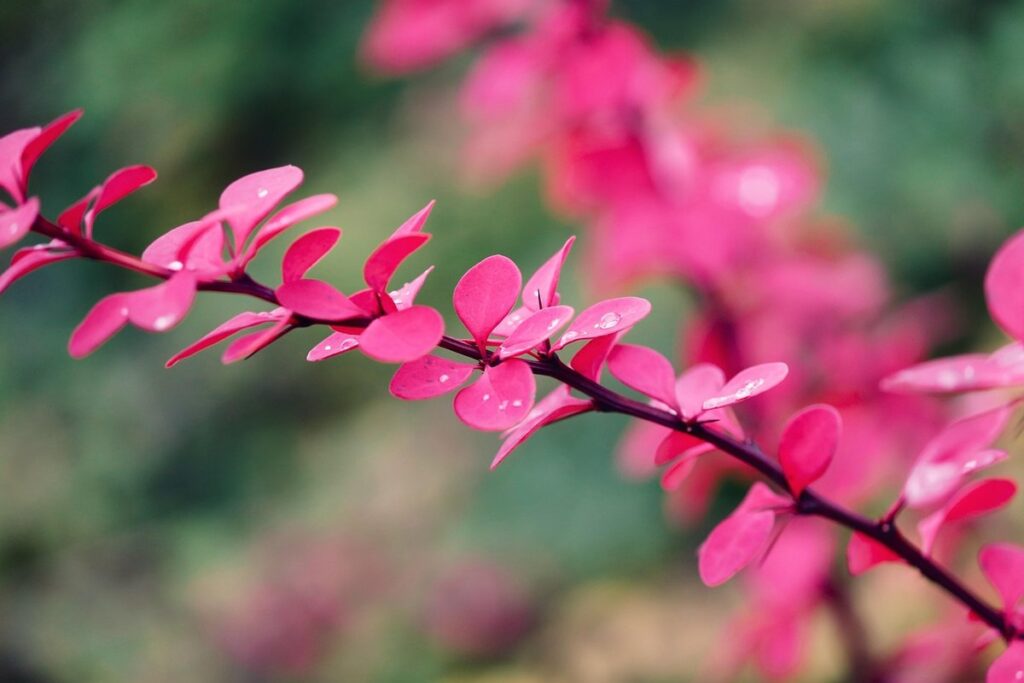
Another notable species is the Japanese Barberry (Berberis thunbergii), which is native to East Asia. This shrub prefers well-drained soils and can tolerate a range of light conditions, from full sun to partial shade. It’s widely used for its vibrant yellow foliage and red berries in fall.
The Boxwood (Buxus sempervirens) is another popular choice for line leaved shrubs, particularly for formal hedges and topiaries. Native to the Mediterranean region, it requires well-drained soil and full sun to partial shade conditions to thrive.
When selecting a line leaved shrub for your garden, consider factors such as climate, soil type, and intended use. Ensure you choose a variety that suits your specific needs and provides optimal growth conditions.
Benefits of Using Line Leaved Shrubs in Landscaping
Now that you’ve learned what line leaved shrubs are, let’s dive into one of their greatest advantages: how they can enhance your outdoor space. These versatile plants offer numerous benefits for landscaping projects.
Aesthetic Appeal
When it comes to creating visually stunning gardens, line leaved shrubs are an excellent choice. These versatile plants can add a wealth of texture, color, and interest throughout the seasons, making them a valuable addition to any garden design.
One of the primary benefits of using line leaved shrubs is their ability to provide year-round visual appeal. In the spring, they burst forth with vibrant new growth, often displaying delicate white or pink flowers that attract pollinators and add a pop of color to the landscape. As summer arrives, their foliage takes center stage, offering a range of textures and shades to complement other plants in the garden.
In fall and winter, line leaved shrubs remain a vital component of the garden’s aesthetic appeal, often displaying striking autumnal hues or frosty coatings that add depth and interest. By incorporating these shrubs into your design, you can create a layered, visually dynamic landscape that engages visitors throughout the seasons. Consider mixing them with plants of contrasting textures and colors to create a truly show-stopping display.
Wildlife Attraction and Support
When it comes to incorporating line leaved shrubs into your landscaping, one of the most significant benefits is the support they provide for local wildlife. These shrubs serve as a haven for birds, insects, and small mammals, offering them shelter, food, and a place to raise their young.
The dense foliage of line leaved shrubs provides an ideal habitat for various bird species, such as songbirds and warblers, which can nest and feed among the leaves. The shrubs’ berry-producing capabilities also attract birds like robins and blue jays, who rely on these fruits as a vital food source during the winter months.
Insects like bees, butterflies, and ladybugs find solace in line leaved shrubs, using them to pollinate flowers or lay eggs. Small mammals like rabbits and hares use the shrubs’ dense undergrowth for shelter and cover from predators. By incorporating line leaved shrubs into your landscape design, you can create a thriving ecosystem that supports local wildlife and enhances biodiversity.
To maximize the wildlife-appealing potential of your line leaved shrubs, consider planting a mix of shrub species with varying bloom times to provide a constant source of nectar and pollen for pollinators.
Choosing the Right Line Leaved Shrub for Your Needs
When selecting a line leaved shrub, you’ll want to consider factors such as growth habits, mature size, and desired care level. This helps ensure your new plant thrives in its environment.
Climate Considerations
When selecting a line leaved shrub, it’s essential to consider your local climate and region. Different parts of the country experience varying levels of heat, cold, and moisture, which can impact the health and longevity of your plant.
Hardiness is a critical factor to consider when choosing a line leaved shrub. Look for plants that are designated as hardy in your USDA zone or have a similar rating. For example, if you live in an area with harsh winters, choose a shrub with a high cold tolerance rating, such as Viburnum rhytidophyllum, which can withstand temperatures as low as -20°F.
Moisture requirements are also essential to consider. Line leaved shrubs can range from drought-tolerant to moisture-loving, so make sure you select a plant that fits your local water conditions. Some line leaved shrubs, like Rhododendron catawbiense, prefer well-draining soil and can thrive in areas with moderate watering. Others, such as Weigela florida, require regular watering and may not do well in dry spells.
When evaluating climate considerations, don’t forget to check the specific growing conditions required by your chosen line leaved shrub. With a little research and planning, you can select a plant that will thrive in your unique climate and region.
Planting and Care Tips
When planting line leaved shrubs, it’s essential to choose a location that provides the right amount of sunlight and water. Typically, line leaved shrubs prefer well-drained soil and full sun to partial shade. Dig a hole twice as wide and just as deep as the root ball, and gently place the plant in the center. Backfill with a mix of soil and organic matter, making sure not to compact the soil.
Proper care involves regular pruning to maintain shape and promote healthy growth. Prune during the dormant season (winter or early spring) to minimize stress on the plant. Remove any dead, diseased, or damaged branches, cutting them back to about an inch from a bud. Fertilize lightly in the spring with a balanced fertilizer, following the manufacturer’s instructions.
Regular pest management is also crucial. Check your plants regularly for signs of pests like aphids, spider mites, and scale. Use neem oil or insecticidal soap as needed to control infestations. Mulch around the base of the plant to retain moisture and suppress weeds, but keep it a few inches away from the trunk to prevent rot.
Common Problems with Line Leaved Shrubs
While line leaved shrubs offer many benefits, there are some common issues to watch out for, including overwatering and nutrient deficiencies that can lead to disease.
Pests and Diseases
Like any living thing, line leaved shrubs are susceptible to pests and diseases that can cause damage and even kill them. Identifying these issues early on is crucial for effective treatment and prevention.
Some common pests that affect line leaved shrubs include spider mites, scale insects, and aphids. These tiny creatures feed on the sap of the plant, causing yellowing leaves, stunted growth, and a sticky substance called honeydew to form on the foliage. To get rid of them, use insecticidal soap or neem oil according to the product’s instructions.
Diseases like root rot, leaf spot, and powdery mildew can also affect line leaved shrubs. These are often caused by overwatering, poor air circulation, and high humidity. Prevent these issues by ensuring good air circulation around your plants and avoiding overhead watering.
Regular inspections of your plants will help you catch any problems early on. Look for signs like yellowing leaves, black spots, or a white powdery coating on the foliage. If you do notice any issues, act quickly to treat them with the appropriate fungicide or insecticide.
Common Maintenance Tasks
To keep your line leaved shrubs looking their best year-round, regular maintenance is crucial. One of the most important tasks is pruning, which helps control shape and size while promoting healthy growth. Prune your shrubs in late winter or early spring, removing any dead, diseased, or damaged branches. Cut back overgrown stems to encourage new growth, and thin out dense areas for better air circulation.
In addition to pruning, regular deadheading is essential for maintaining the appearance of line leaved shrubs. Remove spent flowers as they fade to encourage more blooms throughout the growing season. This simple task can make a significant difference in your shrub’s overall look.
Finally, mulching around the base of your line leaved shrubs helps retain moisture and suppress weeds. Use a thin layer (about 2-3 inches) of organic mulch like wood chips or bark to achieve these benefits. By incorporating these maintenance tasks into your routine, you’ll be able to enjoy your line leaved shrubs at their best all year round.
Advanced Techniques for Growing Line Leaved Shrubs
To take your line leaved shrub game to the next level, we’ll dive into advanced techniques for pruning, propagation, and care that yield stunning results.
Propagation Methods
Propagating line leaved shrubs can be achieved through various methods, each with its own advantages and requirements. One of the most common methods is taking cuttings from established plants. To do this, select healthy stems with at least two sets of leaves, and trim them to about 3-4 inches long, just above a node. Remove lower leaves, dip the cut end in rooting hormone, and plant it in well-draining soil.
Another method is layering, which involves bending a stem down to the ground and weighting it with a stone or U-shaped wire. Over time, roots will develop where the stem meets the soil. Once sufficient roots have formed, cut the stem below the node from where it was bent, taking care not to damage any of the new roots.
Division is also an effective method for propagating line leaved shrubs. This involves digging up a mature plant and separating its roots, replanting the separated sections in well-draining soil. It’s essential to choose plants with visible growth nodes, as these will be crucial for the success of this method.
Some line leaved shrub species are more prone to successful propagation using one or two methods over others. For instance, Buddleja globosa and Viburnum davidii tend to do well with cuttings, while Camellia and Rhododendron perform better through layering or division. Understanding these differences will help you tailor your approach according to the specific plant type.
When selecting a method, consider the time of year, plant species, and desired outcome. Some methods may require more time or effort than others but can yield superior results in terms of root growth and overall success rate.
Conclusion
As you’ve now gained valuable insights into the world of line leaved shrubs, it’s time to take action. Remember that these versatile plants can thrive in various conditions and provide year-round interest for your garden. From ornamental hedges to wildlife-friendly habitats, line leaved shrubs offer countless possibilities. Don’t forget to consider factors like soil type, climate, and maintenance requirements when selecting the perfect shrub for your needs.
When incorporating line leaved shrubs into your landscape design, think creatively about their potential uses. For instance, you could plant a row of compact varieties along a border or use a larger specimen as a focal point in a garden bed. Whichever approach you choose, be sure to give your new additions plenty of space to grow and flourish.
By embracing the unique characteristics of line leaved shrubs, you can create a beautiful and functional outdoor space that brings joy for years to come.
Frequently Asked Questions
How can I ensure the right growing conditions for my line leaved shrubs?
To guarantee optimal growth, choose a location with well-draining soil and full sun to partial shade. Be mindful of your local climate’s specific needs; for example, if you live in an area prone to droughts, select shrubs that are drought-tolerant.
What’s the best time to prune my line leaved shrubs?
Prune during the dormant season (winter or early spring) to minimize stress on the plant and encourage new growth. This is especially crucial for plants like the Leycesteria or Weigela, which require regular pruning.
Can I grow line leaved shrubs in containers?
Yes! Many types of line leaved shrubs can thrive in containers, as long as they receive sufficient light, water, and nutrients. Just ensure your pot has good drainage holes to prevent root rot.
How do I attract wildlife with my line leaved shrubs?
Line leaved shrubs are a natural haven for pollinators and birds due to their nectar-rich flowers or berries. To maximize wildlife attraction, pair these plants with other species that offer complementary food sources, like sunflowers or coneflowers.
Are line leaved shrubs susceptible to pests or diseases?
Like any plant, line leaved shrubs can be vulnerable to pests and diseases, such as aphids, spider mites, or root rot. Regularly inspect your plants for signs of distress and take action promptly if you notice any issues.