
Are you ready to add a touch of elegance to your garden with stunning lilies? With their vibrant blooms and sweet fragrance, it’s no wonder why these beautiful flowers are a favorite among gardeners. However, growing lilies can be a bit more challenging than other plants, which is why we’re here to help. Choosing the right variety, managing pests and diseases, and extending their bloom season – it all requires some expert advice.
In this article, we’ll take you through everything you need to know about lily care in your garden, from selecting the perfect blooms to keeping them healthy and thriving throughout the growing season. We’ll cover tips on choosing varieties that suit your climate and soil type, as well as how to prevent common pests and diseases. Whether you’re a seasoned gardener or just starting out, our expert advice will help you grow stunning lilies that add beauty and charm to your outdoor space.
Choosing the Right Variety of Lilies
When it comes to growing lilies, selecting the right variety is crucial for optimal performance and visual appeal. Let’s explore how to choose a lily that thrives in your garden conditions.
Factors to Consider When Selecting Lily Varieties
When selecting lily varieties for your garden, it’s essential to consider several key factors that can impact their performance and visual appeal. One crucial aspect is bloom time – choosing lilies that bloom at different times can extend the flowering season and add variety to your garden.
For instance, early-blooming Asiatic lilies (Lilium asiatica) typically start blooming in late spring to early summer, while mid-to-late summer bloomers like Oriental hybrids (Lilium x orientalis) provide a stunning display of large, fragrant flowers. Consider the color palette you want to achieve and select varieties that complement each other.
Another critical factor is flower color – with over 100 species of lilies, there’s an incredible range of colors to choose from, including whites, yellows, pinks, oranges, and bi-colored blooms. Think about the overall aesthetic you desire for your garden and pick varieties that fit the bill.
Lastly, consider growth habits – some lily varieties can grow quite tall (up to 6 feet or more), while others remain compact (around 2-3 feet). Ensure you have enough space in your garden for taller varieties and prune them accordingly to maintain shape. By carefully selecting lily varieties based on these factors, you’ll be able to create a stunning, low-maintenance display of beauty in your garden.
Popular Types of Lilies for Different Garden Conditions
When it comes to choosing lilies for your garden, it’s essential to consider the specific conditions you have to offer. Different varieties of lilies thrive in various environments, so let’s explore some popular types that excel in full sun, partial shade, and wet or dry soils.
For areas with full sun (six hours or more direct sunlight), Asiatic lilies are an excellent choice. They require minimal care and produce vibrant blooms in a range of colors. Look for varieties like ‘Red Emperor’ or ‘Golden Sunset’, which can tolerate heat and drought. On the other hand, if your garden receives partial shade (four to six hours indirect sunlight), consider Oriental lilies like ‘Royal Sunset’ or ‘Casa Blanca’. These varieties still produce stunning flowers but require less direct sun.
In areas with wet soils, Tiger lilies are a great option. They’re highly adaptable and can thrive in moist environments, tolerating standing water for short periods. For dry soils, consider Lilyturf (Lilium candidum) or Martagon lilies, which have deep roots that allow them to access water deeper in the soil. By choosing the right lily variety based on your garden conditions, you’ll be rewarded with healthy and vibrant blooms all season long.
Planting and Establishing Lilies
When planting lilies, choosing the right location is crucial for their health and longevity. Let’s cover the essential steps to successfully plant and establish these beautiful flowers in your garden.
Preparing the Soil for Lily Growth
Preparing the soil for lily growth is one of the most crucial steps in ensuring their health and vitality. Lilies are not picky about soil type, but they do require a well-draining medium to prevent waterlogged roots. Before planting, it’s essential to test your garden soil‘s pH levels. Most lilies prefer slightly acidic to neutral soil with a pH between 6.0 and 7.0.
If your soil is too alkaline or clay-heavy, you’ll need to amend it. To create a well-draining potting mix, combine equal parts of peat moss, perlite, and vermiculite. This mixture will help prevent water from accumulating around the roots while still providing essential nutrients. If using existing garden soil, add organic matter like compost or manure to improve its structure.
When selecting a potting mix for potted lilies, look for one specifically designed for bulbs. These mixes usually contain a blend of ingredients that support healthy root growth and prevent disease. Remember, proper soil preparation sets the stage for your lily’s success. By testing pH levels and amending as necessary, you’ll be giving your lilies the best chance to thrive.
Planting Lilies at the Right Depth and Spacing
When planting lilies, it’s essential to get their depth and spacing right. This will promote healthy growth and prevent overcrowding, which can lead to disease and pest issues. A good rule of thumb is to plant lily bulbs 2-3 times deeper than the height of the bulb. For example, if you have a 2-inch tall bulb, plant it 4-6 inches deep in the ground.
When planting in containers, use a well-draining potting mix and choose a container that’s at least 6-8 inches deep to accommodate the bulb’s depth requirements. Make sure the soil level is above the base of the bulb to prevent rot.
Plant lilies 3-6 inches apart from each other, depending on their mature size. Some varieties can grow quite large, so it’s better to err on the side of caution and give them more space. Overcrowding can lead to competition for resources like water and nutrients, which can weaken the plants over time.
In general, it’s best to plant lilies in a location that receives full sun to partial shade and has well-draining soil. This will help prevent root rot and other issues associated with wet or soggy conditions.
Watering and Irrigation Techniques
To ensure your lilies thrive, proper watering and irrigation techniques are crucial. In this next step, we’ll cover how to water and irrigate your lily plants effectively.
Understanding Lily Water Requirements
When it comes to watering lilies, it’s essential to understand their unique requirements. Unlike other plants, lilies need consistent moisture but can’t tolerate being waterlogged. The general rule of thumb is to water lilies deeply once or twice a week during the growing season, depending on weather conditions.
To avoid overwatering and root rot, ensure proper drainage around your lily bulbs. You can achieve this by adding organic matter like compost or well-rotted manure to the soil. This will help improve the structure of the soil and allow excess water to escape more efficiently.
On the other hand, underwatering can cause lilies to become scorched and develop brown tips on their leaves. To avoid this, make sure the top inch of soil is moist but not soggy. Check the moisture level by sticking your finger into the soil up to the first knuckle.
Some gardeners also swear by using a moisture meter to ensure they’re getting it just right. These handy devices can provide an accurate reading of the soil’s moisture levels, taking the guesswork out of watering lilies.
Drought Tolerance and Water Conservation Strategies
When selecting drought-tolerant lily varieties for your garden, look for species such as the Tiger Lily (Lilium lancifolium) and the Martagon Lily (Lilium martagon), which are native to areas with low rainfall. These plants have adapted to survive with minimal water, making them ideal choices for gardens in regions prone to drought.
To further conserve water, consider installing a drip irrigation system. This type of irrigation delivers water directly to the roots of the plant, reducing evaporation and runoff. By using a drip irrigation system, you can significantly reduce your water consumption while still providing your lilies with the necessary moisture.
Collecting rainwater is another effective strategy for conserving water in your garden. Consider installing a rain barrel or cistern under your downspout to collect and store rainwater for later use. This can be especially beneficial during periods of drought when rainfall is scarce.
Fertilizing and Pruning Lilies
When it comes to fertilizing and pruning your lily bulbs, timing is everything. Learn how to give your lilies a nutrient boost at just the right moment for optimal growth and blooming.
Nutrient Needs of Lilies Throughout the Growing Season
As lilies grow and bloom throughout their season, they require varying levels of nutrients to maintain optimal health and productivity. During the spring growth phase, lilies need an abundance of nitrogen-rich fertilizers to fuel new leaf and stem development. A balanced fertilizer with a higher first number (nitrogen) such as 10-5-10 or 15-5-15 will provide the necessary boost.
As the plant transitions into the bloom period, it’s essential to switch to a fertilizer that promotes flowering. Phosphorus-rich fertilizers like 5-10-10 are ideal during this time, as they help stimulate bud and flower development. Avoid over-fertilizing with nitrogen during blooming, as this can divert energy away from flower production.
A balanced fertilizer with equal ratios of N-P-K (nitrogen-phosphorus-potassium) will provide the necessary nutrients for lilies to thrive throughout their growing season. For example, a 10-10-10 fertilizer is suitable for most lily varieties. To meet changing nutrient needs, fertilize your lilies every four weeks during the spring growth phase and switch to a phosphorus-rich fertilizer once blooming begins.
Pruning Techniques for Different Types of Lilies
When pruning lilies, it’s essential to understand that different types require distinct techniques. For example, Asiatic and Oriental lilies have sturdy stems and can be pruned more severely than the delicate stems of Daylilies or Tiger lilies.
To remove dead or dying flowers from your lily plants, wait until the blooms have faded and wilted. Cut off the flower head at an angle using a sharp, sterile knife or pruning tool to prevent disease spread. This helps direct water away from the cut area and promotes healthy growth. For crowded clumps, dig carefully around the base of the plant, making sure not to damage any roots. Gently tease apart the divisions, separating them into smaller sections with at least two growing points each. Replant the separated lily divisions immediately, ensuring they’re spaced correctly for optimal growth.
To maintain shape and size, remove spent flowers, but leave the foliage intact as it continues to photosynthesize and feed the bulb. Cut back dead or damaged foliage after the plant has finished blooming, using a clean pruning tool to prevent the spread of disease. This helps control lily sizes and encourages healthy re-growth for future blooms.
Pest and Disease Management
Preventing pests and diseases from affecting your lilies is crucial for their health and beauty, so let’s discuss effective management strategies to keep them thriving.
Common Pests Affecting Lilies and How to Control Them
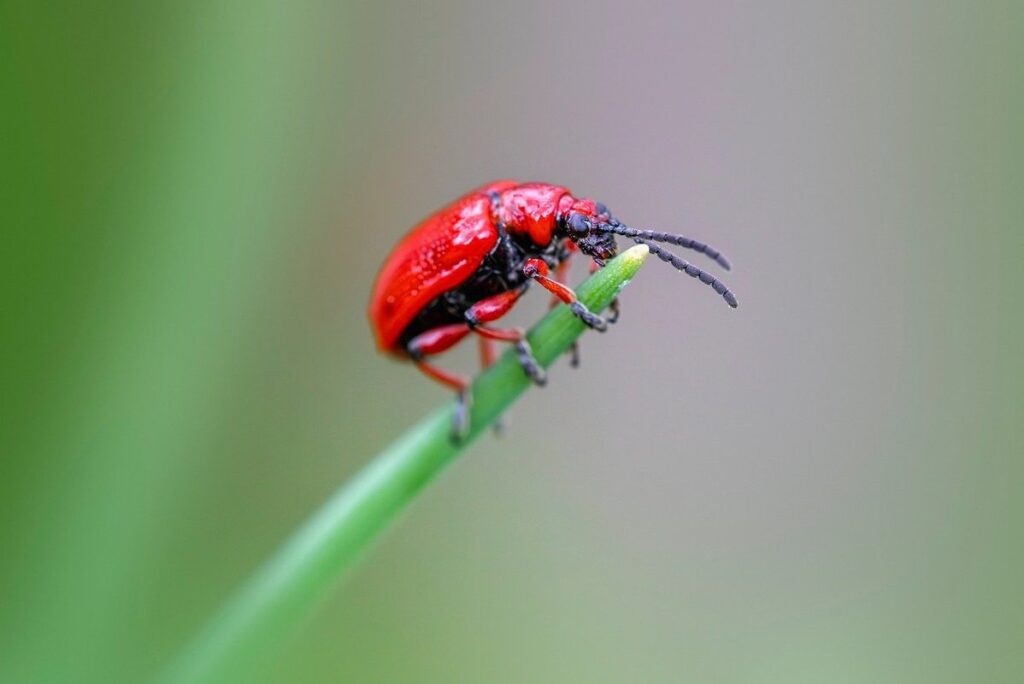
When it comes to lily care, pest management is just as crucial as providing the right growing conditions. Several common pests target lilies, causing damage and potentially spreading diseases. One of the most notorious culprits is aphids, small sap-sucking insects that can weaken lily stems and reduce flower production.
To control aphid infestations, use neem oil or insecticidal soap to coat the plant leaves and stems. You can also introduce natural predators like ladybugs or lacewings, which feed on aphids. For a more integrated approach, combine these methods with cultural controls such as removing weeds that may harbor pests, pruning affected areas, and improving air circulation around your lilies.
Slugs and snails are another pair of pests to watch out for, as they can chew through lily leaves and flowers at night. To prevent their damage, create a barrier around the base of the plants using crushed eggshells or copper tape. Alternatively, hand-pick these pests under moonlight or set up beer traps baited with yeast or fruit juice.
In addition to organic controls, consider introducing beneficial nematodes that attack and kill slugs and snails in their underground habitats. Always monitor your lily beds regularly for signs of pest activity and take swift action when necessary.
Managing Fungal Diseases in Lilies
Fungal diseases can be a significant threat to lily plants if not properly managed. Leaf spot, root rot, and powdery mildew are common fungal issues that affect lilies. To identify these diseases, look for yellow or brown spots on the leaves, soft or mushy stems, and white powder on the foliage.
To manage these diseases, remove any affected areas to prevent further spread. For severe cases of leaf spot or root rot, consider repotting the plant in fresh soil with good drainage. Prune infected stems back to healthy tissue to promote new growth.
Prevention is key to managing fungal diseases. Maintain good air circulation around your lily plants by spacing them at least 6-8 inches apart. Avoid overwatering, which can lead to root rot and other issues. Water your lilies only when the top inch of soil feels dry to the touch. You can also use fungicides as a preventative measure, but be sure to follow label instructions carefully.
Keep in mind that certain fungal diseases are more prevalent in humid or wet environments. If you live in an area with high humidity, consider using a trellis or other support system to keep your lily plants elevated and improve air circulation.
Tips for Extending the Bloom Season
To get the most out of your lily blooms, consider these expert tips on how to extend their vibrant flowering season and enjoy them even longer.
Companion Planting Strategies to Extend Lily Blooms
When it comes to extending the bloom season of your lilies, companion planting is a game-changer. By pairing your lilies with other flowering plants or herbs that attract pollinators, you can encourage repeat blooming and create a vibrant, dynamic display in your garden.
For example, try planting lavender near your lilies. Not only does lavender repel pests that might harm your lilies, but it also attracts pollinators like bees and butterflies, which are essential for lily reproduction. Other herbs like rosemary and thyme can also be paired with lilies to create a fragrant and attractive combination.
To make the most of companion planting, choose plants that bloom at different times to extend the overall blooming period. For instance, pair early-blooming lilies with late-blooming perennials or annuals like zinnias or sunflowers. By strategically combining these plants, you can enjoy a longer and more diverse bloom season in your garden.
Remember, companion planting is not only beneficial for extending blooms but also adds diversity and resilience to your garden ecosystem.
Deadheading and Staking Techniques
When it comes to encouraging repeat blooming in lily varieties and preventing damage to tall stalks, two essential techniques come into play: deadheading and staking. While some lilies will naturally rebloom without any intervention, others may benefit from a gentle nudge.
Deadheading involves removing spent blooms, typically after they’ve dropped their petals. This process can be repeated every few days, depending on the variety and growth rate of your lily. By regularly removing dead flowers, you’re signaling to the plant that it’s time to focus energy on producing new buds, rather than expending resources on seed production.
Not all lilies respond equally well to deadheading, however. Some varieties, like Oriental lilies (Lilium orientalis) and Tiger lilies (Lilium lancifolium), tend to rebloom freely with minimal care. Others, such as Asiatic lilies (Lilium asiatica), may not require deadheading at all. To determine whether your variety benefits from this technique, simply observe its behavior over the growing season.
Staking is another vital consideration for tall or top-heavy lily stalks. As winds and rains can easily snap delicate stems, providing support can be a lifesaver. You can use bamboo stakes or tomato cages to gently cradle the plant’s growth, keeping it upright and secure. Some gardeners prefer using sturdier materials like wooden or metal stakes, but these can sometimes damage nearby plants if not handled carefully.
Keep in mind that both deadheading and staking techniques should be done with a light touch. Avoid over-manipulating your lily stalks, as this can cause more harm than good. Regular monitoring of the plant’s growth will help you determine when to intervene, ensuring the health and well-being of your beloved blooms.
Frequently Asked Questions
Can I grow lilies in containers if I have limited garden space?
Yes, growing lilies in containers is a great option for small gardens or balconies. Just make sure the container has good drainage and is at least 6-8 inches deep to accommodate the lily’s roots.
How do I prevent fungal diseases from affecting my lily blooms?
Fungal diseases are common issues with lilies, but you can prevent them by ensuring good air circulation around your plants and avoiding overhead watering. Remove any affected leaves or flowers promptly, and apply a fungicide if necessary.
What’s the best way to extend the bloom season of my lilies?
To extend the bloom season, choose lily varieties that bloom at different times, such as Asiatic and Oriental lilies, which have staggered blooming periods. You can also deadhead spent flowers regularly to encourage repeat blooming.
Can I grow lilies in shade or do they require full sun?
Lilies generally prefer well-draining soil and partial shade to full sun, depending on the variety. If you’re growing lilies in a shaded area, choose varieties that are tolerant of shade, such as the ‘Madonna’ or ‘Casa Blanca’. However, keep in mind that lilies may not bloom as profusely in low-light conditions.
How often should I water my lily plants during hot summer months?
Lilies have different watering needs depending on their growth stage. During active growth and blooming periods, water your lilies regularly to maintain moist soil. However, reduce watering during dormancy (winter) to prevent rot. Check the soil moisture by inserting a finger into the soil up to the knuckle – if it feels dry, it’s time for a drink!