
If you’re looking for a unique addition to your garden, consider growing lemongrass in a raised bed. Not only does this versatile herb add a burst of citrusy flavor to your favorite dishes, but it’s also incredibly easy to care for. Whether you’re a seasoned gardener or just starting out, growing lemongrass in a raised bed can be a game-changer for your cooking and home decor. But where do you start? In this article, we’ll take you by the hand through the entire process of planting, maintaining, and harvesting lemongrass in a raised bed. From choosing the right variety to troubleshooting common issues, we’ve got expert advice on soil requirements, planting techniques, and more.
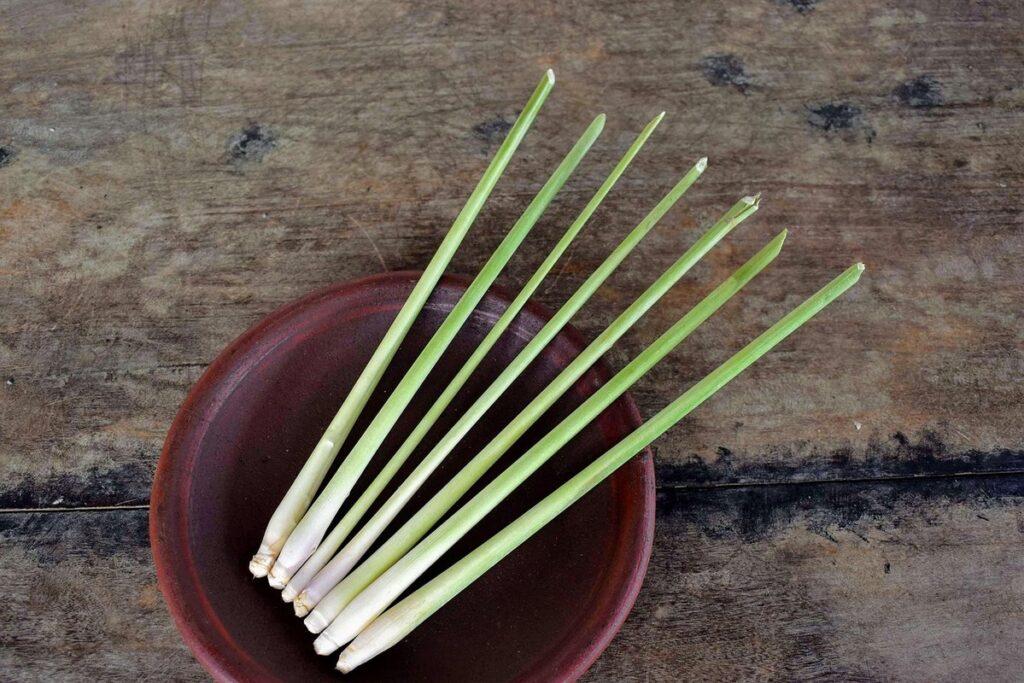
Understanding Lemongrass and Its Needs
To successfully grow lemongrass in your raised bed, it’s essential to understand its unique needs, including optimal temperatures and water requirements. Let’s dive into these specifics next.
Choosing the Right Variety of Lemongrass
When it comes to lemongrass raised bed planting, choosing the right variety is crucial for success. There are several types of lemongrass, each with its unique characteristics and growth habits. The most common varieties include West Indian, Thai, and Malabar lemongrass.
West Indian lemongrass is a popular choice for its compact growth habit and tolerance to frost. It’s an excellent option for raised bed planting in cooler climates. On the other hand, Thai lemongrass is known for its tall stalks and citrusy flavor. However, it requires more space and may not thrive as well in smaller raised beds.
Malabar lemongrass is a hybrid variety that combines the best traits of West Indian and Thai lemongrass. It’s relatively compact, easy to grow, and resistant to pests and diseases. For raised bed planting, we recommend growing Malabar or West Indian lemongrass due to their more manageable growth habits.
When selecting your lemongrass variety, consider factors like climate, space constraints, and desired flavor profile. This will ensure you choose a type that thrives in your specific environment and meets your needs.
Soil Requirements for Lemongrass
When it comes to growing lemongrass in a raised bed, understanding its soil requirements is crucial for optimal growth and flavor. Lemongrass prefers well-draining soil that is rich in organic matter, but not too rich. A pH level between 6.0 and 7.0 is ideal, as this allows the plant to absorb nutrients efficiently.
In terms of nutrient requirements, lemongrass needs a balanced diet of nitrogen, phosphorus, and potassium (NPK). You can achieve this by mixing in compost or well-rotted manure into your raised bed soil before planting. Aim for a ratio of 10-10-10 NPK, which provides an equal amount of each nutrient.
To ensure good drainage, consider adding sand or perlite to the soil mixture. This will prevent waterlogged conditions that can lead to root rot and other problems. A general rule of thumb is to mix in one part sand or perlite for every two parts compost or well-rotted manure. By getting the soil just right, you’ll be well on your way to growing delicious and fragrant lemongrass in your raised bed.
Preparing Your Raised Bed for Lemongrass
Before planting your lemongrass, it’s essential to prepare your raised bed by ensuring good drainage and a well-balanced soil mix that suits this tropical plant. Follow these steps to create an ideal environment for your lemongrass to thrive.
Building or Selecting a Raised Bed
When building or selecting a raised bed for lemongrass, it’s essential to prioritize proper soil structure and drainage. Lemongrass thrives in well-draining soil with a slightly acidic pH between 6.0 and 7.0. A raised bed that allows for good air circulation and water penetration will promote healthy root growth and prevent root rot.
To ensure adequate drainage, consider the following factors when building or selecting a raised bed: Use a mix of topsoil, compost, and perlite or sand to create a well-draining blend Ensure the bed is at least 6-8 inches deep to accommodate lemongrass’ extensive root system Avoid using heavy materials that can retain too much water, such as untreated wood or dense plastics Install a layer of aggregate material, like gravel or broken pottery, at the bottom of the bed for improved drainage
When selecting a pre-made raised bed, look for one with built-in drainage features, such as slots or holes in the bottom. If building your own, consider adding a slight slope to the bed’s surface to promote water runoff and prevent pooling. By paying attention to soil structure and drainage, you’ll create an ideal environment for lemongrass to grow strong and healthy.
Adding Organic Matter to the Soil
Incorporating organic matter into your raised bed soil is a crucial step in creating an ideal environment for your lemongrass plants to thrive. By adding compost, manure, or peat moss, you’ll be improving the soil’s fertility and water retention capabilities. This will have a significant impact on the overall health and productivity of your plants.
Compost, for instance, is rich in nutrients that are essential for plant growth. It acts as a natural fertilizer, providing a boost to your lemongrass plants’ root development. When mixed into the soil, compost also helps improve its structure, allowing for better water penetration and air circulation. This reduces the risk of waterlogged conditions, which can be detrimental to your lemongrass crop.
Some other benefits of incorporating organic matter include increased soil pH stability and enhanced microbial activity. These factors contribute to a more balanced ecosystem within your raised bed, ultimately leading to healthier and more resilient plants. To maximize these benefits, it’s recommended to mix in 2-4 inches of compost or manure at planting time, followed by regular top-dressing as needed.
Planting Lemongrass in Your Raised Bed
To successfully plant lemongrass in your raised bed, you’ll want to choose a location that receives full sun and well-draining soil, ideal conditions for this tropical grass.
Sowing Seeds vs. Transplanting
When it comes to planting lemongrass in your raised bed, you’ll often come across two popular methods: sowing seeds and transplanting. Both approaches have their own set of advantages and challenges, which we’ll delve into below.
Sowing seeds directly in the raised bed offers several benefits. For one, it allows for a higher success rate, as lemongrass seedlings are less susceptible to shock from being handled during transportation. This method also enables you to space your plants more evenly, reducing competition for resources like water and nutrients. However, sowing seeds can be a slow process, requiring patience as the tiny sprouts emerge over several weeks.
Transplanting, on the other hand, is often preferred by gardeners who want to get a head start on their lemongrass crop. You can purchase lemongrass seedlings from a nursery or propagate them yourself using division. This method allows for faster growth and establishment, as the plants are already established and less vulnerable to pests and diseases. Nevertheless, transplanting requires more care, as the seedlings need time to adjust to their new surroundings.
Ultimately, both methods can be effective if done correctly. If you’re short on time or want a head start, transplanting might be the better choice. However, if you prefer a low-maintenance approach and are willing to wait, sowing seeds directly in your raised bed is a viable option.
Spacing and Arrangement of Lemongrass Plants
When planting lemongrass in your raised bed, it’s essential to consider the spacing and arrangement of these tropical plants. Overcrowding can lead to reduced growth, increased risk of disease, and difficulty with maintenance.
To maximize growth, plant individual lemongrass stalks 12-18 inches apart, depending on their mature size. This allows for air circulation between them, reducing the likelihood of fungal diseases that thrive in humid environments.
As lemongrass grows, it will naturally form a clump over time. To encourage healthy growth and prevent overcrowding, gently separate individual stalks when they reach 6-8 inches tall. Replant these separated stalks at the same spacing to maintain optimal growth conditions.
Avoid planting lemongrass too close together in the first place by leaving about half of the recommended space empty. This initial gap will allow for easier access and maintenance, making it simpler to prune or harvest individual stalks as needed.
By considering the needs of your lemongrass plants from the start, you can create a thriving raised bed garden with minimal fuss and maximum rewards.
Caring for Your Lemongrass Raised Bed
To keep your lemongrass raised bed thriving, you’ll need to know how to water it just right and mulch around its base. Regular care will ensure a healthy plant.
Watering and Irrigation Strategies
When it comes to lemongrass raised bed planting, proper watering techniques are essential for healthy growth and optimal flavor. Lemongrass requires consistent moisture, especially during its first year of growth, but overwatering can lead to root rot and other issues.
To determine the right amount of water, check the soil daily by sticking your finger into it up to the knuckle. Water when the top inch of soil feels dry to the touch. A general rule is to provide about 1-2 inches of water per week, either from rainfall or irrigation.
A drip irrigation system is an efficient and effective way to deliver water directly to the roots, reducing evaporation and runoff. This method also helps prevent fungal diseases that thrive in moist environments. Another option is to use soaker hoses or a gentle stream from a watering can to avoid washing away seeds or disturbing the soil.
Keep in mind that lemongrass grows faster in warmer temperatures, typically requiring more frequent watering during hot summer months. Monitor your plant’s response and adjust your watering schedule accordingly to ensure it receives the right amount of moisture at the right time.
Mulching and Pest Management
Mulch plays a vital role in maintaining a healthy lemongrass raised bed. One of its primary functions is to retain moisture in the soil, reducing the need for frequent watering. Organic mulches like wood chips, bark, or leaves help lock in moisture by creating a barrier that prevents it from evaporating quickly. This not only saves you time and effort but also helps prevent overwatering, which can be detrimental to your lemongrass plants.
Another benefit of mulch is its ability to suppress weeds, which can compete with your lemongrass for water and nutrients. By creating a weed-free environment, you’re giving your lemongrass the best chance to thrive. Regularly replenish the mulch layer as it breaks down, ensuring it remains effective.
In terms of pest management, common issues that target lemongrras include nematodes, spider mites, and aphids. To prevent infestations, maintain a clean environment by removing any debris or weeds from the bed. Regularly inspect your plants for signs of pests, and take action promptly if you notice anything unusual. Some gardeners also swear by using neem oil or insecticidal soap to control pest populations.
Keep in mind that it’s essential to balance mulching with aeration to prevent moisture buildup, which can lead to root rot. Aim for a depth of about 2-3 inches and replenish as needed. By combining mulch with regular monitoring, you’ll be well on your way to maintaining a healthy, pest-free lemongrass raised bed.
Harvesting and Maintaining Your Lemongrass
Now that your lemongrass is thriving, it’s time to learn how to harvest and maintain its beauty, ensuring a continuous supply of this fragrant herb. We’ll cover essential tips for harvesting and caring for your lemongrass plant in this section.
Monitoring Growth and Timing of Harvests
Monitoring growth and timing of harvests is crucial to maximize yields from your lemongrass raised bed. Generally, it takes about 6-8 months for lemongrass to mature after planting, but this can vary depending on factors like climate, soil quality, and growing conditions.
To identify mature stalks, look for a height of at least 3 feet (90 cm) with multiple stems rising from the base. Mature stalks will also have a thicker diameter and a more intense yellow or brown color towards the tip. You can expect optimal yields when your lemongrass plants are in their second year of growth.
To determine if your lemongrass is ready for harvest, gently twist the top third of the stem. If it comes off easily, it’s likely mature. Harvesting lemongrass at this stage will encourage new growth and promote continuous production. Avoid over-harvesting, as this can lead to a decrease in plant vigor and yields. Regular pruning also helps maintain plant health and encourages bushy growth.
Pruning and Dividing Established Plants
Pruning and dividing established lemongrass plants is an essential part of their maintenance. By regularly pruning your lemongrass, you can promote healthy growth, increase yields, and reduce the risk of disease.
When lemongrass gets too tall, it can become leggy and susceptible to breakage in strong winds or frost. Regular pruning helps maintain a balanced shape, encouraging new growth from the base of the plant. This not only makes the plant more resilient but also allows you to harvest individual stalks as needed. Pruning also removes dead or damaged leaves that could potentially harbor diseases.
Dividing established lemongrass plants is another crucial step in their care. As lemongrass grows, its roots can become congested, leading to a decline in productivity. Dividing the plant every 2-3 years will help maintain its vigor and promote new growth. To divide your lemongrass, carefully dig up the entire plant, separate the rhizomes (underground stems), and replant the healthy sections.
By pruning and dividing regularly, you’ll be rewarded with a healthier, more productive lemongrass plant that provides fresh flavor and fragrance for years to come.
Troubleshooting Common Issues in Lemongrass Raised Beds
We’ve covered how to plant and care for lemongrass in your raised bed, but what if things don’t go as planned? Let’s troubleshoot some common issues together.
Identifying and Addressing Nutrient Deficiencies
Identifying and Addressing Nutrient Deficiencies is crucial to ensure healthy lemongrass growth. Insufficient nutrients can lead to stunted growth, yellowing leaves, and reduced essential oil content. Common nutrient deficiencies in lemongrass raised beds include:
Nitrogen deficiency: Lemongrass needs a balanced diet of nitrogen, phosphorus, and potassium (NPK). A lack of nitrogen can cause pale or yellowish leaves, stunted growth, and decreased yields. To address this issue, apply high-nitrogen fertilizers like compost tea or fish emulsion according to the manufacturer’s instructions.
Phosphorus deficiency: Phosphorus plays a vital role in root development and flower/leaf formation. Insufficient phosphorus can cause weak roots, slow growth, and poor essential oil production. Add phosphorus-rich organic matter such as bone meal or rock phosphate to your soil to correct this issue.
Potassium (K) deficiency: Potassium is essential for overall plant health, including resistance to disease and pests. A lack of potassium can lead to yellowing leaves, stunted growth, and reduced yields. Use potash-rich fertilizers like Epsom salt or wood ash to rectify this problem.
Keep in mind that over-fertilization can be detrimental to lemongrass plants as well. It’s essential to monitor your soil pH levels and nutrient intake regularly to avoid these common mistakes. Regular soil testing will help you determine the specific needs of your lemongrass raised bed, ensuring optimal growth and productivity.
Managing Pests and Diseases
As you tend to your lemongrass raised bed, it’s essential to be aware of common pests and diseases that can harm your plants. Aphids, whiteflies, and spider mites are frequent visitors to lemongrass beds, feeding on sap and causing curled or distorted leaves. To control these pests, use neem oil or insecticidal soap, spraying the affected areas thoroughly.
Fungal diseases like root rot, leaf spot, and rust can also affect lemongrass. These typically manifest as yellowing or browning leaves, followed by soft, mushy stems. Remove infected plants to prevent the disease from spreading, and treat the remaining plants with a fungicide specifically labeled for use on lemongrass.
Regular monitoring of your plants’ health is crucial in preventing pest and disease issues. Inspect your lemongrass regularly for signs of infestation or infection, and take swift action when you spot any problems. This proactive approach will help ensure your lemongrass raised bed remains healthy and productive throughout the growing season.
Conclusion: Maximizing Success with Lemongrass Raised Beds
As you wrap up your lemongrass raised bed planting project, let’s focus on maximizing success and reaping the benefits of your hard work. Here are key takeaways to ensure a thriving harvest.
Recap of Key Takeaways
In conclusion to our comprehensive guide on lemongrass raised bed planting, let’s recap the key takeaways to ensure you’re well-equipped to maximize success with your own lemongrass garden.
By following the steps outlined in this article, you’ve learned how to choose the right location and prepare your soil for lemongrass growth. This includes selecting a spot that receives full sun to partial shade, has well-draining soil, and is protected from strong winds. You’ve also discovered how to create an ideal environment by mixing compost or organic matter into the soil to improve its fertility.
In addition to these foundational elements, you’ve gained knowledge on how to plant lemongrass correctly, including spacing plants 1-2 feet apart and keeping them consistently moist during their first few weeks. By implementing these best practices, you’ll be well on your way to cultivating a thriving lemongrass garden that will provide you with a bountiful harvest of fragrant stalks for years to come.
Remember to monitor your plants regularly for signs of pest or disease issues and take action promptly if necessary. With the right care and attention, your lemongrass raised bed will become a lush oasis in your backyard, ready to be harvested whenever you need it.
Future Planning and Potential Extensions
As you’ve successfully grown and maintained your lemongrass raised bed, it’s time to think about future planning and potential extensions. Don’t be afraid to experiment with new techniques or explore related topics that can take your gardening skills to the next level.
Consider companion planting, for instance. Lemongrass is known to repel pests like mosquitoes and moths, making it an excellent companion plant for vegetables like tomatoes and cucumbers. Experiment by planting lemongrass alongside these crops to see how they interact and benefit from each other’s presence.
You can also explore the culinary uses of lemongrass in your cooking. Not only is it a popular ingredient in many Southeast Asian dishes, but its citrusy flavor pairs well with herbs like basil and mint. Harvest fresh lemongrass leaves regularly to use in teas, soups, or as a garnish for salads. With a little creativity, you can enjoy the fruits of your labor in new and exciting ways.
Frequently Asked Questions
Can I Grow Lemongrass in a Small Raised Bed?
If you’re new to growing lemongrass, consider starting with a compact variety like West Indian lemongrass. This will give you more flexibility when planning your raised bed layout and help ensure success even in smaller spaces.
How Do I Protect My Lemongrass from Frost Damage?
To protect your lemongrass plants from frost damage, mulch around the base of the plants to insulate the soil and prevent moisture from escaping. You can also use row covers or bring potted plants under cover during cold snaps. Keep in mind that some varieties, like West Indian lemongrass, are more tolerant of frost than others.
Can I Use Regular Potting Soil for Lemongrass Raised Beds?
While regular potting soil may work in a pinch, it’s not the best choice for lemongrass raised beds. Lemongrass prefers well-draining soil with a slightly acidic pH (5.5-6.5). Consider mixing in some compost or perlite to improve drainage and fertility.
How Often Should I Water My Lemongrass Plants?
Water your lemongrass plants regularly, but avoid overwatering. The top 1-2 inches of soil should feel dry to the touch before watering again. Keep an eye on the weather forecast and adjust your watering schedule accordingly – lemongrass is more susceptible to root rot in wet conditions.
Can I Harvest Lemongrass Year-Round, or Is There a Best Time?
Lemongrass typically reaches its peak flavor and aroma during the summer months when it’s in full growth. However, you can harvest individual stalks throughout the year for continuous use. Simply trim back the plant to about 6-8 inches from the ground to encourage new growth and prevent flowering.