
When it comes to growing lemongrass in your garden, timing is everything. Pruning at the right moment can make all the difference between a thriving, fragrant plant and one that’s struggling to survive. Whether you’re looking to harvest fresh lemongrass for your favorite recipes, use it as a decorative feature in your outdoor space, or propagate new plants, understanding when to prune is crucial.
This article will guide you through the process of pruning lemongrass at the right time, taking into account growth patterns and factors that affect growth rates. We’ll also cover essential pruning techniques for optimal results, so you can get the most out of your lemongrass plant. From understanding how to prune for maximum yield to tips on maintaining a healthy, balanced growth pattern, we’ve got you covered.
Understanding Lemongrass Growth Patterns
To grow lemongrass effectively, you need to understand its unique growth patterns, which can vary depending on factors such as climate and watering habits. Let’s dive into how lemongrass grows over time.
Identifying Lemongrass Growth Stages
Understanding lemongrass growth stages is essential for determining the right pruning timing. Lemongrass, like many other grasses, goes through distinct phases of development. The initial germination stage, which occurs when a lemongrass seed sprouts and develops its first set of leaves, typically lasts around 1-2 weeks. During this phase, it’s crucial to provide adequate moisture and maintain a consistent temperature between 65°F to 95°F (18°C to 35°C).
As the plant transitions into its establishment phase, usually lasting several months, it begins to develop a robust root system and multiple stalks. This is an ideal time for pruning, as removing old growth encourages new stem production and promotes a bushy appearance.
A mature lemongrass plant typically reaches its full height within 6-12 months of planting. At this stage, the stalks become thicker, and the leaves more vibrant. Pruning during this phase focuses on maintaining shape, promoting healthy growth, and encouraging new culms to form. By understanding these growth stages, you can tailor your pruning schedule to meet the specific needs of your lemongrass plant at each stage, ensuring optimal health and productivity throughout its life cycle.
To determine the best pruning timing for your lemongrass, monitor its growth closely and remove any dead or damaged stalks as needed. Regular pruning also helps prevent disease and pest infestations, keeping your plant healthy and thriving.
Factors Affecting Lemongrass Growth Rates
When it comes to growing lemongrass, understanding the factors that affect its growth rates is crucial for optimal pruning timing. One of the most significant environmental factors influencing lemongrass growth is temperature. Lemongrass thrives in warm temperatures between 65°F to 90°F (18°C to 32°C), with ideal growth rates achieved at temperatures above 75°F (24°C). If your area experiences frost, it’s best to bring potted lemongrass indoors during winter months or use protective covers.
Sunlight is another critical factor, as lemongrass requires full sun to partial shade. Aim for a location that receives direct sunlight for at least six hours a day. Adequate watering and well-draining soil are also essential. Overwatering can lead to root rot, while underwatered plants may become stunted.
Soil quality plays a significant role in lemongrass growth, as it needs fertile, slightly acidic to neutral soil with good drainage. Knowing these environmental factors helps you schedule pruning sessions effectively, ensuring your lemongrass remains healthy and productive throughout the growing season.
Pruning Lemongrass for Fresh Use
When pruning lemongrass for fresh use, timing is crucial to encourage new growth and prevent the plant from becoming too woody. In this section, we’ll explore the best ways to prune your lemongrass.
When to Harvest for Fresh Lemongrass
When to harvest lemongrass for fresh use is crucial to prevent damage to the parent plant and ensure optimal flavor. As a general rule, wait until the lemongrass plant reaches maturity, typically around 6-8 months after planting or when it has reached its maximum height of about 3-4 feet.
At this stage, individual stalks will have formed a bulbous base with tightly packed white or pale yellowish leaves. This is an ideal time to harvest for fresh use, as the stalks will be at their most tender and flavorful.
To avoid damaging the parent plant, make sure to harvest the outermost stalks first, leaving about 1-2 inches of stem attached to each stalk. Cut the stalk just above a node (the joint where a leaf meets the stem) using sharp, clean pruning tools.
Harvesting individual stalks in this way will encourage new growth from the base of the plant, promoting continued health and productivity. Regular harvesting will also help control the plant’s height and prevent it from becoming leggy or woody.
Handling and Storage of Pruned Stems
Proper handling and storage of freshly pruned lemongrass is crucial to maintaining its quality and extending shelf life. When pruning lemongrass for fresh use, it’s essential to handle the stems gently to prevent damage, which can lead to spoilage.
To dry lemongrass stems, tie them in small bunches and hang upside down in a warm, dry place with good air circulation. This method helps preserve the herb’s flavor and aroma. Alternatively, you can store them in an airtight container or plastic bag in the refrigerator. Make sure to label the container with the date it was pruned.
Raw lemongrass consumption can pose some health risks, especially for individuals with certain medical conditions. The grass contains a compound called citral, which can cause skin irritation and allergic reactions in some people. If you plan to consume lemongrass, ensure that you’re purchasing from a trusted source or handling the herb safely.
When storing pruned lemongrass stems, keep them away from direct sunlight and heat sources. This will help prevent mold growth and maintain the herb’s flavor. It’s also essential to use your freshly pruned lemongrass within 3-5 days for optimal quality.
Lemongrass Pruning for Ornamental Purposes
For ornamental purposes, lemongrass pruning is essential to maintain a bushy shape and encourage new growth. Regular pruning will also promote healthy foliage and prevent the plant from becoming leggy.
Timing for Aesthetics
When pruning lemongrass for ornamental purposes, timing is crucial to maintain its desired appearance. Regular pruning not only helps control plant height but also promotes bushy growth, making it an attractive addition to gardens and indoor spaces.
To achieve the perfect balance between height and spread, prune your lemongrass regularly throughout the growing season. For most varieties, this means pruning back spent flower stalks after they’ve finished blooming and trimming off any leggy stems. By doing so, you’ll encourage new growth from the base of the plant, resulting in a fuller, more compact shape.
For example, if you’re aiming for a low-maintenance hedge or border, prune your lemongrass every 2-3 weeks during the growing season to maintain its desired height. This will also help prevent it from becoming too leggy and losing its bushy appeal. On the other hand, if you want to create a more dramatic statement piece, wait until late spring or early summer when new growth is most vigorous before pruning back your lemongrass to encourage a fuller, more impressive display of flowers and foliage.
Techniques for Maintaining Lemongrass Shape
Maintaining lemongrass shape is crucial when growing it for ornamental purposes. To encourage bushy growth and prevent legginess, pinch or cut off the top sets of leaves on new shoots when they reach about 6-8 inches tall. This will direct energy towards producing lateral branches rather than a single tall stalk.
Another technique is to remove any dead or damaged foliage throughout the growing season. Not only does this improve the plant’s appearance but also promotes healthy growth by preventing the spread of disease and encouraging new shoots to emerge from the base of the stem.
To control lemongrass spread, consider regularly trimming back overgrown stalks to about 2-3 inches above ground level. This will not only contain its size but also encourage root development and prevent flowering, which can occur when the plant becomes too mature.
By implementing these techniques, you’ll be able to maintain a neat and compact lemongrass plant that adds visual interest to your garden or indoor space throughout the year. Regular pruning is key to achieving the desired shape and promoting overall health in this versatile and fragrant herb.
The Impact of Pruning on Lemongrass Health
Pruning your lemongrass plants regularly can have a significant impact on their overall health and resilience, so it’s essential to understand how this affects them. In this section, we’ll explore the consequences of pruning on lemongrass growth and well-being.
Risks of Over-Pruning
Over-pruning lemongrass can be detrimental to its health and productivity. When you remove too much foliage at once, it can cause significant stress to the plant, making it more vulnerable to disease and pest infestations. This is because lemongrass has a shallow root system that’s easily damaged when the surrounding soil is disturbed.
Imagine cutting back your lemongrass by half or more in one go – not only will you be sacrificing valuable foliage for growth, but you’ll also risk exposing the plant to potential pathogens and pests that thrive in weakened states. Moreover, over-pruning can lead to a cascade of problems down the line, including reduced essential oil production and an increased likelihood of root rot.
To avoid these risks, it’s crucial to prune lemongrass judiciously and thoughtfully. Regular maintenance pruning is essential, but it should be done gradually, allowing the plant to recover between sessions. By understanding the potential pitfalls of over-pruning, you can make informed decisions that promote a healthy and thriving lemongrass crop.
Benefits of Regular Pruning
Regular pruning is essential for maintaining a healthy and thriving lemongrass plant. By removing old stalks and leaves, you promote new growth, encourage the development of a robust root system, and prevent lodging – all of which contribute to the overall well-being of the plant.
When you prune your lemongrass regularly, you’re giving it the opportunity to focus its energy on producing new shoots and roots. This not only keeps the plant looking lush and full but also ensures that it’s better equipped to handle environmental stressors like droughts or extreme temperatures. Regular pruning also helps prevent lodging – a common problem with tall lemongrass plants that can become top-heavy and prone to collapse.
To reap these benefits, aim to prune your lemongrass at least every 6-8 weeks during the growing season. Remove any dead or damaged stalks, as well as the spent flowers and foliage. This will help keep your plant looking its best and encourage it to produce plenty of fragrant leaves and stems for cooking and herbal use. By incorporating regular pruning into your lemongrass care routine, you’ll be rewarded with a healthy, vigorous plant that’s better equipped to thrive in your garden or indoor space.
Lemongrass Propagation via Pruning
To encourage healthy growth and prevent lemongrass from flowering, you’ll want to prune it regularly using a technique called cutting back. This method is also an effective way to propagate new plants.
Stolons and Rhizome Division
To propagate lemongrass using stolons and rhizomes, you’ll need to understand their different roles in the plant’s growth. Stolons are above-ground stems that produce new plants at their nodes, while rhizomes are underground stems that store energy for the plant.
For stolon division, wait until your lemongrass plant has produced several stalks and is actively producing stolons. Choose a healthy stolon with at least two nodes, and cut it from the parent plant just above a node using a sharp knife or pruning tool. Make sure each cutting has at least one growing point to ensure successful propagation.
Rhizome division involves digging up the entire rhizome system and separating individual sections to replant. Carefully dig around the base of your lemongrass, being careful not to damage the delicate roots. Gently separate the rhizomes into individual sections, making sure each section has at least one growing point. Allow the cut ends to dry for 1-2 hours before replanting.
It’s essential to keep in mind that both stolon and rhizome division should be done during the lemongrass plant’s dormant period or immediately after harvesting to minimize root disturbance and promote healthy growth.
Tips for Successfully Propagating Lemongrass
When pruning lemongrass for propagation, timing is crucial to ensure successful rooting. The ideal time for pruning is when new growth begins to emerge from the base of the plant, usually in late winter or early spring. Make clean cuts just above a node using sharp, sterile pruning tools to prevent spreading disease.
Cutting material should be handled gently but thoroughly cleaned with water to remove any debris that may hinder rooting. For best results, cuttings are typically taken in the morning when the plant is at its highest moisture content. This helps the cutting material retain moisture and reduces the risk of drying out during the rooting process.
To facilitate successful propagation, provide your lemongrass cuttings with bright, indirect light and maintain consistent temperatures between 65-75°F (18-24°C). Water sparingly until roots develop, as overwatering can lead to rot. Monitor your cuttings regularly for signs of rooting, such as new growth or a slight tug when gently tugged on the stem.
Lemongrass Pruning Tools and Equipment
To prune lemongrass effectively, you’ll need the right tools and equipment, which we’ll cover next, including scissors, pruning shears, and gardening gloves.
Choosing the Right Pruning Tools
When it comes to pruning lemongrass, having the right tools can make all the difference. You’ll want to start with some essential equipment that will help you tackle this task efficiently and effectively.
For one, a sharp knife is a must-have for lemongrass pruning. This might seem obvious, but using a dull knife can cause more harm than good – it can tear the leaves and stems instead of cutting them cleanly, which can lead to damage and make the plant more susceptible to disease. Opt for a high-carbon stainless steel blade that will stay sharp even after repeated use.
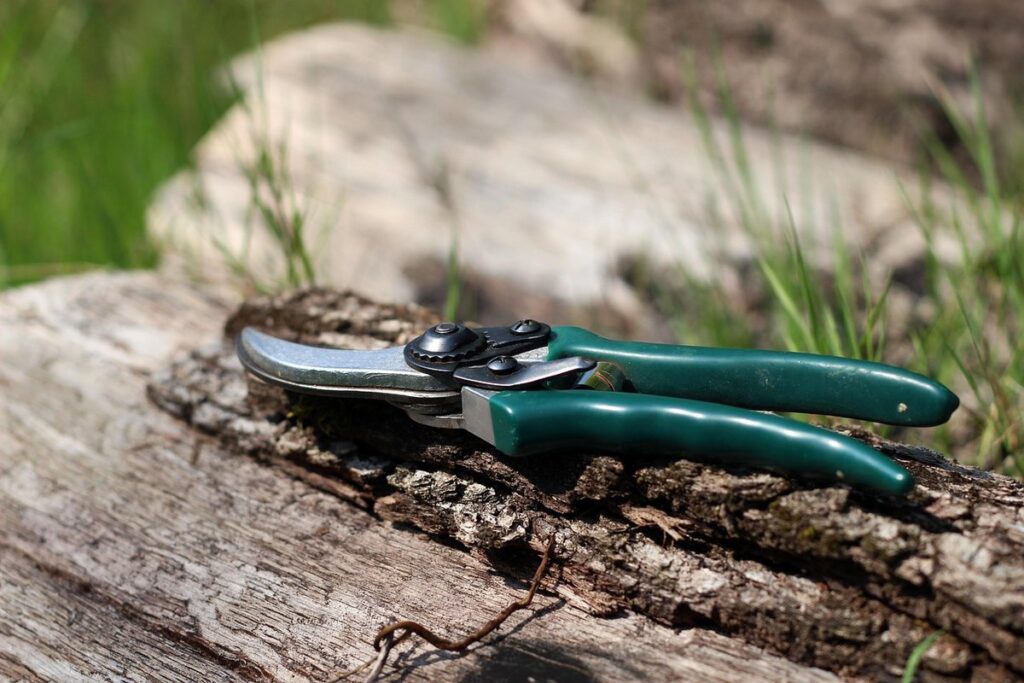
Next up are pruning shears or loppers. These are perfect for thicker stalks or when you need a bit more leverage. Look for ones with comfortable grips, as you’ll likely be using them frequently during the pruning process. Gardening gloves are also a great investment to protect your hands from thorns and rough stems.
Using the correct equipment will not only minimize damage to the plant but also reduce handling risks. Think about it – if your tools are dull or unwieldy, you’re more likely to slip up and end up with cuts or bruises. By investing in quality pruning tools, you’ll be able to prune your lemongrass with confidence and care for your plant at the same time.
Safety Precautions When Handling Lemongrass
When handling lemongrass, it’s essential to be aware of potential hazards and take necessary safety precautions. Cuts from blades can be painful and potentially lead to infection if not properly cleaned and disinfected. Mishaps with tools, such as slipping or dropping them, can cause accidents.
To minimize risks, wear protective gear like gloves and safety glasses when pruning lemongrass. Keep your workspace clean by disposing of pruned stalks immediately and washing your hands thoroughly afterward. Additionally, be mindful that some people may have allergies to raw lemongrass handling, so consider this if you’re working in a shared space or with others who might be sensitive.
In case of accidents, it’s crucial to know basic first aid procedures for cuts and lacerations. Keep a well-stocked first aid kit nearby, and familiarize yourself with proper wound cleaning techniques. By being prepared and taking the necessary precautions, you can ensure a safe and successful lemongrass pruning experience.
Conclusion
Now that you’ve learned how to prune lemongrass for optimal growth, let’s summarize what we’ve covered so far and reinforce your new pruning skills.
Recap on Timing Considerations
Pruning lemongrass at the right time is crucial for its optimal growth and maintenance. Let’s recap on timing considerations to help you make informed decisions about when to prune your lemongrass plant.
To determine the best pruning schedule, consider the growth stages of your lemongrass. In general, it’s recommended to prune lemongrass during its dormant season, typically in late winter or early spring. This allows for new growth and prevents damage from frost or extreme temperatures. However, if you live in a region with mild winters, you can prune your lemongrass year-round.
Environmental factors also play a significant role in determining the optimal pruning time. For example, during periods of drought, it’s best to delay pruning until rainfall returns, as this helps prevent stress on the plant. Conversely, if your area experiences heavy rainfall, consider pruning after the water has receded to prevent root rot.
The desired uses for your lemongrass should also be taken into account when deciding on a pruning schedule. If you’re growing lemongrass for its culinary or medicinal purposes, it’s best to prune during the summer months when the plant is actively producing new growth and essential oils. On the other hand, if you’re looking to propagate your lemongrass through division, the spring or fall seasons are ideal.
Ultimately, understanding these timing considerations will help you maintain a healthy and thriving lemongrass plant that meets your needs. By taking into account the growth stages, environmental factors, and desired uses for your lemongrass, you can ensure optimal pruning practices and reap the rewards of this versatile herb.
Frequently Asked Questions
What if I’ve missed the optimal pruning time for lemongrass?
Don’t worry, you can still prune your lemongrass plant, but keep in mind that it may affect the quality and quantity of new growth. Prune at the beginning of the growing season or during the dormant period to minimize stress on the plant.
Can I prune lemongrass during different times of day?
Pruning timing is more about the plant’s growth stage than the time of day. However, pruning in the late morning or early afternoon can be beneficial when harvesting for fresh use, as it allows you to collect stems with a higher oil content and fragrance.
How often should I water after pruning lemongrass?
After pruning, ensure your lemongrass plant receives adequate moisture, especially during hot weather. Water it deeply once or twice a week, depending on the climate and soil conditions. This will help the plant recover from pruning stress and promote healthy growth.
Will regular pruning harm my lemongrass plant’s root system?
No, regular pruning is essential for maintaining a healthy and balanced growth pattern in lemongrass plants. Pruning encourages new growth, prevents overcrowding, and promotes root development. However, avoid over-pruning, which can stress the plant and make it more susceptible to pests and diseases.
Can I propagate lemongrass from pruned stems?
Yes, you can propagate lemongrass using pruned stems by planting them in well-draining soil with adequate moisture. Ensure the soil temperature is around 75°F (24°C) for optimal germination. This method works best for young, vigorous plants and produces new growth quickly.