
Growing your own lemongrass for herbal tea is a rewarding experience, but it requires careful attention to detail. To cultivate high-quality lemongrass plants, you need to understand their specific needs and how to create an ideal environment for growth. Lemongrass tea production relies heavily on healthy plant development, which means paying close attention to growing conditions like sunlight, water, and soil quality. Pest management is also crucial to prevent damage from pests that can decimate your crop. In this article, we’ll walk you through the best practices for cultivating, caring for, and harvesting lemongrass plants, ensuring optimal tea production. By following these tips, you’ll be able to grow robust, fragrant lemongrass with ease and enjoy a steady supply of fresh herbs for brewing your favorite teas.
Choosing the Right Variety
When growing lemongrass tea, selecting the right variety is crucial for optimal results. Let’s explore the different types and their characteristics to help you make an informed decision.
Understanding Lemongrass Types
When it comes to growing lemongrass for tea, you’ll encounter various types, each with its unique characteristics and growth habits. Understanding these differences will help you choose the right variety for your climate and desired use.
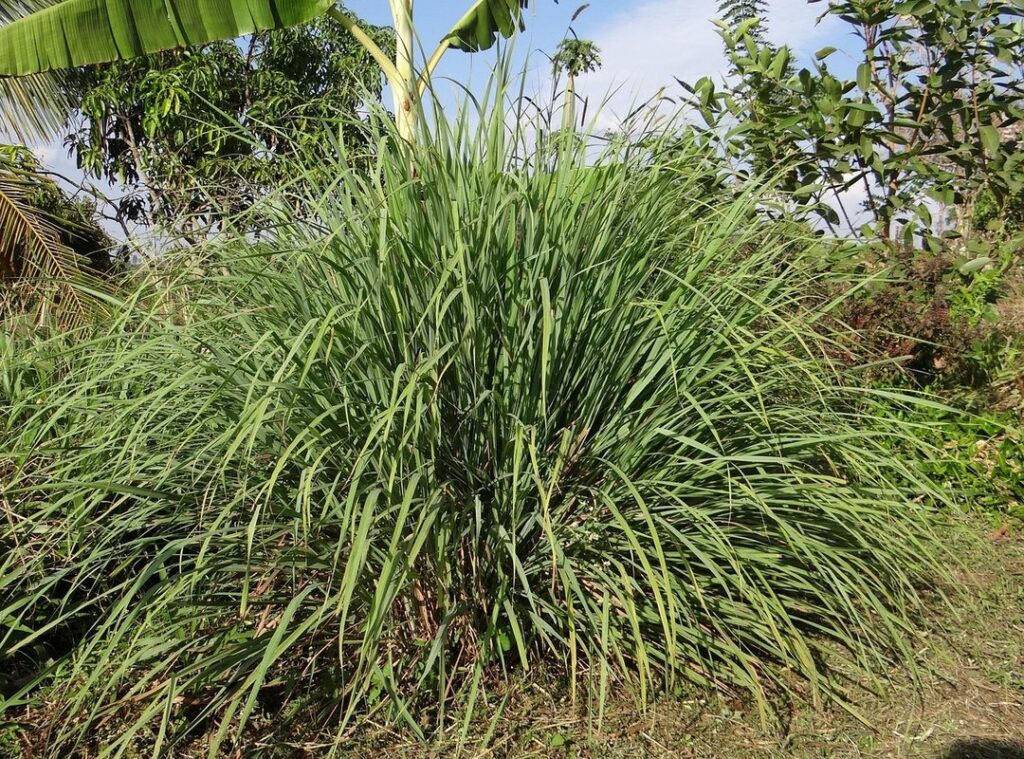
There are three main types of lemongrass: East Indian, West Indian (also known as Malabar), and Hawaiian. East Indian lemongrass is the most commonly cultivated type and has a stronger lemon flavor and aroma than its counterparts. It grows up to 6 feet tall and requires more moisture than other varieties.
West Indian lemongrass, on the other hand, has a milder flavor and smaller stalks that grow up to 3 feet tall. Hawaiian lemongrass is known for its sweet, citrusy taste and compact growth habit, making it ideal for container gardens.
When selecting a variety, consider your climate’s temperature and humidity levels. East Indian lemongrass prefers warmer temperatures (above 60°F), while West Indian lemongrass can tolerate cooler conditions. Hawaiian lemongrass is the most adaptable to different climates but may require more frequent watering due to its compact growth habit.
Remember to research the specific growing requirements for your chosen variety and adjust accordingly to ensure a thriving lemongrass tea plant.
Climate and Soil Requirements
When growing lemongrass for tea, it’s essential to provide the right climate and soil conditions for optimal growth. Lemongrass thrives in temperatures between 64°F (18°C) and 90°F (32°C), making it an ideal crop for tropical and subtropical regions. If you’re growing lemongrass indoors, ensure a temperature range of 75°F (24°C) to 85°F (29°C), with high humidity levels of around 50-60%.
In terms of soil conditions, lemongrass prefers well-draining soil rich in organic matter. The ideal pH range for lemongrass growth is between 6.0 and 7.0. If you’re growing lemongrass outdoors, choose a spot with full sun to partial shade. When cultivating indoors, use containers with good drainage holes to prevent waterlogged soil.
To mimic the tropical climate of lemongrass’s native habitat, you can place your potted lemongrass near an east- or west-facing window. Avoid direct sunlight during peak hours to prevent scorching. If you’re growing lemongrass in a greenhouse or indoor garden, maintain high humidity levels by misting the plants regularly. By replicating these conditions, you’ll be well on your way to cultivating healthy and robust lemongrass for tea.
Planting Lemongrass from Seed or Rhizome
You can propagate lemongrass by either sowing seeds indoors 6-8 weeks before the last frost or using rhizomes, each method offering its unique benefits and challenges.
Preparing the Soil
When preparing the soil for lemongrass growth, it’s essential to create an environment that fosters healthy development. Lemongrass thrives in well-draining, fertile soil with a slightly acidic pH between 6.0 and 7.0.
To adjust the pH level, you can add elemental sulfur or aluminum sulfate to lower the pH if necessary. However, be cautious not to overdo it, as excessive acidity can harm your lemongrass plants. If your soil is too alkaline, you can mix in some organic matter like compost or well-rotted manure to improve its structure and fertility.
In addition to pH adjustments, ensure your soil has adequate nutrient levels for optimal growth. Lemongrass requires a balanced diet of nitrogen, phosphorus, potassium, and other micronutrients. You can add a general-purpose fertilizer or a slow-release granular fertilizer that releases nutrients gradually as the plants grow.
Some gardeners also prefer to mix in a 2-inch layer of organic matter like coconut coir or vermiculite into the top 6-8 inches of soil. This helps improve drainage, retain moisture, and provide essential micronutrients for lemongrass growth.
Sowing Seeds vs. Propagating Rhizomes
When it comes to planting lemongrass from seed or rhizome, you have two main options: sowing seeds or propagating through rhizomes. Both methods have their own set of advantages and challenges.
Sowing seeds can be a more cost-effective method, as lemongrass seeds are readily available and inexpensive. However, it can take several months for the seedlings to mature, and the success rate is relatively low due to factors like poor germination rates and competition from weeds. On the other hand, propagating through rhizomes allows you to grow new plants quickly and easily, as lemongrass rhizomes are highly adaptable and produce multiple shoots.
However, obtaining high-quality rhizomes can be more difficult and expensive than finding seeds. Rhizome propagation also requires a certain level of expertise, as the process involves carefully separating the rhizomes and replanting them in well-draining soil. Despite these challenges, rhizome propagation is often preferred by lemongrass enthusiasts due to its higher success rate and faster growth.
Ultimately, the choice between sowing seeds and propagating through rhizomes comes down to your personal preference and level of experience. If you’re a beginner or looking for a low-cost option, seed sowing may be the way to go. However, if you want to grow high-quality lemongrass plants quickly and easily, rhizome propagation is likely your best bet.
If you decide to propagate through rhizomes, make sure to choose healthy, disease-free sections with at least two growing points each. To plant a new rhizome, dig a shallow trench in well-draining soil and place the rhizome horizontally, leaving only the tips exposed. Water thoroughly and keep the soil consistently moist until roots develop.
In terms of specific tips for seed sowing, make sure to sow seeds about 1/4 inch deep and 12-18 inches apart, as lemongrass plants can grow quite large. Keep the soil consistently moist during the germination period, which typically takes around 2-3 weeks.
Care and Maintenance
To ensure your lemongrass tea plant thrives, proper care and maintenance are crucial. This section covers essential tips for keeping your plant healthy and vibrant all year round.
Watering and Irrigation Strategies
Watering and irrigation are crucial aspects of lemongrass tea plant growth. Lemongrass plants require consistent moisture, especially during their first year of growth. However, overwatering can be detrimental to the plant’s health, leading to root rot and other issues.
To avoid overwatering, it’s essential to check the soil moisture regularly. Stick your finger into the soil up to the first knuckle, and if the soil feels dry, it’s time to water. Water lemongrass plants in the morning or early afternoon when the sun is not too intense, allowing excess water to evaporate quickly.
Avoid getting water on the leaves or crown of the plant to prevent fungal diseases. Instead, focus on watering at the base of the plant. Lemongrass tea plants also appreciate a slightly dry period between waterings, which encourages deeper root growth and makes them more resilient to drought.
In areas with low rainfall, consider installing a drip irrigation system to deliver water directly to the roots. This method not only reduces evaporation but also minimizes runoff and waste.
Fertilization and Pruning Practices
Fertilization is essential for lemongrass tea plants to thrive. A balanced fertilizer with nitrogen, phosphorus, and potassium will promote healthy growth. Apply a 10-10-10 NPK fertilizer once a month during the growing season (spring-fall) and reduce frequency in winter months when the plant is dormant.
Pruning practices are also vital for maintaining your lemongrass tea plant’s health and productivity. Regular pruning encourages bushy growth, prevents pest infestations, and promotes maximum tea production. Cut back the tallest stalks to about 6 inches from the ground after harvesting. Remove any dead or damaged leaves and stems throughout the growing season.
To prevent pest infestations, inspect your plants regularly for signs of pests like aphids, whiteflies, or spider mites. If you notice any issues, treat your plant with insecticidal soap or neem oil according to the product’s instructions.
By following a regular fertilization schedule and pruning practice, you’ll be able to enjoy a lush and productive lemongrass tea plant for years to come. Remember to adjust your approach based on your plant’s specific needs and environment.
Common Pests and Diseases
One of the biggest challenges when growing lemongrass is dealing with common pests and diseases that can quickly spread and harm your plant, so let’s take a closer look at some of these issues.
Identifying and Managing Pest Issues
As you tend to your lemongrass tea plants, it’s essential to be aware of common pests that can damage their growth and yield. Spider mites, aphids, and mealybugs are notorious for targeting lemongrass plants, so keep an eye out for these unwelcome visitors.
Spider mites are tiny, spider-like creatures that feed on the sap of your lemongrass leaves, causing yellowing or bronzing. They’re often found in areas with high humidity and temperatures above 65°F (18°C). To manage spider mite infestations, treat your plants with insecticidal soap or neem oil, making sure to cover all surfaces.
Aphids are another common pest that can multiply quickly on lemongrass. These small, soft-bodied insects secrete a sticky substance called honeydew, which attracts ants and promotes fungal growth. Regularly inspect your plants for aphid colonies and use insecticidal soap or horticultural oil to control infestations.
To prevent pest issues altogether, maintain good garden hygiene by removing weeds and debris that can harbor pests. Monitor temperature and humidity levels, keeping them within the optimal range (65-90°F / 18-32°C) for lemongrass growth. Regular pruning also helps promote air circulation and prevents moisture buildup, making it less appealing to pests.
Recognizing and Treating Disease Symptoms
As you nurture your lemongrass tea plant, it’s crucial to be aware of potential diseases that can affect its growth. The most prevalent issues include root rot, leaf spot, and powdery mildew. Root rot is caused by overwatering, which creates an ideal environment for fungal growth. To prevent this, ensure good drainage in your pot or garden bed, and avoid getting water on the leaves to minimize moisture retention.
Leaf spot, typically caused by fungi like Cercospora, presents itself as small, discolored spots on the foliage. Regularly inspect your plant’s leaves, and treat fungal infections promptly with fungicides. To prevent leaf spot, maintain a balanced watering schedule and ensure air circulation around your lemongrass plants.
Powdery mildew is another common issue, characterized by a white, powdery coating on the leaves. This disease thrives in humid environments, so keep your plant away from direct sunlight and ensure good airflow. To treat powdery mildew, apply fungicides specifically designed for indoor plants or outdoor gardens. Regularly pruning and rotating your lemongrass plants can also help prevent these diseases by removing infected areas and reducing moisture accumulation.
Harvesting and Drying Lemongrass
Once you’ve grown a robust lemongrass tea plant, it’s essential to harvest and dry the stalks to preserve their flavor and potency for future use. Here’s how to do it effectively.
Optimal Harvest Timing and Techniques
When it comes to harvesting lemongrass for tea or culinary purposes, timing is crucial. For lemongrass intended for tea, the ideal time for harvest is just before the plant flowers, typically between 6-12 months after planting. This allows the stalks to reach their peak potency and flavor. On the other hand, if you’re planning to use your lemonggrass for cooking or as a garnish, it’s best to wait until the plant reaches its full height, around 1-2 years after planting.
To harvest lemongrass for tea, follow these steps: cut off the top growth with a sharp knife or pruning shears, leaving about an inch of stem intact. Then, trim the leaves from the stalks and tie them in small bunches. For culinary purposes, simply remove any dead or damaged leaves and use the remaining stalks as needed.
Drying is also essential to preserve lemongrass’ flavor and aroma. You can air-dry the harvested stalks by tying them in small bunches and hanging them upside down in a warm, dry place. Alternatively, you can tie them in a paper bag and leave them in a low-temperature oven (150°F – 200°F) for 1-2 hours.
Preserving Lemongrass Tea Leaves
Once you’ve harvested and dried your lemongrass leaves, preserving them is crucial to retain their optimal flavor and aroma. The goal is to store them in a way that prevents moisture from seeping back into the leaves, which can cause them to become stale or even grow mold.
Airtight storage is an excellent method for preserving dried lemongrass leaves. Place the leaves in a glass jar with a tight-fitting lid and keep it away from direct sunlight. You can also store them in a paper bag or a container with a breathable cloth, but make sure to seal it tightly to prevent moisture from entering.
Another option is to freeze the dried lemongrass leaves. Simply place them in an airtight container or freezer bag and store them in the freezer. Frozen lemongrass leaves can be used directly in tea infusions without needing to thaw them first. When you’re ready to use them, simply scoop out the desired amount and add it to your teapot.
Dehydrating is also a viable method for preserving dried lemongrass leaves. You can use a food dehydrator or dry them using a low oven temperature (150°F – 200°F). Store the dried leaves in an airtight container, similar to those stored at room temperature.
Frequently Asked Questions
What if I’m new to growing herbs and lemongrass specifically? Where do I start with caring for my plants?
Start by understanding the specific needs of your lemongrass variety, as mentioned in the article. For a beginner-friendly approach, focus on providing adequate sunlight (at least 4-6 hours direct sunlight) and watering your plants regularly but not excessively. Be mindful of pests and diseases, and research the common issues affecting your region.
How often should I fertilize my lemongrass plants to promote healthy growth?
Fertilization is crucial for lemongrass production. We recommend fertilizing your plants every 2-3 weeks during the growing season with a balanced fertilizer (10-10-10 NPK). However, make sure not to over-fertilize, as this can lead to weak and spindly growth. Monitor your plant’s response and adjust your fertilization schedule accordingly.
Can I grow lemongrass indoors if I don’t have a suitable outdoor space?
Yes, you can grow lemongrass indoors with the right conditions. Ensure that your indoor space provides bright indirect light (at least 2-3 hours direct sunlight) and maintain a consistent temperature between 65-75°F (18-24°C). Use containers that are at least 6 inches deep to accommodate the plant’s extensive root system.
What are some common mistakes to avoid when harvesting lemongrass, and how can I prevent them?
Common mistakes include cutting the plant too close to the ground or not allowing it to regrow before harvesting again. To avoid this, harvest your lemongrass at least 2-3 inches above the soil level to allow for regrowth. Also, ensure that you’re not damaging the rhizome (the underground stem) during harvesting.
Can I propagate lemongrass from seeds or should I use rhizomes? What are the advantages of each method?
Both methods have their advantages and disadvantages. Propagating from seeds can be a more cost-effective option but may lead to variable results in terms of plant quality and growth rate. Using rhizomes, on the other hand, ensures that you’ll get a high-quality plant with consistent characteristics, but it requires purchasing or obtaining mature rhizomes. We recommend using rhizomes for optimal results, especially if you’re new to growing lemongrass.