
Lemongrass is one of those plants that seems to invite pests with its sweet, citrusy aroma. Before you know it, aphids, whiteflies, and spider mites have taken over your lemongrass patch, threatening the health of your plant. Don’t worry, we’ve got some effective organic methods to share with you for controlling these unwanted visitors. From neem oil to diatomaceous earth, we’ll cover natural pest control techniques that will keep your lemongrass healthy and thriving without harsh chemicals. We’ll also explore companion planting as a simple yet powerful way to prevent pests naturally. In this article, we’ll walk you through the best organic methods for keeping pests at bay and ensuring a bountiful harvest of fresh lemongrass.
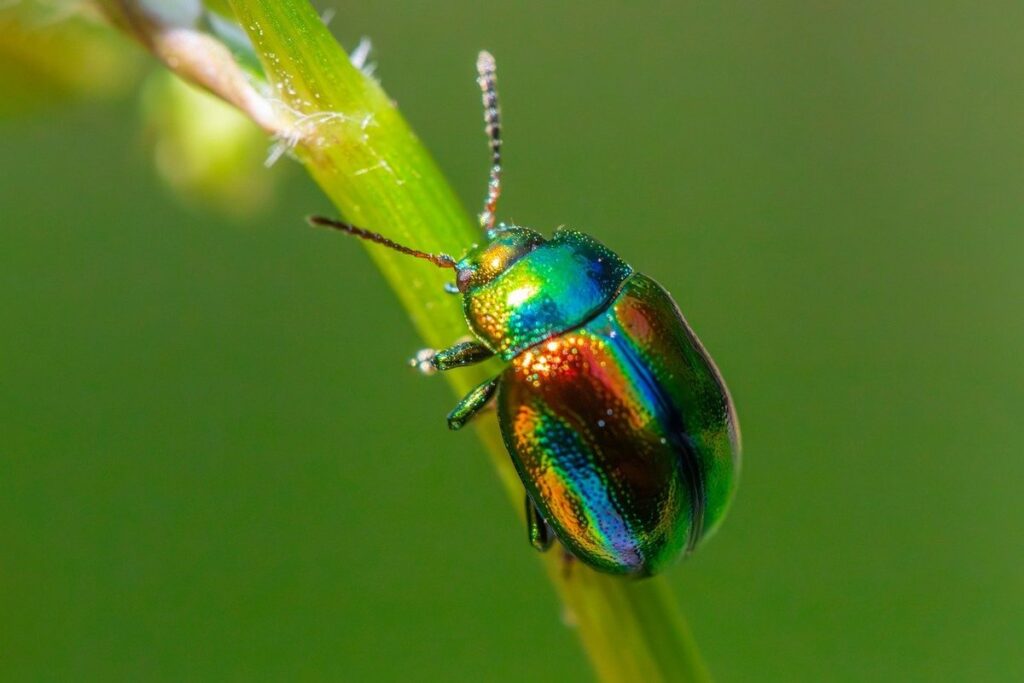
Understanding Lemongrass Pests and Their Impact
When it comes to growing lemongrass, pests can be a major problem. In this next part of our guide, we’ll explore the common pests that target lemongrass and their potential impact on your garden.
Common Pests Affecting Lemongrass
Aphids, whiteflies, spider mites, and scale insects are among the most common pests that target lemongrass. These tiny creatures can cause significant damage to your plants if left unchecked.
Aphids, for instance, are small, soft-bodied insects that feed on plant sap, causing curled or distorted leaves. They reproduce rapidly, producing live young and often colonizing new areas quickly. To manage aphid infestations, use neem oil or insecticidal soap, which can be applied directly to the affected area.
Whiteflies, on the other hand, are tiny insects with a flying ability that feed on plant sap as well. They secrete a sticky substance called honeydew, attracting ants and promoting fungal growth. Use yellow traps or introduce natural predators like ladybugs to control whitefly populations.
Spider mites are microscopic arachnids that spin fine webs and suck plant juices, causing bronzing of leaves. Use miticides or apply diatomaceous earth, which dehydrates the mites, to manage these pests.
Scale insects feed on plant sap using their piercing-sucking mouthparts, causing curled or distorted leaves. Apply horticultural oil or insecticidal soap directly to affected areas to control scale infestations.
Identifying Pest Infestations in Lemongrass
When inspecting your lemongrass plants for pest infestations, it’s essential to look out for visual signs of distress. One of the most common indicators is yellowing leaves. If you notice a significant number of leaves turning yellow or developing brown spots, it may be a sign that pests are sucking the sap from the plant. This can lead to stunted growth and reduced yields.
Another telltale sign is distorted growth. Pests like aphids, whiteflies, and spider mites inject a toxic substance into the plant as they feed, causing the leaves to become misshapen or develop unusual growth patterns. Look for leaves that are curled, twisted, or have an abnormal shape.
In addition to visual signs, sticky honeydew residue can be a giveaway of pest infestations. Honeydew is a sweet, sticky substance produced by pests like aphids and mealybugs as they excrete waste. If you notice a sticky coating on the leaves or stems of your lemongrass plants, it’s likely that pests are present.
Regularly inspecting your lemongrass plants for these signs can help you catch pest infestations early, before they spread and cause significant damage.
Organic Methods for Controlling Pests
When it comes to organic pest control, nature has already provided us with some incredible solutions that are just as effective as chemical alternatives. In this section, we’ll explore these earth-friendly methods for managing unwanted pests in your lemongrass garden.
Using Neem Oil for Pest Control
Neem oil is a natural and effective solution for controlling pests on lemongrass plants. This oil is extracted from the seeds of the neem tree and has been used for centuries to control insects, fungal diseases, and even nematodes.
To use neem oil effectively, you’ll need to mix it with water according to the label instructions. Typically, you’ll need to dilute 2-4% neem oil with water, which translates to 2-4 tablespoons of neem oil per gallon of water. Mix this solution well and apply it to the affected area using a spray bottle or a garden sprayer.
When applying neem oil, make sure to cover all surfaces of the lemongrass plant, including leaves, stems, and soil. This will help ensure that you’re targeting any pests that may be hiding in these areas. You can also use neem oil as a preventative measure by spraying it on your lemongrass plants every 7-10 days to keep pests at bay.
It’s essential to note that neem oil should not be used during peak sun hours or when the temperature is above 90°F (32°C), as this can cause damage to the plant. With its versatility and effectiveness, neem oil has become a popular choice among gardeners for controlling pests on lemongrass plants.
Diatomaceous Earth as a Natural Repellent
Diatomaceous earth is a natural, non-toxic substance made from the fossilized remains of tiny aquatic organisms called diatoms. It’s been used for centuries as a natural pest control method, and it’s an excellent addition to your lemongrass pest prevention arsenal.
To use diatomaceous earth effectively around lemongrass plants, start by applying a thin layer to the soil or directly on the affected areas. You can also mix it with water to create a spray that you can apply to the leaves and stems of your lemongrass plants. The sharp, powdery texture of diatomaceous earth works by dehydrating pests, causing them to die within hours.
When using diatomaceous earth around lemongrass, be sure to follow these guidelines: apply it in a thin layer, avoid inhaling the powder (wear a mask), and reapply as needed. It’s also essential to note that diatomaceous earth can affect beneficial insects like bees, so use it carefully and only when necessary.
Some gardeners swear by mixing diatomaceous earth with other natural pest control methods for enhanced results. Experiment with combining it with neem oil or garlic spray to create a potent lemongrass pest prevention cocktail.
Companion Planting for Pest Prevention
When it comes to keeping pests at bay, companion planting is a clever hack that can be used alongside lemongrass to create a pest-preventing powerhouse in your garden.
Beneficial Plants That Repel Pests
Companion planting is a natural and effective method of pest prevention that can be used alongside lemongrass to keep pests at bay. By planting beneficial plants like basil, mint, and chili peppers together with lemongrass, you can create a pest-repellent haven for your garden.
Basil, for example, repels aphids and whiteflies, which are common pests that target lemongrass. Mint, on the other hand, is known to repel ants and spider mites, making it an excellent companion plant for lemongrass. Chili peppers contain capsaicin, a natural insecticide that repels nematodes and other garden pests.
When planting these beneficial plants alongside lemongrass, be sure to space them correctly. Basil and mint can be planted about 6-8 inches away from lemongrass, while chili peppers can be placed slightly farther away to allow for adequate air circulation. Remember that companion planting is all about creating a balanced ecosystem in your garden, so experiment with different combinations of plants to find what works best for you.
Plant Spacing and Arrangement
When using companion planting for pest control with lemongrass, proper plant spacing and arrangement are crucial for maximizing its effectiveness. Lemongrass can release chemicals that repel pests from neighboring plants, but if these plants are too close together, the benefits may be compromised.
To get the most out of your lemongrass pest prevention strategy, consider a few key factors when selecting companion plants and arranging them in your garden. First, choose plants with different growing habits to create a layered effect – tall plants at the back, medium-height plants in the middle, and shorter ones towards the front.
For example, basil and mint are great companions for lemongrass, but they need to be kept separate as they can quickly take over if allowed to spread. Similarly, marigolds repel nematodes, which lemongrass is particularly effective against, but should be planted at a distance of about 12-18 inches from the lemongrass.
By spacing your plants thoughtfully and selecting those that complement each other in terms of growth habits and pest-repelling properties, you can create a harmonious and pest-free garden ecosystem.
Trapping and Hand-Picking Pests
When dealing with stubborn pests, knowing how to trap and hand-pick them is crucial for maintaining a healthy lemongrass garden. In this case, we’ll cover effective trapping methods and techniques.
Sticky Traps for Capturing Pests
Sticky traps are an effective and non-toxic method for capturing pests that threaten your lemongrass plants. These adhesive-based traps work by catching pests as they move onto the sticky surface, preventing them from escaping or causing further damage.
To set up sticky traps around your lemongrass plants, place them near the affected areas where pest activity has been observed. For best results, position the traps in a way that catches the pests off guard – typically near the base of the plant or along stems. Use a trap with a gentle adhesive to prevent non-target insects from getting stuck.
Regular monitoring is key when using sticky traps. Check them every few days and replace any worn-out glue or damaged traps. Dispose of captured pests responsibly, either by disposing of them in a sealed bag or releasing non-pest species unharmed. By incorporating sticky traps into your lemongrass pest management strategy, you can effectively control infestations while minimizing harm to beneficial insects and the environment.
Hand-Picking Small Insects
When it comes to hand-picking small insects from lemongrass, timing is everything. Try to inspect your plants during early morning hours when the dew is still present on the leaves and stems. This makes it easier to spot even the tiniest aphids and whiteflies. Begin by gently washing off any visible debris or dirt from the leaves using a soft-bristled brush or a gentle stream of water.
Once you’ve cleaned the leaves, use your fingers or a pair of tweezers to manually remove any remaining small insects. Be sure to check both sides of the leaves and stems thoroughly, as these pests can be notoriously difficult to spot. For particularly stubborn infestations, consider using a magnifying glass or a handheld microscope to get a closer look.
When removing aphids or whiteflies from your lemongrass, make sure not to damage the plant’s delicate tissues. Gently pinch off any severely affected areas with your fingers or use a pair of sharp pruning shears to trim back infected stems.
Integrated Pest Management (IPM) for Lemongrass
When it comes to preventing pests from damaging your lemongrass crop, a multi-faceted approach is key. This section will explore Integrated Pest Management (IPM) strategies tailored specifically for lemongrass cultivation.
Monitoring and Record-Keeping
Monitoring and record-keeping are crucial components of an effective IPM strategy for lemongrass. By tracking pest activity, you can make informed decisions about control methods and adjust your approach as needed. This means setting up regular monitoring schedules to inspect your plants for signs of pests, such as yellowing leaves or actual pests themselves.
When tracking pest activity, keep a detailed record of the following: the type of pest encountered, the severity of the infestation, and any treatments applied. For example, if you notice aphids on your lemongrass, note the date and time, and take action immediately to prevent their spread. Adjust control methods based on your records – if certain pesticides are not working effectively, switch to alternative options.
Effective record-keeping involves setting up a system that is easy to update and maintain. Consider using digital tools like spreadsheets or apps to track pest activity and treatments applied. This way, you can quickly access the information you need to make informed decisions about your lemongrass crop.
Combining Methods for Maximum Effectiveness
Combining different control methods is essential to achieve maximum effectiveness in lemongrass pest prevention. For instance, using organic pesticides alone may not be enough to combat a severe infestation. Similarly, companion planting can help deter pests but might not provide the desired level of protection. By combining these methods, you can create a robust defense system for your lemongrass crop.
Here are some examples: use neem oil or insecticidal soap as a quick-fix to control existing pest populations, while incorporating companion plants like marigold, basil, and mint to prevent future infestations. Marigold, in particular, has been shown to repel nematodes and whiteflies, two common pests that target lemongrass. Basil, on the other hand, can help reduce aphid populations by attracting natural predators.
To get started, identify the specific pest problems you’re facing and choose a combination of control methods tailored to those issues. Monitor your crop regularly and adjust your approach as needed. By combining different control methods, you’ll be able to achieve a more balanced ecosystem that minimizes chemical use while maximizing pest prevention effectiveness.
Preparing Your Lemongrass Soil for Pest Prevention
Before we dive into pest prevention methods, it’s essential to create a healthy environment for your lemongrass by preparing its soil properly. This involves making a few simple adjustments to your growing conditions.
Improving Soil Quality with Organic Amendments
When it comes to lemongrass pest prevention, many gardeners overlook the importance of soil quality. However, healthy soil is essential for a robust and resilient lemongrass plant that can better withstand pests. The reality is that poor soil conditions can weaken lemongrass plants, making them more susceptible to infestations.
Using organic amendments like compost or worm casting can significantly improve lemongrass soil health. These natural additives enhance the soil’s water-holding capacity, structure, and fertility. For instance, compost can help retain moisture, reducing the need for frequent watering that may attract pests. Worm casting, on the other hand, is rich in nutrients and beneficial microorganisms that promote a balanced soil ecosystem.
To incorporate organic amendments into your lemongrass care routine, start by adding 2-3 inches of compost to the top layer of soil before planting. You can also mix worm casting into the soil at a ratio of 1:10 with regular potting mix. Regular applications will help maintain optimal soil conditions, reducing the likelihood of pest infestations and ensuring your lemongrass plants thrive.
Avoiding Over-Fertilization
Over-fertilizing lemongrass plants is a common mistake that can have severe consequences on their growth and pest susceptibility. While fertilizers are essential for providing lemongrass with the necessary nutrients, excessive application can lead to weak and spindly growth, making it more vulnerable to pests.
When you over-fertilize your lemongrass, the plant will focus its energy on producing new foliage rather than developing a robust root system. This results in a weakened plant that is easier prey for pests like aphids, whiteflies, and spider mites. To avoid this scenario, it’s crucial to follow the recommended fertilizer application rates.
Here are some practical tips to help you fertilize your lemongrass correctly:
* Start by testing your soil pH and nutrient levels to determine if your lemongrass requires any specific amendments.
* Apply a balanced fertilizer (10-10-10 NPK) at half the recommended rate, and gradually increase as needed.
* Consider using organic or slow-release fertilizers that provide nutrients over an extended period, reducing the risk of over-fertilization.
Conclusion: Effective Lemongrass Pest Prevention Strategies
In conclusion, effectively preventing pests from infesting your lemongrass plants requires a multi-faceted approach. By combining good gardening practices, such as maintaining optimal growing conditions and monitoring for signs of pest activity, with targeted preventative measures like using neem oil or insecticidal soap, you can keep your plants healthy and thriving. Regularly inspecting your plants for any damage or discoloration is crucial in catching problems early on. Additionally, consider implementing companion planting strategies by incorporating natural pest-repellent herbs like basil or mint alongside your lemongrass to create a balanced ecosystem. With these effective lemongrass pest prevention strategies in place, you’ll be well-equipped to protect your plants from common pests and enjoy a bountiful harvest.
Frequently Asked Questions
What if I’ve already applied neem oil but still see pests on my lemongrass?
If you’ve used neem oil and still notice pest activity, it might be due to resistance or incomplete coverage. Try combining neem oil with diatomaceous earth for a dual-attack approach. Reapply as needed, following the product’s instructions.
Can I use companion planting methods alongside other organic pest control techniques?
Yes! Companion planting can complement other natural methods like neem oil and diatomaceous earth. For example, planting lemongrass alongside basil or mint can create a harmonious pest-repelling environment without compromising your primary controls.
How often should I monitor my lemongrass patch for signs of pests?
Regular monitoring is crucial when using organic methods. Check your plants every 7-10 days during peak growth seasons, inspecting leaves, stems, and soil for early signs of infestation. Record your findings to track the effectiveness of your pest control strategies.
What are some beneficial plants that repel lemongrass pests naturally?
Certain herbs like basil, mint, and citronella have natural oils that repel common lemongrass pests. Plant these alongside your lemongrass or near affected areas to create a balanced ecosystem that discourages unwanted visitors. Research specific companion planting combinations for maximum effectiveness.
Can I use diatomaceous earth on young lemongrass plants, or is it only suitable for mature plants?
Diatomaceous earth can be used on young lemongrass plants, but exercise caution when applying powders to tender shoots. Dust lightly and avoid getting the powder on leaves to prevent potential damage. Start with a small test area before applying it to the entire plant.