
Are you growing lemongrass for its fragrant flavor or medicinal properties, only to have your prized plants ravaged by aphids? If so, you’re not alone. These pesky insects can cause significant damage to your lemongrass crop, reducing yields and affecting the plant’s overall health. But don’t worry, there are effective ways to control aphid infestations using organic methods and Integrated Pest Management (IPM) strategies.
In this article, we’ll delve into the world of natural deterrents and long-term solutions for maintaining a pest-free harvest. We’ll cover identification techniques to help you spot aphids early on, as well as practical tips on how to prevent future infestations. Whether you’re a seasoned gardener or just starting out, our guide will walk you through the most effective ways to manage aphid populations and ensure a thriving lemongrass crop all season long.
Understanding Lemongrass and Its Susceptibility to Pests
To effectively manage aphid infestations on your lemongrass, it’s essential to understand how these pests interact with the plant in the first place. This section will dive into lemongrass’s susceptibility to pests like aphids.
Common Lemongrass Growing Conditions
Lemongrass thrives in ideal growing conditions that are relatively easy to replicate. As you navigate aphid control measures for your lemongrass plants, it’s essential to provide them with the right environment to prevent pest infestations.
In terms of climate, lemongrass is a tropical plant that loves warmth and humidity. It prefers temperatures between 65°F to 95°F (18°C to 35°C), making it perfect for USDA zones 10-12. Avoid exposing your plants to frost or extreme cold, as this can lead to damage or death.
For soil, choose well-draining pots with a slightly acidic pH between 6.0 and 7.0. Lemongrass has a low tolerance for waterlogged conditions, so ensure the pot has adequate drainage holes. Water your lemongrass plants thoroughly, allowing the top inch of soil to dry out before rehydration.
Maintain consistent watering schedules, providing about 1-2 inches of water per week. Avoid overwatering, as this can lead to root rot and create a conducive environment for aphid infestations. By replicating these conditions, you’ll be better equipped to tackle any pest control challenges that may arise, including those caused by aphids.
Identifying Pests in Lemongrass Plants
When it comes to lemongrass plants, there are several common pests that can cause significant damage and impact their overall health. Among these, aphids stand out as a primary concern for many gardeners. These tiny insects feed on the plant’s sap, causing curled or distorted leaves, stunted growth, and reduced yields.
To identify aphids on your lemongrass plants, perform a visual inspection of the foliage and stems. Look for clusters of small, soft-bodied insects that are often white, yellow, or black in color. Check the undersides of leaves, as well as the joints between stems and leaves, where they tend to congregate.
Other signs of aphid infestation include sticky honeydew droplets on the leaves or soil, which can attract ants and promote fungal growth. If you suspect an aphid problem, gently wash the affected areas with a mild soap solution to dislodge the pests. This should be followed by regular monitoring and maintenance practices to prevent re-infestation.
Be aware that lemongrass plants are particularly susceptible to aphids due to their tropical nature and requirement for high humidity and warmth. To minimize this risk, ensure your plants receive good air circulation and avoid overwatering, which can create an ideal environment for aphid populations to thrive.
Causes and Contributing Factors of Aphid Infestations
To effectively manage aphids on your lemongrass plants, it’s essential to understand what causes these infestations in the first place. Let’s explore some common contributing factors that might be affecting your garden.
Environmental Factors That Attract Aphids
Aphids are attracted to lemongrass plants under specific environmental conditions. Temperature fluctuations play a significant role in their attraction. Aphids thrive in temperatures ranging from 64°F to 90°F (18°C to 32°C), which is ideal for lemongrass growth as well. Avoid exposing your lemongrass plant to extreme temperatures, especially above 95°F (35°C), as it can trigger aphid infestations.
Humidity levels also attract aphids. They prefer a humid environment with relative humidity ranging from 50% to 90%. Overwatering or poor drainage in the potting mix can create an ideal environment for aphids. To maintain optimal humidity, ensure good air circulation around your lemongrass plant and avoid watering excessively.
Nutrient deficiencies are another environmental factor that attracts aphids. Aphids feed on sap, which is rich in nutrients. When a lemongrass plant lacks essential nutrients like nitrogen, phosphorus, or potassium, it can become more susceptible to aphid infestations. Regular fertilization with balanced fertilizer can help prevent such deficiencies and reduce the risk of aphid attacks.
Keep an eye out for these environmental factors that attract aphids to your lemongrass plants and take proactive steps to mitigate them.
Poor Growing Practices That Encourage Pest Growth
When it comes to growing lemongrass, certain practices can inadvertently contribute to aphid infestations. One common mistake is overwatering, which creates an ideal environment for these pests. Aphids thrive in moist conditions and can reproduce rapidly in the presence of excess water. To avoid this issue, make sure to check the soil moisture regularly and only water your lemongrass when the top inch of soil feels dry.
Another contributing factor is overcrowding. When plants are too close together, it’s easier for aphids to spread from one plant to another through direct contact or airborne transmission. Additionally, overcrowding can lead to reduced air circulation, which can further exacerbate the problem. To combat this, ensure that your lemongrass plants have sufficient space between them and prune any nearby weeds or debris.
Lastly, failing to practice crop rotation is another poor growing practice that can encourage aphid growth. When you plant the same crop in the same spot year after year, you’re more likely to attract pests that target those specific plants. By rotating your crops, you can break this cycle and reduce the risk of infestation. Try planting different lemongrass varieties or companion plants like basil or mint to create a diverse and balanced garden ecosystem.
Symptoms and Damage Caused by Aphids
Aphid infestations can quickly escalate, causing a range of frustrating symptoms and damage to your lemongrass plants, including curled or distorted leaves. Let’s take a closer look at what you need to watch out for.
Visual Signs of Aphid Infestation on Lemongrass
When it comes to detecting aphid infestation on lemongrass plants, there are several visual signs you should be aware of. One of the most obvious indicators is the presence of yellowing or stunted leaves. Aphids feed on the sap of lemongrass plants, which can cause a reduction in leaf size and a change in color, often resulting in yellow or pale green leaves.
Distorted growth patterns are another common sign of aphid infestation. As aphids suck the sap from the plant’s stems and leaves, they can disrupt the normal growth process, leading to twisted, curled, or misshapen leaves and stems. In severe cases, the entire plant may appear stunted or deformed.
Additionally, a sticky substance called honeydew is often produced by aphid colonies as a waste product. This sweet, sticky liquid can drip down from the infested areas of the plant, creating unsightly brownish-black spots on surrounding surfaces and attracting other pests like ants and bees.
Regularly inspecting your lemongrass plants for these signs will help you detect any potential aphid issues early on, making it easier to implement control measures before the problem gets out of hand.
Economic Impact of Aphid-Infested Lemongrass Crops
Aphid infestations on lemongrass crops can have significant economic implications for farmers and the industry as a whole. The primary reason is the substantial reduction in yield due to aphids’ sap-sucking behavior, which can lead to stunted growth and weakened plants. According to studies, an average 10-20% decline in crop yields has been observed in lemongrass fields infested with aphids.
Furthermore, aphid colonies can also transmit plant viruses such as the Tomato Spotted Wilt Virus (TSWV), which can further reduce yields and compromise the overall quality of the harvest. In severe cases, entire crops may need to be discarded, resulting in substantial financial losses for farmers. For instance, a study conducted in India estimated that aphid-infested lemongrass fields resulted in losses amounting to approximately $100 per acre.
To mitigate these economic impacts, it is essential to implement effective aphid control measures such as introducing natural predators or parasites of aphids, using integrated pest management (IPM) techniques, and practicing good agricultural practices like crop rotation and sanitation. Regular monitoring of lemongrass fields for aphid infestations can also help prevent the problem from escalating into an economic disaster.
Organic and Chemical Control Methods for Aphids in Lemongrass
When it comes to controlling aphid infestations on your lemongrass, understanding both organic and chemical methods is key to making an informed decision. Let’s explore these options in more detail below.
Integrated Pest Management (IPM) Strategies
When managing aphid populations on lemongrass plants, it’s essential to adopt an Integrated Pest Management (IPM) strategy that combines multiple approaches for effective control. This holistic approach integrates physical barriers, cultural controls, biological control agents, and chemical pesticides to minimize the use of chemicals while maintaining healthy plant growth.
Physical barriers such as fine-mesh screens or row covers can prevent aphids from reaching your lemongrass plants in the first place. Cultural controls like pruning infested areas, removing weeds that serve as a food source for aphids, and implementing crop rotation can also help reduce aphid populations.
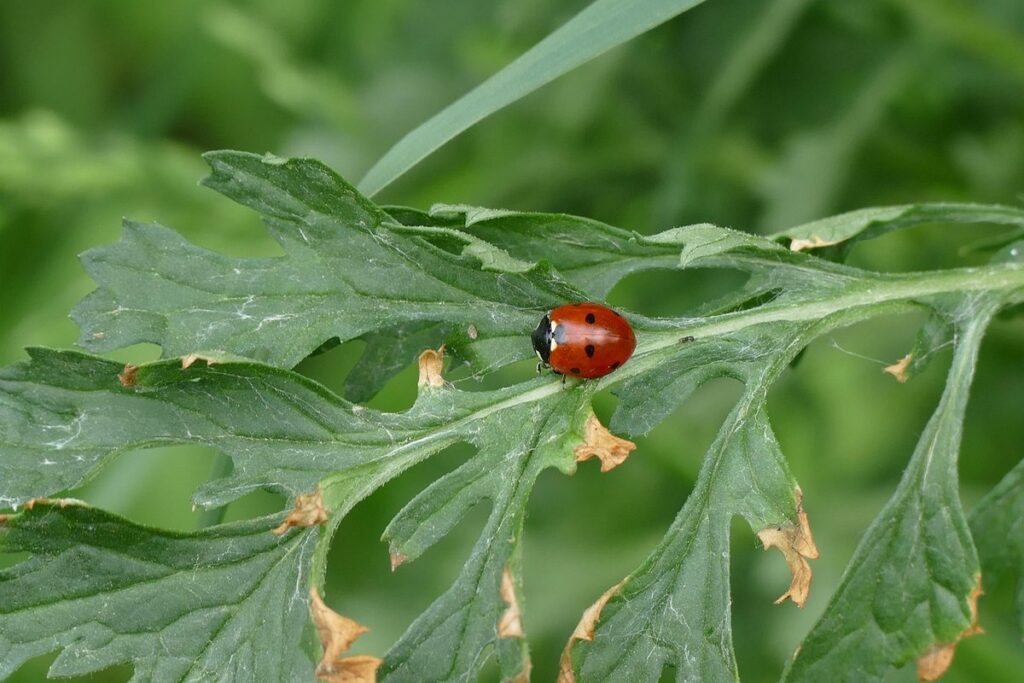
Biological control agents like lady beetles, lacewings, or parasitic wasps can be introduced to your lemongrass garden to feed on aphids. These natural predators are an effective way to manage aphid populations without using chemicals. Chemical pesticides should be used as a last resort and with caution, following the recommended application rates to avoid harming beneficial insects.
By combining these IPM strategies, you can create a balanced ecosystem that promotes healthy lemongrass growth while minimizing pest damage. Regular monitoring of your plants will help you identify issues early on and take corrective action before aphid populations get out of control.
Natural Deterrents and Repellents for Aphids
When it comes to keeping aphids at bay without resorting to harsh chemicals, natural deterrents and repellents are a great option. One popular choice is neem oil, which can be used as a spray or added to the soil to repel aphids. This oil is extracted from the seeds of the neem tree and has been shown to be effective in controlling aphid populations.
Garlic sprays are another natural remedy that can be used to deter aphids. Mix crushed garlic with water and spray it on your lemongrass plants to keep these pests away. The strong smell of garlic is unappealing to aphids, making it an excellent organic solution.
Certain essential oils such as peppermint oil, lemongrass oil (ironically!), and tea tree oil have also been shown to repel aphids. Mix a few drops of one or more of these oils with water and spray them on your plants to keep aphids under control. These natural deterrents may need to be reapplied regularly, but they provide a safe and effective way to manage aphid infestations in lemongrass.
Preventing Future Infestations: Long-Term Strategies
Now that you’ve successfully eliminated aphids from your lemongrass, let’s focus on creating a pest-free environment for years to come. We’ll explore effective long-term strategies to prevent future infestations.
Crop Rotation and Companion Planting Techniques
When it comes to preventing future aphid infestations on your lemongrass plants, incorporating crop rotation and companion planting techniques into your gardening routine can be a game-changer. By breaking the pest cycle and creating a more balanced ecosystem, you’ll not only reduce the risk of aphids but also promote overall plant health.
Start by rotating your lemongrass crops to different areas of your garden or yard each season. This simple yet effective technique disrupts the life cycle of aphids, making it harder for them to return year after year. For example, if you normally grow lemongrass in a sunny spot, try moving it to a shadier area the following season. This change in environment will give your plants a fresh start and reduce the likelihood of pests.
Companion planting is another powerful tool in your aphid-fighting arsenal. Certain plants, such as basil, mint, and garlic, repel aphids naturally. Plant these companions alongside your lemongrass to create a pest-resistant barrier. For instance, plant basil near the base of your lemongrass stalks to keep aphids at bay. By combining crop rotation with companion planting, you’ll be well on your way to creating an aphid-free haven for your beloved lemongrass plants.
Regular Maintenance and Monitoring Practices
Regular maintenance and monitoring practices are crucial to preventing future aphid infestations on your lemongrass plants. You should aim to inspect your lemongrass regularly, ideally every 1-2 weeks during peak growth seasons. This allows you to catch potential pest problems early on before they get out of hand.
When performing these inspections, be sure to check the undersides of leaves, stems, and soil for any signs of aphid activity. Look for clusters of small, soft-bodied insects with long legs or eggshell-like coverings on the plant’s surface. If you do spot an infestation, prune back any heavily infested areas to prevent further spread.
Additionally, ensure that your lemongrass is receiving optimal growing conditions. Aphids thrive in stressed plants, so make sure your lemongrass is getting enough water, nutrients, and light. By maintaining a healthy plant through proper care and regular monitoring, you’ll significantly reduce the likelihood of aphid infestations.
Frequently Asked Questions
How can I tailor my Integrated Pest Management (IPM) strategy to my specific lemongrass growing conditions?
If you’re using a combination of natural deterrents and IPM strategies, it’s essential to adjust your approach based on factors like climate, soil type, and humidity levels. Consider consulting with local gardening experts or conducting further research to create a customized plan that addresses your unique challenges.
What are some common mistakes I should avoid when implementing organic control methods for aphids in lemongrass?
When using natural deterrents, it’s crucial not to overdo it. Avoid applying too much neem oil or insecticidal soap, as this can harm your plants and create resistance among the pests. Start with small applications and gradually increase as needed, also be sure to follow product instructions carefully.
Can I use companion planting to repel aphids from my lemongrass crop?
Yes, certain herbs like basil, mint, and garlic have natural properties that can deter aphid infestations. Plant these companions alongside your lemongrass to create a pest-resistant barrier and reduce the need for chemical interventions.
How often should I inspect my lemongrass plants for signs of aphids, especially in areas with high humidity or warm temperatures?
Regular inspections are crucial when dealing with pests like aphids. Set aside time each week to examine your plants closely, looking out for symptoms such as curled leaves, sticky residue on stems, and actual aphid sightings.
What long-term strategies can I implement to prevent future aphid infestations in my lemongrass crop?
Implementing a regular maintenance routine is key to preventing pest growth. This includes tasks like rotating your lemongrass crop with other plants, maintaining good sanitation practices, and monitoring for early signs of pests or diseases regularly.
Can neem oil be used on edible crops like lemongrass?
Yes, neem oil can be safely applied to edible plants like lemongrass. However, it’s essential to ensure the product is specifically labeled for use on food crops and follow application instructions carefully to avoid harming your plants or contaminating the leaves.