
Growing lemongrass with hydroponics is an efficient way to cultivate this popular herb, but it can be intimidating if you’re new to the technique. Many people struggle with setting up their systems or dealing with common issues like nutrient deficiencies and pests. If you’re looking for a more sustainable and reliable method of growing lemongrass, then you’re in the right place. In this article, we’ll break down the basics of lemongrass hydroponics, covering everything from setting up your system to maximizing yields and troubleshooting common problems. You’ll learn how to create a healthy and disease-resistant environment for your lemongrass using hydroponics, making it easier than ever to grow this versatile herb at home or in a commercial setting.
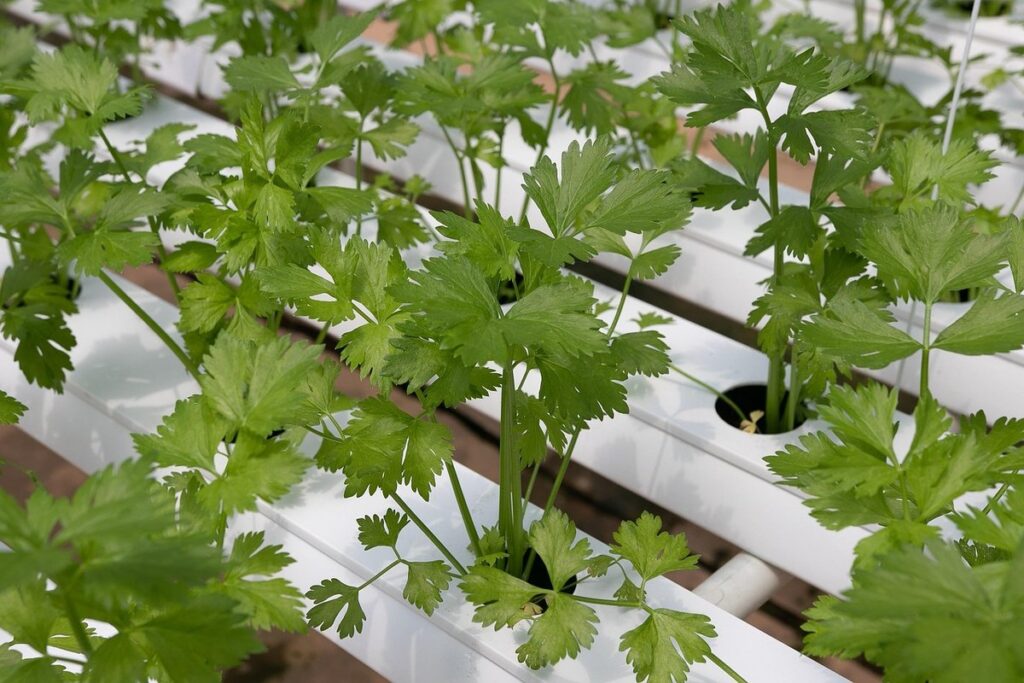
Introduction to Lemongrass and Hydroponics
Let’s dive right into the basics of lemongrass hydroponics, covering everything you need to know to get started with growing this versatile herb at home. We’ll explore its unique characteristics and requirements in a controlled environment.
What is Lemongrass?
Lemongrass is a tropical grass that has been used for centuries in various cultures for its medicinal, culinary, and ornamental purposes. It’s a natural stress reliever and anti-inflammatory agent, often used in teas, essential oils, and cooking. The benefits of lemongrass are vast, ranging from aiding digestion to repelling insects.
One of the most significant advantages of growing lemongrass is its ability to thrive in hydroponic systems. Lemongrass requires minimal care, can tolerate a wide range of temperatures, and can grow year-round with proper nourishment. Its versatility makes it an excellent choice for beginners in hydroponics.
Lemongrass has various uses beyond culinary purposes. It’s often used as a natural air freshener, deodorizer, and even as a mosquito repellent. The essential oils extracted from lemongrass are also used in aromatherapy to reduce anxiety and promote relaxation.
Incorporating lemongrass into your hydroponic setup is relatively easy. Choose a variety that suits your climate and growing conditions, and ensure you provide it with the necessary nutrients for optimal growth.
Understanding Hydroponic Systems
Hydroponic systems offer a unique way to grow lemongrass, one that’s more efficient and environmentally friendly compared to traditional farming methods. Essentially, hydroponics is a method of growing plants using a nutrient-rich solution rather than soil. This approach allows for precise control over the nutrients and water your plants receive, resulting in faster growth rates and higher yields.
One of the key advantages of hydroponic systems is their ability to conserve water – up to 90% less compared to traditional farming methods! This makes them particularly suitable for areas with limited water resources. Additionally, hydroponics eliminates soil-borne diseases and pests, reducing the need for pesticides and other chemicals. To set up a basic hydroponic system for lemongrass, you’ll need a few key components: a growing medium like rockwool or coco coir, a nutrient solution reservoir, and an irrigation system. You can choose from various types of systems, including NFT (nutrient film technique) and DWC (deep water culture).
Benefits of Growing Lemongrass with Hydroponics
Growing lemongrass with hydroponics has numerous advantages, from increased yields to better pest control, making it an attractive option for gardeners looking to maximize their space and results.
Increased Yields and Better Quality
When grown with hydroponics, lemongrass tends to thrive and produce higher yields compared to traditional soil-based methods. This is because hydroponic systems provide a controlled environment that allows for optimal nutrient delivery and precise water management. As a result, the plants receive exactly what they need to grow at their best pace.
One of the main benefits of growing lemongrass with hydroponics is improved quality. The absence of soil-borne pests and diseases means your crops are less likely to be affected by these common issues. This results in healthier, more robust plants that produce better-tasting essential oils. Additionally, hydroponic systems enable you to monitor and adjust the nutrient levels precisely, which leads to a more consistent flavor profile.
To achieve maximum yields with lemongrass in your hydroponic setup, make sure to provide adequate light (at least 4-6 hours of direct sunlight) and maintain optimal water temperatures between 68°F and 75°F. Regular pruning will also help promote bushy growth and encourage the plant to focus its energy on producing more essential oils. By implementing these best practices, you can enjoy a bountiful harvest of high-quality lemongrass in your hydroponic garden.
Water Conservation and Reduced Land Use
Growing lemongrass with hydroponics not only provides numerous benefits to the plant itself but also has a significant impact on water conservation and reduced land use. One of the most notable advantages of hydroponic farming is its ability to significantly reduce water consumption. Traditional farming methods require farmers to irrigate their crops using rainwater or groundwater, which can be scarce in many regions. Hydroponics, on the other hand, uses a controlled system that recirculates and reuses water, minimizing waste and reducing the overall demand for this precious resource.
In fact, hydroponic systems can conserve up to 90% of water compared to traditional farming methods. This is because the root zone is precisely controlled, allowing for optimal nutrient delivery and minimizing runoff. By adopting hydroponics, lemongrass farmers can significantly reduce their environmental footprint while also enjoying higher yields and improved crop quality.
This approach also allows for reduced land use, as crops can be grown vertically or in a smaller footprint. This not only conserves space but also reduces the need for pesticides and fertilizers, which can pollute soil and waterways when used excessively. By embracing hydroponics, lemongrass growers can join the growing community of farmers who are committed to sustainability and environmentally responsible practices.
Preparing for Lemongrass Hydroponics: Equipment and Supplies
To get started with lemongrass hydroponics, you’ll need to gather the right equipment and supplies, which we’ll cover in detail below. Let’s take a closer look at what you’ll need to succeed.
Choosing a Suitable Grow Medium
When it comes to growing lemongrass hydroponically, choosing the right grow medium is crucial for optimal plant growth. There are several common grow media used in hydroponic systems, each with its own set of advantages and disadvantages.
Rockwool, a popular choice among hydroponic enthusiasts, provides excellent aeration and water retention properties. However, it can be expensive and may cause root rot if not properly managed. Coco coir, on the other hand, is a cost-effective alternative that offers good water-holding capacity and can help prevent overwatering. But, it can break down quickly and release salts into the nutrient solution.
Clay pebbles, also known as LECA (Lightweight Expanded Clay Aggregate), are another popular option that allows for excellent drainage and prevents root circling. However, they can be heavy to move around and may require additional support for the plants. Perlite is a lightweight, porous medium that helps with moisture retention but can be prone to compacting over time.
Ultimately, the best grow medium for lemongrass hydroponics will depend on your specific needs and preferences. Consider factors like cost, availability, and plant requirements when making your decision. It’s also essential to research and understand the potential risks associated with each medium to ensure optimal growth and minimal maintenance.
Nutrient Solutions and pH Management
When it comes to lemongrass hydroponics, providing your plants with a balanced nutrient solution and maintaining optimal pH levels are crucial for their growth and overall health. Think of the nutrient solution as fuel for your lemongrass plants – they need the right mix to thrive.
A balanced nutrient solution typically includes macronutrients like nitrogen (N), phosphorus (P), and potassium (K), along with micronutrients such as iron, magnesium, and calcium. These nutrients are essential for plant growth, including root development, leaf expansion, and fruiting. For lemongrass, a general ratio is 20-10-20 N-P-K, but this may vary depending on the specific variety you’re growing.
pH management is equally important. Lemongrass plants prefer a slightly acidic to neutral soil pH, ranging from 6.0 to 7.0. Maintaining an optimal pH ensures nutrient uptake and prevents deficiencies or toxicity. Regularly test your water’s pH levels using a pH meter and adjust as needed by adding pH-up or pH-down solutions.
In addition to providing the right nutrients and maintaining pH balance, it’s also important to ensure proper nutrient cycling and flushing. This involves replenishing depleted nutrients and removing excess salts that can accumulate in the system over time. By following these guidelines, you’ll be well on your way to creating an ideal growing environment for your lemongrass hydroponics plants.
Setting Up Your Lemongrass Hydroponic System
To get your lemongrass hydroponic system up and running, you’ll need to set it up correctly from the start, following these essential steps. This section will guide you through that process.
Assembly and Configuration
Now that you have all the necessary components for your lemongrass hydroponic system, it’s time to put them together. Assembling and configuring your system requires attention to detail, but don’t worry – we’ll walk you through a step-by-step guide.
Start by attaching the net pot to the vertical growing column or pipe using the provided clips or screws. Make sure they’re securely fastened to prevent any movement during watering cycles. Next, place the lemongrass plant into its designated net pot, taking care not to damage the roots. Gently fill the reservoir with a nutrient-rich solution, following the manufacturer’s guidelines for the recommended pH level.
For a basic system, you’ll need to configure the irrigation setup. This usually involves connecting the pump to the timer and attaching the drip irrigation tubing to the plant’s net pot. Ensure all connections are secure and won’t leak during use. Finally, set up the monitoring devices (if included) to track temperature, pH levels, and nutrient intake.
A well-assembled system will ensure your lemongrass plants receive the right amount of water, nutrients, and oxygen for optimal growth. With practice and patience, you’ll be harvesting fresh, fragrant lemongrass in no time.
Tips for Optimal System Performance
To ensure optimal system performance, it’s essential to monitor and adjust parameters as needed. Start by keeping track of water temperature, pH levels, and nutrient intake using a hydroponic system monitoring kit. Regularly check for signs of overwatering or underwatering, such as yellowing leaves or stunted growth.
Adjust the EC (electrical conductivity) settings if necessary to maintain an optimal range between 1.8-2.5 mS/cm. Be cautious not to over-fertilize, as this can lead to nutrient burn and damage your lemongrass plants.
Pay attention to air circulation and light exposure. Ensure sufficient aeration around the roots by keeping the air exchange rate at a minimum of 100% per hour. Also, guarantee your plants receive the required amount of direct sunlight or supplemental lighting.
As you observe changes in plant growth and performance, be prepared to fine-tune your system parameters accordingly. Keep detailed records of adjustments made and their effects on plant health. With patience, observation, and proactive adjustments, you can achieve optimal lemongrass hydroponics system performance.
Monitoring and Maintaining Your Lemongrass Hydroponics System
As you start enjoying the benefits of your lemongrass hydroponic system, it’s essential to monitor its performance regularly to ensure optimal growth and prevent potential issues. This includes checking pH levels, nutrient intake, and system pressure.
Measuring pH, EC, and Temperature
When growing lemongrass using hydroponics, it’s crucial to monitor and maintain optimal conditions for the plants. This involves measuring key parameters such as pH, electrical conductivity (EC), and temperature. These measurements will ensure that your plants receive the right balance of nutrients and water.
To measure pH, you’ll need a high-quality pH meter specifically designed for hydroponics. Calibrate the meter according to the manufacturer’s instructions before taking readings. The ideal pH range for lemongrass is between 5.5 and 6.5. Aim for a pH level closer to 6.0 for optimal growth.
For EC, use an EC meter or a TDS (Total Dissolved Solids) meter. Calibrate the meter according to the manufacturer’s instructions before taking readings. The recommended EC range for lemongrass is between 1.5 and 2.5 mS/cm.
Temperature is also crucial for healthy plant growth. Lemongrass prefers temperatures between 64°F (18°C) and 90°F (32°C). Ensure your hydroponic system’s temperature remains within this range to avoid stressing the plants.
Identifying and Addressing Common Issues
As you continue to monitor and maintain your lemongrass hydroponics system, it’s inevitable that you’ll encounter some common issues. Identifying these problems early on is crucial for preventing damage to your plants and ensuring a healthy crop.
One of the most common issues in lemongrass hydroponics is pH imbalance. This can be caused by using water with high or low pH levels, or by the buildup of waste products from the plant’s roots. To prevent this issue, use a high-quality water testing kit to monitor your system’s pH levels regularly. Make adjustments as needed to maintain a pH range between 5.5 and 6.5.
Another common problem is root rot, which can be caused by overwatering or poor air circulation. To prevent root rot, ensure that your system has adequate drainage and aeration. Check the roots regularly for signs of rot and take action promptly if you notice any issues.
Bacterial growth is another potential issue in lemongrass hydroponics systems. This can be prevented by maintaining good hygiene practices, such as cleaning the system regularly and using antibacterial products.
Troubleshooting Lemongrass Hydroponics: Common Challenges and Solutions
You’re growing lemongrass hydroponically, but hitting a snag? Let’s tackle common challenges like root bound plants and nutrient deficiencies to get your system back on track.
Pests and Diseases Management
Managing pests and diseases in lemongrass hydroponics can be a challenge for even experienced growers. However, with the right strategies, you can maintain a healthy and thriving system. Organic and integrated pest management (IPM) techniques are effective ways to control pests without harming the environment or your crops.
When it comes to pests, start by monitoring your system regularly for signs of infestation. Check for eggs, larvae, or actual insects on the plants, in the nutrient solution, or on the equipment. Common pests include aphids, whiteflies, and spider mites. To control them, use neem oil, insecticidal soap, or horticultural oil according to the manufacturer’s instructions.
For diseases, ensure proper air circulation, maintain optimal temperatures (around 75-85°F), and avoid overwatering. Regularly inspect your plants for yellowing leaves, black spots, or powdery mildew. If you notice any issues, treat the affected areas with copper-based fungicides or bacterial agents like Bacillus subtilis.
Remember to always read and follow the instructions on the product labels carefully, and start with the lowest recommended concentration to avoid burning your plants.
Nutrient Deficiencies and Overloads
Nutrient deficiencies and overloads are common challenges that can impact lemongrass growth and yield in hydroponic systems. Nutrient deficiencies occur when the plants don’t receive sufficient essential nutrients, such as nitrogen (N), phosphorus (P), potassium (K), calcium (Ca), magnesium (Mg), sulfur (S), boron (B), copper (Cu), iron (Fe), manganese (Mn), molybdenum (Mo), and zinc (Zn). Symptoms include yellowing leaves, stunted growth, and reduced flower or fruit production.
On the other hand, overloads occur when excessive nutrients are applied, leading to toxicity. This can cause leaf burn, reduced growth rates, and even plant death. To prevent these issues, monitor pH levels regularly, as most nutrient deficiencies and overloads stem from imbalanced pH conditions.
To correct deficiencies, adjust your NPK formula according to the plants’ requirements, taking into account factors like growth stage, temperature, and light exposure. For instance, lemongrass typically requires more nitrogen during its vegetative phase and less during flowering.
Advanced Techniques for Maximizing Lemongrass Yields with Hydroponics
As you become more comfortable with growing lemongrass using hydroponics, it’s time to take your skills to the next level by mastering advanced techniques for maximizing yields. We’ll dive into expert strategies that will help you get the most out of your hydroponic setup.
CO2 Enrichment and Other Boosters
To maximize lemongrass yields with hydroponics, you can also use advanced techniques such as CO2 enrichment and LED lighting. These methods can significantly enhance growth rates and overall plant health.
CO2 enrichment involves increasing the carbon dioxide levels within the growing space to promote healthy photosynthesis. This can be done using a CO2 generator or by introducing CO2-rich air from an external source. For lemongrass, maintaining optimal CO2 levels between 900-1500 ppm is recommended. Some growers have reported up to 30% increase in growth rates with proper CO2 enrichment.
LED lighting offers another way to boost lemongrass growth in hydroponics. High-intensity LED grow lights can be tailored to the specific spectrum and intensity needs of lemongrass, promoting healthy root development and increased yields. By using a combination of blue and red LEDs, you can optimize your growing space for maximum lemongrass production.
Other techniques that may enhance lemongrass growth in hydroponics include maintaining optimal water temperature (between 65-75°F), ensuring adequate nutrient delivery, and providing sufficient air circulation within the grow space. By implementing these advanced methods, you can achieve even better results from your lemongrass hydroponic system.
Data-Driven Decision Making and Automation
As you continue to optimize your lemongrass hydroponics system, it’s essential to leverage data analytics and automation to maximize yields. By collecting and analyzing data from various aspects of your setup, such as temperature, pH levels, and nutrient intake, you can identify areas for improvement and make informed decisions.
For instance, monitoring temperature fluctuations can help prevent root damage or optimal growth conditions. By tracking water usage, you’ll be able to pinpoint leaks or adjust the watering schedule accordingly. Data analytics also enable you to fine-tune nutrient dosing, reducing waste while ensuring your lemongrass receives exactly what it needs.
To automate these processes, consider investing in monitoring systems that provide real-time data and notifications for adjustments. Options like sensors, timers, and pH controllers can streamline tasks and minimize human error. Many growers find it helpful to start with a basic setup and gradually integrate more advanced features as they become comfortable with the system’s nuances. By embracing automation, you’ll free up time to focus on other aspects of your operation, ultimately driving higher yields and healthier lemongrass plants.
Frequently Asked Questions
What are the ideal conditions for lemongrass hydroponics, especially concerning temperature and humidity?
Lemongrass thrives in temperatures between 64°F to 90°F (18°C to 32°C) with moderate humidity levels. Avoid exposing your plants to extreme temperatures or sudden changes, as this can cause stress and reduce yields.
Can I use tap water for my lemongrass hydroponic system?
Tap water is not always the best option for hydroponics due to its varying pH levels and potential contaminants. Use a reverse osmosis filter or deionized water to maintain optimal pH levels and prevent nutrient imbalances.
How do I monitor pH, EC, and temperature in my lemongrass hydroponic system?
Use a high-quality pH meter, EC meter, and thermometer to regularly check your system’s parameters. Calibrate your equipment as needed to ensure accurate readings. Maintain a log to track changes and make adjustments accordingly.
What are the most common pests and diseases that affect lemongrass in hydroponics, and how can I prevent them?
Common pests include aphids, whiteflies, and spider mites. Regularly inspect your plants for signs of infestation, and use integrated pest management techniques like neem oil or insecticidal soap. Fungal diseases like root rot are more common in hydroponics; ensure proper air circulation, maintain optimal pH levels, and treat with fungicides if necessary.
Can I combine lemongrass with other herbs or plants in a single hydroponic system?
Yes, you can grow multiple crops together using a diverse hydroponic setup. However, ensure compatibility by selecting plants with similar growing requirements and avoid overcrowding to prevent competition for resources.