
Lemongrass is one of those plants that can be a bit finicky, especially when it comes to temperature. If you’re new to growing lemongrass or if you live in an area with harsh winters, you might be wondering how to make sure your plant survives the cold months. The good news is that lemongrass can be grown in many different hardiness zones, but it does require some special care to thrive. In this article, we’ll break down what you need to know about growing lemongrass in your specific hardiness zone, including temperature requirements and soil factors that will affect its success. We’ll also cover winter care strategies to keep your plant healthy and thriving all year round.
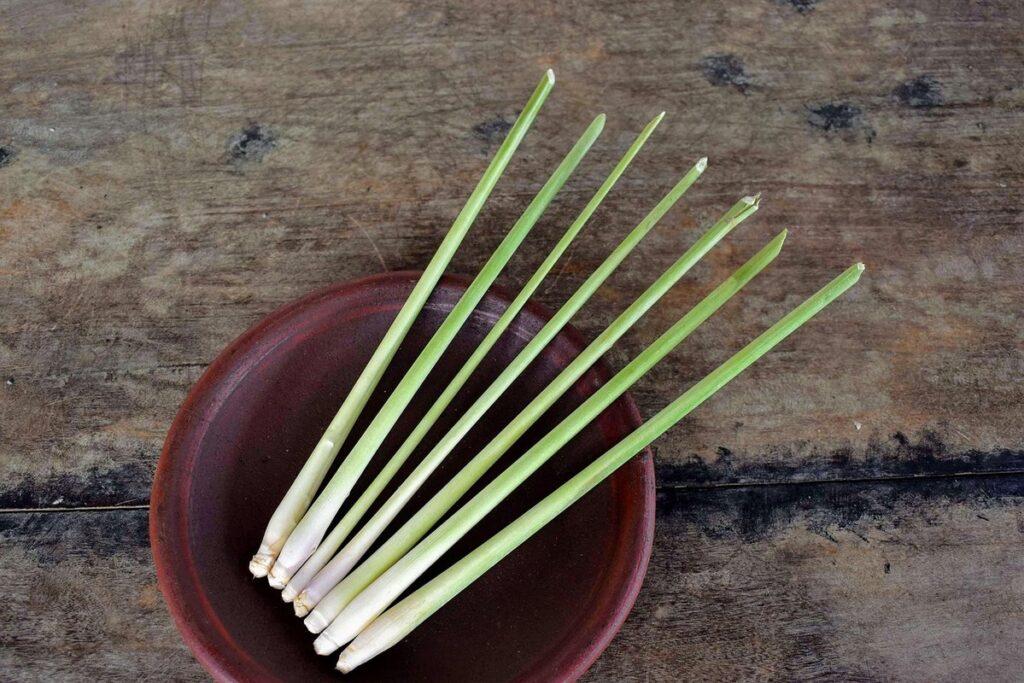
Understanding Lemongrass and Its Growing Requirements
To grow lemongrass successfully, it’s essential to understand its specific requirements, including climate tolerance and optimal growing conditions. This section will delve into those specifics for you.
Origins and Cultivation History
Lemongrass has its roots in tropical and subtropical regions of Asia, particularly in countries such as India, Sri Lanka, and Thailand. For centuries, this versatile grass has been cultivated for its aromatic oil, medicinal properties, and culinary uses. As international trade and exploration expanded, lemongrass spread to various parts of the world, including Africa, the Americas, and Europe.
In the 19th century, British colonizers introduced lemongrass to the Caribbean, where it thrived in the tropical climate. Today, lemongrass is grown commercially in many regions with mild winters, such as Florida, California, and Hawaii in the United States. Its adaptability to various environments has led to its widespread cultivation worldwide.
Interestingly, lemongrass is often grown from cuttings or seed, which requires careful attention to temperature, humidity, and light conditions. In tropical climates, it can be harvested year-round, while in cooler regions, it’s typically harvested during the warmer months. As a hardy plant, lemongrass has been used for centuries in traditional medicine, cooking, and perfumery, showcasing its remarkable resilience and adaptability.
Nutritional Value and Uses
Lemongrass is not only a hardy and versatile plant when it comes to its cold tolerance but also offers an impressive array of nutritional benefits and uses. As you explore the growing requirements for lemongrass, keep in mind that this herb is rich in vitamins A and C, potassium, and magnesium.
In cooking, lemongrass is a popular ingredient in many Southeast Asian dishes, where it’s often used to add flavor to soups, curries, and stir-fries. You can use the stalks as you would regular herbs – chop them up and toss them into your favorite recipes. Alternatively, try making a flavorful tea by steeping lemongrass in hot water.
Lemongrass is also prized for its aroma and medicinal properties. In aromatherapy, the oil extracted from lemongrass is often used to uplift and invigorate. Traditionally, the plant has been used to alleviate digestive issues and reduce fever. If you’re feeling adventurous, try incorporating lemongrass essential oil into your skincare routine or use it in a homemade insect repellent.
To get the most out of your lemongrass plant, be sure to harvest its stalks regularly – this will encourage new growth and prevent the plant from flowering. With proper care, you can enjoy the many benefits that this incredible herb has to offer.
Lemongrass Hardiness: What to Expect
When planting lemongrass, understanding its hardiness is crucial for a successful harvest. In this section, we’ll break down what you can expect from your lemongrass plants in various cold temperature conditions.
Temperature Requirements for Survival
When it comes to lemongrass hardiness, understanding its temperature requirements is crucial for outdoor cultivation. Lemongrass can survive outdoors in temperatures as low as 20°F (-7°C) but will typically go dormant during winter months when the temperature drops below 40°F (4°C). However, prolonged exposure to frost can cause irreparable damage.
If you live in an area with freezing winters, it’s essential to protect your lemongrass plant from frost. You can do this by bringing potted plants indoors or covering them with a breathable cloth during winter months. If your lemongrass is planted directly in the ground, consider mulching around the base of the plant to insulate the soil and prevent root damage.
In USDA Hardiness Zones 9-11, where temperatures rarely drop below 20°F (-7°C), lemongrass can thrive year-round with minimal protection. However, even in these warmer climates, a light frost can still cause damage. Be prepared to take action if you notice a sudden temperature drop, as this can be detrimental to your plant’s health.
In colder regions, it’s crucial to monitor temperature fluctuations and take necessary precautions to safeguard your lemongrass plant from frost. This includes bringing plants indoors during extreme cold snaps or using specialized containers that can withstand freezing temperatures.
Factors Affecting Cold Hardiness
When growing lemongrass in cooler climates, it’s essential to consider the factors that affect its cold hardiness. Soil quality plays a significant role in determining how well your lemongrass plant will withstand frost. Well-draining soil with a pH between 6 and 7 is ideal for lemongrass growth. Avoid planting in areas with heavy clay or sandy soils, as these can lead to root rot and poor cold tolerance.
Moisture levels also impact lemongrass’s ability to cope with cold temperatures. Lemongrass prefers moist soil but can be sensitive to overwatering. Water your plant thoroughly before the first frost, allowing the top 2-3 inches of soil to dry out between waterings. This will help the roots store energy for the winter months.
Wind exposure is another critical factor to consider when growing lemongrass in cold climates. Wind can cause dehydration and make your plant more susceptible to damage from cold temperatures. Choose a location that provides some protection from strong winds, such as near a building or under a canopy of trees.
Identifying Your Lemongrass Plant’s Hardiness Zone
To successfully grow lemongrass in your garden, you need to determine its hardiness zone, which will help you understand how cold it can tolerate outside. Let’s dive into the steps for identifying your lemongrass plant’s ideal growing conditions.
USDA Zones for Lemongrass
When it comes to growing lemongrass, understanding the USDA hardiness zones is crucial for determining whether your plant will thrive or struggle in its environment. The United States Department of Agriculture (USDA) has divided the country into 11 hardiness zones based on average annual extreme minimum temperature. These zones play a significant role in determining what plants can be grown in specific regions.
For lemongrass, which is native to tropical and subtropical climates, it’s essential to identify its ideal growing conditions within these zones. Here are the USDA zones relevant to lemongrass cultivation:
• Zone 9-11: These warmest zones provide the ideal climate for lemongrass growth, with temperatures ranging from 20°F (-7°C) to 70°F (21°C). Lemongrass can be grown year-round in these zones.
• Zone 8: While not as hospitable as zones 9-11, zone 8 still offers a relatively warm climate for lemongrass growth. However, plants may need protection during harsh winters.
Keep in mind that even within the same USDA hardiness zone, microclimates can vary significantly. Be sure to consider your specific region’s temperature fluctuations and frost patterns when deciding where to plant your lemongrass.
Climate Considerations Beyond USDA Zones
When it comes to growing lemongrass, understanding the local climate beyond just your USDA zone is crucial for success. The USDA zone system provides a general guideline, but regional variations can significantly impact your plant’s hardiness.
For instance, coastal areas tend to have cooler winters and warmer summers compared to inland regions. This can make a significant difference in lemongrass growth, as it prefers temperatures between 64°F and 90°F (18°C and 32°C). Coastal areas with mild winters might require less protection for the plant, whereas inland regions may need more attention to ensure its survival during harsh winter months.
It’s also essential to consider elevation when evaluating your local climate. Areas at higher elevations tend to be cooler than those at sea level, which can affect lemongrass growth and hardiness. In general, every 1,000 feet of elevation decrease by about 3°F (1.6°C) in temperature.
To better determine your lemongrras’ hardiness zone, research the specific climate conditions in your area beyond just the USDA zone designation. This will give you a more accurate understanding of what to expect and how to care for your plant throughout the year.
Cold Protection and Care Strategies
When it comes to growing lemongrass in colder climates, protecting your plants from harsh weather conditions is crucial for their survival. In this next part of our guide, we’ll share essential strategies for keeping your lemongrass healthy and thriving during winter months.
Preparing Your Lemongrass for Winter
As winter approaches, it’s essential to take steps to protect your lemongrass plants from frost and freezing temperatures. Lemongrass is a tropical plant that typically thrives in warmer climates, but with proper care, you can help it survive the cold months.
One of the most effective ways to prepare your lemongrass for winter is through mulching. Apply a 2-3 inch layer of organic mulch around the base of the plants, keeping it away from the stems. This will help insulate the soil and retain moisture, making it easier for the plant to survive cold snaps. You can use materials like straw, bark chips, or even leaves.
If you live in an area with particularly harsh winters, consider covering your lemongrass plants with a frost blanket or sheeting. Secure the covering tightly around the base of the plant to prevent cold air from seeping in. Bring the plant indoors if possible, placing it in a bright and frost-free location. This will ensure the plant’s survival until warmer temperatures return.
Keep in mind that lemongrass is sensitive to temperature fluctuations, so protect it from wind and frost by bringing potted plants closer together or using row covers for outdoor beds.
Emergency Measures During Extreme Weather Events
When extreme weather events hit, it’s essential to take immediate action to protect your lemongrass plants from potential damage. During unexpected cold snaps or other harsh weather conditions, follow these emergency measures to safeguard your lemongrass:
* Bring potted lemongrass indoors: If possible, quickly move potted lemongrass plants into a protected area like a garage, sunroom, or under a covered patio to shield them from wind and frost. This will help prevent root damage and minimize heat loss.
Cover outdoor beds with a breathable layer: For in-ground lemongrass, cover the bed with a thin layer of mulch, straw, or burlap to retain moisture and reduce soil temperature fluctuations.
Prevent waterlogging: Avoid watering your lemongrass during extreme weather events as it can exacerbate cold damage. If you must water, use drip irrigation to minimize runoff and prevent roots from becoming waterlogged.
Keep an eye on plant conditions: Monitor your lemongrass closely for signs of stress or damage after the extreme weather passes. Remove any damaged leaves or stalks to maintain plant health and promote recovery.
Overwintering Lemongrass in Pots
If you live in a chilly region, you can still enjoy your lemongrass year-round by learning how to successfully overwinter it in pots. We’ll show you the best methods for protection and care.
Potting and Soil Considerations
When it comes to overwintering lemongrass in pots, choosing the right pot size and soil type is crucial for your plant’s survival. A larger pot with a wide mouth allows for better drainage, reducing the risk of root rot during the cold winter months.
Select a well-draining potting mix specifically designed for tropical plants like lemongrass. Avoid regular garden soil, as it can compact and hinder water flow, leading to root issues. Consider using a mix that contains perlite or vermiculite for improved drainage and aeration.
A pot size of at least 12-14 inches deep is recommended to accommodate the plant’s roots. This will help prevent the soil from becoming too cold, which can slow down growth and make your lemongrass more susceptible to disease. Keep in mind that a larger pot also means you’ll need to use less water, reducing the risk of overwatering.
When repotting your lemongrass, gently remove any dead or damaged roots to prevent the spread of disease. This will also help promote new growth and ensure your plant stays healthy throughout the winter months.
Indoor Care Requirements
When transitioning your lemongrass plants from outdoors to indoor care, it’s essential to provide them with the right environment to thrive. Lemongrass plants prefer bright, indirect light, which can be achieved by placing them near an east- or west-facing window.
Watering needs also change indoors. Overwintered lemongrass plants typically require less water than those grown outdoors, as they’re not subject to evaporation from the sun and wind. Check the soil moisture by sticking your finger into the soil up to the first knuckle; if it feels dry, it’s time for a drink.
Fertilization is crucial during the indoor overwintering period. Since lemongrass plants are dormant, they require minimal nutrients. Use a balanced, water-soluble fertilizer (20-20-20) at half the recommended strength to prevent burning the roots.
Monitor your plants’ temperature tolerance as well. Lemongrass prefers daytime temperatures between 65°F and 75°F (18°C and 24°C), with cooler nights around 55°F to 60°F (13°C and 15°C). Avoid placing them near heating vents or radiators, which can cause the soil to dry out too quickly.
Keep an eye on your plants for pests like spider mites, mealybugs, and scale. Indoor conditions can be conducive to infestations, so regular inspections are key to maintaining healthy lemongrass.
Frequently Asked Questions
Can I grow lemongrass indoors year-round if I live in a cold hardiness zone?
Yes, you can definitely grow lemongrass indoors, but keep in mind that it requires bright light and temperatures between 65-75°F (18-24°C). Make sure to choose a container with good drainage and use a well-draining potting mix. Indoor care requires more attention, so ensure you provide enough water, fertilize regularly, and prune regularly to maintain shape.
How do I know if my lemongrass is ready for winter storage?
Check your plant’s hardiness zone by identifying its mature height (over 3 feet) or flower stalks. If it’s already reached this stage, consider harvesting the stalks before winter. You can also store the pot in a protected area like a garage or basement with temperatures above freezing. Keep the soil moist but not waterlogged.
Can I overwinter lemongrass in containers if my hardiness zone is too cold?
Yes, you can move your lemongrass pots to a greenhouse, sunroom, or a warm indoor space during winter. Use mulch around the pot to retain heat and moisture. Bring plants back outside when temperatures rise above 40°F (4°C). Overwintering in pots allows for easier transportation and protection from harsh conditions.
What if my lemongrass plant freezes? Can it be saved?
If your lemongrass has frozen, inspect the damage carefully. Cut off dead or damaged stalks to prevent further damage. If the plant is severely damaged, consider replanting new seedlings in early spring when temperatures rise above 60°F (15°C). Lemongrass can regenerate from rhizomes if they’re not entirely destroyed.
Can I grow lemongrass as a perennial in USDA Zone 5 or colder?
It’s possible but challenging to grow lemongrass as a perennial in zones 5 and colder. Protect your plant with mulch, bring it inside during winter, or use cold frames to extend the growing season. In extreme cases, you can also divide and replant new rhizomes every spring when temperatures rise above 40°F (4°C).