
Are you ready to grow your own lemongrass? If so, understanding the ideal germination time is crucial for success. Lemongrass can be a bit finicky when it comes to sprouting, but with the right conditions and care, you’ll be enjoying its citrusy scent and flavor in no time. But what exactly does it take to get lemongrass seeds off to a strong start? In this ultimate guide, we’ll cover everything from ideal temperatures for germination to seed starting methods and watering schedules. We’ll also tackle common challenges like slow germination or even failed attempts. By the end of this article, you’ll be equipped with the knowledge needed to successfully grow lemongrass at home, so let’s dive in and explore the ins and outs of lemongrass germination time together!
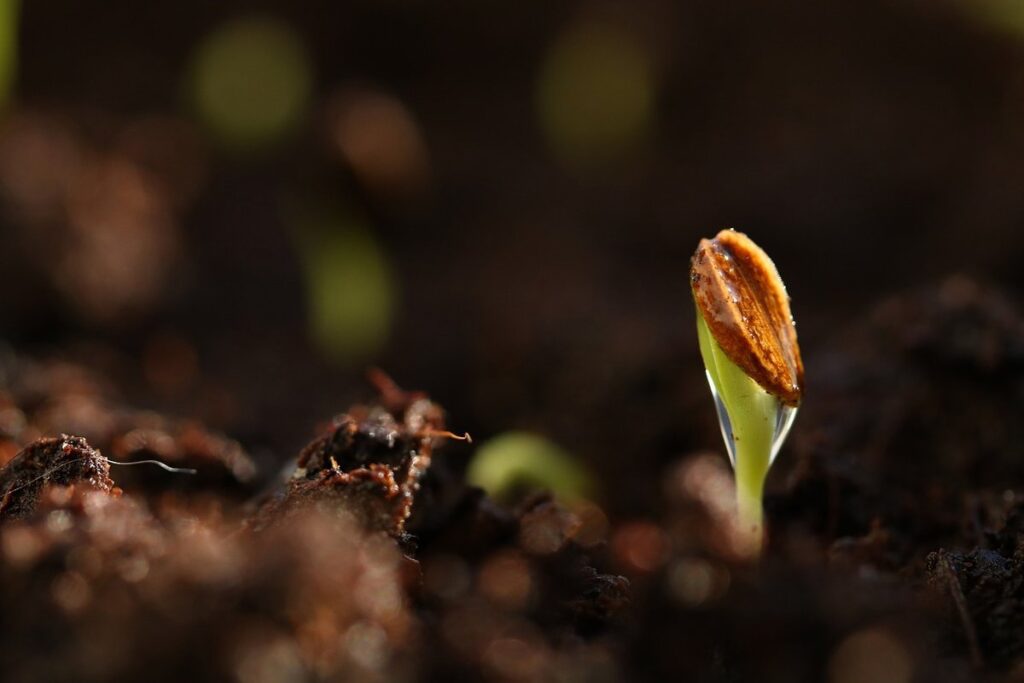
Understanding Lemongrass Basics
To grow healthy lemongrass, it’s essential to understand its basic needs and habits, especially when it comes to germination time. Let’s dive into the fundamentals of lemongrass cultivation together.
What is Lemongrass?
Lemongrass is a tropical grass native to Asia and India, widely cultivated for its culinary, medicinal, and ornamental uses. Its popularity stems from the versatility of its essential oil, which has a distinctive citrusy flavor and aroma. In cooking, lemongrass is a staple ingredient in many Southeast Asian dishes, particularly in Thai and Vietnamese cuisine, where it adds a unique zing to soups, curries, and marinades.
In addition to its culinary applications, lemongrass is also valued for its medicinal properties. The essential oil extracted from the plant has antibacterial, antifungal, and anti-inflammatory effects, making it a popular ingredient in herbal medicine. It’s often used to soothe digestive issues, reduce stress, and promote relaxation.
As you prepare to grow your own lemongrass, it’s helpful to understand its uses and benefits. This will not only enhance your appreciation for the plant but also inform your decisions on how to care for it as it germinates and grows. In our next section, we’ll delve into the specifics of lemongrass germination time, providing you with a comprehensive guide to help you successfully cultivate this versatile and rewarding herb.
Types of Lemongrass
There are several types of lemongrass, each with its own unique characteristics and growth habits. East Indian lemongrass (Cymbopogon citratus) is one of the most commonly cultivated varieties, prized for its vibrant yellow flowers and strong citrus scent. It thrives in tropical climates with high humidity and can grow up to 6 feet tall.
In contrast, West Indian lemongrass (Cymbopogon nardus) has a more compact growth habit and is known for its pale yellow flowers. This variety prefers well-draining soil and full sun, making it ideal for gardens in areas with dry spells.
African lemongrass (Cymbopogon martini), also known as citronella, has a distinctive fragrance that’s often used in perfumes and insect repellents. It grows up to 4 feet tall and prefers cooler temperatures and well-watered soil.
When choosing which type of lemongrass to grow, consider the climate and growing conditions in your area. By selecting the right variety for your environment, you’ll be better equipped to understand its specific germination time and care requirements.
Optimizing Germination Conditions
To successfully grow lemongrass from seed, it’s crucial that you get the germination conditions just right to ensure healthy and vibrant plants. This section will walk you through the key factors to optimize these conditions.
Ideal Temperature for Germination
When it comes to lemongrass germination, temperature plays a crucial role in determining the success of your seeds. As a lemongrass enthusiast, you want to provide your seeds with the optimal conditions for growth. Temperature affects seed germination and development, so it’s essential to understand how different temperatures can impact your lemongrass.
The ideal temperature range for lemongrass germination is between 70-85°F (21-29°C). This allows the seeds to absorb moisture efficiently, promoting healthy growth. Temperatures above or below this range can hinder seed development, leading to weak or deformed seedlings. For instance, if the temperature is too high (above 90°F/32°C), it may cause the seeds to germinate quickly but result in scrawny and prone-to-disease plants.
On the other hand, extremely low temperatures (below 50°F/10°C) can slow down or even prevent germination. To avoid these issues, you should maintain a consistent temperature within the optimal range during the germination period. By doing so, you’ll be able to provide your lemongrass seeds with the best chance for successful growth and development.
Keep in mind that soil temperature also affects germination. If you’re growing lemongrass indoors, ensure that your pot is placed in a location where it receives indirect sunlight, which can help maintain a stable soil temperature within the ideal range.
Watering and Humidity Requirements
Maintaining consistent moisture levels and humidity is crucial for promoting healthy germination of lemongrass seeds. Lemongrass seeds are particularly sensitive to drying out, which can hinder the germination process. To ensure optimal conditions, it’s essential to maintain a humid environment.
One way to achieve this is by using humidity trays or cloches. These devices create a microclimate that retains moisture and prevents water loss from the soil. Place a tray filled with water under your pot or seed tray, and cover it with plastic wrap or a clear lid to create a mini-greenhouse effect. This will maintain the perfect balance of humidity for germination.
Aim to keep the soil consistently moist but not waterlogged. Check the soil daily by sticking your finger into the soil up to the first knuckle. If the top inch feels dry, it’s time to water. Water gently but thoroughly until the water drains out from the bottom of the pot. By following these simple steps, you can create an ideal environment for lemongrass seeds to germinate and thrive.
Seed Starting Methods and Materials
When it comes to starting lemongrass seeds, you’ll want to know about the best methods and materials to use for successful germination. We’ll walk you through the essentials in this section.
Using Fresh Seeds vs. Stored Seeds
When it comes to starting lemongrass seeds, one of the key decisions you’ll face is whether to use fresh seeds or stored seeds. While both options have their advantages and disadvantages, understanding the pros and cons can help ensure a successful germination process.
Fresh seeds are typically more viable than older seeds, which means they’re more likely to sprout quickly and easily. However, this doesn’t always guarantee a high success rate, especially if you’re working with low-quality or old seeds. On the other hand, stored seeds can be just as effective as fresh ones, but their viability may decrease over time.
To ensure optimal results, it’s essential to choose seeds that are within the recommended germination period, which is usually 6-12 months from the packaging date. If you’re unsure about the age of your seeds, try performing a simple viability test by soaking them in water for 24 hours and checking for signs of life.
In general, fresh seeds tend to produce healthier seedlings with stronger root systems, while older seeds may result in weaker or more sluggish growth. However, with proper storage conditions (cool, dry, and dark) and regular checks on their viability, stored seeds can still yield excellent results.
Seedling Trays, Potting Mix, and Containers
When it comes to lemongrass germination, the right materials can make all the difference. You’ll want to choose a good quality seedling tray that’s designed for propagation and has individual cells or compartments to prevent seedlings from getting tangled.
Look for a potting mix specifically labeled as “seed starting mix” – this type of mix is typically finer and more moisture-retentive than regular potting soil, which will help your lemongrass seeds get the best start. Make sure to read the label carefully and avoid mixes with added fertilizers, as these can inhibit germination.
When it comes to containers, you’ll want something that’s clean and well-draining – a plastic or clay pot with drainage holes is perfect for seedlings. Avoid using aluminum or copper pots, as these can transfer toxins to your seedlings. Use the same potting mix in the container as you did in the tray to ensure consistency. To prevent overwatering, gently water your lemongrass seeds from below – this will help avoid washing away tiny roots and promote healthy growth.
Remember, a good rule of thumb is to use clean equipment and materials whenever starting seeds. Sterilize any tools or surfaces with a 10% bleach solution before handling seeds to prevent fungal diseases.
Troubleshooting Common Issues
If you’re experiencing difficulties getting your lemongrass seeds to germinate, don’t worry – we’ve got solutions for common problems that might be hindering their growth.
Delayed or Stunted Germination
Delayed or stunted germination can be frustrating for lemongrass enthusiasts. Let’s identify common causes and solutions to get your seeds thriving. Inadequate light is a primary culprit; lemongrass requires bright, direct sunlight to germinate. Ensure your seeds receive at least 12-14 hours of indirect sunlight daily or use grow lights. Conversely, overwatering can lead to poor drainage, causing roots to rot and preventing successful germination. Check the soil’s moisture by inserting a toothpick or chopstick; it should feel damp but not waterlogged.
Another reason for delayed germination is insufficient heat. Lemongrass thrives in warm temperatures between 75°F to 85°F (24°C to 29°C). Keep your seeds away from drafts and cold surfaces, and use a heating mat or warmer if necessary. If you’ve checked the environment and conditions are suitable, it’s possible that the seeds themselves may be old or of poor quality. Inspect the seeds for any visible signs of damage or mold, and consider purchasing fresh seeds.
Monitor your seeds regularly to catch any issues early on, and don’t hesitate to take corrective action if needed.
Seedling Diseases and Pests
As you wait for your lemongrass seeds to germinate, it’s essential to be aware of potential diseases and pests that can harm them. Fungal infections are a common issue, especially when seedlings are watered too frequently or in overly humid environments. Preventing this from happening is crucial; make sure the soil drains well and avoid overhead watering.
Aphids and spider mites are other pests you should watch out for. These tiny insects can multiply quickly and cause significant damage to your lemongrass seedlings. To control them, spray your plants with water to dislodge these pests or use neem oil as a preventative measure. Regularly inspecting your seedlings will help you catch any issues early on.
In the event of an infestation, remove any heavily affected areas and apply insecticidal soap or horticultural oil to the remaining plant parts. Be cautious not to overwater while treating fungal infections, as this can exacerbate the problem. Regular monitoring and prompt action can save your lemongrass seedlings from potential disasters.
Tips for Successful Lemongrass Germination
Now that you know when your lemongrass seeds will germinate, let’s dive into some essential tips to ensure successful seed germination and a healthy start for your plants. Follow these simple guidelines to get off on the right foot!
Germination Rates and Expectations
When it comes to lemongrass germination rates, you can expect around 5-10 days for seeds to sprout. However, this timeframe may vary depending on several factors such as temperature, humidity, and light exposure.
To give you a better idea, most commercial lemongrass seed packets claim a 7-14 day germination period, while some nurseries report success rates as high as 85% within 10 days. These numbers can fluctuate due to environmental conditions like the moisture levels in your soil or the temperature of your growing area.
It’s essential to remember that lemongrass seedlings can be sensitive and require consistent monitoring. Keep an eye on their development, and make sure they receive adequate water, light, and aeration. This will significantly increase their chances of thriving into robust plants. Be patient and don’t rush the process – it’s better to wait a few extra days for proper germination than risk sacrificing your seedlings’ health.
When checking on your seedlings, look out for any signs of mold or fungal growth. These can be early warning signals that your seeds are not adapting well to their environment.
Post-Germination Care and Transfer
Now that your lemongrass seeds have germinated, it’s essential to provide them with optimal care to ensure they grow into healthy plants. Place the seedlings in a sunny spot, but not directly under harsh sunlight, which can cause scorching. Aim for 12-14 hours of indirect light per day. Maintain temperatures between 65°F and 75°F (18°C to 24°C), as lemongrass prefers warmer conditions.
Water your seedlings gently but thoroughly once the top inch of soil feels dry to the touch. Avoid overwatering, which can lead to root rot. As your seedlings grow, you’ll need to transfer them into larger containers or directly into the garden when the weather permits. Harden off your lemongrass by gradually introducing it to outdoor conditions over a period of 7-10 days. This will help prevent shock and ensure a smooth transition.
When transplanting, choose a location with well-draining soil and full sun. Space plants 12-18 inches apart to promote air circulation and prevent disease. With proper care and attention, your lemongrass seedlings will thrive and produce fragrant stalks in no time.
Conclusion: Optimizing Lemongrass Germination Time
In conclusion, understanding lemongrass germination time is crucial for successful cultivation. By now, you’ve learned that lemongrass seeds typically take 1-3 weeks to germinate in optimal conditions. To optimize this process, make sure your soil is warm and moist, with temperatures between 75°F to 85°F (24°C to 30°C). This may require providing supplemental heat or using a propagation tray with built-in heating elements.
To ensure consistent results, maintain consistent moisture levels during the germination period. Avoid overwatering, which can lead to fungal diseases and root rot. A balanced fertilizer specifically designed for indoor plants will also promote healthy growth and development of your lemongrass seedlings. By following these guidelines, you’ll be well on your way to successfully cultivating a thriving lemongrass plant in no time.
Frequently Asked Questions
Can I use lemongrass seeds that have been stored for a year or more?
Yes, but it’s essential to check the viability of the seeds before sowing. You can perform a simple germination test by soaking the seeds in water for 24-48 hours and then observing if they sprout. If most seeds don’t germinate, consider using fresh seeds or looking into other sources.
How often should I water lemongrass seedlings during the first few weeks of growth?
Water your lemongrass seedlings when the top inch of soil feels dry to the touch. This is usually every 2-3 days in warm temperatures (above 75°F) and slightly less frequently in cooler conditions. Be cautious not to overwater, as this can lead to root rot and other issues.
What are some common pests that target lemongrass seedlings?
Aphids, whiteflies, and spider mites are common pests that can infest lemongrass seedlings. To prevent infestations, keep your growing area clean, inspect plants regularly, and use neem oil or insecticidal soap as a preventative measure.
Can I grow lemongrass indoors year-round, regardless of the season?
Yes, but be aware that indoor conditions may not replicate the ideal germination environment. Provide bright, indirect light (around 12-14 hours a day), maintain temperatures between 75°F to 85°F, and ensure proper humidity levels (50-60%) for optimal growth.
How long does it take for lemongrass seedlings to develop enough roots to be transplanted into larger containers?
Lemongrass seedlings typically require 4-6 weeks of growth before they have developed a robust root system. During this time, ensure your seedlings receive sufficient nutrients and maintain consistent moisture levels.