
Lemongrass enthusiasts know that with proper care, these tropical plants can thrive in any garden. However, to keep your lemongrass plants healthy and productive, one crucial step is often overlooked: culm pruning. This simple yet effective technique not only boosts yields but also promotes new growth, giving you more reasons to love these fragrant and versatile herbs. By learning how to prune your lemongrass correctly, you’ll not only enjoy a bountiful harvest but also prevent diseases that can ruin an entire crop.
In this article, we’ll dive into the world of lemongrass culm pruning, covering everything from timing and techniques to post-pruning care. You’ll discover expert tips on how to get the most out of your lemongrass plants while maintaining their health and vitality. Whether you’re a seasoned gardener or just starting out with these tropical gems, this guide will help you unlock the full potential of your lemongrass crop.
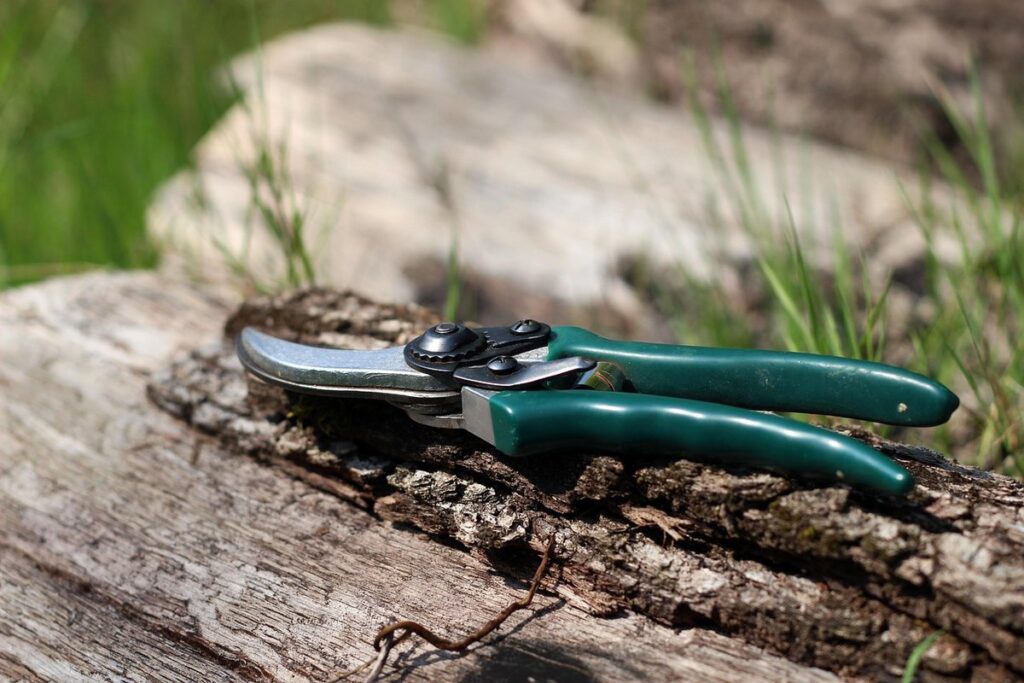
Benefits and Importance of Regular Pruning
Now that you understand why pruning lemongrass is essential, let’s dive into the benefits and importance of regular culm maintenance for your garden.
Understanding the Role of Lemongrass Culms
When it comes to lemongrass cultivation, understanding the role of culms is crucial for maintaining a healthy and thriving plant. Lemongrass culms are essentially the stalks that grow from the base of the plant, storing nutrients and water essential for growth. These culms can produce new shoots and roots at their nodes, making them an integral part of lemongrass’s unique growth pattern.
Regular pruning of lemongrass culms is vital to promote healthy plant development. By removing mature culms, you encourage the plant to focus its energy on producing new growth, which in turn increases essential oil production. This process also helps prevent the lemongrass from becoming leggy and promotes bushy growth, making it easier to harvest.
As a general rule of thumb, prune your lemongrass every 6-8 weeks during the growing season to ensure optimal plant health and productivity.
The Impact of Neglecting Pruning on Lemongrass Plants
If you fail to prune your lemongrass plants regularly, it can have far-reaching consequences that ultimately affect their overall health and productivity. One of the most noticeable effects is a significant reduction in yields. When lemongrass culms are left unpruned, they become congested, leading to a decrease in air circulation between them. This makes the plants more susceptible to diseases like root rot, leaf spot, and stalk blight, which can quickly spread through the dense foliage.
Neglecting pruning also leads to stunted growth, as the lemongrass plant diverts its energy towards producing new shoots rather than developing healthy roots. As a result, the plant may appear weak and spindly, with a less robust flavor and aroma in its essential oil. In extreme cases, unpruned lemongrass can become overgrown and collapse under its own weight, wasting valuable space in your garden.
By regularly pruning your lemongrass culms, you can prevent these problems and encourage healthy growth.
Maximizing Harvests through Regular Maintenance
Regular maintenance is crucial for maximizing harvests from lemongrass plants. When you regularly prune your lemongrass culms, it encourages the plant to focus its energy on producing new growth and increasing yields. In fact, a study by the University of Florida found that lemongrass plants pruned every 6-8 weeks yielded up to 30% more stalks than those left unpruned.
To optimize results, timing is everything. Prune your lemongrass culms during the spring and summer months when the plant is actively growing. This will allow you to remove old or damaged growth, promoting healthy new growth in its place. Aim to prune every 4-6 weeks during peak growing seasons to maintain a balanced and thriving plant.
Remember, pruning not only improves yields but also enhances the quality of your lemongrass harvest. Regular maintenance ensures that your stalks are thicker, more flavorful, and less prone to spoilage. By incorporating regular pruning into your lemongrass care routine, you’ll be well on your way to a bountiful and successful harvest.
Pre-Pruning Preparation: Tools, Techniques, and Timing
Before diving into the pruning process, it’s essential to have the right tools and techniques in place, as well as a solid understanding of when to prune your lemongrass culms. Let’s review what you need to know.
Choosing the Right Pruning Tools for Lemongrass
When it comes to lemongrass culm pruning, having the right tools for the job is essential. Lemongrass plants can grow quite tall and thick, making them challenging to prune without proper equipment. To get started, you’ll need a few basic pruning tools in your arsenal.
First and foremost, loppers are a must-have for any lemongrass enthusiast. These long-handled pruning shears are perfect for cutting through thicker stems and can be used to remove dead or damaged culms. When choosing loppers, look for ones with high-quality blades that won’t rust easily. You’ll also want to consider the length of the handles, which should be comfortable to hold and maneuver.
A pruning saw is another essential tool for lemongrass pruning. These specialized saws are designed specifically for cutting through woody plants like lemongrass and can be used to remove larger culms or branches. When using a pruning saw, always cut on the outside of the plant to prevent damage to the surrounding tissue.
It’s also important to protect your hands while pruning by wearing a good pair of gloves. Gardening gloves with reinforced palms and fingers will help prevent cuts and scratches from thorny lemongrass stems. Proper tool care is also crucial – clean and sharpen your tools regularly to ensure they continue to perform optimally.
Identifying the Optimal Pruning Time for Lemongrass Plants
When it comes to pruning lemongrass, timing is everything. To determine the optimal pruning time for your plants, consider several key factors: climate, plant age, and growth stage.
In regions with mild winters (USDA zones 9-11), you can prune lemongrass year-round. In areas with frost, however, it’s best to wait until late winter or early spring when the risk of frost has passed. This allows new growth to emerge before temperatures drop again.
For young plants (less than two years old), pruning is essential for promoting a strong root system and encouraging upright growth. Prune in the spring after new shoots appear, removing any weak or damaged culms.
For mature plants, prune in the fall when foliage begins to yellow and die back. This helps redirect energy reserves into next year’s growth. In tropical climates (USDA zones 12-13), pruning can be done throughout the growing season, typically every 6-8 weeks.
Remember, lemongrass is a fast-growing crop, so regular pruning will keep it bushy and prevent flowering. Consider your specific climate and plant age to determine the best pruning schedule for your garden.
Preparing the Plant Site for Pruning
Before you start pruning your lemongrass culms, it’s essential to prepare the plant site. This involves clearing debris and weeds that may be surrounding the plant, as well as taking steps to protect nearby plants from damage.
Begin by carefully removing any debris, such as dead leaves or branches, from around the base of the lemongrass plant. You can use a rake or your hands for this task. Next, take out any weeds that are growing near the lemongrass plant, making sure not to disturb its roots. This will prevent weeds from competing with the lemongrass for water and nutrients.
If you have nearby plants that may be damaged by pruning equipment or debris, consider covering them with a sheet of burlap or a tarp to protect them. This is especially important if you’re planning to use power equipment, such as a chainsaw or pruning saw, to cut down large lemongrass culms.
By taking these simple steps, you’ll be able to create a safe and clean environment for your lemongrass plant, making it easier to prune and maintain.
Pruning Techniques: Removing Dead, Diseased, or Damaged Culms
When pruning lemongrass culms, it’s essential to remove any dead, diseased, or damaged stems to prevent the spread of disease and encourage healthy growth. This section will guide you through a step-by-step process for removing unwanted culms.
Identifying and Removing Dead or Dying Culms
Identifying dead or dying culms is crucial to prevent the spread of disease and promote healthy growth. Regular inspection will help you detect issues before they become severe. Look for signs such as yellowing leaves, soft spots on the culm, or a decrease in new growth.
To identify dead or dying culms more effectively:
* Inspect your lemongrass plants regularly during the growing season
* Check for any unusual colors, texture changes, or odors
* Pay attention to areas with standing water, as this can contribute to root rot and other diseases
When removing dead or dying culms, make sure to disinfect your tools between cuts to prevent spreading disease. Cut the affected area at least 6 inches below the damaged section using clean pruning shears.
Remove all dead material to encourage healthy growth and prevent pests from taking hold. Set aside any healthy sections of the plant for replanting or use them as a cuttings to propagate new lemongrass plants.
Pruning Out Diseased or Infected Areas
When pruning out diseased or infected areas of lemongrass, it’s essential to take precautions to prevent the spread of infection. Start by disinfecting your pruning tools with a mixture of 1 part bleach to 9 parts water. This will help kill any bacteria or fungi that may be present on the surface of your tools.
Next, carefully remove any diseased or infected areas using clean, sharp blades. Cut just above the node, making sure to leave enough healthy tissue to support new growth. Take care not to spread infection by touching other areas of the plant with the same tool – use a separate tool for each area if possible.
To further prevent the spread of disease, wash your hands thoroughly before and after handling the lemongrass, and consider wearing gloves to protect yourself from potential allergens or irritants. Finally, dispose of any removed diseased material by bagging it and disposing of it in the trash – do not compost infected plant matter, as this can still harbor pathogens that can harm other plants.
Handling Damaged or Broken Culms
When you encounter damaged or broken culms on your lemongrass plant, it’s essential to address the issue promptly to prevent further damage and promote healthy growth. Start by examining the affected area carefully. If only a small portion of the culm is damaged, you can trim off the affected section using sterile pruning tools.
However, if the damage extends to a significant part of the culm or if it’s completely broken, cut back the entire thing to a nearby node that still shows signs of life. This will encourage new growth from that point and help redirect energy away from the damaged area. To prevent further breakage, provide support for weakened areas using stakes, making sure they’re not too tight and are placed securely in the soil.
Keep an eye on your lemongrass plant’s response to pruning and adjust your approach as needed. It’s also crucial to maintain good hygiene practices when handling plants with damaged culms, disinfecting tools between cuts to prevent the spread of disease.
Post-Pruning Care: Recovery and Regrowth Strategies
Now that you’ve pruned your lemongrass, it’s essential to provide it with the right conditions for recovery and regrowth. This involves proper watering, fertilizing, and protecting from pests and diseases.
Encouraging New Growth After Pruning
After pruning lemongrass culms, it’s essential to provide optimal conditions for new growth. Light exposure plays a significant role here. Ensure that the plant receives bright indirect light, especially during the initial stages of regrowth. Direct sunlight can be too intense and may cause scorching, leading to weak or stunted growth.
Water availability is also crucial in promoting vigorous regrowth. Keep the soil consistently moist but not waterlogged. Lemongrass prefers well-draining soil, so avoid overwatering, which can lead to root rot.
Nutrient levels also impact new growth. Fertilize your lemongrass plant 1-2 weeks after pruning with a balanced, water-soluble fertilizer. This will provide essential nutrients for rapid regrowth.
To further encourage vigorous growth, maintain a humid microclimate around the plant by misting it regularly. Prune any weak or damaged culms as soon as possible to direct energy towards healthy growth.
By providing optimal light, water, and nutrient conditions, you can expect new lemongrass culms to emerge within 1-2 weeks after pruning.
Monitoring Plant Health and Adjusting Pruning Schedule As Needed
Monitoring plant health after pruning is crucial to ensure the lemongrass plant recovers well and regrows vigorously. One way to do this is by tracking changes in leaf color, texture, or odor. For instance, if you notice a sudden change in the leaves’ color from bright green to pale yellow or brown, it could be an indication of nutrient deficiency or root damage. On the other hand, if the leaves become thicker and more robust, it’s likely a sign that your pruning schedule is working well.
To monitor plant health effectively, observe your lemongrass plant regularly for any changes in its appearance or behavior. Check for signs of pests or diseases, such as aphids, whiteflies, or fungal infections. If you notice any issues, take corrective action promptly by applying organic pest control methods or fungicides.
As you track the plant’s progress, adjust your pruning schedule accordingly. For example, if the lemongrass is responding well to regular pruning and showing signs of new growth, you may need to prune more frequently to maintain its shape and promote healthy growth.
Troubleshooting Common Pruning Issues and Pests
When you encounter problems while pruning lemongrass, don’t worry – we’ve got solutions for common issues, from yellowing culms to unwanted pests. Let’s tackle these challenges together!
Addressing Common Pruning Challenges
When it comes to lemongrass culm pruning, you may encounter common issues that can be frustrating and detrimental to your plant’s health. One of the most frequent problems is uneven growth, which can lead to an unbalanced or lopsided appearance. This often occurs when some culms receive more sunlight than others, causing them to grow faster and stronger.
To address uneven growth, prune the taller culms to encourage new shoots from below. This will help balance out the plant’s overall shape and promote healthy growth. Another issue you may encounter is pest infestations, such as spider mites or mealybugs, which can weaken your lemongrass plant and make it more susceptible to disease.
To prevent pest infestations, inspect your plants regularly for signs of pests and treat them promptly with neem oil or insecticidal soap. Broken branches are another common problem, often caused by sudden changes in temperature or humidity. To prevent broken branches, prune your lemongrass regularly to maintain its overall health and structure.
Some common mistakes people make when pruning their lemongrass include cutting too much foliage at once, which can stress the plant and lead to disease. It’s essential to remove only what is necessary to promote healthy growth and maintain the plant’s shape.
Managing Pest and Disease Risks After Pruning
After pruning your lemongrass culms, it’s essential to be aware of potential pest and disease risks that can affect your plants. Aphids and whiteflies are common pests that thrive on newly pruned areas, feeding on sap and spreading diseases. To prevent infestations, inspect your plants regularly, and use neem oil or insecticidal soap to control populations.
Root rot is another significant concern after pruning, especially if the soil is waterlogged or if you’ve damaged the roots during the process. Check for signs of rot, such as soft stems, yellowing leaves, or a foul odor, and take action promptly. Improve drainage by adding organic matter like compost or perlite to your potting mix.
Preventative measures include maintaining good air circulation around your plants and avoiding overwatering. Water lemongrass plants only when the top inch of soil feels dry, and ensure that excess water drains away from the roots. Regular pruning can help control pest and disease risks by removing infested or damaged areas before they spread to other parts of the plant.
Conclusion: Embracing Lemongrass Culm Pruning as a Key Maintenance Practice
Now that you’ve learned the ins and outs of lemongrass culm pruning, let’s discuss how to make it a regular part of your gardening routine for optimal results. Embracing this practice can take your lemongrass plants to the next level!
Recap of Benefits and Best Practices
Incorporating lemongrass culm pruning into your regular maintenance routine can have a significant impact on the health and productivity of your plants. By now, you’ve learned about the benefits of this practice, from improved air quality to enhanced plant growth and fragrance.
Let’s recap: regular lemongrass culm pruning:
* Boosts air quality by removing toxic gases
* Increases plant density and prevents legginess
* Enhances fragrance and flavor
* Improves overall plant health by controlling pests and diseases
To maximize the benefits of lemongrass culm pruning, consider these key takeaways:
* Prune your lemongrass plants during their growing season for optimal results
* Remove old or damaged stalks to promote new growth and prevent disease
* Use sharp, clean tools to avoid spreading diseases
* Inspect your plants regularly to identify areas that require more frequent pruning
As you begin incorporating lemongrass culm pruning into your routine, remember that consistency is key. Set aside time each week to inspect and prune your plants, and make adjustments as needed.
By making this simple practice a part of your maintenance routine, you’ll be rewarded with healthier, more productive plants that will thrive in your garden or indoor space. Whether you’re a seasoned gardener or just starting out, lemongrass culm pruning is an essential technique to master for optimal results.
Frequently Asked Questions
Can I prune lemongrass culms at any time of the year?
Yes, but it’s essential to prune your lemongrass plants during their active growth phase, which typically occurs in warmer months. Pruning during this period encourages new growth and promotes healthy development. Avoid pruning during the dormant season when lemongrass is less responsive to trimming.
How often should I check my lemongrass plant for dead or dying culms?
Regular monitoring of your lemongrass plants is crucial for identifying potential issues early on. Check your lemongrass regularly, ideally every 1-2 weeks during the growing season, and remove any dead or damaged culms to prevent disease spread and maintain overall health.
What if I accidentally damage a healthy culm while pruning?
Handling damaged or broken culms requires care to avoid spreading diseases. Immediately disinfect your pruning tools with a mixture of water and bleach (1:10 ratio) after handling the damaged area, then dispose of any removed material to prevent infection.
Can lemongrass plants grow back quickly after severe pruning?
Yes, lemongrass is known for its rapid regrowth capabilities. After severe pruning, your plant will produce new shoots from the base of the remaining culms within a few weeks. Maintain proper care and monitor for any signs of disease or pests to ensure optimal recovery.
How do I prevent pest infestations after pruning my lemongrass?
Maintaining good gardening practices and regular monitoring are key to preventing pest issues. After pruning, keep your garden clean by removing debris and weeds, and consider implementing natural pest control methods like neem oil or insecticidal soap to deter pests from visiting your lemongrass plants.