
Are you a fan of growing your own herbs, but lack the space to do so? Look no further! Creating a lemongrass container garden is easier than you think, and can add a burst of citrusy freshness to any kitchen. Not only is lemongrass a beautiful plant with long, slender stalks, it’s also packed with health benefits and adds a unique flavor to many dishes. But where do you start? With this comprehensive guide, we’ll cover everything from choosing the right containers and soil to companion planting and winter care.
We’ll dive into expert tips on how to keep your lemongrass plants thriving all year round, including fertilization and pruning techniques. By the end of this article, you’ll be well-equipped to create a stunning lemongrass container garden that brings joy and flavor to your cooking.
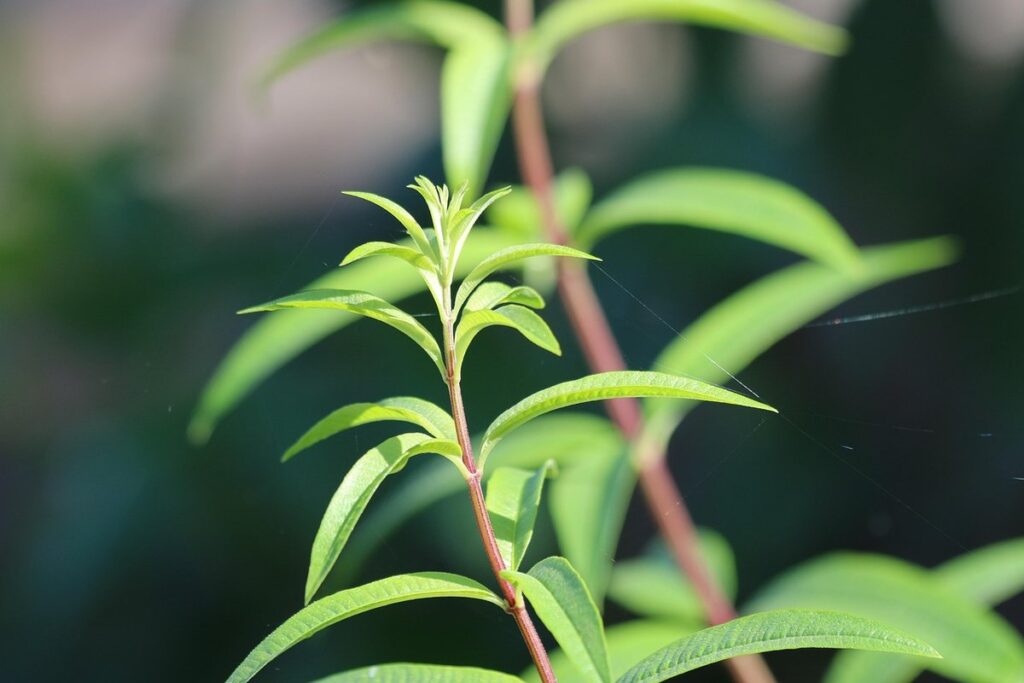
Choosing the Right Containers and Soil
When selecting containers and soil for your lemongrass garden, it’s essential to choose a combination that complements the plant’s unique needs. This includes considering factors like drainage and root depth.
Selecting the Perfect Container Size and Material
When it comes to growing lemongrass in containers, selecting the perfect size and material is crucial. Lemongrass plants can grow quite large, so you’ll want a container that provides ample space for their roots to spread out. A general rule of thumb is to choose a container that’s at least 6-8 inches deep and 12-18 inches wide. This will give your lemongrass plant enough room to thrive.
In addition to size, the material of the container is also important. Lemongrass prefers well-draining soil and containers that allow for good air circulation. Ceramic or terra cotta pots are excellent choices because they’re porous and promote healthy drainage. Avoid using plastic or metal containers as they can retain too much moisture and cause root rot.
Consider the shape of your container as well. A rounded pot will help contain the plant’s sprawling growth, while a square or rectangular one will provide more stability. Just remember to ensure there are drainage holes in the bottom of the container to prevent waterlogged soil. With the right container size and material, you’ll be well on your way to growing lush and healthy lemongrass in your container garden.
Soil Requirements for Lemongrass Container Gardens
When growing lemongrass in containers, it’s crucial to choose a soil mix that caters to its specific needs. Lemongrass thrives in well-draining soil with a slightly acidic pH level, between 6.0 and 7.0. A potting mix with a high sand content will help prevent waterlogged conditions, which can lead to root rot.
To create an ideal soil mix for lemongrass container gardens, you’ll want to add organic matter such as compost or perlite to improve drainage and aeration. A general potting mix is not sufficient, as it tends to retain too much moisture. A 2:1 ratio of peat moss to perlite can provide the necessary acidity and drainage.
If your tap water is alkaline, use filtered water to avoid shocking the roots with sudden pH changes. Regularly test the soil pH using a kit, and adjust the mix as needed to maintain an optimal level for lemongrass growth. This attention to detail will ensure your lemongrass plant stays healthy and productive throughout its lifespan in a container garden.
Planting and Caring for Lemongrass in Containers
When planting lemongrass in containers, it’s essential to choose a pot that is at least 6-8 inches deep to accommodate the plant’s extensive root system. Proper care will also ensure your lemongrass stays healthy and thrives in its container home.
Propagation Methods for Lemongrass in Containers
Propagating lemongrass in containers is a straightforward process that can be done through division, seed starting, and cuttings. For container gardeners, division is often the preferred method as it produces mature plants with established root systems.
To divide lemongrass, wait until the plant has formed multiple stalks, then carefully dig around the base of the plant to loosen the soil. Gently separate the clumps, making sure each section has a few inches of stem and some roots. Replant immediately in a container filled with well-draining potting mix.
Seed starting is another option for propagation, but it requires more time and patience as seeds can take 2-3 weeks to germinate. Sow lemongrass seeds on the surface of a seed tray or small pots filled with moistened potting mix. Keep the soil consistently moist until seedlings emerge.
For cuttings, choose healthy stalks with at least two nodes, then trim them just above a node using a sharp knife or pruning tool. Remove lower leaves and plant the cutting in a container, making sure to secure it in place with a small amount of potting mix. Water thoroughly and keep the soil consistently moist until roots develop.
Keep your newly propagated lemongrass plants in bright, indirect light, and maintain high humidity by covering the pot with plastic wrap or a cloche. With proper care, they should start producing shoots within 1-2 weeks.
Watering and Fertilizing Lemongrass Container Plants
When it comes to lemongrass container plants, proper watering and fertilization are crucial for their health and productivity. Lemongrass prefers well-draining soil and should be watered thoroughly when the top 1-2 inches of soil feel dry to the touch. However, overwatering can lead to root rot, so it’s essential to check the moisture levels regularly.
Water your lemongrass plants in the morning or early afternoon to allow the plants to absorb the water throughout the day. Avoid watering at night, as this can encourage fungal growth and other problems. In terms of fertilization, use a balanced, water-soluble fertilizer (20-20-20) during the growing season (spring-fall). You can also add a high-phosphorus fertilizer to promote healthy root development.
For lemongrass plants in containers, it’s best to fertilize once a month. Start with a small amount and gradually increase as needed. Monitor your plant’s response to fertilization, and adjust accordingly. This will help you strike the right balance between providing essential nutrients and avoiding overfertilization.
Designing a Visually Appealing Lemongrass Container Garden
When it comes to creating a stunning lemongrass container garden, choosing the right plants and design elements is crucial for visual appeal. Let’s dive into some expert tips for designing a beautiful lemongrass display.
Companion Planting Ideas for Lemongrass Containers
When growing lemongrass in containers, companion planting is an excellent way to enhance its growth and add visual appeal. One popular option is marigold (Tagetes spp.). These bright, sunny flowers repel nematodes that can harm lemongrass, creating a mutually beneficial relationship between the two plants.
Another choice for companion planting with lemongrass is basil (Ocimum basilicum). Not only do they have similar growing conditions, but basil also improves lemongrass’s fragrance and taste. This is especially useful in Asian-inspired cooking where both herbs are commonly used together.
However, some plants can be detrimental to lemongrass growth. For instance, fennel (Foeniculum vulgare) and dill (Anethum graveolens) compete with lemongrass for water and nutrients, potentially stifling its development. To successfully grow these companion plants alongside lemongrass, use a large enough container or plant them in separate sections to prevent overcrowding.
Consider pairing lemongrass with creeping thyme (Thymus serpyllum) for a low-maintenance groundcover option that also repels pests and adds color to the arrangement.
Additives and Decorations for a Stunning Display
When designing a lemongrass container garden, it’s easy to get caught up in selecting the perfect plants and forgetting about the finishing touches that can make all the difference. Adding decorative elements and carefully choosing the right plants to complement your lemongrass can create a stunning display that will add visual interest to any space.
When it comes to incorporating lemongrass into mixed planters, consider pairing it with plants of varying textures and heights to create depth and visual appeal. For example, combine the tall, slender lemongrass stalks with shorter plants like succulents or herbs like basil or mint. This will not only add a pop of color but also create a visually appealing contrast between smooth and textured leaves.
In terms of color schemes, you can stick to a monochromatic palette featuring shades of green to let the natural beauty of the lemongrass take center stage. Alternatively, incorporate bold colors like bright yellow or orange to create a more dramatic effect. Don’t forget to include some decorative elements like small stones, pebbles, or even seashells to add visual interest and break up the greenery.
To incorporate decorative elements effectively, choose items that complement the overall style of your garden. For instance, if you’re going for a tropical vibe, consider adding shells or other ocean-inspired decor. When selecting plants, remember that lemongrass prefers well-draining soil and full sun to partial shade conditions, so be sure to choose companions that have similar requirements.
Troubleshooting Common Issues in Lemongrass Container Gardens
Don’t worry if your lemongrass container garden isn’t thriving – we’ve got you covered. This section tackles common issues and shares practical solutions to get your garden back on track.
Addressing Pests and Diseases in Container-Grown Lemongrass
When growing lemongrass in containers, it’s not uncommon to encounter pests and diseases that can harm your plants. To prevent these issues from taking over your garden, let’s take a closer look at common problems and how to address them.
One of the most prevalent pests affecting container-grown lemongrass is aphids. These small, soft-bodied insects feed on plant sap, causing curled or distorted leaves and stunted growth. To control aphid populations, spray infested areas with water to dislodge them, then treat your plants with neem oil or insecticidal soap.
Another issue you may encounter is root rot caused by overwatering. When lemongrass roots are submerged in excess moisture, they become susceptible to fungal infections that can spread rapidly through the container. To prevent this, ensure good drainage and avoid watering when the top 1-2 inches of soil feels dry. If you notice yellowing or browning leaves, remove affected plants immediately to prevent further contamination.
Regular monitoring is key to catching these problems early on. Inspect your lemongrass regularly for signs of pests or diseases, and act quickly if you notice any issues. By staying vigilant and taking preventative measures, you can keep your container-grown lemongrass healthy and thriving all season long.
Overcoming Environmental Challenges in Container Gardens
Growing lemongrass in containers can be a delightful experience, but it’s not without its challenges. Environmental stressors like frost, heat waves, and poor light conditions can impact the health of your plants. To mitigate these issues, start by choosing a container with good drainage to prevent waterlogged soil that can exacerbate root rot.
For frost protection, bring potted lemongrass indoors during winter months or move them to a covered area when temperatures drop below 40°F (4°C). You can also use a frost blanket or sheet to cover the plants. In extreme heat waves, ensure your containers have adequate moisture by watering regularly and providing some shade using a sheer curtain or umbrella.
When it comes to light conditions, most lemongrass varieties prefer full sun to partial shade. If you’re growing in a shaded area, consider using grow lights to supplement natural light. Additionally, rotate your containers every 1-2 weeks to maintain even growth and prevent leaning stems.
By implementing these strategies, you’ll be better equipped to overcome environmental challenges and keep your lemongrass container garden thriving year-round.
Using Lemongrass Containers Year-Round
Now that you have a thriving lemongrass container garden, let’s explore ways to enjoy it year-round and make it a low-maintenance staple in your outdoor space.
Winter Care and Protection of Lemongrass Container Plants
As winter approaches, it’s essential to protect your lemongrass container plants from damage and maintain their health during the dormant season. Since lemongrass is a tropical plant, it can’t tolerate frost, so you’ll need to take extra care to keep it safe.
One of the most crucial steps in winterizing your lemongrass container plants is to move them indoors or to a protected location where they won’t be exposed to extreme temperatures. If possible, place them near a sunny window or use grow lights to provide sufficient light. This will help prevent the plant from going dormant prematurely.
Before bringing your lemongrass containers inside, trim back the foliage to about 2-3 inches from the soil surface. This will reduce moisture loss and make it easier for the plant to recover in the spring. Water sparingly during the winter months, as the plant is not actively growing. Check the soil periodically, but avoid overwatering, which can lead to root rot.
By following these simple steps, you’ll be able to protect your lemongrass container plants from winter damage and ensure they thrive when the weather warms up again.
Bringing Lemongrass Containers Inside for Winter
As the weather starts to cool down and winter sets in, you might be wondering what to do with your lemongrass container garden. Rather than abandoning it altogether, why not bring the containers inside? Not only will this keep the plants alive and healthy through the cold months, but it’ll also add a tropical touch to your indoor space.
To prepare your lemongrass containers for indoor life, start by choosing a bright and sunny spot with temperatures between 65-75°F (18-24°C). Lemongrass prefers well-draining soil, so make sure the container has good drainage holes. Cut back any dead or damaged leaves to maintain air circulation and prevent fungal diseases.
If you can’t bring your containers inside, there are still ways to winterize them. Apply a thick layer of mulch to protect the roots from frost, and consider moving the container to a protected area like a garage or shed. Water sparingly during this time, as the plants are dormant. By taking these simple steps, you can keep your lemongrass container garden thriving year-round.
Frequently Asked Questions
Can I use a smaller container for my lemongrass plant, or will it stunt its growth?
While a minimum of 6-8 inches deep and 12-18 inches wide is recommended, you can experiment with smaller containers. However, be aware that the plant’s roots may become pot-bound if it doesn’t have enough space to expand. If you choose a smaller container, keep an eye on your lemongrass plant’s growth and repot it into a larger one when necessary.
How often should I fertilize my lemongrass container garden, and what type of fertilizer is best?
Lemongrass plants benefit from regular fertilization. Feed your lemongrass plants with a balanced, water-soluble fertilizer (20-20-20) once a month during the growing season (spring-fall). Dilute the fertilizer to half the recommended strength to avoid burning the roots.
Can I grow other herbs alongside my lemongrass in the same container?
Companion planting is a great way to create a diverse and thriving container garden. However, be mindful of the mature size of each plant and their watering needs. Basil, mint, and Thai chilies are all good companion plants for lemongrass. Avoid planting tall herbs like parsley or dill alongside lemongrass.
What’s the best way to prevent pests from infesting my container garden?
To minimize pest issues in your lemongrass container garden, use physical barriers (like fine mesh or row covers) to keep insects away. Regularly inspect your plants for signs of pests and take action at the first sign of trouble. Encourage beneficial insects like bees and butterflies by planting a diverse selection of herbs.
How do I know when it’s time to harvest my lemongrass, and how much should I cut off?
Lemongrass is ready to harvest when the stalks are at least 12 inches tall and the leaves are a vibrant green color. Cut back about one-third to one-half of the plant’s stalks, leaving enough growth for regrowth. Harvest lemongrass regularly to encourage new growth and prevent flowering.