
If you’re an avid gardener or just starting out with your first citrus tree, you know how crucial pollination is for a healthy and thriving lemon tree. But have you ever stopped to think about the best way to ensure optimal pollination? From natural methods like attracting beneficial insects to forced techniques like hand-pollination, there are several ways to promote successful growth and minimize pests. Companion planting is also a great way to encourage pollination, but it can be tricky to get right.
In this article, we’ll delve into the world of lemon tree pollination and explore the various methods you can use to optimize your tree’s chances of producing an abundance of juicy lemons. Whether you’re a seasoned expert or a beginner, our expert advice will help you navigate the ins and outs of promoting healthy growth, minimizing pests, and achieving successful harvests.
The Importance of Pollination in Lemon Trees
Pollination is a crucial aspect of lemon tree care, and understanding its importance can help you optimize your tree’s fruit production and overall health. Let’s dive into why pollination matters for your lemon trees.
Natural vs. Forced Pollination
When it comes to pollinating lemon trees, you have two primary options: natural and forced pollination. Both methods have their advantages and disadvantages, which we’ll explore below.
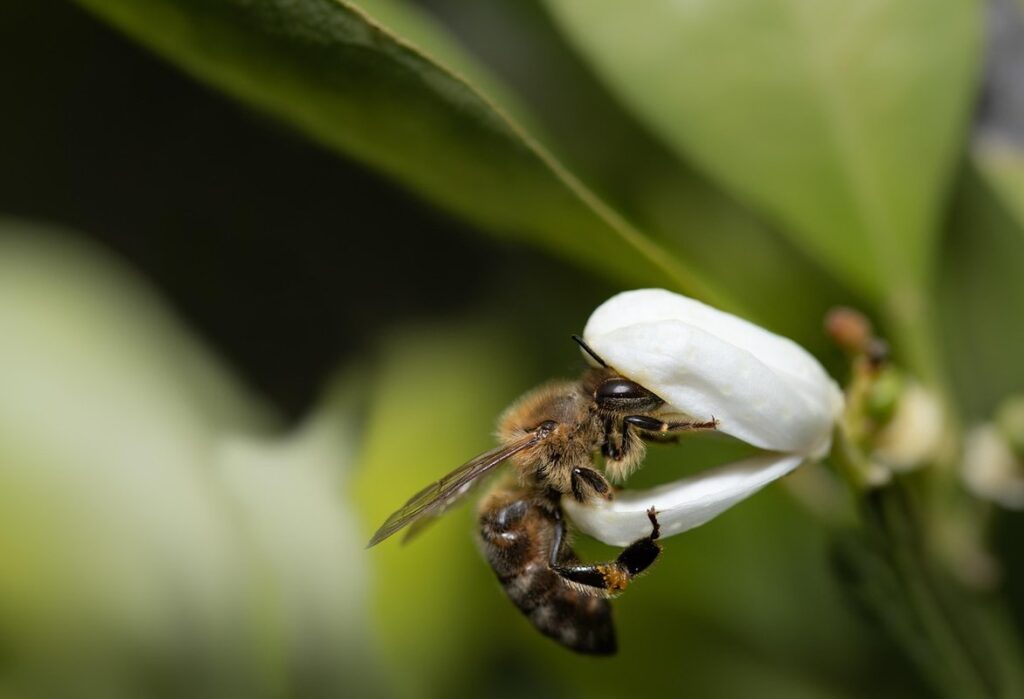
Natural pollination occurs when bees, butterflies, or other insects visit the tree’s flowers, transferring pollen from one bloom to another. This process is essential for many citrus trees, including lemons, as it promotes genetic diversity and healthy fruit development. The benefits of natural pollination include increased crop yields, improved fruit quality, and a more sustainable approach to tree care.
However, relying solely on natural pollination can be unreliable, especially in areas with low insect activity or during periods of drought. Forced pollination, on the other hand, involves manually transferring pollen from one flower to another using a small brush or similar tool. This method guarantees pollination but requires regular maintenance and attention from the grower. It’s best suited for smaller trees or those in areas with limited natural pollinator populations.
Factors Affecting Pollination Success
Pollination success is influenced by several key factors that you must be aware of to ensure healthy fruit production. Weather conditions play a significant role as extreme temperatures and weather fluctuations can impact the trees’ ability to pollinate effectively. Temperatures above 85°F (30°C) can slow down pollen germination, while prolonged exposure to frost can damage flowers and reduce pollination.
Tree health is another crucial factor in determining pollination success. A lemon tree that’s stressed due to nutrient deficiencies, water scarcity, or pests/diseases will have a harder time producing viable flowers and seeds. This is because stress weakens the trees’ immune system, making them more susceptible to diseases and less capable of carrying out reproductive processes efficiently.
Proper pest and disease management also contribute significantly to pollination success. Regular pruning can help remove diseased or infested branches, while integrated pest management (IPM) strategies can minimize chemical usage and reduce harm to beneficial insects like bees and butterflies that aid in pollination.
Understanding Lemon Tree Flower Structure
To fully grasp the intricacies of lemon tree pollination, it’s essential to understand the structure and anatomy of their flowers. This includes identifying the different parts that play a crucial role in the process.
Anatomical Overview of Lemon Flowers
The lemon flower is a small, white to yellowish bloom that grows in clusters along the branches of the tree. Each flower has four petals and numerous stamens, which are the male reproductive organs responsible for producing pollen. The stamens are arranged in a specific pattern, with the longest stamen being located in the center of the flower.
The female reproductive organ is called the pistil, and it consists of three main parts: the stigma, style, and ovary. The stigma is the sticky part at the top of the pistil that catches pollen grains from visiting insects or other pollinators. The style is the long, narrow tube that connects the stigma to the ovary, which contains the egg cells where fertilization will take place.
In lemon flowers, there are usually many more stamens than pistils, making them protandrous. This means that the male reproductive parts mature before the female reproductive parts, allowing for self-pollination and increasing the chances of successful pollination by other agents.
The Role of Nectar and Pollen in Attracting Pollinators
When it comes to attracting pollinators like bees and butterflies to lemon tree flowers, nectar and pollen play a crucial role. Nectar, a sweet, energy-rich liquid produced by the flower’s reproductive organs, is a primary attractant for these visitors. Bees, in particular, are drawn to the scent and taste of nectar, which they use as a source of nutrition. In fact, a study found that bees collect an average of 30-40% more nectar from lemon trees than other citrus varieties.
Pollen, on the other hand, is rich in protein and serves as a vital food source for many pollinators. As they feed on pollen, these insects inadvertently transfer pollen grains between flowers, facilitating fertilization. To maximize the chances of attracting pollinators to your lemon tree, plant a diverse range of flowers that bloom at different times. This will create a “pollinator-friendly” environment, ensuring a steady supply of nectar and pollen throughout the growing season.
Common Pollinators of Lemon Trees
Lemon trees rely on specific pollinators to facilitate fertilization, so it’s essential to understand which creatures play a crucial role in their reproduction. Let’s take a closer look at these vital helpers.
Bees: Primary Pollinators of Lemon Trees
Bees are the primary pollinators of lemon trees, responsible for transferring pollen between flowers and facilitating fruit set. These tiny creatures play a crucial role in ensuring the reproductive success of lemon trees. When it comes to bees and lemon trees, behavior is key.
For instance, honeybees (Apis mellifera) are particularly drawn to lemon blossoms due to their high nectar content. As they feed on nectar, they inadvertently collect pollen, which they transfer to other flowers as they move from one blossom to the next. This process is known as buzz pollination.
To attract bees to your lemon tree, create a bee-friendly environment by planting companion flowers like lavender and rosemary nearby. Avoid using pesticides, which can harm or kill bees. Instead, use natural methods to control pests that might be competing with bees for resources. By providing the right conditions and encouraging bees to visit your lemon tree regularly, you’ll increase the chances of successful pollination and a bountiful harvest.
Butterflies and Other Insect Pollinators
Butterflies and other insect pollinators play a crucial role in the pollination of lemon trees. Unlike bees, which are often associated with fruit tree pollination, butterflies are less efficient pollinators due to their smaller size and distinct behavior. However, they can still contribute significantly to the overall pollination process.
Some species of butterflies, such as the monarch butterfly, are natural nectar feeders that visit lemon flowers in search of food. As they land on the flower’s anthers, a small amount of pollen may stick to their proboscis or body, allowing for cross-pollination between trees. The advantages of butterfly pollination include their ability to navigate through dense vegetation and reach remote areas where other pollinators may not be able to access.
However, butterflies have limitations as effective pollinators. They tend to visit flowers less frequently than bees and can transfer less pollen due to their smaller size and limited foraging capacity. To encourage butterfly pollination in your lemon tree garden, consider incorporating nectar-rich flowers that attract these insects, such as marigolds or sunflowers, near your lemon trees. This will increase the chances of butterflies visiting your lemons and transferring some valuable pollen.
Techniques for Enhancing Pollination Success
To ensure optimal lemon tree pollination, let’s explore some practical techniques that can boost your chances of successful fertilization and fruit production. From hand-pollination to using wind-friendly pruning methods.
Companion Planting Strategies
Companion planting is an excellent technique to enhance pollination success for your lemon tree. By strategically placing certain plants alongside your lemon tree, you can attract beneficial pollinators and repel pests that might harm your tree.
Some of the best companion plants for attracting pollinators include herbs like mint, basil, and rosemary, as well as flowers like lavender, marigold, and zinnia. These plants are rich in nectar and pollen, making them a magnet for bees, butterflies, and other beneficial insects that help with pollination.
On the other hand, some plants can repel pests that might harm your lemon tree. For example, garlic and chili peppers have natural pest-repelling properties that can keep aphids and spider mites at bay. Planting these companion plants around the perimeter of your garden or near the base of your lemon tree can help protect it from infestations.
To implement a successful companion planting strategy for your lemon tree, choose plants that complement its growth habits and pollination needs. Consider planting a mix of annuals and perennials to provide a constant source of nectar and pollen throughout the growing season.
Hand-Pollination Methods: When to Use Them
When you notice that your lemon tree is struggling to produce fruit due to inadequate pollination, hand-pollination methods can come to the rescue. This technique involves manually transferring pollen from the anther of one flower to the stigma of another, mimicking the natural process of insect or bee pollination.
Before resorting to hand-pollination, ensure that your tree is indeed in need of assistance. Check for signs like a low fruit set, despite optimal growing conditions and adequate fertilization. If you’ve ruled out other potential causes, it’s time to try hand-pollination.
To start the process, choose two flowers with similar characteristics – ideally both should be at the same stage of development and have similar coloration or size. Gently remove the anther from one flower using a small brush or cotton swab and apply it directly to the stigma of the other flower. Repeat this process for several flowers in different parts of the tree, especially those facing east or south.
Be cautious not to over-pollinate, as this can lead to reduced fruit quality or even damage the reproductive organs. By carefully timing hand-pollination with your tree’s natural pollination periods and following proper technique, you should see noticeable improvements in fruit production within a few weeks.
Best Practices for Maintaining Healthy Lemon Trees
To ensure your lemon tree stays healthy and thrives, it’s essential to follow these best practices for maintaining its overall well-being. Regular care is key!
Tree Care and Pruning Strategies
To ensure healthy growth and successful pollination of your lemon tree, regular tree care and pruning are crucial. Start by watering your tree properly, as this will help it grow strong roots and a robust canopy. Aim to provide about 1 inch of water per week, either through rainfall or irrigation.
Pruning is another essential aspect of maintaining healthy growth and encouraging pollination success. Prune your lemon tree regularly, especially during its dormant season (winter or early spring). Remove any dead, diseased, or damaged branches, as these can serve as entry points for pests and diseases. Also, prune back the top third of the tree to encourage new growth and promote a balanced shape.
By pruning strategically, you’ll not only improve air circulation around your tree but also increase its exposure to sunlight, which is essential for fruit production. As a general rule, prune 1/3 to 1/2 of the tree’s branches each year to maintain its health and encourage new growth.
Pesticide Management: Minimizing Harm to Pollinators
When it comes to maintaining healthy lemon trees, integrated pest management (IPM) is crucial. This approach involves minimizing harm to beneficial insects while effectively controlling pests that can damage your tree’s productivity and overall health. To minimize harm to pollinators like bees and butterflies, adopt a multi-faceted strategy.
Firstly, monitor your tree regularly for signs of pest infestation. Early detection allows you to take swift action before the problem escalates. For instance, if you notice aphids or whiteflies on your lemon tree, introduce natural predators like ladybugs or lacewings, which feed on these pests without harming beneficial insects.
Another strategy is to use physical barriers and traps to capture pests rather than resorting to chemical pesticides. These methods can be particularly effective for controlling pests that target specific areas of the tree, such as scale insects on branches.
When using chemical pesticides is necessary, choose products with low toxicity or opt for organic alternatives like neem oil, which disrupts pest life cycles without harming beneficial insects. Always follow the instructions carefully and apply these substances at night when pollinators are less active to minimize exposure risks.
Tips for Successful Lemon Harvests
When it comes time to harvest your lemons, knowing a few key tips will make all the difference between a bountiful crop and a disappointing yield. To get started, consider these essential tips for successful lemon harvesting.
Monitoring Fruit Development and Ripeness
Monitoring fruit development and ripeness is crucial for optimal harvest timing. Regular checks will help you determine when lemons are ready to be picked. Start by examining the color: ripe lemons turn from green to a vibrant yellow, with some varieties retaining a slight green tint on the stem end.
Check the texture by gently pressing on the lemon; it should yield slightly to pressure but still feel firm. Avoid squeezing or bruising the fruit, as this can cause damage and affect the tree’s ability to produce future crops.
Keep an eye out for any soft spots or mold growth, which can indicate over-ripeness. For most varieties, lemons are ready to harvest 8-12 months after flowering, although some may be harvested earlier or later depending on factors like climate and soil conditions.
Storage and Handling Techniques
When you’ve carefully selected the ripest lemons from your tree, it’s essential to store and handle them properly to maintain their quality and extend shelf life. This is especially crucial if you’re planning to use them for eating fresh or preserving through jam-making, marmalade, or freezing.
To prevent damage and spoilage, keep lemons at room temperature until they’re ready to be stored in the refrigerator. Store them in a dry, well-ventilated area away from direct sunlight. If you need to store them for an extended period, choose a location with consistent temperatures between 32°F (0°C) and 40°F (4°C). Avoid storing lemons near strong-smelling foods or chemicals, as their oils can absorb odors easily.
When handling lemons, be gentle to avoid bruising the skin. Wash the fruit in cold water before storage to prevent bacterial growth. Remove any damaged or spoiled areas to prevent the spread of decay and maintain overall quality. If you’re not planning to use your harvested lemons immediately, consider storing them in airtight containers or plastic bags to preserve their flavor and texture.
Conclusion: Maximizing Pollination Success in Lemon Trees
To maximize pollination success in lemon trees, it’s essential to combine good understanding of their specific needs with careful observation and attention to detail. By recognizing signs of potential pollination issues early on, you can take corrective action before they become major problems. For instance, if you notice that the flowers are not receiving adequate visits from bees or other pollinators, you may want to consider supplementing with artificial pollination methods, such as using a small brush to transfer pollen between flowers. Another key factor is ensuring the overall health and vitality of your lemon tree through proper watering, pruning, and fertilization practices. By taking these steps, you can significantly boost the chances of successful pollination and enjoy a bountiful harvest of juicy lemons.
Frequently Asked Questions
What are some common mistakes to avoid when practicing companion planting for lemon tree pollination?
When implementing companion planting strategies, it’s essential to choose plants that complement the growth of your lemon tree without competing for resources or attracting pests. Avoid overcrowding and ensure adequate space between plants for proper air circulation. Also, be mindful of potential sensitivities or allergies in nearby plants that may impact the health of your lemon tree.
Can I use artificial pollinators as a substitute for natural pollination methods?
While artificial pollinators can supplement natural pollination, they should not replace it entirely. Natural pollinators like bees and butterflies bring multiple benefits to the ecosystem, including pest control and soil enrichment. Artificial pollinators may also have limitations in terms of durability and effectiveness over time.
How do I know if my lemon tree needs hand-pollination or is doing fine on its own?
Monitor your lemon tree’s flower production and fruit set. If you notice a decline in pollinator activity or inadequate fertilization, consider implementing hand-pollination techniques as an additional measure to support optimal growth. Regularly inspect the flowers for signs of self-pollination, such as pollen tubes or fertilized ovules.
Are there any specific pruning strategies I should follow when caring for my lemon tree during peak pollination periods?
Pruning is crucial for maintaining a healthy and productive lemon tree. During peak pollination periods, focus on removing dead wood and promoting air circulation to encourage better pollinator activity. Avoid over-pruning, which can reduce flower production and negatively impact overall growth.
Can I use organic pest control methods alongside forced pollination techniques without affecting the effectiveness of either?
Yes, many organic pest control methods can be safely used in conjunction with forced pollination techniques. However, choose products that are specifically labeled as “bee-friendly” or “pollinator-safe” to minimize potential harm to beneficial insects.