
If you’re anything like me, there’s nothing quite like biting into a juicy, ripe lemon plucked straight from your own backyard. But to enjoy this sweet reward, your lemon tree needs proper care and attention – starting with its fertilizer schedule. The truth is, most gardeners don’t know that their lemon trees have unique seasonal needs and specific nutrient requirements to thrive.
In this article, we’ll break down the essential components of creating a tailored fertilizer schedule for your lemon tree. By understanding pH balance, macronutrients, and how these change throughout the seasons, you can provide your tree with just what it needs to grow strong and healthy. We’ll cover key fertilization techniques, discuss the importance of testing soil pH, and explore how to adjust your feeding plan based on changing weather patterns. With this knowledge, you’ll be well-equipped to help your lemon tree flourish all year round.
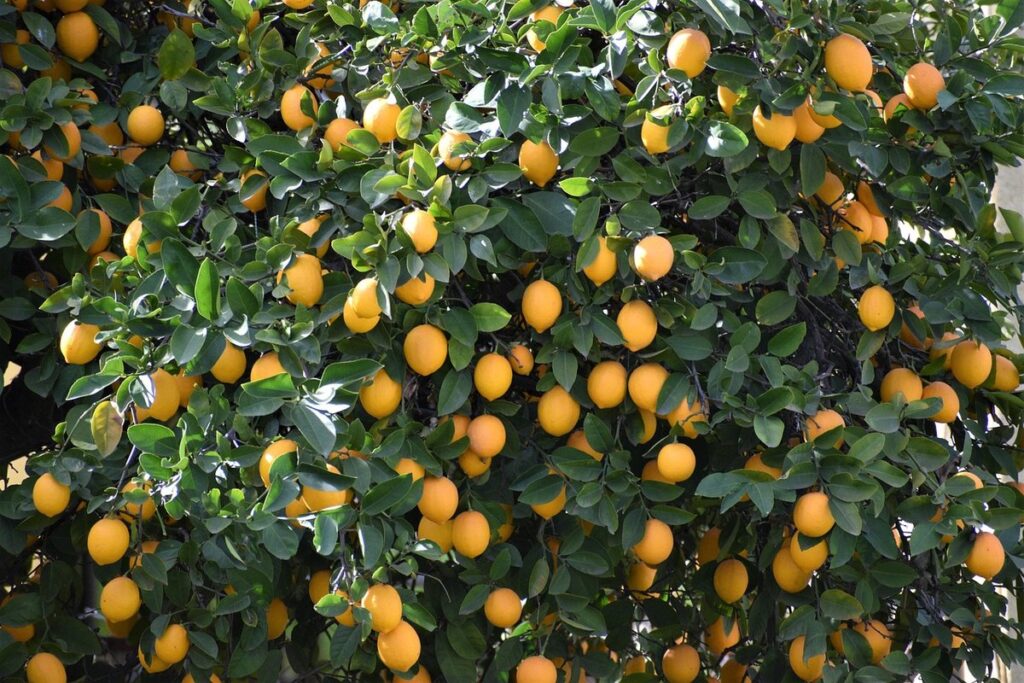
Understanding Your Lemon Tree’s Nutritional Needs
To grow a healthy and thriving lemon tree, it’s essential to understand your tree’s unique nutritional needs, which can vary depending on its age, climate, and soil type. We’ll break down these factors next.
The Importance of pH Balance in Soil
Maintaining optimal soil pH is crucial for lemon tree growth and nutrient availability. When the pH level deviates from its ideal range, essential nutrients become inaccessible to the tree. This can lead to stunted growth, reduced fruit production, and increased susceptibility to pests and diseases.
The optimal pH range for lemon trees is between 6.0 and 7.0. Most fertilizers are formulated to address specific nutrient deficiencies within this pH range. However, if your soil’s pH level is consistently above or below this range, it may require adjustments before applying fertilizers.
A slightly acidic to neutral soil pH allows lemon trees to absorb nutrients more efficiently. For instance, citrus trees need nitrogen, phosphorus, and potassium (NPK) in a ratio of 14-7-14 to support optimal growth. However, if the soil is too alkaline or acidic, these essential nutrients may become locked out, rendering fertilizers less effective.
It’s essential to get your soil tested regularly to determine its pH level and nutrient content. Based on the test results, you can adjust the fertilizer schedule accordingly to ensure that your lemon tree receives the right balance of nutrients for optimal growth and fruit production.
Essential Macronutrients for Lemon Trees
When it comes to creating an effective fertilizer schedule for your lemon tree, understanding its macronutrient needs is essential. The three primary macronutrients required by lemon trees are nitrogen (N), phosphorus (P), and potassium (K). These nutrients play critical roles in the tree’s growth, development, and fruit production.
Nitrogen (N) promotes leaf growth, fruiting, and overall plant health. A balanced fertilizer with a higher nitrogen content (e.g., 20-5-10 N-P-K ratio) is suitable for young lemon trees or those requiring rapid growth stimulation. For example, Miracle-Gro’s Citrus, Avocado & Fruit Tree Food contains 15% nitrogen, which can help your tree produce more fruit.
Phosphorus (P) supports root development, flowering, and fruiting. A fertilizer with a moderate phosphorus content (e.g., 10-20-5 N-P-K ratio) is ideal for lemon trees during the dormant season or when they’re not actively producing new growth. Espoma Organic Citrus Tone Fertilizer has a 3-2-0 N-P-K ratio, which provides a boost of phosphorus to promote healthy root development.
Potassium (K) helps with overall plant health, resistance to disease, and water balance. A balanced fertilizer with a moderate potassium content (e.g., 10-10-10 N-P-K ratio) is suitable for lemon trees during the growing season. E.B. Stone Organics Citrus & Fruit Tree Fertilizer has a 5-3-4 N-P-K ratio, which provides a balanced mix of nitrogen, phosphorus, and potassium to support healthy growth.
Choosing the Right Fertilizer Type
When it comes to fertilizing your lemon tree, selecting the right type is crucial for its health and productivity. We’ll break down the different types of fertilizers that work best for your citrus tree needs.
Organic vs. Synthetic Fertilizers
When it comes to fertilizing your lemon tree, you’re likely to come across two main types: organic and synthetic. Understanding the benefits and drawbacks of each will help you make an informed decision about what’s best for your tree.
Organic fertilizers are made from natural materials like compost, manure, or bone meal. They release nutrients slowly, promoting healthy soil microbe activity and improving soil structure over time. This approach encourages a balanced ecosystem, reducing the risk of nutrient deficiencies and maintaining a stable pH level. For example, using compost tea as a foliar spray can provide essential micronutrients while also stimulating beneficial bacteria in the soil.
Synthetic fertilizers, on the other hand, are manufactured from chemical compounds that quickly release nutrients into the soil. While they may provide rapid results, they can disrupt the delicate balance of your tree’s ecosystem and lead to over-fertilization. Excessive nitrogen usage, for instance, can cause an overgrowth of weeds, leach vital micronutrients from the soil, or even damage your lemon tree’s roots.
When choosing between organic and synthetic fertilizers for your lemon tree, consider its age, health, and growth stage. Young trees may benefit from a balanced, water-soluble fertilizer, while mature trees might thrive with a more targeted, slow-release formula.
Liquid vs. Granular Fertilizers
When it comes to choosing a fertilizer for your lemon tree, one of the most important decisions you’ll make is whether to use liquid or granular fertilizers. Both forms have their advantages and disadvantages that can impact your tree’s health and growth.
Liquid fertilizers are often more convenient to apply, as they come in a concentrated form that can be easily mixed with water. This makes them ideal for frequent applications, such as during the growing season when your lemon tree is producing fruit. However, liquid fertilizers can be more expensive than granular options, especially if you’re using high-quality formulas.
On the other hand, granular fertilizers are often less costly and provide a longer-lasting release of nutrients. They’re also easier to store and transport, making them a great option for gardeners with limited space or mobility. However, granular fertilizers can be more difficult to apply evenly, especially on larger trees or in areas with heavy foliage.
When deciding between liquid and granular fertilizers, consider the specific needs of your lemon tree. If you’re looking for a quick boost of nutrients during peak growing seasons, liquid might be the better choice. But if you prefer a more long-term approach that’s easier to apply, granular could be the way to go.
Developing a Seasonal Fertilizer Schedule
To develop an effective fertilizer schedule for your lemon tree, let’s break down the process of creating a seasonal plan tailored to its growth stages. This involves considering factors like climate and soil conditions.
Spring Fertilization for Lemon Trees
As the last vestiges of winter fade away and spring begins to bloom, it’s time to give your lemon trees a much-needed boost. Spring fertilization is crucial after dormancy, as it helps your tree recover from the slow growth period and prepares it for the vibrant growth that comes with warmer temperatures.
To determine the correct fertilizer type during this period, consider the pH level of your soil. If it’s on the acidic side (typically below 6.0), a balanced, water-soluble fertilizer is ideal. For slightly alkaline soils (around 7.0-8.0), an ammonium sulfate-based fertilizer will provide the necessary nutrients without disrupting the soil’s natural pH.
Aim to fertilize your lemon tree every 2-4 weeks during spring, starting in late March or early April, depending on your region. Dilute the recommended amount of fertilizer in water according to the manufacturer’s instructions and apply it directly to the soil around the base of the tree, avoiding the trunk. Keep in mind that over-fertilization can cause more harm than good, so monitor your tree’s response closely and adjust your schedule accordingly.
Summer and Fall Fertilizer Needs
As summer and fall arrive, lemon trees face unique challenges that require adjustments to their fertilizer schedule. High temperatures and humidity can cause stress on the tree’s root system, leading to reduced growth and fruit production. In these seasons, it’s essential to provide lemons with more water and nutrients than during other times of the year.
To combat heat stress, reduce fertilization frequency in summer months (June to August). Instead of applying fertilizer every 4-6 weeks, space applications out to every 6-8 weeks. This allows the tree to focus on maintaining its growth rather than producing new growth. For example, during a heatwave, you can skip a scheduled application and resume when temperatures return to normal.
In fall (September to November), as days shorten and temperatures drop, lemons enter a period of dormancy. Fertilize less frequently, around every 8-10 weeks, to promote root growth and hardiness for the upcoming winter months. Additionally, incorporate phosphorus-rich fertilizers (such as bone meal or rock phosphate) to support fruiting during the next growing season.
Keep in mind that specific fertilizer needs may vary depending on your climate, soil type, and lemon tree variety. Monitor your tree’s response to these adjusted schedules and adjust accordingly for optimal growth and production.
Monitoring and Adjusting Your Fertilizer Schedule
Now that you’ve set up your fertilizer schedule, it’s time to monitor its effectiveness and make any necessary adjustments to keep your lemon tree thriving. Let’s dive into the details of monitoring and adjusting your plan.
Soil Testing for Nutrient Deficiencies
Conducting soil tests is a crucial step in identifying nutrient deficiencies or excesses that may be affecting your lemon tree’s growth. This information will help inform adjustments to your fertilizer schedule, ensuring you’re providing the right nutrients at the right time.
You can collect a soil sample from different areas of your garden and submit it to a laboratory for analysis. Alternatively, use a DIY kit that tests for pH levels and nutrient content. The cost is minimal, but the benefits are significant – accurate data will help you avoid over-fertilizing or under-fertilizing.
When interpreting the results, look for imbalances in the NPK ratio (Nitrogen, Phosphorus, Potassium). If your tree is low in nitrogen, it may require more frequent applications of a balanced fertilizer. Conversely, if phosphorus levels are high, you may need to reduce fertilizer use altogether.
Recognizing Signs of Overfertilization
As you continue to monitor your lemon tree’s fertilizer schedule, it’s essential to recognize the signs of overfertilization. One common indicator is leaf burn or discoloration, which can appear as yellowing, browning, or scorching on the leaves’ edges or tips.
If you notice these symptoms, take immediate action by reducing the frequency or amount of fertilizer applied to your tree. For instance, if you’ve been fertilizing every two weeks, try switching to a monthly schedule instead. You can also adjust the type of fertilizer used, opting for a balanced formula with lower nitrogen levels.
Another sign of overfertilization is an excessive growth spurt, which may lead to weak and brittle branches. To prevent this, ensure your tree receives enough water and prune any new growth that appears leggy or discolored. Keep in mind that it’s always better to err on the side of caution when fertilizing your lemon tree.
Additional Tips for Lemon Tree Care
To get the most out of your fertilizer schedule, consider these extra tips that’ll take your lemon tree care to the next level. This is where you can fine-tune and personalize your approach.
Companion Planting for Healthy Growth
Companion planting is a simple yet effective way to promote healthy growth and improve pest resistance for your lemon tree. By strategically placing certain plants alongside your lemon tree, you can create a symbiotic relationship that benefits both the tree and its surroundings.
Some of the key benefits of companion planting include improved nutrient uptake, increased pest resistance, and enhanced overall growth. For example, planting marigolds near your lemon tree can help deter nematodes, which are microscopic worms that can harm the tree’s roots. Basil is another popular companion plant for lemon trees, as it repels aphids and other pests while also attracting beneficial insects.
To make the most of companion planting, choose plants that complement each other in terms of their growing requirements and pest-fighting properties. Planting a mix of annuals and perennials can provide a consistent supply of nutrients and benefits throughout the growing season.
Pruning Techniques for Maximum Growth
Proper pruning techniques are essential for promoting healthy growth and maximizing production on your lemon tree. When done correctly, pruning can stimulate fruiting, improve air circulation, and maintain a balanced shape. However, over-pruning or incorrect pruning methods can damage the tree and lead to reduced yields.
To prune effectively, start by removing any dead, diseased, or damaged branches, as these can harbor pests and diseases that can spread to other parts of the tree. Next, focus on thinning out the interior branches to allow sunlight to reach the fruiting wood. This is typically done in late winter or early spring before new growth begins.
When shaping your lemon tree, cut just above a node (where a leaf meets the stem) at an angle, leaving about 1/4 inch of stem intact. Avoid cutting too much at once, as this can stress the tree and lead to reduced fruit production in subsequent seasons. By incorporating regular pruning into your routine, you’ll be supporting the overall health and productivity of your lemon tree.
Common Mistakes to Avoid When Fertilizing Lemon Trees
Fertilizing lemon trees can be tricky, and making a few simple mistakes can actually harm your tree’s health. To avoid these common pitfalls, let’s take a closer look at what not to do when fertilizing.
Overfertilization and Its Consequences
Overfertilizing your lemon tree can have devastating consequences for both the soil and the tree itself. When you apply too much fertilizer, it can leach into the groundwater, causing water pollution and harming nearby ecosystems. This is especially concerning if you live in an area with sensitive water sources or aquatic life.
But that’s not all – excessive fertilizers can also damage the beneficial microorganisms in your soil. These tiny creatures play a crucial role in breaking down nutrients and recycling waste, making them essential for healthy plant growth. When they’re killed off by too much fertilizer, it can lead to a host of problems, from nutrient deficiencies to increased pest susceptibility.
To avoid these risks, make sure you follow the recommended fertilization schedule and don’t overdo it with the fertilizer. A general rule of thumb is to use half the amount suggested on the label, especially if your soil is already rich in nutrients. Regular soil tests can also help you identify any nutrient imbalances before they become a problem.
Underestimating Soil pH’s Impact on Nutrient Uptake
Soil pH plays a crucial role in nutrient uptake by lemon trees. If it’s too far off from the optimal range of 6.0-7.0, essential micronutrients like iron and magnesium may become less available to the tree. This can lead to symptoms such as yellowing leaves or stunted growth. Imagine pouring valuable fertilizer into your soil only for the tree to struggle with nutrient deficiencies due to an imbalanced pH.
To avoid this common mistake, it’s essential to maintain optimal soil pH levels. Regularly test your soil using a kit or send a sample to a lab for analysis. Based on the results, adjust the pH by adding lime to raise it or sulfur to lower it. For example, if your soil pH is too low (acidic), apply 1-2 cups of dolomitic limestone per 10 square feet and mix well into the top 6 inches of soil.
By keeping a close eye on your soil’s pH and making adjustments as needed, you’ll create an environment that allows your lemon tree to absorb all the necessary nutrients from fertilizer. This will lead to healthier growth, better yields, and a more vibrant plant overall. Remember, a balanced pH is just one part of creating an effective fertilization schedule – stay tuned for more tips on optimizing nutrient uptake in your lemon trees!
Conclusion
In conclusion, creating an effective lemon tree fertilizer schedule requires careful consideration of your tree’s needs throughout its growth stages. By following the guidelines outlined above and monitoring your tree’s response to different fertilizers, you’ll be well on your way to producing delicious lemons year-round. Remember that a consistent approach is key – regular feeding during peak growing seasons will yield healthier trees with more robust fruit production. Don’t be afraid to adjust your schedule as needed based on environmental factors or pest/disease issues that may arise. With patience and attention to detail, you’ll enjoy the benefits of a thriving lemon tree for years to come. By incorporating these tips into your routine, you’ll have peace of mind knowing your tree is receiving optimal care.
Frequently Asked Questions
How do I know if my lemon tree needs a pH test before fertilizing?
Before applying fertilizer, it’s essential to determine your soil’s pH level. A simple DIY pH test kit can help you determine the current pH range. If the reading is significantly off from the ideal 6.0-7.0 range for citrus trees, perform a more accurate test using a laboratory-grade kit or consult with a gardening expert.
Can I use the same fertilizer schedule for both my indoor and outdoor lemon trees?
While the fundamental principles of fertilization remain the same, your indoor tree’s fertilizer needs may vary due to its controlled environment. Indoor trees typically require less nitrogen but more micronutrients like iron and magnesium. Be sure to research specific guidelines tailored to your tree’s unique circumstances.
What are some common signs that my lemon tree is receiving too much fertilizer?
Be cautious of overfertilization, which can lead to nutrient toxicity. Look out for symptoms like excessive leaf growth, yellowing leaves, or an abundance of new growth with minimal fruit production. Monitor your tree’s response to fertilizers and adjust the application schedule as needed.
How often should I check my lemon tree’s soil pH and adjust the fertilizer accordingly?
It’s recommended to test your soil pH at least twice a year: once in spring before fertilizing and again during summer or fall after heavy rainfall events. Adjustments may be necessary based on these readings, ensuring optimal nutrient availability for your tree’s growth and development.
Can I mix different types of fertilizers (organic and synthetic) for my lemon tree?
While it might seem convenient to combine various products, mixing organic and synthetic fertilizers can lead to unpredictable results. Each type has its unique characteristics, and combining them may cause an imbalance in nutrient delivery or even damage your tree’s roots. Stick to one type that suits your gardening approach and preferences.