
Leaf mulch composting is an easy and effective way to reduce waste, promote soil health, and conserve water in your garden. If you’re looking for ways to get greener and more eco-friendly, this is a great place to start. We all know that fallen leaves can be a nuisance, but did you know they can also become a valuable resource? By learning how to properly select, prepare, and process leaf mulch, you can create a nutrient-rich compost that will give your plants the best possible start in life.
In this article, we’ll take you through the basics of leaf mulch composting, from choosing the right leaves to turning them into a rich, earthy soil amendment. You’ll learn how to reduce waste by repurposing what would otherwise be discarded, and how to create a healthy balance of nutrients for your garden. By the end of this article, you’ll have all the knowledge you need to start leaf mulching like a pro!
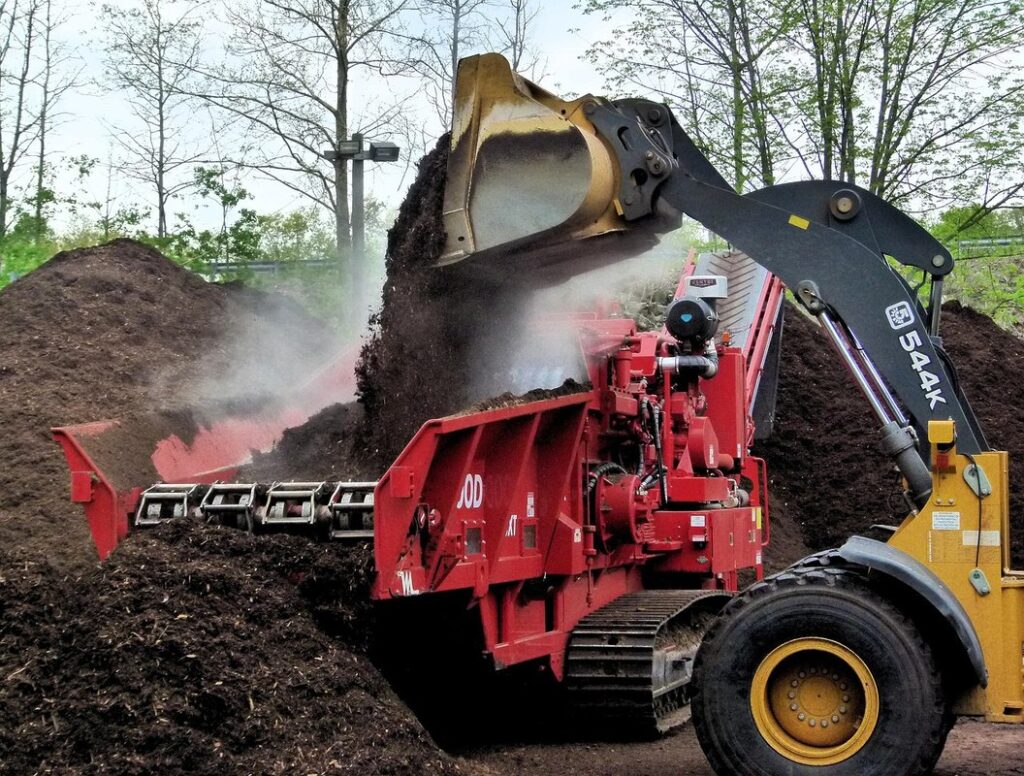
Understanding the Importance of Leaf Mulch Composting
Leaf mulch composting is more than just a way to reduce waste, it’s also crucial for maintaining soil health and supporting a balanced ecosystem. This section breaks down why leaf mulch composting matters in your garden.
The Environmental Impact of Yard Waste
When we think about yard waste, it’s easy to assume that it’s not a significant contributor to environmental problems. However, the truth is, yard waste is one of the largest components of municipal solid waste in many parts of the world.
In the United States alone, an estimated 30% of landfill waste comes from yard trimmings and other organic materials. When these materials decompose in landfills, they release methane, a potent greenhouse gas that’s up to 28 times more effective at trapping heat than carbon dioxide over a 100-year time frame.
Not only does yard waste contribute to climate change, but it also pollutes our soil, waterways, and air when sent to landfills. By composting leaf mulch, we can divert this waste away from landfills and create a nutrient-rich soil amendment that promotes healthy plant growth, conserves water, and supports biodiversity.
Composting yard waste is an essential step towards reducing waste, mitigating climate change, and creating a more sustainable future for our communities.
Reducing Carbon Footprint with Composting
Composting is one of the simplest yet most effective ways to reduce our carbon footprint and create a healthier environment. By diverting organic waste from landfills and turning it into nutrient-rich compost, we can significantly decrease greenhouse gas emissions. When organic matter decomposes in landfills, it releases methane – a potent greenhouse gas that’s 25 times more effective at trapping heat than CO2.
By composting instead, we can reduce the amount of methane released into the atmosphere. Additionally, compost acts as a natural water conservator by improving soil structure and increasing its ability to hold moisture. This reduces the need for irrigation and minimizes water waste. Composting also promotes soil health by introducing beneficial microorganisms that help break down organic matter.
To get started with reducing your carbon footprint through composting, consider these practical tips: start small by collecting kitchen scraps in a designated container; add brown materials like leaves or shredded newspaper to balance out green materials; and turn your pile regularly to ensure oxygen flow.
Choosing the Right Leaves for Mulch Compost
When selecting leaves for mulch compost, it’s essential to choose types that are rich in nutrients and won’t produce too much acidity. Consider using a mix of deciduous and evergreen leaves for optimal results.
Selecting the Best Leaf Types
When it comes to selecting the best leaf types for mulch composting, it’s essential to consider their acidity and nutrient content. Oak leaves, for instance, are a popular choice due to their high acidity levels, which help break down other materials in the compost pile. However, they also contain tannins that can inhibit microbial growth, so it’s best to mix them with other leaf types.
Maple leaves, on the other hand, have a higher nutrient content than oak and pine leaves, making them an excellent addition to your mulch compost. They’re rich in potassium, nitrogen, and phosphorus, which support healthy microbial activity and soil fertility.
Pine leaves, while not as acidic as oak or maple, are still a great option for mulch composting. However, they can be quite dense, so it’s crucial to shred them before adding them to your compost pile. This will help increase their surface area and facilitate decomposition.
When combining different leaf types, aim for a mix of 20-30% acidic leaves (like oak) and 70-80% neutral or slightly alkaline leaves (such as maple).
Avoiding Problematic Leaf Materials
When it comes to mulch composting with leaves, not all leaves are created equal. Some types of leaves can introduce weed seeds into your compost pile, while others may produce unpleasant odors that can be a nuisance. To avoid these issues, it’s essential to know which leaves to steer clear of.
Avoid using leaves from trees like oak, maple, and elm, as they tend to contain high levels of tannins, which can make the compost pile acidic. These conditions can inhibit microbial activity, leading to unpleasant odors and slowing down the decomposition process. Additionally, these trees often have weed seeds in their leaves that can sprout in your garden when you add them to your mulch.
Some examples of problematic leaf materials include:
• Leaves from invasive species like buckthorn or purple loosestrife
• Leaves with high levels of tannins or sap, such as eucalyptus or walnut
To ensure your compost pile remains balanced and free from weed seeds, only add leaves from non-invasive species that are known to be clean and weed-free. This will not only help prevent unwanted weeds but also promote a healthy and thriving garden ecosystem.
Preparing Leaves for Mulch Composting
To create rich and nutrient-dense leaf mulch compost, it’s essential to properly prepare your leaves before adding them to the pile. This involves several simple steps that make all the difference in the final product.
Collecting and Storing Leaves Properly
When collecting leaves for mulch composting, it’s essential to do so in a way that maintains their quality and prevents pests. Start by raking leaves from the ground into piles, making sure to remove any debris like twigs or rocks. Next, dry the leaves thoroughly to prevent mold growth and pest infestations.
You can speed up the drying process by laying the leaf piles out in a sunny spot or using a fan to circulate air. Aim for a moisture level of around 50% to ensure optimal decomposition.
For long-term storage, consider using bins or bags with good airflow to keep leaves dry and prevent pests from taking hold. You can also store dried leaves in airtight containers like plastic buckets or cloth bags. Label the containers clearly so you know what’s inside.
To maintain leaf quality, aim to collect them within 2-3 weeks of falling, when they’re still fresh and green. This will help preserve their nutrient-rich properties and make for better mulch compost.
Balancing Leaf Moisture and Carbon Levels
Achieving optimal moisture levels in leaf mulch compost piles is crucial for efficient decomposition. If the leaves are too dry, they won’t break down properly, leading to a slow composting process. Conversely, if the leaves are too wet, it can lead to anaerobic conditions, causing unpleasant odors and potentially harming microorganisms.
To achieve optimal moisture levels, aim for a mix that’s similar to a damp sponge. You can also use the “squeeze test”: squeeze a handful of leaves – if water drips out, they’re too wet; if no water comes out, they’re too dry. The ideal carbon-to-nitrogen ratio in leaf mulch compost is between 20:1 and 30:1.
To maintain this balance, regularly inspect the pile and add more leaves or water as needed. You can also use a mixture of brown materials like straw or shredded newspaper to absorb excess moisture. By achieving optimal moisture levels and maintaining a balanced carbon-to-nitrogen ratio, you’ll ensure efficient decomposition and high-quality leaf mulch compost for your garden.
Setting Up a Successful Mulch Compost Pile
To set up a successful mulch compost pile, you’ll want to create an environment that’s conducive to decomposition and minimizes pests and odors. This means choosing the right location and structure for your pile.
Designing an Effective Composting System
When designing an effective composting system for leaf mulching, it’s essential to create a balanced pile structure. This means striking the right balance between “green” materials high in nitrogen and “brown” materials rich in carbon.
Aim for a mix of 2/3 brown materials (dried leaves, shredded newspaper) and 1/3 green materials (grass clippings, food scraps). Regularly turning your pile is crucial to maintain oxygen flow and speed up decomposition. Aim for at least one turn every week or two, depending on the size of your pile.
Don’t forget about aeration! Aerate your pile by inserting sticks or other tools to create channels for air to pass through. Monitor your carbon-to-nitrogen ratio (C:N) by checking the moisture level and texture of your compost. If it’s too dry, add more green materials; if it’s too wet, mix in some brown materials.
To make things easier, create a schedule: every 7-10 days, turn your pile, and then add new materials on top. This will ensure consistent decomposition and minimize odors.
Maintaining a Healthy Compost Environment
Monitoring temperature is crucial to maintain a healthy compost ecosystem. High temperatures can kill beneficial microorganisms and create unpleasant odors. Aim for temperatures between 130-140°F (54-60°C) by maintaining the right carbon-to-nitrogen ratio, adding brown materials like dried leaves or shredded newspaper, and ensuring adequate moisture.
Unpleasant odors often signal an imbalance in your compost pile. Check if you’ve added too many green materials like food scraps or grass clippings, which can attract pests and create anaerobic conditions. Regular turning of the pile helps to aerate it, reducing odors and promoting healthy decomposition.
Pests are another potential issue in a mulch compost pile. Regularly inspect your pile for signs of pests like rodents, flies, or ants. To prevent infestations, maintain a balanced mix of brown and green materials, keep your pile covered, and avoid adding meat, dairy, or oily foods that can attract pests.
By monitoring temperature, controlling odors, and managing pest populations, you’ll create an environment conducive to healthy decomposition and optimal nutrient production in your leaf mulch compost.
Processing Leaf Mulch for Soil Enrichment
To turn your leaf mulch into a rich soil amendment, you’ll need to process it through some simple steps that break down its components and eliminate any debris. This section walks you through each of these essential processing techniques.
Breaking Down Leaves into Useable Compost
Breaking down leaves into a rich, nutrient-dense mulch is an essential step in leaf mulch composting. There are several methods to achieve this, each with its own advantages and requirements.
Tumbling composters, such as tumbling barrels or rotating drum composters, are ideal for small-scale operations. These units use mechanical action to aerate and mix the leaves, speeding up decomposition. For example, a study by the US EPA found that tumbling composters can reduce leaf processing time by 50-75% compared to traditional composting methods.
Aerating equipment, like spades or forks with long tines, can also be used to break down leaves in situ. This method is more labor-intensive but allows for aeration and mixing of the leaves as they decompose. To maximize effectiveness, it’s essential to turn the pile regularly, ideally every 7-10 days.
Another approach involves using machinery like chippers or shredders to reduce leaf size before composting. While this method can be faster, it may not provide the same level of aeration and mixing as tumbling or aerating methods.
Incorporating Mulched Leaves into Your Garden
Integrating leaf mulch compost into your garden can have numerous benefits for plant health and soil structure. One of the simplest ways to incorporate it is by spreading a 2-3 inch layer over planting beds, allowing it to break down naturally as the seasons change.
As the mulch breaks down, it will help suppress weeds, retain moisture, and regulate soil temperature – all while adding valuable nutrients for plant growth. For example, a study found that incorporating leaf compost into poor soil can increase microbial activity by up to 30% and improve soil fertility by 25%.
When using leaf mulch compost in gardens with established plants, it’s best to mix it into the top 6-8 inches of soil rather than applying it as a surface layer. This helps prevent potential nutrient shock and ensures the benefits are evenly distributed throughout the root zone.
In landscapes with shrubs and trees, mulched leaves can be used as a top dressing or mixed into the planting holes when transplanting new specimens.
Frequently Asked Questions
What are some common leaf types that are safe for mulch composting?
The best leaf types for mulch composting include deciduous leaves like oak, maple, and elm, as well as evergreen needles from conifers like pine and spruce. Avoid using leaves with high levels of alkalinity or those that may contain seeds or weed propagules.
How do I balance moisture and carbon levels in my leaf mulch compost pile?
To maintain optimal moisture levels, ensure your compost pile is 50-60% water content by weight. For a balanced carbon-to-nitrogen (C:N) ratio, aim for a mix of “green” leaves with high nitrogen content (like grass clippings or manure) and “brown” leaves with high carbon content (like dried leaves).
Can I use leaf mulch composting to reduce waste in small spaces like balconies or patios?
Yes, you can adapt leaf mulch composting for small spaces. Choose compact containers or tumblers that can hold a few bags of leaves, and consider using worm composting or bokashi bins as alternatives.
How long does it take for leaf mulch to break down into usable compost?
The breakdown process typically takes 3-6 months, depending on factors like moisture levels, C:N ratios, and aeration. Regular turning and monitoring can speed up the process and ensure your compost is ready for use in time for planting season.
What’s the best way to incorporate mulched leaves into my existing garden beds?
Mix 2-4 inches of finished compost into the top 6-8 inches of soil before planting, or use it as a mulch layer on top of the soil. This will help retain moisture, suppress weeds, and provide nutrients for your plants.