
If you’re an avid gardener or just starting to explore the world of herbs, you might be wondering how to get the most out of your lavender plants. Layering lavender is a game-changer for those who want to take their gardening skills to the next level. Not only will it improve growth and increase yields, but it also helps reduce pests and diseases that can be detrimental to these beautiful flowers. Whether you’re looking to create a stunning landscape or simply want to enjoy the benefits of lavender in your own garden, understanding how to layer these plants is crucial.
In this article, we’ll delve into expert techniques on propagation, soil preparation, staking, and more. From preparing the perfect growing conditions to learning the best methods for layering and pruning, you’ll be equipped with all the knowledge you need to achieve optimal results with your lavender plants.
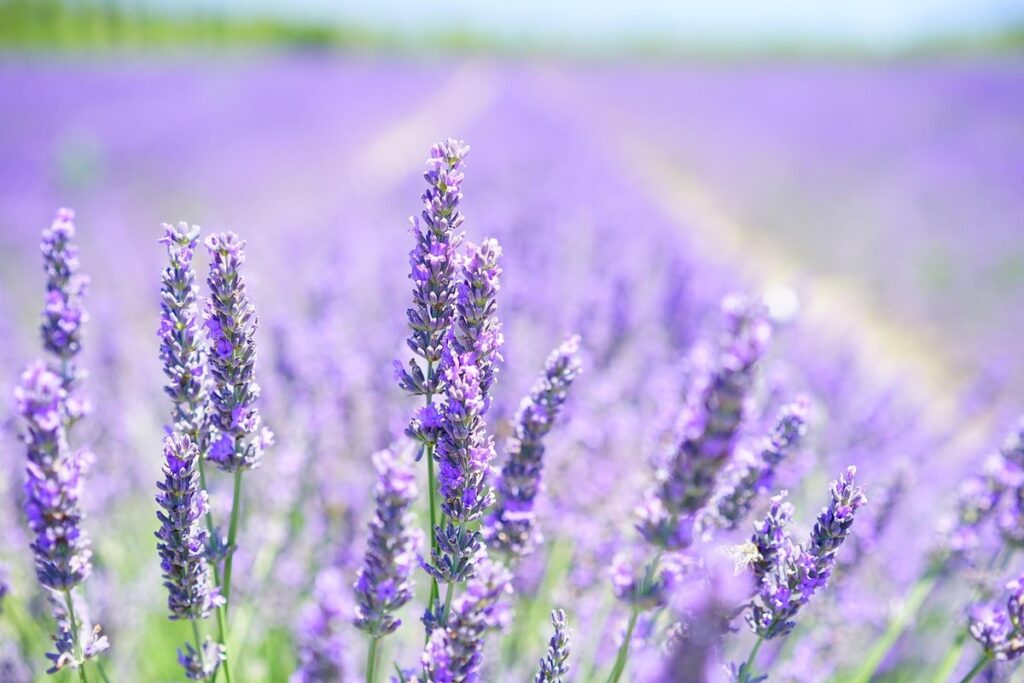
Understanding the Basics of Lavender Layering
To get started with layering lavender, let’s break down the fundamental concepts you need to grasp before diving deeper into its creative applications. This foundation will help you build a strong understanding of what works and what doesn’t.
Why Layer Lavender?
Layering lavender can have a profound impact on the plant’s overall health and productivity. By introducing multiple layers of growth, you create an environment that promotes healthy competition among stems, encouraging them to grow stronger and more robust. This results in improved growth rates, with some farmers reporting up to 30% increase in height and spread.
Another significant benefit of layering is increased yields. As the plant grows in multiple layers, it’s able to produce more flowers and essential oils, making for a bountiful harvest. In fact, studies have shown that layered lavender plants can yield up to three times more oil than single-layered plants.
In addition to improved growth and increased yields, layering also helps reduce pest and disease issues. By creating a diverse and complex ecosystem, you’re able to introduce beneficial insects and microorganisms that prey on pests and diseases, reducing the need for chemical interventions. This approach not only promotes sustainability but also leads to healthier plants with stronger immune systems.
Choosing the Right Variety for Layering
When it comes to layering lavender, choosing the right variety is crucial for achieving optimal results. There are several types of lavender suitable for layering, each with its unique characteristics that can impact the final product.
English lavender (Lavandula angustifolia) is a popular choice for layering due to its compact growth habit and delicate fragrance. It’s ideal for creating smaller, more intricate arrangements. On the other hand, French lavender (Lavandula stoechas) has a more robust growth pattern and produces vibrant purple flowers, making it perfect for statement pieces.
Spanish lavender (Lavandula stoechas subsp. pedunculata), also known as butterfly lavender, boasts large, showy blooms that add a dramatic touch to any arrangement. When selecting a variety, consider the amount of space you have available and the desired appearance of your final product. Experiment with different types to find the one that works best for you.
In terms of fragrance, English and French lavenders are generally more potent than Spanish lavender. If scent is a top priority, these two varieties might be the better choice. However, if you’re looking for a statement piece with vibrant blooms, Spanish lavender could be the way to go.
Preparing the Soil for Lavender Layering
To prepare the soil for lavender layering, it’s essential to get the pH levels just right. Lavender prefers a slightly alkaline to neutral soil pH, ranging from 6.0 to 7.0. If your soil is too acidic or basic, amend it with lime or sulfur to adjust the pH accordingly. For example, if you’re in an area with heavy clay soils that tend to be more acidic, adding a handful of lime per square foot can work wonders.
Lavender also requires well-draining soil to prevent root rot and other issues. Mix in some organic matter like compost or perlite to improve drainage and structure. Aim for about 10-20% organic matter content in your soil blend. This will not only help with water retention but also provide essential nutrients as lavender grows.
In terms of nutrient requirements, lavender is a low-maintenance plant that can thrive in poor soils. However, adding a balanced fertilizer during planting time can give it an initial boost. Opt for a slow-release fertilizer to avoid over-fertilizing and promoting weak growth. As a rule of thumb, use about 1/4 teaspoon of balanced fertilizer per seedling.
Techniques for Successful Lavender Layering
Now that we’ve discussed the importance of layering lavender, let’s dive into some expert techniques to help you achieve a beautifully balanced bouquet. We’ll explore methods to ensure your layered arrangements look stunning and last long.
Propagation Methods for Layering Lavender
When it comes to propagating lavender through layering, you have several effective methods at your disposal. One of the most popular techniques is stem cutting. This involves taking cuttings from mature stems, removing lower leaves, and planting them in a shallow tray or pot filled with a well-draining mix. Keep the soil consistently moist but not waterlogged, and provide indirect light until roots develop.
Another approach is division. For this method, carefully dig up an established lavender plant and separate its roots into sections, making sure each section has at least one growth bud. Replant the divisions in a sunny location with good drainage, watering well to settle the soil.
Both of these techniques allow you to multiply your lavender plants quickly and easily. However, layering itself remains a popular choice for many growers due to its ability to produce new plants that retain their parent’s desirable traits.
Creating a Lavender Hedge or Border
Creating a stunning lavender hedge or border is a great way to showcase this beautiful and fragrant plant. To create a layered look with your lavender plants, you’ll want to space them closely together, about 12-18 inches apart, depending on the variety. This will allow the plants to grow together and form a lush, full hedge.
When choosing varieties for your lavender hedge or border, select a mix of upright and compact growth habits to add visual interest. For example, you could pair ‘Hidcote’ with its tall spikes of purple flowers with the more compact ‘Munstead’.
Pruning is key when it comes to maintaining a healthy and attractive lavender hedge or border. In late winter or early spring, prune your plants back by about one-third to promote new growth and encourage a bushy shape. During the growing season, simply trim off any leggy stems and deadhead spent flowers.
To keep your layered lavender looking its best, water regularly during hot summer months, but avoid overwatering which can lead to root rot.
Supporting Lavender Plants for Layering
When layering lavender, providing adequate support is crucial for the plant’s growth and development. Staking and supporting the plants during this process can make a significant difference in preventing damage and promoting healthy growth.
As you carefully remove lower leaves from the stem, it’s essential to provide a sturdy stake or trellis for the top portion of the plant. This not only helps maintain its upright position but also encourages new growth. A 5-6 foot tall stake is recommended for larger varieties, while smaller ones may require shorter stakes.
You can use bamboo stakes, wooden stakes, or even a teepee structure to provide support. Make sure the stake is positioned at an angle to allow for easy removal of lower leaves and stem sections. It’s also crucial to gently tie the plant to the stake using soft twine or wire, taking care not to constrict the stems.
Regularly inspecting your staked plants will help you catch any signs of damage or potential problems early on.
Tips for Care and Maintenance after Layering
Now that you’ve layered your lavender, it’s essential to provide the right care and maintenance to ensure its continued health and beauty. Here are some expert tips to keep in mind.
Watering and Irrigation Strategies
When it comes to watering and irrigation for layered lavender plants, there are several factors to consider. Climate plays a significant role, as lavender prefers well-draining soil and full sun. In regions with high humidity or frequent rainfall, it’s essential to ensure good air circulation around the plants to prevent root rot.
In areas with low humidity, such as Mediterranean climates, lavender requires more frequent watering. Aim for about 1 inch of water per week, either through rain or irrigation. Younger plants require more moisture than mature ones, so adjust your schedule accordingly. For example, a newly layered plant might need watering every two to three days during hot summer months.
Soil type is another critical factor. Lavender prefers alkaline soil with good drainage. If your local soil is heavy clay or prone to waterlogging, consider raising the bed by 6-8 inches to improve air circulation and reduce moisture accumulation.
To further optimize irrigation, install a drip irrigation system that delivers water directly to the roots. This not only reduces evaporation but also minimizes the risk of overwatering. By tailoring your watering schedule to the specific needs of your layered lavender plants, you’ll be better equipped to handle any climate-related challenges.
Fertilizing and Pruning for Optimal Growth
As you nurture your layered lavender plants, fertilization and pruning are crucial steps to promote optimal growth and prevent disease. When it comes to fertilizing, remember that lavenders have specific nutrient requirements. A balanced fertilizer with a 10-10-10 NPK ratio is ideal for promoting healthy foliage and root development. However, avoid over-fertilizing as this can lead to weak and leggy stems.
For layered lavender plants, pruning should be done regularly to maintain shape and encourage new growth. Remove any dead or damaged branches, cutting them back to the node where a new stem will emerge. This helps prevent disease from spreading and encourages the plant to focus its energy on producing new flowers. Prune your layered lavender in late winter or early spring, before new growth begins.
To further promote healthy growth, consider adding organic matter like compost or well-rotted manure around the base of your plants. This will provide essential nutrients while improving soil structure and drainage. By incorporating these fertilization and pruning techniques into your care routine, you’ll be well on your way to unlocking the full potential of your layered lavender plants.
Pest and Disease Management for Layered Lavender
As you tend to your layered lavender, it’s essential to keep an eye out for common pests and diseases that can affect its health. One of the most prevalent issues is root weevil infestation, which can cause significant damage to the plant’s roots and reduce its ability to absorb water and nutrients.
To prevent this issue, ensure you’re planting your layered lavender in well-draining soil with a slightly acidic pH. This will make it less attractive to pests like root weevils. Additionally, keep an eye out for signs of infestation, such as yellowing leaves or a general decline in plant health.
Some effective natural methods for controlling pest and disease management include:
• Using neem oil sprays to repel insects and prevent infestations
• Practicing good garden hygiene by removing weeds and debris that can harbor pests
• Encouraging beneficial insects like ladybugs and lacewings, which prey on lavender pests
Regularly inspect your layered lavender plants for signs of disease such as powdery mildew or botrytis. These can be treated with a mixture of baking soda and water applied to the affected areas.
Common Mistakes to Avoid when Layering Lavender
When layering lavender, it’s easy to get caught up in experimentation and accidentally create a look that doesn’t quite work. Let’s explore some common mistakes to sidestep for a beautiful result.
Misconceptions about Soil Requirements
When it comes to layering lavender, one of the most common misconceptions is about the ideal soil pH and nutrient requirements. Many gardeners believe that lavender needs a very alkaline soil with high pH levels, typically above 7.5, but this isn’t entirely accurate.
In reality, lavender can thrive in a wide range of soil pH levels, from slightly acidic to slightly alkaline (around 6.0-7.5). In fact, some varieties of English lavender are more tolerant of slightly acidic soils than others. What’s more important is the overall soil structure and drainage rather than its pH level.
Another misconception is that lavender needs a lot of nutrients to grow well. However, this isn’t true for most types of lavender. They’re relatively low-maintenance plants that can tolerate poor soil conditions. Instead of adding lots of fertilizers, it’s better to focus on improving the overall soil quality by incorporating organic matter and mulching.
By understanding these common misconceptions, you’ll be able to create a more suitable environment for your layered lavender, allowing them to flourish and reach their full potential.
Inadequate Support or Pruning
When layering lavender, it’s essential to provide adequate support to prevent damage and promote healthy growth. Without proper support, layered plants can become top-heavy and prone to breakage, especially during windy weather. To avoid this, use a trellis or stake the plant gently but firmly, making sure not to constrict its growth. This will allow the stems to grow upwards while keeping the roots grounded.
Pruning is also crucial in maintaining the health and appearance of layered lavender plants. Remove any dead or damaged branches to prevent the spread of disease and encourage new growth. Cut back long stems after flowering to promote bushy growth and maintain a compact shape. Be cautious not to over-prune, as this can stress the plant and lead to reduced flowering.
Aim to prune at least once a year, ideally in late winter or early spring, when the plant is dormant. This will help control its size while maintaining its overall shape. By providing adequate support and pruning regularly, you’ll be able to enjoy your layered lavender plants for years to come.
Advanced Techniques for Experienced Gardeners
Now that you’re familiar with the basics of layering lavender, let’s dive into some advanced techniques to take your skills to the next level. This includes strategies for propagating more varieties and achieving optimal results.
Grafting Lavender onto Rootstocks
Grafting lavender onto rootstocks is a technique that can revolutionize your growing experience. By combining a vigorous rootstock with a delicate lavender cultivar, you’ll be able to create a more resilient plant that’s better equipped to handle the demands of its environment.
This grafting method allows you to harness the benefits of both parent plants: the robust root system and disease resistance of the rootstock, paired with the desirable traits of your chosen lavender variety. For instance, you can combine the hardy ‘Hidcote’ lavender with a vigorous rosemary rootstock to create a plant that’s more resistant to drought and pests.
When grafting, choose a compatible rootstock that complements the growing conditions of your lavender variety. Then, follow these steps: carefully prepare the scion (the lavender stem) by making a clean cut just above a node; apply a small amount of rooting hormone to the wounded area; insert the scion onto the prepared rootstock, and secure it with grafting tape.
By incorporating this technique into your layering methods, you’ll be able to cultivate more robust and adaptable lavender plants that require less maintenance.
Using Layered Lavender in Floral Arrangements
When it comes to showcasing layered lavender in floral arrangements, wreaths, and other decorative items, the possibilities are endless. To add an extra layer of elegance to your designs, consider pairing lavender with complementary flowers like baby’s breath, Queen Anne’s lace, or even eucalyptus for a fresh and citrusy scent.
One popular way to incorporate layered lavender is by creating a wreath. Simply tie sprigs of lavender together in small bunches, then weave them around a wire or foam base. You can also add some greenery like ferns or lemon leaves to fill out the design. For an added pop of color, tuck in a few stems of bright blue delphiniums or purple irises.
For more dramatic arrangements, try layering lavender sprigs under a cascade of roses or peonies. This creates a stunning contrast between delicate purple and lush pink hues. To add texture, incorporate some seasonal branches like willow or silver birch into the design. With these simple tips, you’ll be well on your way to crafting show-stopping floral arrangements that showcase the beauty of layered lavender.
Frequently Asked Questions
Can I layer lavender plants that are already mature?
Yes, it’s possible to layer mature lavender plants, but keep in mind that the results might not be as dramatic as starting with younger plants. However, this method can still lead to improved growth and increased yields, especially if you provide optimal growing conditions.
How often should I water my layered lavender plants during hot summer months?
Water your layered lavender plants when the top 2-3 inches of soil feels dry to the touch. This usually means watering every 7-10 days in hot weather, but adjust based on local climate and soil conditions. Avoid overwatering, which can lead to root rot.
Can I use any type of soil for layering lavender?
While lavender prefers well-draining soil with a pH between 6.0 and 7.0, it’s essential to choose a soil mix specifically designed for herbs or perennials. Regular potting soil can compact over time and harm the roots. Consider adding organic matter like compost to enhance drainage and fertility.
How do I prevent pests from targeting my layered lavender plants?
Use physical barriers or fine mesh to cover individual plants, especially during peak pest seasons (spring and fall). Also, practice good gardening hygiene by removing weeds, disposing of infested stems, and avoiding nearby plants that may harbor pests. Regularly inspect your plants for signs of damage.
Can I layer lavender indoors, or is it best suited for outdoor environments?
While lavender can thrive in indoor containers with proper care, layering typically benefits from the additional light and air circulation provided by an outdoor setting. If you plan to layer lavender indoors, choose a south-facing location with temperatures above 65°F (18°C) and maintain good ventilation.