
As the temperatures start to drop and the days get shorter, your lawn is getting ready for its long winter nap. But before you let it snooze, it’s essential to give it a protective layer to shield it from harsh weather conditions and frost damage. That’s where lawn mulch comes in – a simple yet effective way to keep your yard healthy and thriving even during the cold months.
In this article, we’ll dive into the world of winter lawn care and explore the benefits of using mulch to prepare your lawn for the season ahead. We’ll cover the types of mulch you can use, how to apply them correctly, and climate-specific tips to ensure your yard stays lush and green even in extreme weather conditions. Whether you’re a seasoned gardener or just starting out, our expert advice will help you create a winter-friendly lawn that’s resilient and beautiful all season long.
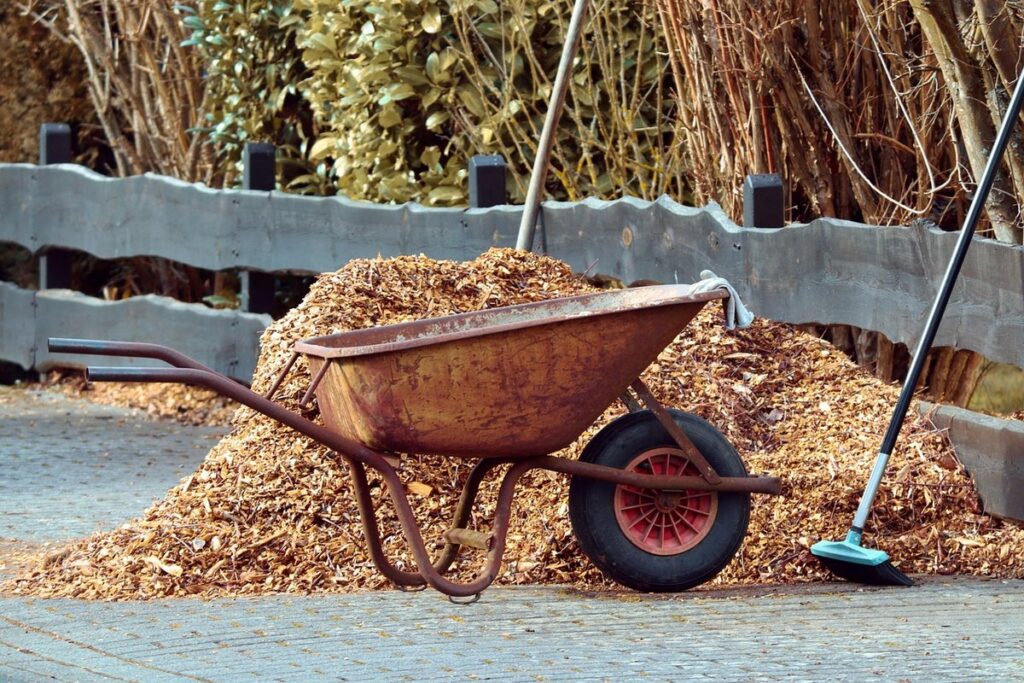
Preparing Your Lawn for Winter
Before winter hits, it’s crucial to prepare your lawn by clearing dead plants and debris to prevent damage from snow and ice. This step will also give your yard a head start on a healthy recovery come spring.
Assessing Your Current Mulching Needs
Before you can start preparing your lawn for winter with mulch, it’s essential to assess whether your lawn needs mulching at all. Take a walk around your yard and observe the condition of your soil and plants. If you notice signs of mulch degradation, such as discolored or rotting mulch, it’s likely time to reapply a fresh layer.
Similarly, if you’ve noticed an increase in weeds, a decrease in grass growth, or a decline in soil fertility, these could be indicators that your lawn needs replenishing with new mulch. Soil depletion is another sign that your lawn may benefit from mulching, especially if the soil feels compacted or appears to be lacking nutrients.
Look for areas where water tends to collect after rainstorms – this can be an indicator of poor drainage and a need for organic matter like mulch. Also, check the color and texture of your plants; pale or limp leaves may suggest a lack of essential nutrients that mulch can provide. By taking these observations into account, you’ll be able to determine if your lawn requires mulching before winter sets in.
Choosing the Right Type of Mulch
When it comes to choosing the right type of mulch for winter protection, you’ve got several options. Let’s break down some of the most popular types and their benefits.
Organic mulches, like wood chips or leaves, are a great choice for winter because they’re environmentally friendly and can help retain moisture in the soil. These materials also provide weed suppression, which is essential during the dormant season when weeds can thrive. However, keep in mind that organic mulches may need to be replenished more frequently due to decomposition.
Inorganic mulches, such as rubber or plastic, are another option for winter protection. They offer long-lasting weed control and moisture retention but lack the aesthetic appeal of their organic counterparts.
Wood-based mulches like cedar or cypress are also popular choices for winter mulching. These materials have natural oils that repel insects and can help prevent root damage from rodents. Plus, they add a pleasant aroma to your yard while providing attractive color and texture.
When selecting a type of mulch, consider factors like moisture retention, weed suppression, and aesthetic appeal. This will help you choose the best option for your specific needs and ensure your lawn looks its best all winter long.
Benefits of Using Mulch During Winter
Using mulch during winter can have a significant impact on your yard’s health and appearance, helping to protect against harsh weather conditions and more. Let’s dive into the benefits of incorporating mulch into your winter landscape care routine.
Soil Health and Fertility
Mulch plays a crucial role in maintaining soil health during winter. One of its primary functions is to regulate temperature fluctuations. When applied correctly, mulch helps insulate the soil, keeping it cooler in the summer and warmer in the winter. This consistent temperature regulation encourages microorganisms in the soil to thrive, breaking down organic matter and releasing essential nutrients for plant growth.
Mulch also prevents erosion by protecting the soil from wind and rain damage. As water penetrates the mulched layer, it is absorbed by the plants or evaporates quickly, reducing runoff and preventing soil compaction. This helps maintain the soil’s structure, ensuring that roots can grow deeper and absorb more nutrients.
By retaining moisture in the soil, mulch reduces the need for frequent watering. This not only saves time and resources but also minimizes the risk of overwatering, which can lead to disease and pest issues. A 2-3 inch layer of organic mulch is ideal for maintaining soil health during winter, so be sure to replenish your supply as needed to ensure optimal results.
Winter Pest and Weed Control
As winter sets in, your lawn can become vulnerable to pests and weeds that thrive in the cold weather. Mulch plays a crucial role in preventing this damage by creating an impenetrable barrier between the soil and potential invaders.
One of the primary benefits of using mulch during winter is its ability to deter rodents from burrowing into your lawn. Rodents like mice and voles can cause significant damage to your grass, but a thick layer of mulch will discourage them from digging in. Insects like ants and earwigs are also less likely to infest your lawn when covered with mulch.
Mulch also suppresses weeds that try to grow through the snow by blocking sunlight and preventing seed germination. This means you won’t have to worry about pesky weeds poking their heads out of the soil come springtime. Regularly replenishing your mulch supply during winter will keep these pests at bay, ensuring a healthy and weed-free lawn when the weather warms up.
Applying Mulch in the Fall vs. Spring
When it comes to mulching, timing can make a big difference in its effectiveness and benefits for your lawn. Let’s weigh the pros and cons of applying mulch in fall versus spring.
Fall Application: Pros and Cons
Applying mulch in the fall has several benefits that can significantly impact the health of your lawn. One of the primary advantages is that it helps reduce moisture loss during the winter months. Mulch acts as a barrier, preventing water from evaporating and minimizing the risk of soil freezing. This means that when spring arrives, your lawn will have a head start on recovering from the cold weather.
Additionally, fall mulching can also help suppress weed growth in the spring. By covering the soil with a layer of organic material, you create an environment where weeds struggle to germinate and grow. This is especially beneficial if you’re dealing with pesky weeds like dandelions or clover.
However, there’s one potential drawback to consider: increased risk of mulch decomposition before winter. If you apply too thick of a layer or use mulch that breaks down quickly, it may decompose before the cold weather sets in. To avoid this issue, make sure to apply 2-3 inches of mulch at most and choose materials with high carbon-to-nitrogen ratios for slow decomposition.
Spring Application: Pros and Cons
When considering when to apply mulch to your lawn, spring is another popular option. While it’s true that warmer weather makes application easier, there are some potential drawbacks to keep in mind.
One of the main advantages of applying mulch in the spring is that the soil has had a chance to warm up and dry out slightly after winter. This makes it easier for the mulch to settle evenly and prevent moisture from accumulating around the plants’ roots. Additionally, spring weather often brings plenty of rainfall, which can help keep the mulch moist without needing frequent watering.
However, there’s also a risk that spring mulch may not retain moisture as effectively as fall-applied mulch. This is because the soil is still quite cool and damp in the spring, which can cause the mulch to break down more quickly. Furthermore, if you live in an area with hot summers, spring-mulched plants may be vulnerable to drought stress later on.
Ultimately, whether or not to apply mulch in the spring depends on your specific climate and lawn conditions. If you do choose to mulch in the spring, be sure to apply a thinner layer (about 2-3 inches) to avoid creating an environment that’s too humid for root growth.
Common Mulch Mistakes to Avoid
When it comes to mulching, there are several common mistakes that can actually do more harm than good to your lawn. Let’s take a closer look at these mistakes and how to avoid them.
Over- or Under-Mulching
When it comes to applying mulch to your lawn during winter, it’s easy to get carried away and either over-mulch or under-mulch. While mulch is a wonderful way to protect your soil from harsh winter conditions, too much of a good thing can be detrimental.
Applying too little mulch can leave your soil exposed and vulnerable to erosion and temperature fluctuations. This can lead to an increase in weed growth as weeds are able to sprout up more easily without competition from established plants. On the other hand, over-mulching can cause soil suffocation by preventing water and air from reaching the roots of your plants.
As a general rule, it’s best to apply 2-3 inches of mulch, keeping it about an inch away from plant stems. This allows for adequate protection without compromising soil health. Remember to also replenish mulch as needed throughout the winter months to maintain its effectiveness.
Incorrect Mulch Depth and Spread
When it comes to mulching your lawn during winter, getting the application right is crucial. Unfortunately, many homeowners make the mistake of applying too much or too little mulch, which can lead to a host of problems.
One common issue with incorrect mulch depth and spread is that it creates an ideal environment for pests to thrive. When mulch is piled too high, it can retain moisture and create a cozy habitat for insects like ants, termites, and rodents. These pests can then infest your yard, damaging plants and potentially even spreading disease.
Another problem with uneven mulch application is that it allows weeds to grow through the mulch. If the mulch layer is too thin or uneven, weeds can easily sprout up through the gaps, competing with your desired plants for water and nutrients.
To avoid these issues, aim for a mulch depth of 2-3 inches and spread it evenly around plants. Also, be sure to keep a small gap (about 1 inch) between the mulch and any plants or structures to prevent moisture buildup and pest infestations.
Winter Mulching Tips for Specific Climate Zones
When choosing the right mulch for winter, it’s essential to consider your specific climate zone, as different regions have unique needs and challenges. Check out our tips below for a healthy yard.
Cold Climates (USDA Hardiness Zone 3-5)
In cold climates within USDA Hardiness Zones 3-5, choosing the right mulch and application technique is crucial for protecting your yard from harsh winter conditions. Thicker layers of mulch provide added protection against extreme temperatures and moisture fluctuations.
For these regions, organic mulches like wood chips or bark work well due to their ability to retain heat and suppress weed growth. Aim to apply a 3-4 inch layer of mulch around plants, taking care not to pile it too high near tree trunks. This will help prevent water from accumulating and causing root rot.
It’s also essential to choose mulches that can withstand freezing temperatures without breaking down or becoming soggy. Hardwoods like oak or maple are good options as they maintain their structure even when wet. Be sure to apply a fresh layer of mulch each spring to replenish what may have broken down over the winter months and to maintain optimal soil health.
By following these guidelines, you can create a protective barrier for your yard that will help it thrive through even the coldest winters.
Mild Winters (USDA Hardiness Zone 8-10)
In milder winter climates, USDA Hardiness Zones 8-10, lawn mulch can be a double-edged sword. On one hand, it provides essential protection for your yard during the coldest months. However, excessive moisture retention and pest activity are potential issues you should be aware of.
When temperatures are mild, mulch can act as a sponge, holding onto water and creating an ideal breeding ground for pests like rodents, slugs, and snails. This can lead to damage to your plants and even create unsanitary conditions in your yard. To mitigate this risk, consider using organic mulches that are more breathable than traditional ones, such as pine straw or bark chips.
Regularly inspect your mulched areas for signs of pest activity, and take action promptly if you notice any issues. You can also use physical barriers, like fine mesh or copper tape, to deter pests from entering the area. By being mindful of these potential issues, you can enjoy the benefits of winter mulching in milder climates while minimizing the drawbacks.
Frequently Asked Questions
Can I use mulch on slopes or uneven terrain?
While it’s possible to apply mulch on sloping areas, it can be more challenging due to the risk of erosion and uneven coverage. Consider using a geotextile fabric or landscape edging to stabilize the soil before applying mulch. This will help prevent mulch from washing away during winter rain and snowmelt.
How often should I reapply mulch in areas with high foot traffic?
Reapplying mulch regularly is essential for maintaining its protective benefits, especially in high-traffic areas where it can become compacted or damaged. Plan to reapply a fresh layer of 2-3 inches every 6-12 months, depending on the type of mulch and weather conditions.
Can I mix different types of mulch together?
Mixing different types of mulch can create an attractive texture and visual interest in your yard. However, be cautious not to combine mulches with significantly different decomposition rates or textures, as this can lead to uneven coverage and potential pest issues.
Is it safe to apply mulch near plants that produce flowers or fruits?
Generally, yes. Most types of mulch are safe for use around edible plants and flowers, but take care to avoid over-mulching, which can cause moisture buildup and encourage fungal growth.
Can I use mulch on lawns with existing irrigation systems?
Yes. Mulch is a great way to help conserve water in your lawn by reducing evaporation and retaining soil moisture. Just be sure to apply it evenly, avoiding any gaps or channels that could compromise the effectiveness of your irrigation system.