
As we approach the end of summer, many of us might think that our gardens have said goodbye to their vibrant blooms. But what about those hardworking bees? They still need our help in late summer to stockpile nectar and pollen for the cold winter months ahead. By choosing the right flowers, you can create a bee-friendly haven in your own yard. In this article, we’ll explore some of the best late summer flowers for bees, including sunflowers, cosmos, and zinnias. We’ll also share expert gardening tips on how to plant these blooms to attract pollinators like honeybees, bumblebees, and solitary bees. With these simple yet effective steps, you can transform your garden into a pollinator paradise that will provide for local bee populations throughout the seasons.
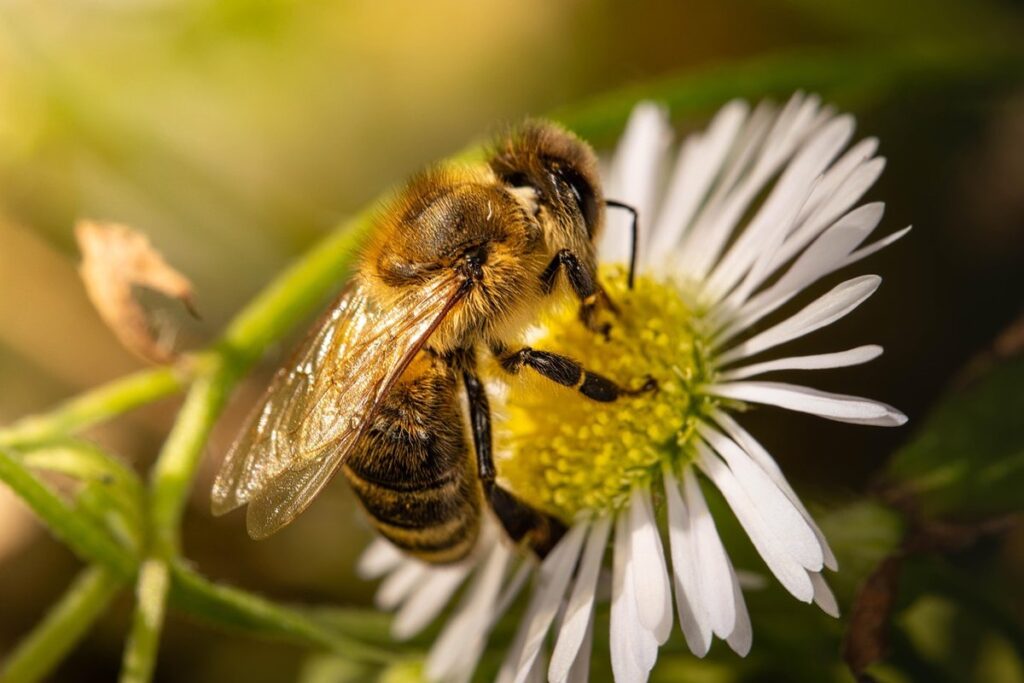
The Importance of Late Summer Blooms for Bees
As we’ve discussed the best late summer flowers for bees, it’s essential to understand why these blooms are crucial for their survival during this time. Without them, our pollinators would struggle to find the nectar and pollen they need to thrive.
Bee Decline and Its Impact on Ecosystems
Bee populations have been declining at an alarming rate, with some species facing extinction. This decline has far-reaching consequences for ecosystems, including reduced crop yields and decreased food security. Bees pollinate over 75% of the world’s crop species, including fruits, vegetables, nuts, and seeds.
Without bees to transfer pollen between flowers, many plants are unable to reproduce. This can lead to a loss of biodiversity, as fewer plant species are able to thrive. In addition to the economic impacts, a decline in bee populations also has significant environmental consequences, including soil erosion and reduced water quality.
One of the main drivers of bee decline is the lack of food sources during late summer. Bees need a constant supply of nectar-rich flowers throughout the growing season, but many gardens and landscapes are barren by autumn. By planting bee-friendly flowers in late summer, you can help support these vital pollinators and contribute to the health of ecosystems worldwide. Consider adding plants like asters, goldenrod, or sedum to your garden to provide a much-needed food source for bees during this critical period.
What Makes a Good Bee-Friendly Flower?
When choosing bee-friendly flowers, it’s essential to consider their characteristics that make them appealing to pollinators. One key aspect is nectar-rich blooms, as bees rely heavily on this energy source for sustenance. Look for flowers with high nectar content, such as lavender, coneflowers, and black-eyed Susans.
Another crucial factor is the flower’s petal structure. Bees prefer single-petaled flowers, like daisies and sunflowers, over double-petaled varieties. The latter often require bees to expend extra energy by vibrating their wings to access nectar, making it a less efficient option. Opt for single-petaled blooms that allow bees to easily access the nectar.
Consider planting a mix of annuals and perennials, as these will provide a constant source of nectar throughout the late summer months. Be sure to select flowers that are native to your region or have similar growing conditions to ensure they thrive in your garden. By incorporating these characteristics into your flower selection, you’ll be creating a haven for bees to feed, nest, and thrive in your garden during late summer.
Choosing Late Summer Flowers That Attract Bees
When selecting late summer flowers for your garden, choosing varieties that attract bees is crucial to support these vital pollinators during their most active period. Consider the following bee-friendly blooms.
Top 10 Late Summer Flowers for Bees
When it comes to attracting bees to your garden during late summer, choosing the right flowers is crucial. Here are ten fantastic options that will not only provide a haven for these busy pollinators but also add color and vibrancy to your outdoor space.
- Bee Balm (Monarda didyma) – This fragrant perennial blooms from mid-summer to early fall, producing tubular flowers in shades of red, pink, and purple that are rich in nectar and pollen.
* Growth conditions: Partial shade to full sun, well-draining soil
* Maintenance requirements: Deadhead regularly, prune back after flowering to encourage new growth
- Lavender (Lavandula spp.) – A low-maintenance favorite, lavender produces spikes of purple flowers in late summer that are a hit with bees.
* Growth conditions: Full sun, well-draining soil
* Maintenance requirements: Prune back after flowering to promote new growth
- Zinnia (Zinnia spp.) – These colorful annuals come in a range of varieties and bloom from mid-summer to early fall.
* Growth conditions: Full sun, well-draining soil
* Maintenance requirements: Deadhead regularly to encourage more blooms
How to Plant a Bee-Friendly Garden
Creating a bee-friendly garden is a thoughtful and rewarding way to support these vital pollinators. To get started, consider companion planting, which involves pairing plants that attract bees with those that provide nectar-rich flowers for their hives. For example, plant sunflowers alongside lavender, as the tall stalks of sunflowers create a natural shelter from predators while the lavender provides a rich source of nectar.
When selecting native plants, look for species that are native to your region and have evolved over time to coexist with local bee populations. These plants will be more resilient to pests and diseases, reducing the need for pesticides. For instance, in North America, consider planting coneflowers (Echinacea spp.) or black-eyed susans (Rudbeckia hirta), which are both rich in nectar and pollen.
To minimize pesticide use, opt for natural gardening methods like composting, crop rotation, and biological pest control. These approaches not only reduce chemical exposure to bees but also promote a healthier ecosystem. By incorporating these strategies into your garden design, you’ll be creating a haven that supports the well-being of local bee populations.
Tips for Supporting Local Bee Populations Through Flowers
To really make a difference, consider incorporating these simple tips into your gardening routine to support local bee populations through your flower choices. This is where some intentional planning comes in.
Creating a Bee Hotel or Bug House
As we continue to explore ways to support local bee populations through flowers, it’s essential to consider providing shelter for solitary bees. These vital pollinators need a safe place to nest and lay their eggs during the late summer months when many flowers are still in bloom.
Building or purchasing a bee hotel is an excellent way to offer solitary bees a cozy home. A bee hotel typically consists of a series of tubes or hollow reeds that provide a snug space for solitary bees to nest. You can purchase pre-made bee hotels or get creative and build your own using materials like bamboo, wood, or even reclaimed pallets.
When selecting materials for your bee hotel, consider using untreated woods like cedar, cypress, or pine. Avoid using pressure-treated wood, as it can harm the bees. Place your bee hotel in a sunny spot with good air circulation to ensure the solitary bees are comfortable and protected from the elements.
To attract even more pollinators to your garden, consider placing multiple bee hotels at different heights and locations. This will provide a variety of habitats for solitary bees and other beneficial insects like butterflies and ladybugs.
How to Choose the Right Location for Your Bee-Friendly Garden
When it comes to creating a bee-friendly garden, choosing the right location is just as crucial as selecting the perfect flowers. Bees are attracted to gardens with certain conditions that provide them with the resources they need to thrive.
First and foremost, consider the amount of sunlight your garden receives. Bees prefer full sun to partial shade, so if possible, choose a spot that gets at least six hours of direct sunlight per day. This will not only give your flowers a chance to bloom but also provide bees with warmth to fly and forage.
Next, think about the soil quality in your chosen location. Bees are often attracted to areas with rich, well-drained soil that is high in nutrients. If your soil is poor, consider adding compost or organic matter to improve its fertility.
Water is also essential for a healthy bee-friendly garden. Ensure that your chosen spot has access to a reliable water source, such as a birdbath or shallow dish filled with fresh water. Bees need water to drink and cool their bodies, so make sure it’s easily accessible.
When selecting a location, observe the natural surroundings of your garden. Look for areas where bees are already present, such as near bee hotels or apiaries. This will give you an idea of the types of flowers that thrive in that area and provide valuable insights for planning your own garden.
Additional Tips for Encouraging Bees in Late Summer
As we navigate late summer, it’s essential to keep our gardens buzzing by incorporating a few final tips to attract and support these precious pollinators. Here are some expert advice for creating a bee-friendly haven.
What to Avoid Planting in Your Bee-Friendly Garden
When creating a bee-friendly garden in late summer, it’s essential to be aware of plants that can repel or harm our busy pollinators. While flowers are the main focus of this section, some non-flowering plants and those in specific families can pose a threat to bees.
One notable example is the daffodil family (Narcissus spp.), which contains chemicals called alkaloids that repel aphids but also deter bees from visiting their flowers. This might not seem like a significant issue, but if you’re trying to create an inviting space for pollinators, it’s best to avoid planting these bulbs altogether.
Some other plants to steer clear of in your bee-friendly garden include:
• Chrysanthemum and aster families (Asteraceae), which contain pyrethrins that can be toxic to bees
• Hyacinths (Hyacinthus orientalis) and lilies (Lilium spp.), whose pollen and nectar are difficult for bees to access due to their complex structures
When selecting plants for your late-summer bee garden, remember that even well-meaning additions can inadvertently harm our pollinators. By knowing which plants to avoid, you’ll be one step closer to creating a welcoming environment for these precious creatures.
How to Provide a Source of Water for Bees
As we explore late summer flowers that bees adore, let’s not forget about another essential aspect of bee-friendly gardening: providing a source of water for these busy pollinators. Bees need access to fresh water for drinking and cooling their bodies, especially during the hot summer months.
To create a bee-friendly water source, consider using shallow dishes or birdbaths with fresh water. Place them in an area that receives partial shade to prevent the water from becoming too hot. Change the water frequently to keep it clean and free of debris. You can also add rocks or twigs for bees to land on while accessing the water.
Some popular bee-friendly options include shallow dishes made from ceramic, plastic, or metal. A birdbath with fresh water is another great option, as long as it’s not too deep for the bees to comfortably access. For example, a birdbath with a built-in fountain can be an excellent choice.
Case Studies: Success Stories from Bee-Friendly Gardens
Real gardeners share their inspiring stories of creating bee-friendly havens, showcasing the impact of late summer flowers on local pollinators in their neighborhoods. You’ll find practical lessons to apply to your own garden’s success.
Real-Life Examples of Bee-Friendly Gardens
One of the most rewarding aspects of creating a bee-friendly garden is seeing the impact it has on local pollinators. Let’s take a look at some inspiring stories from gardeners who have successfully created havens for bees.
In her lush suburban garden, Sarah from Ohio has noticed a significant increase in bee activity since she started planting late summer flowers like black-eyed susans and cosmos. She estimates that her bees are now three times more active than they were before, thanks to the bounty of nectar-rich blooms. What’s more, Sarah has observed an improvement in the overall health of her bees, with fewer instances of disease and pests.
Meanwhile, in California, Mark has created a pollinator paradise on his small urban lot. By incorporating a mix of late summer flowers like zinnias, sunflowers, and lavender into his garden design, he’s seen a dramatic increase in bee populations and diversity. Mark notes that his bees are now able to thrive year-round, rather than just during the peak spring and summer months.
These stories demonstrate the tangible benefits of creating a bee-friendly garden with late summer flowers. By incorporating these easy-to-grow plants into your own garden design, you can expect to see an increase in local pollinator activity and a healthier, more resilient ecosystem.
Lessons Learned from Successful Bee-Friendly Gardens
When visiting successful bee-friendly gardens, it’s easy to see what makes them thrive. One common practice is incorporating a mix of nectar-rich flowers that bloom throughout the seasons, including late summer. For example, Monarda ‘Cambridge Blue’ and Liatris spp. are excellent choices for their long blooming periods.
Another key takeaway from these gardens is the importance of providing bees with a constant water source. Many bee-friendly gardeners install shallow dishes or birdbaths with fresh water and a few rocks for perching. This allows bees to drink and cool down without drowning.
Successful bee-friendly gardens also tend to have diverse plant collections, often featuring native species that are adapted to local conditions. These plants provide essential habitat and food sources for pollinators, making them an ideal choice for any garden looking to support the local ecosystem.
Lastly, it’s clear that maintenance is crucial in these gardens. Regular watering, pruning, and deadheading ensure that flowers continue to bloom throughout the growing season. By adopting these practices, you can create a haven for bees in your own garden.
Getting Involved: How You Can Support Local Bees Through Flowers
Now that you’ve chosen some gorgeous late summer flowers for your garden, it’s time to think about how to support the bees they attract. In this next step, we’ll explore ways to get involved and help these pollinators thrive.
Joining a Local Gardening Community or Beekeepers’ Association
Joining a local gardening community or beekeepers’ association can be a fantastic way to connect with like-minded individuals who share your passion for pollinators. Not only will you gain access to valuable resources and expertise, but you’ll also have the opportunity to network with fellow gardeners and bee enthusiasts.
By joining a local group, you’ll be able to tap into a wealth of knowledge on topics such as flower selection, hive management, and integrated pest control methods. Many associations offer workshops, lectures, and hands-on training sessions that can help you improve your gardening skills and learn from experienced beekeepers. For example, the Urban Beekeepers Association in New York City offers regular meetings, workshops, and online forums for its members to share knowledge and best practices.
In addition to networking opportunities, being part of a local community can also provide access to exclusive events, seed swaps, and plant sales. These events not only bring people together but also foster a sense of collaboration and mutual support among gardeners and beekeepers. To get started, search online for local gardening groups or beekeeping associations in your area and reach out to them via email or social media to learn more about their membership requirements and benefits.
Participating in Pollinator Conservation Efforts
Participating in pollinator conservation efforts is easier than you think. As we’ve discussed various late summer flowers that are perfect for bees, it’s essential to explore initiatives and programs that support pollinator conservation. One of the most notable examples is the creation of bee hotels. These structures provide a safe haven for solitary bees to nest and lay their eggs.
Many organizations offer guides on how to build your own bee hotel using natural materials like bamboo or straws. The Xerces Society, for instance, provides detailed instructions and templates for building bee hotels that cater to different species. You can also participate in citizen science projects, such as monitoring local pollinator populations through apps like BeeSpotter or iNaturalist.
Joining local gardening clubs or volunteer groups is another great way to get involved. These organizations often partner with conservation efforts and offer hands-on experience in planting pollinator-friendly flowers, maintaining bee habitats, and tracking population data. By participating in these initiatives, you’ll not only be supporting local bees but also contributing to a larger movement that aims to protect these vital pollinators.
Conclusion: Creating a Lasting Impact Through Late Summer Flowers for Bees
As we near the end of our journey through late summer flowers, it’s time to think about how these blooms can have a lasting impact on your local bee population. Let’s explore some final thoughts and ideas for maximum pollinator support.
Recap of Key Takeaways
As we conclude our journey through late summer flowers for bees, let’s take a moment to recap the key takeaways. By incorporating these simple yet impactful steps into your garden, you’ll be providing a vital source of food and habitat for pollinators during their most critical period.
First and foremost, we’ve emphasized the importance of choosing bee-friendly plants that thrive in late summer. From sunflowers and zinnias to cosmos and black-eyed Susans, these flowers are not only a delight to behold but also offer a rich source of nectar and pollen for bees. Remember to select a variety of plants that bloom at different times to ensure a constant supply of resources.
In addition to planting bee-friendly flowers, we’ve highlighted the significance of maintaining a garden that provides shelter and nesting sites for solitary bees. This can be as simple as incorporating native grasses, leaving some areas of your garden untidy, or even installing a bee hotel. By taking these steps, you’ll be creating a haven for pollinators to thrive in.
Lastly, don’t forget the power of small actions. Whether it’s reducing pesticide use or providing a shallow dish of water for thirsty bees, every effort counts. By making these changes, you’ll be contributing to the well-being of your local bee population and supporting the critical role they play in our ecosystem.
Final Thoughts: Encouraging a Culture of Bee-Friendly Gardening
As we conclude our exploration of late summer flowers for bees, it’s essential to recognize that collective action can have a profound impact on pollinator populations. By incorporating bee-friendly gardening practices into your outdoor spaces, you become part of a larger movement working towards the preservation and support of these vital insects.
Consider this: every garden counts, regardless of size or location. Even a small plot of land can provide essential food sources for bees when populated with the right flowers. To encourage a culture of bee-friendly gardening, invite friends and family to join you in planting pollinator-friendly blooms. Share knowledge and resources to empower others to create their own bee havens.
Together, we can make a significant difference by adopting simple, sustainable practices like using native plant species, reducing pesticide use, and providing a constant source of nectar-rich flowers. By doing so, we contribute to the long-term health and resilience of pollinator populations – a vital step towards preserving biodiversity in our ecosystems.
Frequently Asked Questions
Can I still attract bees to my garden if I have a small space?
Yes, even the smallest gardens can support local bee populations with the right choices of late summer flowers. Consider using container gardening or vertical planters to maximize your space and choose compact varieties like dwarf sunflowers or petite cosmos.
How long do late summer flowers typically bloom for?
Late summer flowers usually bloom from mid-summer to early fall, providing a consistent source of nectar and pollen for bees over several weeks. However, some varieties may have shorter or longer blooming periods depending on factors like weather conditions and specific plant species.
What if I’m new to gardening – can I still create a bee-friendly garden?
Absolutely! Creating a bee-friendly garden requires minimal gardening expertise. Start by selecting easy-to-grow late summer flowers that require less maintenance, such as zinnias or cosmos. Follow basic gardening tips, like providing adequate sunlight and water, and you’ll be well on your way to supporting local bees.
Can I use pesticides in my bee-friendly garden?
No, using pesticides can harm or even kill bees visiting your garden. Instead, opt for organic pest control methods or integrated pest management (IPM) techniques that minimize chemical usage. This will ensure a safe haven for pollinators and support their overall health.
How often should I water my late summer flowers to attract bees?
Bees need access to water sources as much as they do nectar-rich flowers. Water your plants regularly, but avoid overwatering, which can lead to fungal diseases or root rot. Aim for about 1-2 inches of water per week, either through rainfall or supplemental watering, depending on local climate conditions.