
As we head into mid-summer, our gardens are usually in full bloom. But for pollinators like bees and butterflies, this is often a challenging time. Many flowers have already finished blooming, leaving these vital creatures searching for their next nectar fix. That’s where late flowering shrubs come to the rescue – providing a much-needed source of energy and sustenance during the summer months. By incorporating these shrubs into your garden design, you can create a pollinator-friendly haven that thrives all season long. In this article, we’ll explore our top picks for late flowering shrubs, expert tips for creating a pollinator-friendly garden, and how to make the most of these hardworking plants. Whether you’re a seasoned gardener or just starting out, get ready to discover the secrets to a thriving summer garden that’s a haven for pollinators!
Understanding the Importance of Late Flowering Shrubs
Late flowering shrubs are often overlooked, but they’re crucial for pollinators that have missed out on spring blooms. Let’s explore why these shrubs are vital to your garden’s ecosystem.
Attracting Pollinators in Mid-Summer
As mid-summer arrives, many plants have finished blooming, leaving pollinators searching for their next source of nectar and pollen. This is where late flowering shrubs come into play, providing a vital lifeline to these crucial creatures during a time when they need it most.
In reality, summer is often the driest season, with soil temperatures at their highest, making it a challenging time for plants to bloom. However, many late flowering shrubs are specifically adapted to thrive in these conditions and continue producing nectar-rich flowers long after other plants have stopped blooming. These shrubs act as a beacon of hope for pollinators, offering them the sustenance they need to survive.
Some excellent options for mid-summer pollinator support include shrubs like Hydrangea paniculata, Viburnum davidii, and Philadelphus coronarius. By incorporating these plants into your garden, you can create a haven for pollinators during this critical period. Consider planting multiple species together to extend the blooming season and provide a diverse range of nectar sources.
The Decline of Summer Nectar Sources
As we explore the importance of late flowering shrubs for pollinators, it’s essential to acknowledge the alarming decline of summer nectar sources. This trend has significant consequences for our beloved bees, butterflies, and other pollinators that rely on a continuous source of food throughout their growing season.
The primary issue lies in the shift from traditional, long-blooming plants to modern cultivars bred for showy flowers but with limited or no nectar production. For instance, many popular roses and lavender varieties are low-nectar producers, leaving pollinators searching for alternative sources. This scarcity of summer blooms can be devastating, particularly during critical periods when pollinators need an abundance of food to sustain themselves.
To mitigate this issue, gardeners and landowners can take a proactive approach by incorporating late flowering shrubs into their landscapes. By choosing varieties that not only provide vibrant blooms but also offer an adequate nectar supply, we can help bridge the gap in summer nectar sources. This simple yet impactful strategy can make a tangible difference for pollinators and contribute to their overall well-being throughout the growing season.
Choosing Late Flowering Shrubs for Your Garden
When selecting late flowering shrubs, it’s essential to choose varieties that will provide a vital source of nectar and pollen for pollinators in your garden. Look for shrubs with vibrant blooms.
Selecting Species Based on Climate and Soil Conditions
When selecting late flowering shrubs, it’s essential to consider the specific climate and soil conditions of your garden. This will ensure that the chosen plants not only thrive but also provide an optimal environment for pollinators.
In areas with hot summers and mild winters, look for shrubs that are heat-tolerant and drought-resistant. For instance, the Butterfly Bush (Buddleja davidii) is a popular choice in regions with high temperatures, as it attracts pollinators like butterflies and hummingbirds while requiring minimal watering.
On the other hand, if you live in an area with cool summers or harsh winters, opt for shrubs that can tolerate cooler temperatures. The Viburnum (Viburnum x burkwoodii) is a great option, as it produces fragrant flowers in late summer and early fall, attracting pollinators like bees and butterflies.
When evaluating soil conditions, consider the pH level and nutrient content. For example, acid-loving shrubs like the Mountain Laurel (Kalmia latifolia) prefer well-draining acidic soils with a pH between 4.5 and 6.0. In contrast, shrubs like the Rose (Rosa spp.) can tolerate a wide range of soil types but require regular fertilization to maintain healthy growth.
When selecting late flowering shrubs, make sure to research their specific needs and choose plants that are well-suited to your garden’s climate and soil conditions. By doing so, you’ll create an optimal environment for pollinators to thrive and enjoy a stunning display of summer blooms.
Incorporating Native Plants and Wildflowers
When choosing late flowering shrubs for your garden, it’s essential to consider incorporating native plants and wildflowers to support local pollinators. By doing so, you’ll be creating a haven that caters specifically to the needs of bees, butterflies, and other beneficial insects.
Native plants and wildflowers are particularly effective in supporting local pollinators because they’re adapted to the specific climate and soil conditions of your area. This means they require less maintenance, such as watering and fertilizing, which can be detrimental to nearby ecosystems. For instance, a study by the Xerces Society found that gardens featuring native plants had significantly higher bee populations compared to those with non-native species.
To incorporate native plants and wildflowers into your garden, start by researching the types of flowers that are native to your region. You can visit local nurseries or gardening clubs to learn more about the best options for your area. Once you’ve selected the right plants, make sure to plant them in clusters, as this will encourage pollinators to stay and feed. A general rule of thumb is to plant at least three species that bloom at different times to provide a constant source of nectar throughout the summer months.
Top Late Flowering Shrubs for Pollinator Support
If you’re looking to add a burst of color and support your local pollinators, consider these top late flowering shrubs that bloom from mid-summer to fall. They’ll thrive in your garden through autumn’s arrival.
Hydrangea: A Summer Bloomer with Abundant Nectar
Hydrangea is a popular summer bloomer that provides abundant nectar for pollinators. These shrubs are characterized by their large, showy flowers that range in color from pink to blue. Hydrangeas are relatively easy to grow and can thrive in a variety of conditions, making them an excellent choice for gardeners.
One of the key benefits of hydrangea is its ability to provide nectar throughout the summer months when other plants may be finished blooming. This is particularly beneficial for pollinators like bees, butterflies, and hummingbirds that are active during this time. The flowers also have a long vase life, making them a great choice for cut flower arrangements.
To incorporate hydrangeas into your garden, choose a variety that suits your climate and soil type. Some popular types of hydrangea include Bigleaf, Panicle, and Oakleaf. Be sure to plant them in a location with partial shade and consistent moisture. By doing so, you’ll be providing a valuable source of nectar for pollinators when they need it most.
Lavender: A Low-Maintenance Option
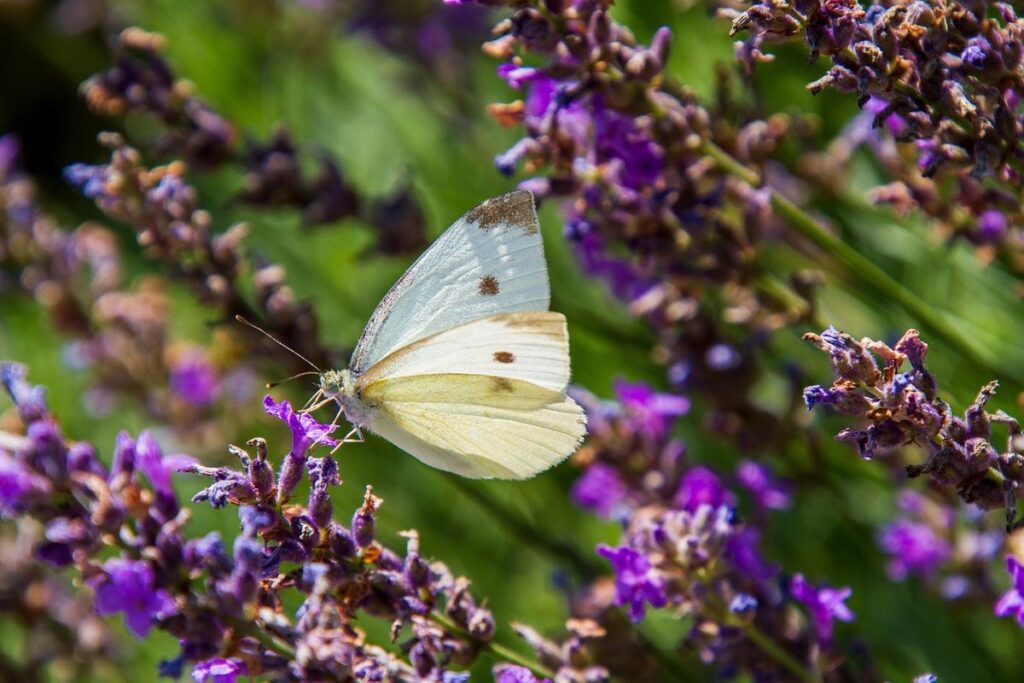
Lavender is often overlooked as a low-maintenance option for late summer blooms. However, this fragrant shrub thrives with minimal care and provides an array of benefits to pollinators. One key advantage of lavender is its ability to attract a variety of pollinators beyond just bees and butterflies. Hummingbirds are particularly drawn to the nectar-rich flowers, making it an excellent choice for attracting these birds to your garden.
To incorporate lavender into your pollinator-friendly garden, choose a location with well-draining soil and full sun exposure. Lavender requires minimal watering, reducing the risk of root rot and other issues common in wet soils. Prune established plants in late spring to promote new growth and encourage blooming. Plant multiple varieties together for extended blooming periods, creating a vibrant tapestry of colors that support pollinators throughout the late summer months.
Some popular lavender species include ‘Hidcote’, ‘Munstead’, and ‘Grosso’. When selecting a variety, consider factors such as bloom color, size, and fragrance to find the best fit for your garden.
Creating a Pollinator-Friendly Garden with Late Flowering Shrubs
To create a pollinator-friendly garden, incorporate late flowering shrubs that provide a vital source of nectar and pollen during the summer months when other blooms are fading. This section will highlight key considerations for planning such a garden.
Planting Strategies for Maximum Impact
When planting multiple late flowering shrubs together, it’s essential to consider their spacing and companion planting. This will not only create a visually appealing garden but also provide a constant source of nectar and pollen for pollinators throughout the summer months.
As a general rule, plant shrubs 3-5 feet apart to allow for proper air circulation and growth. However, some species like lavender and rosemary can be planted closer together (1-2 feet), as they have a more compact growth habit and benefit from being grouped together. For larger shrubs like hydrangea or spirea, space them 4-6 feet apart to accommodate their mature size.
When choosing companion plants for your late flowering shrubs, select species that bloom at different times to provide a prolonged source of nectar and pollen. Consider pairing early-blooming flowers like coneflower or black-eyed Susan with late-blooming shrubs like astilbe or weigela. This combination will attract pollinators from spring into fall, maximizing their visitation and benefiting the entire ecosystem.
Incorporating Other Pollinator Resources
In addition to late flowering shrubs, incorporating other pollinator resources into your garden can provide a constant source of nectar and pollen for these vital insects. Consider adding native plants that bloom throughout the growing season, such as coneflowers, black-eyed susans, and cosmos, which will attract a variety of pollinators like butterflies, bees, and hummingbirds.
You can also create a pollinator-friendly garden by incorporating host plants for specific butterfly species. For example, plant milkweed if you want to attract monarchs, or passionflower if you’re hoping to see gulf fritillaries. Remember that these plants will bloom at different times of the year, providing a continuous food source for pollinators.
To make your garden even more beneficial, consider adding a water feature like a birdbath or shallow dish filled with fresh water and a few rocks for landing sites. This will provide pollinators with a place to drink and cool off during hot summer days.
Tips for Encouraging Late Flowering in Existing Shrub Gardens
If you already have a shrub garden, but it’s not quite blooming when you’d like it to, there are some simple tips that can encourage late flowering. With a little TLC, your existing shrubs may surprise you with an unexpected burst of color.
Pruning Techniques for Promoting Blooms
When it comes to pruning techniques for promoting blooms in late flowering shrubs, timing is everything. For existing shrub gardens, prune as soon as the blooming season has finished, usually in early summer. This allows new growth to emerge and set flower buds for a second flush of blooms.
For species like Lavender (Lavandula spp.) and Rosemary (Rosmarinus officinalis), which tend to bloom on old wood, prune back about one-third of the oldest stems after flowering to encourage fresh growth and promote blooming. For shrubs like Hydrangea (Hydrangea spp.), which produce flowers on new wood, wait until late winter or early spring to prune.
For shrubs that bloom in late summer or early fall, such as Asters (Aster spp.) and Chrysanthemums (Chrysanthemum spp.), prune back deadheading (removing spent blooms) to encourage the plant to focus energy on producing more flowers. These plants often produce a second round of blooms in response to pruning.
By incorporating these pruning techniques into your routine, you can promote a second wave of blooms and provide pollinators with an extended source of nectar-rich flowers throughout the growing season.
Avoiding Chemicals and Supporting Healthy Soil Ecosystems
When it comes to creating an environment that’s conducive to late flowering, it’s essential to avoid using chemicals and support healthy soil ecosystems. Chemical fertilizers and pesticides can have a detrimental impact on the long-term health of your shrubs and the pollinators they attract.
Start by switching to organic gardening methods, such as composting kitchen scraps and using natural pest control measures like neem oil or diatomaceous earth. These alternatives may require some trial and error to find what works best for your garden.
Another crucial aspect is maintaining a balanced soil pH and nutrient levels. Test your soil regularly to determine its needs, and amend it accordingly with organic matter like compost or well-rotted manure. This will help create an environment where beneficial microorganisms can thrive, breaking down nutrients and making them available to your shrubs.
Some plants are more tolerant of poor soil conditions than others, but providing a nutrient-rich growing medium is key for optimal late flowering performance.
Maintaining a Late Flowering Shrub Garden: Ongoing Care and Support
Once you’ve planted your late flowering shrubs, it’s time to think about how to keep them thriving throughout the seasons. We’ll walk you through ongoing care tips for these beautiful blooms.
Watering and Fertilization Strategies
Maintaining healthy late flowering shrubs is essential for their continued blooming and pollinator support. Adequate watering and fertilization are crucial components of this ongoing care.
When it comes to watering, remember that these plants have developed to thrive in varying conditions. However, they still require consistent moisture, especially during periods of drought or heatwaves. Avoid overwatering, as this can lead to root rot and other issues. Check the soil’s moisture by inserting your finger into the soil up to two inches deep; if it feels dry, it’s time for watering.
In terms of fertilization, opt for slow-release formulas that provide nutrients throughout the growing season. Organic options like compost tea or fish emulsion are excellent choices, as they promote healthy microbial activity in the soil. Feed your shrubs during their active growth period, typically spring and early summer, but avoid fertilizing after mid-summer to prevent new growth that may not have time to harden off before winter.
Consider using a balanced fertilizer (10-10-10) for general maintenance, or follow the specific N-P-K ratio recommended by your plant supplier. Always read labels carefully and follow application instructions to ensure you’re providing the right amount of nutrients for your shrubs’ needs.
Monitoring for Pests and Diseases
As your late flowering shrub garden blooms throughout the summer months, it’s essential to keep an eye out for pests and diseases that can damage plants and impact pollinator health. Regular monitoring is key to preventing infestations and outbreaks, which can spread quickly if left unchecked.
Start by inspecting your shrubs regularly, looking for signs of pests like aphids, whiteflies, or spider mites on the undersides of leaves or on stems. Check for diseases such as powdery mildew, leaf spot, or root rot by examining plant foliage and soil conditions. To encourage beneficial insects, consider introducing natural predators like ladybugs or lacewings to your garden.
Maintain a clean and healthy environment by removing weeds that can harbor pests and diseases, and ensuring good air circulation around plants. Avoid overwatering, which can lead to root rot and other issues. Use organic or integrated pest management (IPM) methods whenever possible, opting for targeted solutions rather than broad-spectrum chemicals that can harm pollinators.
By staying vigilant and taking proactive steps, you can protect your late flowering shrubs from pests and diseases while supporting the health of pollinators in your garden.
Frequently Asked Questions
How can I integrate late flowering shrubs with existing plants to create a pollinator-friendly garden?
Integrating late flowering shrubs with existing plants is easier than you think! Simply choose shrubs that have similar growing conditions and space requirements as your existing plants. Consider adding native wildflowers or grasses to complement the shrubs’ blooms, providing a diverse source of nectar for pollinators.
Can I still attract pollinators if my garden has poor soil quality?
Yes, you can still create a pollinator-friendly haven even with poor soil quality. Focus on selecting late flowering shrubs that are tolerant of various soil types and pH levels. Also, incorporate native plants that have adapted to your local environment and can thrive in challenging conditions.
What’s the best way to prune my late flowering shrubs for optimal pollinator support?
Pruning is essential for promoting blooms and encouraging healthy growth. For most late flowering shrubs, prune in early spring or late winter, removing any dead or damaged branches. This will help maintain shape, promote new growth, and encourage blooming.
How can I attract a wider variety of pollinators to my garden?
To attract a wider range of pollinators, incorporate a mix of shrub species that cater to different pollinator needs. For example, lavender attracts bees and butterflies, while hydrangea provides nectar for hummingbirds. Consider adding birdhouses or water features to create an even more diverse ecosystem.
What’s the best time to plant late flowering shrubs in my region?
The ideal planting time varies depending on your climate and region. In general, spring (March-May) or fall (September-November) are considered optimal seasons for planting late flowering shrubs. Avoid extreme temperatures, frost, or periods of intense rainfall when planting new shrubs.