
Late blight on tomato leaves is one of the most dreaded diseases for gardeners everywhere. If you’re like many growers, you’ve probably encountered this fungal disease at some point in your gardening journey. Late blight can spread quickly and decimate an entire crop, leaving you with a disappointing harvest and a lot of questions about what went wrong. In this article, we’ll delve into the causes and symptoms of late blight on tomato leaves, as well as effective prevention strategies to help you save your crops from this devastating disease. By understanding how to identify and manage late blight, you can take control of your garden’s health and enjoy a bountiful harvest all season long. We’ll cover it all, so keep reading to learn more about keeping your tomatoes safe from late blight.
Understanding Late Blight on Tomato Plants
Late blight can be a devastating issue for tomato growers, so let’s break down what causes it and how to identify its telltale symptoms.
What Is Late Blight?
Late blight is one of the most devastating fungal diseases affecting tomato plants worldwide. This disease has been a major threat to global tomato production for centuries, with historical records showing its impact on European crops during the 18th century. The Irish Potato Famine, which occurred in 1845-1852, was partly caused by late blight’s destruction of potato crops.
Today, late blight continues to pose a significant risk to commercial and home garden tomato growers alike. According to a study published in the journal PLOS ONE, late blight has been responsible for up to 90% crop loss in some regions during outbreaks. This is due to its ability to spread rapidly, even at low temperatures, making it challenging for farmers to control.
The impact of late blight on global tomato production cannot be overstated. With the world’s population projected to reach 9.7 billion by 2050, the need for reliable and sustainable food sources has never been more pressing. As a result, understanding and managing late blight is crucial not only for individual growers but also for the entire food industry.
To put this into perspective, consider that in 2012, a severe outbreak of late blight affected tomato crops in Belgium, resulting in losses valued at over €10 million (approximately $11.5 million USD).
Life Cycle of Late Blight Fungus
The life cycle of late blight fungus is a crucial aspect to understand in order to comprehend its devastating effects on tomato plants. The fungus, also known as Phytophthora infestans, begins its life cycle with the spore stage. These spores are produced on infected plant debris and can survive for extended periods on soil, water, and other surfaces. When conditions become favorable, usually during cool, wet weather, these spores germinate into motile zoospores.
These zoospores then infect tomato plants through natural openings such as lenticels or wounds caused by insects or mechanical damage. Once inside the plant, they multiply rapidly, causing the characteristic late blight symptoms of grayish-green lesions on leaves and stems. As the disease progresses, the fungus produces new spores that are dispersed through water droplets, further spreading the infection.
To break this cycle, it is essential to remove any infected plant material from the area, practice good sanitation, and maintain a clean growing environment.
Identifying Late Blight Symptoms on Tomato Leaves
When inspecting your tomato plants, it’s crucial to recognize the early warning signs of late blight to take action before the disease spreads. Look for these distinctive symptoms on your leaves.
Visual Characteristics of Infected Leaves
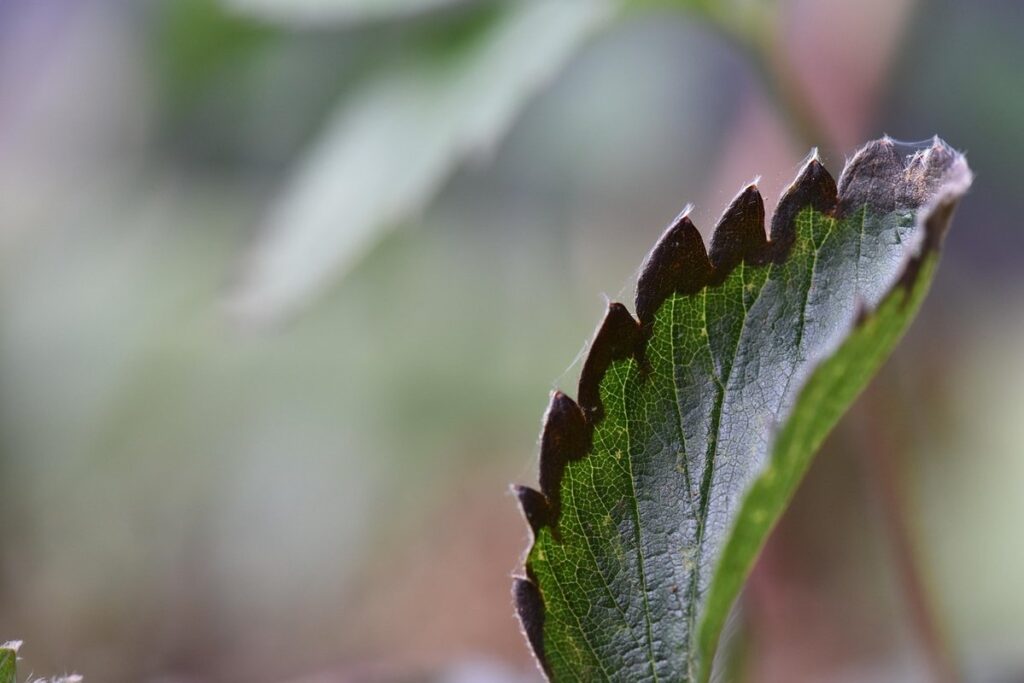
When tomato leaves are infected with late blight, they often display distinct visual characteristics that can be used to identify the disease. One of the primary symptoms is the appearance of lesions on the leaves. These lesions can start as small, yellowish spots and rapidly expand, developing into larger, irregularly-shaped patches that may have a grayish or brownish tint. In advanced stages, the lesions may exhibit a water-soaked appearance.
Discoloration is another common visual symptom of late blight infection. Affected leaves may develop a dull, mottled appearance, with some areas becoming yellow or pale green while others remain a deeper green color. This discoloration can be quite pronounced and may lead to defoliation as the affected leaves begin to wilt and drop from the plant.
In severe cases of late blight infection, defoliation can occur rapidly, leaving the plant exposed to environmental stressors. To detect these symptoms early on, it’s essential to regularly inspect your tomato plants for signs of late blight, particularly in areas with high humidity or rainfall.
Systemic Infection Signs
If left unchecked, late blight can cause systemic infections in tomato plants, leading to severe consequences for their growth, yield, and overall health. When a plant becomes systemically infected with late blight, it’s not just the leaves that are affected – the entire plant is impacted.
In such cases, you may notice symptoms like yellowing or browning of lower stems, as well as discoloration or spotting on fruit. This is because the fungal pathogen has spread from the initial point of infection to other parts of the plant through the vascular system.
As a result, infected plants often exhibit reduced growth rates and yields, becoming stunted and weakened over time. Systemic infections can also cause significant losses in tomato production if not addressed promptly.
To prevent systemic infections or identify them early, keep an eye out for yellowing or browning stems and leaves. Remove any affected parts immediately to contain the spread of the disease.
Factors Contributing to Late Blight Outbreaks
Let’s dive into the factors that contribute to late blight outbreaks, including temperature fluctuations and excess moisture, which can be a recipe for disaster.
Climate Change and Weather Conditions
Climate change has emerged as a significant contributor to the spread of late blight on tomato leaves. Rising global temperatures and changing precipitation patterns have created an environment conducive to the growth and proliferation of this disease-causing pathogen. Specifically, excessive moisture is a key factor that facilitates the development of late blight.
Temperature fluctuations also play a crucial role in the spread of late blight. When nighttime temperatures drop below 12°C (54°F), the fungus responsible for the disease becomes active, allowing it to infect tomato leaves rapidly. Conversely, high daytime temperatures above 25°C (77°F) can trigger the onset of senescence, making plants more susceptible to infection.
In regions with limited cold winters and prolonged growing seasons, late blight outbreaks are more common due to the continued presence of overwintering inoculum. This prolonged period of favorable conditions for the pathogen to grow and multiply contributes significantly to the severity of late blight epidemics.
To mitigate the impact of climate change on late blight, adopt a proactive approach by monitoring weather forecasts, maintaining optimal soil moisture levels, and implementing integrated disease management strategies that include crop rotation, sanitation practices, and judicious use of fungicides.
Soil Factors and Nutrient Deficiencies
Soil factors play a significant role in making tomato plants more susceptible to late blight. One critical soil factor is pH levels. Tomatoes prefer a slightly acidic to neutral soil pH, ranging from 6.0 to 7.0. If the soil pH is too high or too low, it can lead to nutrient deficiencies, making the plant more vulnerable to disease.
Nutrient deficiencies are another key factor in late blight susceptibility. Phosphorus (P), potassium (K), and magnesium (Mg) are essential nutrients for tomato plants, particularly during the reproductive stage. A deficiency in any of these nutrients can weaken the plant’s immune system, making it harder for the plant to fight off pathogens like Phytophthora infestans.
To identify nutrient deficiencies, check your soil test results or observe the plant’s symptoms. Yellowing leaves, stunted growth, and reduced fruit production are common indicators of nutrient deficiencies. If you suspect a deficiency, consider adjusting your fertilization schedule or adding organic matter to the soil. For example, compost can provide a slow release of nutrients, helping to maintain optimal levels throughout the growing season.
Managing Late Blight on Tomato Plants
Now that you know the causes and symptoms of late blight, let’s dive into some practical strategies for managing the disease on your tomato plants. Effective management starts with identifying early signs and taking swift action to prevent its spread.
Cultural Controls: Pruning, Sanitation, and Crop Rotation
When it comes to managing late blight on tomato plants, cultural controls play a crucial role in preventing outbreaks. This involves making intentional choices about how you care for your tomatoes, from pruning infected areas to rotating crops.
Pruning infected areas is an essential step in preventing the spread of late blight. Remove any leaves or stems that show signs of infection with a clean and sharp tool, disinfecting it between cuts to prevent the spores from spreading. This will not only help contain the disease but also give your plant the best chance of recovery.
Practicing good sanitation is also critical in preventing late blight outbreaks. Regularly inspect your plants for signs of infection and remove any infected debris or weeds that can harbor the fungus. Keep your garden clean by removing any crop residues, disinfecting equipment and tools, and washing your hands before handling healthy plants.
Crop rotation is another essential cultural control to prevent late blight. Move tomatoes to a different location each season to break the disease cycle and reduce the risk of infection. Consider rotating with other non-solanaceous crops like corn or beans, which are less susceptible to late blight. By implementing these practices, you can significantly reduce the likelihood of late blight outbreaks on your tomato plants.
Chemical Controls: Fungicides and Resistance Management
When it comes to managing late blight on tomato plants, chemical controls are often necessary to prevent severe disease outbreaks. Fungicides play a crucial role in controlling the spread of late blight, but their use requires careful consideration.
Selecting the right fungicide is essential for effective control. Look for products containing active ingredients such as chlorothalonil or mancozeb, which have been shown to be effective against late blight. When choosing a fungicide, also consider its residual activity and the time it takes to take effect. Some products may need to be reapplied frequently, while others provide longer-lasting protection.
To maximize effectiveness, timing is everything when applying fungicides. Apply them during the early stages of disease development, before symptoms become apparent on the leaves. This can often be identified through scouting and monitoring for signs such as yellowing or blackening of lower leaves.
However, fungicide use comes with a caveat: resistance management. Overuse of certain chemicals can lead to the emergence of resistant pathogens, rendering treatments less effective in future seasons. To mitigate this risk, rotate between different chemical classes, following a recommended rotation schedule provided by your local agricultural extension office or supplier.
Prevention Strategies for Commercial Growers and Gardeners
To avoid the devastating effects of late blight on your tomato crop, let’s dive into effective prevention strategies tailored to commercial growers and gardeners. We’ll explore methods to keep your plants safe.
Integrated Pest Management (IPM) Approach
Preventing late blight outbreaks requires a multifaceted approach that considers various aspects of plant growth and health. An Integrated Pest Management (IPM) approach is crucial for commercial growers and gardeners to prevent the spread of this devastating disease. IPM combines physical, cultural, chemical, and biological controls to minimize the risk of late blight.
Physical controls involve removing weeds and debris that can harbor the pathogen, as well as ensuring good air circulation around plants. Cultural controls include adjusting irrigation schedules to reduce moisture stress, rotating crops to break the disease cycle, and practicing crop sanitation. Chemical controls may be necessary in severe cases, but it’s essential to use fungicides judiciously and only when absolutely necessary.
Biological controls can also play a significant role in preventing late blight. For example, introducing beneficial microbes such as Trichoderma harzianum or Bacillus subtilis into the soil can help suppress fungal growth. Another effective biological control is using resistant varieties of tomatoes that are bred to withstand late blight infections. By incorporating these various controls into an IPM strategy, growers and gardeners can significantly reduce their risk of experiencing a late blight outbreak on tomato leaves.
Organic Controls: Compost Tea, Neem Oil, and Other Alternatives
When it comes to preventing late blight on tomato leaves, using organic controls can be an effective and environmentally-friendly approach. Compost tea is a great example of this – a liquid solution made by steeping compost in water that’s rich in beneficial microorganisms. These microbes can help suppress the growth of pathogenic fungi like Phytophthora infestans, the causal agent of late blight.
Another popular organic fungicide for managing late blight is neem oil. Derived from the seeds of the neem tree, this oil has been shown to inhibit fungal spore germination and mycelial growth. Neem oil can be used as a foliar spray or soil drench, making it a versatile tool in your fight against late blight.
When using these organic alternatives, remember to always follow label instructions for application rates and timing. It’s also essential to maintain good garden hygiene, removing infected plants and disposing of any plant debris to prevent the disease from spreading.
Conclusion: Late Blight Prevention and Future Directions
Now that you’ve learned how to identify and prevent late blight, let’s discuss future directions for managing this disease and keeping your tomato plants healthy.
Recap of Key Takeaways
As we conclude our exploration of late blight on tomato leaves, let’s recap the key takeaways that will help you prevent this devastating disease from affecting your crops.
The causes of late blight are complex and multifaceted, involving a combination of genetic factors, environmental conditions, and moisture levels. Understanding these underlying causes is crucial for developing effective prevention strategies. We discussed how cool temperatures, excessive rain, and high humidity create an ideal environment for the pathogen to thrive. Additionally, we touched on the importance of crop rotation, sanitation, and removing infected plants to prevent the spread of late blight.
To put these concepts into practice, consider implementing integrated pest management (IPM) strategies that include monitoring weather patterns, using disease-resistant varieties, and applying fungicides as a last resort. We also highlighted the importance of maintaining healthy soil, reducing nitrogen levels in fertilizers, and avoiding overwatering to prevent moisture-related stress on your plants. By incorporating these preventive measures into your gardening routine, you’ll be well-equipped to protect your tomato crop from late blight.
Future Research and Development Opportunities
To effectively manage late blight and protect tomato crops, it’s essential to explore new avenues for research and development. One area worth exploring is developing more effective fungicides that can target the specific strains of Phytophthora infestans causing late blight. This could involve studying the genetic makeup of the pathogen, identifying potential weaknesses in its cellular structure, or discovering novel modes of action against the disease.
Improving Integrated Pest Management (IPM) strategies is another crucial direction for future research. IPM involves combining physical, cultural, biological, and chemical controls to minimize the use of fungicides while maximizing their effectiveness. By incorporating more precise weather forecasting, soil analysis, and crop monitoring systems, farmers can make informed decisions about when and where to apply fungicides, reducing waste and environmental impact.
Researchers could also investigate the potential benefits of incorporating resistant varieties into IPM strategies, particularly in regions prone to late blight outbreaks. This might involve developing new breeding techniques or using genetic modification to introduce resistance genes into existing varieties.
Frequently Asked Questions
What can I do immediately to prevent late blight on my tomato plants, now that I understand its causes and symptoms?
After reading about the risk factors and visual characteristics of infected leaves, you’re probably eager to take action. To start preventing late blight, focus on maintaining good garden hygiene by removing any infected plant material, disinfecting pruning tools, and ensuring proper air circulation around your plants. This will help prevent the spread of spores and reduce the likelihood of infection.
How do I know if my tomatoes have been systemically infected with late blight, and what are the implications?
Systemic infections can be more challenging to identify than surface symptoms. If you suspect systemic infection, inspect your plant’s stems, fruit, and roots for signs of damage or discoloration. Systemic infections can lead to reduced yields, stunted growth, and potentially even plant death.
Can I still use compost tea as a fungicide if my garden has been affected by late blight in the past?
Yes, using compost tea as part of an integrated pest management (IPM) approach is still beneficial for maintaining soil health. However, it’s essential to ensure that your composting process includes proper temperature control and adequate carbon-to-nitrogen ratios to minimize any potential risks.
How often should I apply fungicides to prevent late blight outbreaks, especially in regions with a high disease pressure?
Fungicide application timing depends on several factors, including climate conditions, soil moisture, and the specific product being used. Generally, it’s recommended to apply fungicides at regular intervals (e.g., 7-10 days) during peak growing seasons or when disease pressure is high.
Can I integrate neem oil into my existing pest management plan for late blight without causing any negative interactions with other products?
No, it’s crucial to carefully evaluate the compatibility of neem oil with your current fungicide and pesticide applications. Neem oil can interact negatively with certain chemicals, potentially leading to reduced efficacy or even plant toxicity. Always consult product labels and conduct thorough risk assessments before combining different treatments.