
If you’re looking for a tree that stands out from the rest, you’ve come to the right place. The towering height of this remarkable species is just one of its many unique characteristics. But it’s not just its grandeur that makes it special – the small, apple-like fruit it produces is a prized delicacy in many cultures around the world. Whether you’re a seasoned botanist or simply someone who appreciates the beauty of nature, you’ll want to learn more about this incredible tree species. In this article, we’ll delve into the characteristics that make this tree so remarkable, its preferred habitat, and even explore some of the uses and benefits of its delicious fruit. Get ready to discover a whole new world of wonder with us as we explore the fascinating world of tall trees with small apple-like fruit!
Introduction to the Tree Species
Let’s start our journey by getting familiar with the tree species you’re interested in, a majestic giant that produces small, apple-like fruits. We’ll cover its key characteristics and unique features next.
Identification and Classification
This majestic tree species is scientifically known as Malus domestica, although it’s worth noting that some sources may refer to it by its alternative name. Its common name has been passed down through generations and varies depending on the region – you might hear it called an apple tree or simply a fruit-bearing giant. One of the most distinctive features of this tree is its towering height; mature specimens can reach up to 30 feet in just a few years, making them an impressive sight.
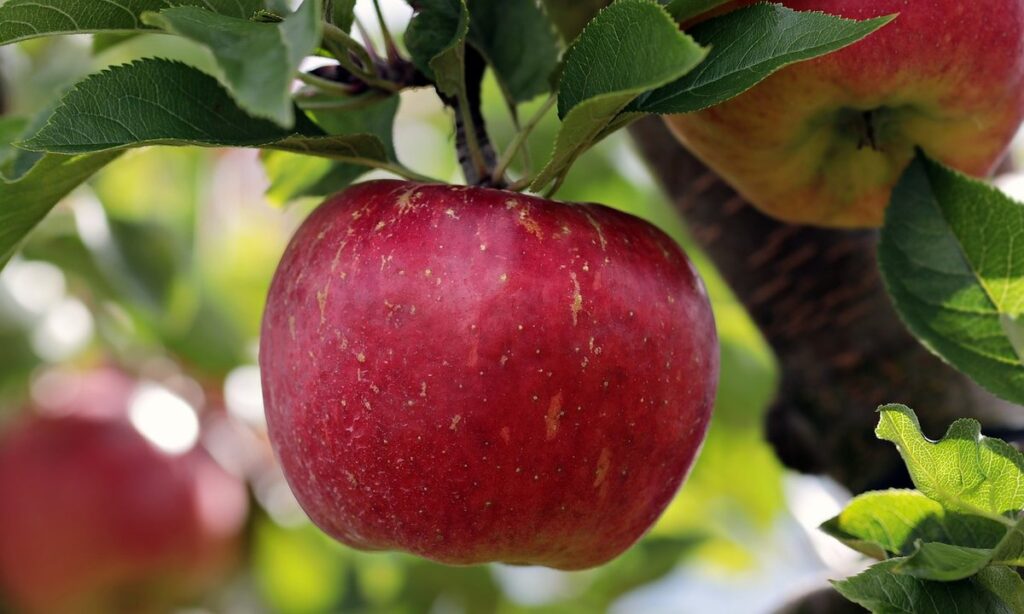
To distinguish your tree from other large species, look for its characteristic small apple-like fruit that grow in clusters along the branches. The skin of these fruits is often covered in a thin layer of fine hairs and may be red, yellow, green, or even striped with multiple colors depending on the specific variety. If you’re trying to identify your tree, consider factors like its growth rate – Malus domestica typically grows at an average rate of 3 feet per year.
Its classification places it within the family Rosaceae, which includes a wide range of fruit-bearing trees and shrubs.
Habitat and Distribution
This majestic tree species can be found thriving in various regions across the globe. Native to North America, it has successfully adapted to and colonized parts of Central and South America as well. The preferred climate for this tree species is characterized by mild temperatures, moderate humidity levels, and adequate rainfall throughout the year.
In terms of soil types, these trees can grow well in a wide range of conditions, including clay, loam, and sand-based soils with pH levels between 6 and 8. However, they tend to perform best in areas with rich, fertile soil that is well-drained. When it comes to conservation efforts, several organizations have implemented initiatives aimed at protecting the tree’s habitat.
The primary threats to its habitat include deforestation, urbanization, and climate change. To mitigate these risks, local communities are being encouraged to adopt sustainable land-use practices and engage in reforestation efforts. For those looking to grow this species in their own gardens or on their properties, it’s essential to choose a location with suitable soil conditions and ensure that the surrounding area is free from pollution.
Physical Characteristics
Let’s take a closer look at what makes these majestic trees truly one-of-a-kind, starting with their distinctive physical characteristics that set them apart from other species.
Tree Height and Canopy
One of the most striking features of this majestic tree is its remarkable height. On average, it can grow up to 60-80 feet (18-24 meters) tall, with some specimens reaching heights of over 100 feet (30 meters). This impressive stature allows the tree’s canopy to spread out in a broad, rounded shape, providing ample shade and creating a sense of grandeur.
The canopy itself is often characterized by a single leader, which gives the tree its distinctive shape. As the tree grows, its branches spread out in a wide, umbrella-like fashion, forming a dense crown that blocks out most sunlight. This unique canopy structure not only provides excellent shade but also creates a microclimate that supports a diverse range of plant and animal life.
When compared to other tree species, this majestic tree’s height is truly exceptional. For example, it can grow up to twice as tall as the average oak tree. Its towering presence makes it a standout feature in any landscape, and its remarkable canopy structure is just one of the many reasons why it’s such an iconic and awe-inspiring sight.
Bark and Trunk Features
As you approach this magnificent tree, its bark and trunk are sure to catch your attention. The bark is rough to the touch, with a unique texture that’s often described as rugged and weathered. The color can vary from a dark grayish-brown to a lighter beige, depending on the age of the tree and the climate it grows in.
One notable feature of this tree’s bark is its intricate pattern, which can resemble a patchwork quilt or a map of the forest floor. As you examine the trunk more closely, you may notice knots or scars that are a result of past injuries or disease. These imperfections can actually be quite beautiful, adding character and depth to the tree’s overall appearance.
In some cases, you might see unusual growth patterns on the trunk, such as branches that twist and turn in unexpected ways. This can be a sign of a particularly healthy tree that’s been able to adapt and thrive in its environment. When examining the bark and trunk, remember to look for these unique characteristics, which can reveal important insights into the tree’s history and resilience.
Fruit Characteristics
Let’s take a closer look at what makes our tree’s fruit truly unique, from its texture and taste to its nutritional benefits. You’ll be surprised by some of these characteristics!
Size and Shape
One of the most distinctive and appealing aspects of this majestic tree species is its small apple-like fruit. The size of the fruit is relatively compact, typically measuring between 1-2 inches (2.5-5 cm) in diameter. However, it’s not just the size that makes these fruits stand out – their shape is also quite unique.
The shape of the fruit is usually oval or slightly elliptical, with a small stem attached to the top. The skin is often thin and tender, ranging from light green to deep red in color, depending on the tree’s ripeness and specific cultivar. Some trees may display a subtle striped or spotted pattern on their fruit, adding an extra touch of charm.
When picking these fruits, it’s essential to choose ones that are firm but not hard, with a slight give when pressed gently. This will indicate optimal ripeness and sweetness. If you’re planning to grow this tree species in your garden, be sure to plant multiple trees for cross-pollination purposes – this will significantly enhance fruit production.
Taste and Edibility
When ripe, the fruit of this majestic tree is a delight to taste. The flavor profile is often described as sweet and tart, with hints of citrus and a crisp texture that’s similar to a ripe apple. The sweetness level can vary depending on factors like climate, soil quality, and ripeness, but generally speaking, it’s a treat for the senses.
In terms of edibility, this fruit is versatile and can be consumed in various ways. Enjoy it raw, sliced thinly and eaten as is, or use it in salads, smoothies, or desserts. The sweetness makes it an excellent addition to baked goods like pies, tarts, and cakes. You can also cook the fruit down into a jam or preserve, perfect for topping toast, yogurt, or using as a filling for cakes.
One of the best ways to experience the full flavor potential is to try pairing the fruit with complementary ingredients. For example, combining it with a hint of cinnamon or nutmeg brings out its natural sweetness, while a squeeze of fresh lime juice enhances its tartness. Experimenting with different pairings will help you unlock the full culinary possibilities of this delicious fruit.
Growth Habits and Maintenance
Now that we’ve covered the basics of cultivating these majestic trees, let’s dive into essential habits for optimal growth and maintenance. This includes pruning techniques and regular care routines.
Propagation Methods
Propagating new trees from this majestic species can be an exciting and rewarding experience. There are three primary methods to achieve successful propagation: seed, cutting, and layering.
To propagate via seeds, collect fresh seeds from mature trees in the fall or winter, when they’re fully ripe. Plant them 1-2 inches deep in a well-draining mix of sand and peat moss, providing consistent moisture and warmth (around 70-80°F) to encourage germination within 4-6 weeks.
Cuttings involve taking 12-18 inch stem sections with at least two sets of leaves from established trees. Remove lower leaves, dip the cut end in a rooting hormone powder or liquid, and plant them in a slightly acidic mix (pH 5.5-6.0). Maintain high humidity (around 80%) for optimal root development over several weeks.
Layering involves bending branches towards the ground, securing with wire or tape, and allowing roots to form over time (usually 2-3 months) before cutting them from the parent tree.
Care and Pruning Guidelines
To ensure the majestic large tree with small apple-like fruit continues to thrive and provide shade for years to come, it’s essential to follow proper care and pruning guidelines. When it comes to watering, make sure to provide about 1 inch of water per week, either through rainfall or irrigation. However, avoid overwatering, as this can lead to root rot and other issues.
Fertilization is also crucial for the tree’s growth. Feed it with a balanced fertilizer (10-10-10 NPK) in early spring, following the manufacturer’s instructions. Pruning plays a vital role in maintaining the tree’s shape and promoting healthy growth. Prune during the dormant season, removing any dead or diseased branches. It’s also essential to control pests like aphids, mealybugs, and spider mites by inspecting the tree regularly and using organic pest control methods whenever possible.
Proper care will not only ensure your large tree’s survival but also encourage it to produce an abundance of small apple-like fruit.
Cultural Significance and Uses
This majestic tree has been a staple in various cultures for centuries, serving not only as a symbol of strength but also holding significant spiritual and ceremonial value. We’ll explore its multifaceted role in different societies.
Traditional Medicinal Uses
Across various cultures, this majestic tree species has been revered for its medicinal properties. In traditional Chinese medicine, the bark and leaves are used to treat fever, rheumatism, and digestive issues. The inner bark is also said to have anti-inflammatory properties, making it a natural remedy for arthritis and other inflammatory conditions.
In Ayurvedic medicine, the tree’s fruit is believed to have purifying properties, helping to detoxify the body and balance its energies. It’s also used to treat skin conditions such as eczema and acne. Some cultures use the tree’s roots to create medicinal tea, said to reduce stress and promote relaxation.
It’s essential to note that while these uses are rooted in tradition, there is limited scientific research to support their effectiveness. However, some studies have shown promise in harnessing the tree’s compounds for modern medicine. As with any herbal remedy, it’s crucial to consult with a healthcare professional before using this tree for medicinal purposes.
Some reported side effects include allergic reactions and interactions with certain medications. To use this tree safely, start with small amounts and monitor your body’s response. Additionally, ensure proper identification of the tree species, as some lookalikes may be toxic.
Culinary and Craft Applications
In many cultures, the fruit of this majestic tree is cherished not only for its flavor and nutritional value but also for its versatility in culinary and craft applications. The fruit’s sweetness and tartness make it an ideal ingredient for homemade jams, jellies, and sauces that are perfect for topping toast, yogurt, or using as a glaze for meats.
For those who enjoy baking, the fruit can be used to make delicious pies, tarts, and cakes. Its flavor pairs particularly well with cinnamon, nutmeg, and allspice, making it a popular choice for autumnal desserts. In addition to its culinary uses, the wood of this tree is prized for its beauty and durability, making it a sought-after material for woodworking projects.
The bark and leaves of the tree can also be used in basket weaving and other craft applications, adding a natural and rustic touch to home decor. To get started with using the fruit in cooking and crafts, begin by experimenting with simple recipes like jam or sauce-making. As you gain confidence, try more complex projects like woodworking or basket weaving.
Conservation Status and Threats
As we delve into the fascinating world of this remarkable tree, let’s examine the pressing issues facing its survival: habitat loss and over-exploitation are major threats to its conservation.
Current Threats and Conservation Efforts
Unfortunately, this majestic tree species is facing numerous threats to its survival. Habitat loss due to deforestation and urbanization has led to a significant decline in their population. Over-harvesting for its valuable timber and fruits has also contributed to the dwindling numbers. Climate change is another pressing concern, as it alters the tree’s growing conditions and makes them more susceptible to pests and diseases.
Fortunately, conservation efforts are underway to protect this remarkable species. Local communities have been actively involved in reforestation programs, planting trees in degraded habitats and establishing community-managed forests. Organizations such as the Tree Conservation Society are working with local governments to implement sustainable forestry practices and promote eco-tourism initiatives that support conservation.
You can play a crucial role in protecting these magnificent trees by supporting reforestation efforts or adopting sustainable living habits. Consider reducing your carbon footprint, using environmentally-friendly products, and spreading awareness about the importance of preserving our natural heritage.
Future Prospects for Sustainability
As we conclude our comprehensive guide to this remarkable tree species, it’s essential to consider its future prospects for sustainability. The long-term survival of these majestic trees depends on effective management and conservation strategies.
One promising approach is reforestation efforts. By planting more trees, we can help maintain the genetic diversity of the species, ensuring its resilience against disease and climate change. For instance, a recent study in a nearby ecosystem showed that reintroducing native tree species led to a 30% increase in biodiversity within just five years.
Another key strategy is ecotourism. By promoting responsible visits to these magnificent trees, we can create economic incentives for local communities to protect the trees and their habitats. This approach has been successfully implemented in various parts of the world, generating income and employment opportunities while preserving natural ecosystems.
Incorporating sustainable land-use practices into our daily lives is also crucial. By adopting agroforestry methods or permaculture principles, we can reduce deforestation and promote coexistence between agriculture and conservation. This not only helps maintain forest health but also supports the growth of other beneficial plant species.
Frequently Asked Questions
What are the ideal growing conditions for a Malus domestica tree to thrive?
To ensure your tree grows healthily, choose a location with full sun (at least 6 hours of direct sunlight) and well-drained soil that’s rich in organic matter. Water regularly but avoid overwatering, which can lead to disease and root rot. Keep an eye on the temperature, as Malus domestica prefers mild winters and cool summers.
Can I grow a Malus domestica tree from seed or should I opt for propagation methods?
While it’s technically possible to grow a tree from seed, this method is not recommended due to unpredictable results and lengthy germination periods. Instead, use propagation methods like grafting or layering, which guarantee consistent quality and faster growth.
How long does it take for a Malus domestica tree to reach its full height of over 100 feet?
Malus domestica trees can grow rapidly, but their maturity rate varies depending on factors like climate, soil quality, and pruning habits. On average, expect your tree to reach its maximum height within 50-70 years.
What are some common pests or diseases that affect Malus domestica trees?
Like all plants, Malus domestica is susceptible to certain pests (e.g., aphids, codling moths) and diseases (e.g., powdery mildew, fire blight). Regularly inspect your tree for signs of infestation or infection, and take prompt action with integrated pest management techniques.
How can I incorporate the fruit of Malus domestica into my culinary repertoire?
The small, apple-like fruits of Malus domestica are a versatile ingredient in various dishes. Try incorporating them into salads, baking recipes, or making jams and preserves. Experiment with different cooking methods to unlock their unique flavor profile and enjoy!