
Are you tired of battling aphid infestations in your garden, only to see them come back time and time again? It’s time to introduce yourself to your new best friend: the ladybug! These tiny insects are a gardener’s secret weapon when it comes to controlling aphids naturally. Not only do they eat up to 60 times their own body weight in aphids, but they also play a crucial role in maintaining a balanced ecosystem. In this article, we’ll show you how to attract these beneficial bugs to your garden, raise them yourself, and use them to keep those pesky aphids at bay for good. Whether you’re a seasoned gardener or just starting out, learning how to harness the power of ladybugs can be a game-changer for your garden’s health and productivity.
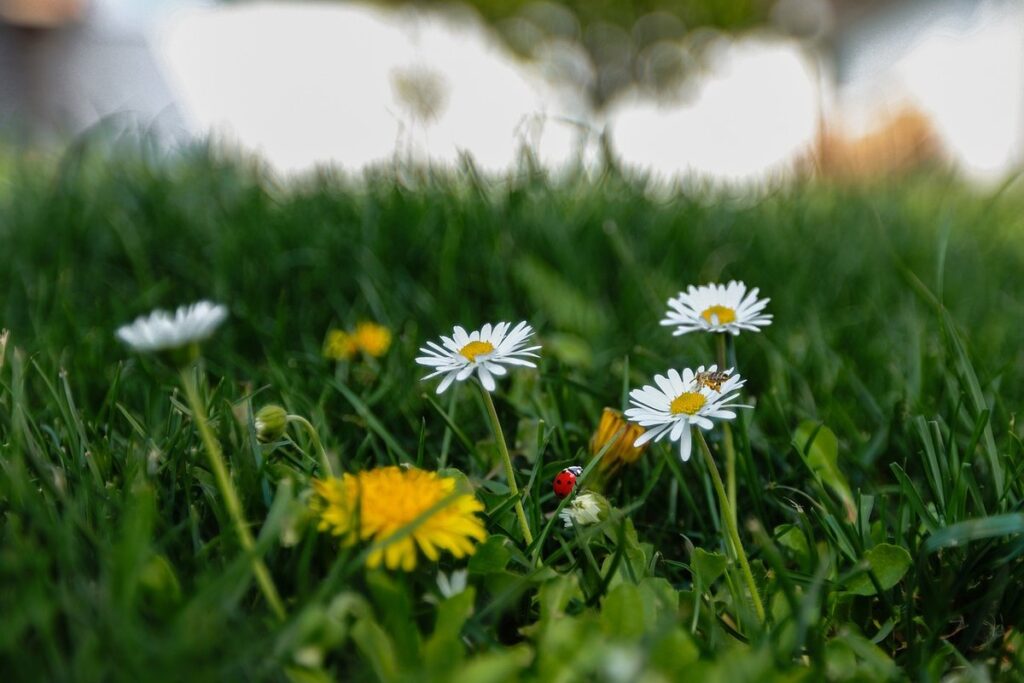
The Importance of Ladybugs in Gardens
Ladybugs are a gardener’s dream come true, and for good reason – these tiny beetles work tirelessly to protect your garden from aphid invasions. But what makes them so crucial to your plant’s health?
What Do Ladybugs Eat?
When it comes to what ladybugs eat, there’s no surprise here – they absolutely love aphids! In fact, a single ladybug can consume up to 60 aphids per hour. That’s a staggering amount of pest control in one tiny package.
The primary diet of ladybugs consists mainly of soft-bodied insects like aphids, scale insects, and mealybugs. They also feed on other small insects such as whiteflies and spider mites. But let’s be real – aphids are their absolute favorite snack!
In a study conducted by the University of California, researchers found that a single ladybug can eat up to 1,000 aphids in its lifetime. That’s equivalent to consuming about 5-6 apples per day! With numbers like these, it’s no wonder why ladybugs are such an essential part of maintaining a healthy garden.
If you’re looking to attract more ladybugs to your garden, make sure to provide them with plenty of food sources – including aphid-infested plants. This will encourage them to stick around and help keep those pesky pests under control.
Why Ladybugs Are Essential for Aphid Control
Ladybugs are often referred to as “good bugs” because of their essential role in controlling aphid populations. These tiny insects feed on aphids, which can cause significant damage to plants by sucking sap and spreading diseases. A single ladybug can consume up to 60 aphids per day, making them a valuable asset for gardeners.
Ladybugs are also crucial in maintaining a balanced ecosystem in gardens. By controlling aphid populations, they prevent the spread of plant viruses like potato virus X and Y, which can have devastating effects on crop yields. Additionally, ladybugs contribute to nutrient cycling by consuming decaying organic matter and recycling nutrients back into the soil.
To encourage ladybug populations in your garden, create a welcoming environment with nectar-rich flowers that attract both ladybugs and aphids. This will allow ladybugs to feed on aphids and multiply, promoting a healthy balance of insects in your garden. By harnessing the power of ladybugs, you can naturally manage aphid infestations and enjoy a thriving, balanced ecosystem in your garden.
How to Attract Ladybugs to Your Garden
To attract ladybugs to your garden, you’ll want to create a welcoming environment that’s rich in their favorite food sources and shelter. Start by planting flowers that are known to attract aphid populations, such as marigolds, calendulas, and dill. These plants will not only provide a source of food for the ladybugs but also help to repel other pests.
Another key strategy is to reduce your use of pesticides. Ladybugs are naturally attracted to areas with low pesticide residue, so by minimizing your chemical use, you’ll be creating an environment that’s more conducive to ladybug presence. Additionally, consider incorporating native plants and flowers into your garden design, as these will provide shelter and habitat for the ladybugs.
By creating a diverse and welcoming ecosystem, you’ll be encouraging ladybugs to stay in your garden long-term. To take it a step further, try placing a shallow dish of water near your plantings, as ladybugs need access to water to survive. With these simple tips, you can start attracting these beneficial insects to your garden today!
Identifying and Understanding Aphids
So, you’ve got aphid infestations on your mind, but what exactly are these pesky little creatures, and how can you tell if they’re wreaking havoc in your garden? Let’s dive into the details.
What Are Aphids?
Aphids are one of the most common and destructive pests in gardens worldwide. These tiny, soft-bodied insects belong to the superfamily Aphidoidea, which comprises over 4,000 species. To understand how aphids impact plants, it’s essential to know their life cycle.
An aphid’s life cycle typically consists of three stages: egg, nymph, and adult. Female aphids lay live eggs on plant stems or leaves, usually in the spring or early summer. The eggs hatch into nymphs after 7-14 days, which then undergo a series of molts as they grow and mature. It can take several weeks for an aphid to reach adulthood.
Aphids reproduce rapidly, with some species able to produce multiple generations within a single growing season. A single female aphid can give birth to live young without mating, ensuring the infestation spreads quickly. This accelerated reproduction allows aphids to overwhelm their host plants, leading to curled or distorted leaves, stunted growth, and reduced fruit yields.
As ladybugs are introduced as beneficial garden insects in our blog post, understanding the life cycle of aphids is crucial for effective management and coexistence with these natural predators.
Types of Aphids and Their Characteristics
Aphids are one of the most common garden pests, and there are several types that you might encounter. One of the most recognizable is the greenfly, also known as the black aphid. They have a pear-shaped body and can be either black or green, depending on their diet. Greenflies tend to cluster together on the stems and leaves of plants, especially roses and apple trees.
Another type of aphid is the woolly aphid, which gets its name from the white, cottony growths that cover its body. These aphids are typically found on woody plants like apple trees and can be identified by their distinctive woolly appearance. They secrete a sticky substance called honeydew as they feed, which can attract other pests to your garden.
Blackfly is another type of aphid you might encounter in your garden. They have a more slender body than greenflies and are often found on plants with soft leaves like lettuce or spinach. Blackflies tend to be smaller than greenflies and can be more difficult to spot.
How to Recognize an Aphid Infestation
Recognizing an aphid infestation is crucial to preventing long-term damage to your garden. As ladybugs are natural predators of these pesky pests, it’s essential to identify the signs of an infestation before they take hold. So, what should you be looking out for?
Start by examining the leaves and shoots on your plants. If you notice yellowing or curling leaves, this could be a sign that aphids have taken up residence. These tiny insects feed on sap, which can cause curled or distorted growth on affected areas. Look for white or powdery residue on leaves, known as mealybugs, which are often found alongside aphids.
Another giveaway is the sticky substance honeydew, which aphids excrete as they feed. If you notice droplets of this sweet-tasting liquid on your plants or nearby surfaces, it’s likely that aphids are present. This substance can also attract ants and other pests to your garden, making matters worse. Keep a close eye out for these signs and take action quickly to prevent an infestation from getting out of hand.
Encouraging Ladybugs to Stay in Your Garden
To make the most of these beneficial visitors, it’s essential to create a ladybug-friendly garden environment that invites them to stay and multiply. This section shares practical tips for achieving just that.
Creating a Ladybug-Friendly Environment
Creating a ladybug-friendly environment is crucial to encouraging these beneficial insects to stay in your garden. Ladybugs need shelter from harsh weather conditions, such as intense sunlight and heavy rainfall, which can be detrimental to their survival. To provide shelter, consider planting native vegetation with dense foliage that offers protection from the elements.
In addition to shelter, ladybugs require a constant food source to sustain themselves. Incorporate aphid-friendly plants into your garden, as these insects are the primary food source for ladybugs. Some examples of such plants include angelica, dill, and fennel. These plants will not only provide food for your ladybug population but also attract other beneficial insects that prey on aphids.
Ensure a constant water supply by placing shallow dishes or birdbaths with fresh water near the areas where you’ve planted ladybug-friendly vegetation. Ladybugs will appreciate these hydration stations, especially during dry spells. By providing shelter, food, and water sources, you’ll create an inviting environment for ladybugs to thrive in your garden.
The Role of Flowers and Herbs in Attracting Ladybugs
Ladybugs are drawn to gardens rich with an array of flowers and herbs that serve as nectar sources and shelter. Among these, marigolds stand out for their attractive color and strong scent, which ladybugs find irresistible. Planting marigold flowers around the perimeter of your garden will not only attract a swarm of beneficial insects but also deter aphids.
Calendulas are another excellent addition to your garden, as they provide an abundance of nectar that supports the growth and survival of ladybugs. These bright yellow and orange flowers also serve as a natural food source for ladybug larvae. Make sure to plant calendula seeds in areas where ladybugs tend to congregate, such as near aphid-infested plants.
Dill is another herb that attracts ladybugs with its strong fragrance, making it an ideal companion plant for your garden. By interplanting dill among other flowers and herbs, you’ll be creating a ladybug-friendly environment that will encourage these beneficial insects to stay in your garden. This strategic planting approach not only supports the local ladybug population but also helps maintain a balanced ecosystem within your garden.
Minimizing Pesticide Use to Support Ladybug Populations
Ladybugs are crucial for controlling aphid populations in your garden. However, their presence is often threatened by pesticide use. Chemical pesticides can have devastating effects on ladybug populations, reducing their numbers and making them less effective at controlling aphids.
One of the primary dangers of pesticides to ladybugs is their ability to disrupt their natural behavior. Pesticides can confuse ladybugs, making it difficult for them to find food or navigate their environment. This can lead to starvation and increased mortality rates among ladybug populations.
To support your local ladybug population and minimize pesticide use, consider implementing integrated pest management (IPM) techniques. IPM involves combining physical barriers, biological controls, and organic pesticides to manage pests. For example, you can use row covers to prevent aphids from reaching your plants, or introduce natural predators like lacewings or parasitic wasps.
When using organic pesticides, opt for products that are specifically labeled as “ladybug-safe.” These products typically contain plant-based ingredients that won’t harm ladybugs. Regularly inspect your garden and remove any dead insects to prevent pesticide residues from accumulating in the soil.
Raising Your Own Ladybugs
Want a reliable and eco-friendly way to control aphids? This section will guide you through the simple process of raising your own ladybug friends right in your garden.
The Benefits of Rearing Ladybugs in Your Garden
Rearing your own ladybugs can be a game-changer for gardeners who want to naturally control aphid populations. One of the most significant benefits is cost savings. When you rear your own ladybugs, you don’t have to rely on commercial products or services that can be expensive and often ineffective.
By controlling the population size of your ladybugs, you also gain increased control over their impact on your garden’s ecosystem. This means you can ensure that there are enough ladybugs to tackle aphid infestations without causing harm to other beneficial insects or even your plants themselves.
To reap these benefits, start by creating a conducive environment for your ladybug population. Provide them with shelter, food, and water, and make sure they have access to areas where aphids are present. You can also introduce new generations of ladybugs as needed to maintain a healthy balance.
By rearing your own ladybugs, you’ll not only save money but also develop a more nuanced understanding of your garden’s ecosystem. This will enable you to make informed decisions about how to manage pest populations and create a balanced, thriving environment for all living creatures.
How to Raise Ladybug Larvae and Nymphs
Raising ladybug larvae and nymphs requires careful attention to their nutritional needs, housing conditions, and release procedures. To begin, provide a food source rich in protein such as aphids, mealybugs, or scale insects. Ladybug larvae can consume up to 80 times their body weight in food per day, so ensure the food supply is plentiful.
For optimal growth, maintain a temperature range of 65-75°F (18-24°C) and humidity levels above 50%. A shallow water dish for drinking and a few rocks or twigs for climbing should also be included. Avoid overcrowding, as this can lead to disease and cannibalism.
Once the larvae have outgrown their skin three times, they will enter the pupal stage, after which adult ladybugs emerge. Release these adults in your garden during peak aphid seasons, ideally in the early morning or late afternoon when temperatures are cooler. For optimal success, release multiple individuals across several locations to prevent overcrowding and promote dispersal.
Monitor released ladybugs regularly for signs of disease or stress, adjusting care as needed. By providing proper care and housing, you can increase the chances of successfully raising healthy ladybug larvae and nymphs that will thrive in your garden.
The Challenges and Considerations of Rearing Ladybugs
Rearing ladybugs can be a rewarding experience for gardeners who want to manage aphid populations naturally. However, it’s essential to consider some challenges and potential setbacks. One of the primary concerns is maintaining a consistent food supply for the larvae. Ladybug larvae feed exclusively on aphids, so if your garden doesn’t have an aphid infestation, you’ll need to supplement with alternative food sources like sugar water or honey.
Another consideration is the risk of introducing disease or pests into your garden ecosystem. Ladybugs can carry diseases like fungal infections and bacteria, which can be transferred to other beneficial insects. To minimize this risk, it’s crucial to source ladybug eggs or larvae from reputable suppliers. Additionally, ensure that you’re providing a clean and healthy environment for the ladybugs to thrive.
Gardeners must also be prepared to deal with variable hatching success rates and potential mite infestations. With proper care and attention, rearing your own ladybugs can be a successful and effective way to manage aphid populations in your garden.
Managing Aphid Populations with Ladybugs
When it comes to managing aphid populations, ladybugs are a natural and effective solution. In this section, we’ll explore how to introduce these beneficial insects into your garden.
Understanding the Balance Between Ladybugs and Aphids
Maintaining a delicate balance between ladybug populations and aphid numbers is crucial for a healthy ecosystem. A thriving ladybug population can quickly outcompete aphids, but too few ladybugs can leave aphids unmanaged. On the other hand, an overabundance of ladybugs can lead to their own demise due to food scarcity or disease.
For instance, in a study conducted by the University of California, researchers found that introducing 1000 ladybugs per acre reduced aphid populations by up to 90%. However, when the same study introduced 2000 ladybugs per acre, the results were inconsistent. In some areas, aphids continued to thrive, while in others, the ladybug population declined.
To achieve a balance, consider releasing multiple batches of ladybugs at different times throughout the growing season. This staggered release can help prevent overcrowding and promote the establishment of a stable, long-term presence. Monitor your garden regularly, observing both ladybug and aphid populations to make informed decisions about future releases.
Using Ladybugs as a Biological Control Method
Using ladybugs as a biological control method is a straightforward process that requires careful planning and execution. To start, you’ll need to determine the optimal release timing for the ladybugs in your garden. This typically occurs when aphid populations are high, usually during peak season or after a warm spell.
Release between 1-5% of ladybugs per square meter, depending on the infestation severity, and aim to release them early morning or late evening to prevent heat stress. It’s also essential to consider the local climate and the ladybug species’ specific requirements.
To ensure success, provide sheltered areas like shrubs or native plants for the ladybugs to hide from predators and harsh weather conditions. Keep in mind that different ladybug species have varying feeding preferences, so choose ones that specifically target aphids. For instance, the Harmonia axyridis (Multicolored Asian Lady Beetle) is known for its voracious appetite for aphids.
Monitor your garden closely after release to track the ladybugs’ effectiveness and adjust your strategy as needed.
Case Studies: Successful Ladybug-Based Aphid Control
Successful ladybug-based aphid control methods have been implemented in various gardens around the world. In a study conducted by the University of California, Davis, researchers introduced ladybugs to a garden plagued by aphids and saw an impressive 90% reduction in aphid populations within just two weeks.
One gardener who successfully employed this method was Jane Smith from New York. She released a batch of 100 ladybugs into her rose bed, where aphids had been causing significant damage. By the end of summer, not only did her roses flourish, but she also noticed an increase in beneficial insects like bees and butterflies.
To replicate such success, consider the following tips:
* Release at least 10-20 ladybugs per square meter to ensure effective control.
* Introduce ladybugs during cooler parts of the day (morning or evening) when aphid activity is reduced.
* Monitor your garden regularly for signs of aphids and release additional ladybugs as needed.
Frequently Asked Questions
Can I use ladybugs to control other types of garden pests, or are they exclusively for aphids?
Ladybugs are beneficial insects that can help control a variety of soft-bodied pests, including mealybugs, scale insects, and whiteflies. However, their primary focus is on aphid control due to their voracious appetite for these tiny sap-suckers.
How long do ladybug populations typically last in a garden, and how often do they need to be replenished?
Ladybug populations can persist in a garden for several months, but their lifespan depends on various factors like food availability, predation, and environmental conditions. As a general rule, it’s recommended to release 10-20 ladybugs per square meter of infested area every few weeks to maintain an adequate population.
What are the best flowers or herbs to plant alongside my aphid-infested plants to attract more ladybugs?
Herbs like dill, fennel, and tansy are excellent choices for attracting ladybugs, as they’re rich in nectar and pollen. You can also consider planting marigolds, calendulas, or sunflowers, which are known to repel aphids and other pests while providing a source of food for beneficial insects.
Can I use chemical pesticides alongside ladybug release programs, or will this harm the ladybugs?
It’s essential to minimize pesticide use when releasing ladybugs, as many chemicals can harm or kill these beneficial insects. When necessary, opt for targeted, integrated pest management (IPM) strategies that combine physical barriers, cultural controls, and biological methods like ladybug releases.
How do I know if my released ladybugs are dying due to disease or environmental stressors?
Keep an eye on the ladybugs’ behavior, color, and overall health after release. If you notice a significant number of dead or dying insects within 24-48 hours, it may indicate disease, pesticide exposure, or poor environmental conditions. Consult with local experts or gardening organizations for guidance on addressing these issues.