
If you’re like most gardeners, you’ve probably fallen in love with the tiny red-and-black creatures that flit about your plants, feasting on aphids and other pests. But did you know that ladybugs don’t actually hatch from eggs as fully formed insects? It’s the larvae of these beneficial beetles that are often overlooked, yet play a crucial role in maintaining a balanced ecosystem in your garden. These hungry little critters go through four stages of development, feeding voraciously on nectar and aphids before pupating into adult ladybugs. By understanding the life cycle, diet, and habitat preferences of these larvae, you can create an environment that supports their growth and encourages them to stick around, keeping your garden healthy and thriving. In this article, we’ll explore how to attract and support ladybug larvae in your garden, setting the stage for a harmonious coexistence with beneficial insects.
Introduction to Ladybug Larvae
As we dive into the world of ladybugs, let’s start by getting familiar with their tiny but mighty larvae. This crucial stage is often misunderstood, so let’s explore what makes them tick.
What Are Ladybug Larvae?
Ladybugs are often celebrated for their adult stage, with their bright colors and beneficial hunting habits. However, it’s essential to understand that ladybug larvae play a vital role in ecosystems as well.
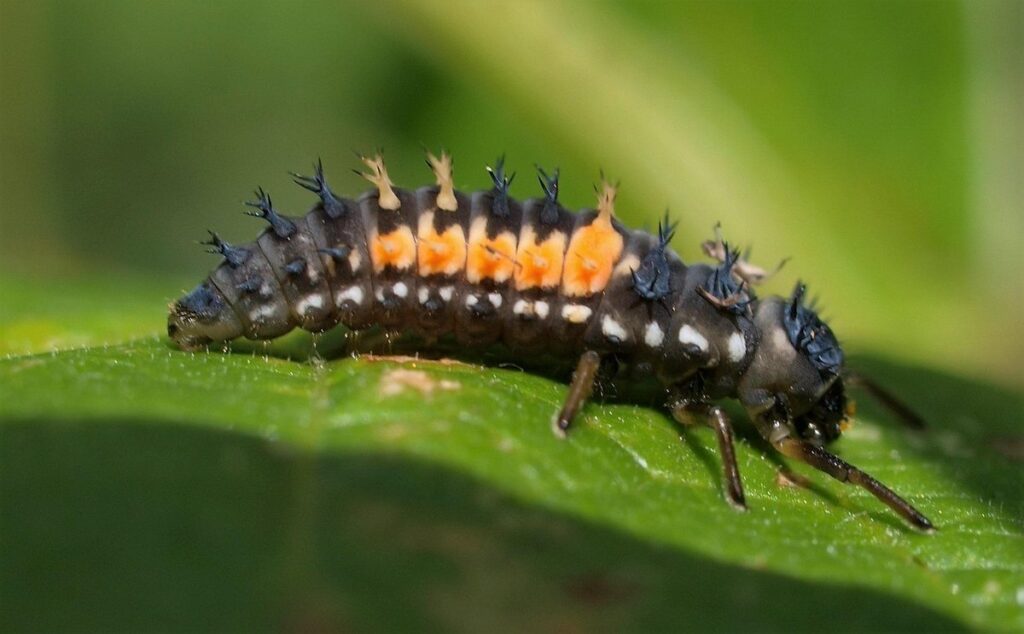
These tiny creatures emerge from eggs laid by female ladybugs on plants within the garden. Ladybug larvae typically appear elongated and soft-bodied, with a distinctive head capsule at one end. They usually have a yellow or orange coloration with black spots, which resemble small alligators. This unique appearance serves as a defense mechanism to deter potential predators.
Ladybug larvae are voracious eaters, feeding on various garden pests like aphids, mealybugs, and scale insects. In fact, they can consume up to 60 times their body weight in a single day! As they grow, ladybug larvae molt multiple times before undergoing metamorphosis into pupae. It’s crucial for gardeners to recognize the role of these miniature predators in maintaining ecological balance, rather than viewing them as pests to be eliminated. By embracing ladybug larvae, you can create a more harmonious and self-sustaining garden ecosystem.
Importance of Ladybugs in Gardening
Ladybugs play a crucial role in maintaining a balanced garden ecosystem. As natural predators, they feed on aphids, mealybugs, and other soft-bodied insects that can cause significant damage to plants. In fact, a single ladybug can consume up to 60 aphids per day! This makes them an essential component of integrated pest management (IPM) strategies.
By introducing ladybugs into your garden, you can reduce the need for chemical pesticides and maintain soil health. Ladybugs contribute to pollination by transferring pollen between flowers as they feed on nectar. They also serve as a food source for other beneficial insects, such as lacewings and hoverflies, which prey on aphids.
To attract ladybugs to your garden, plant a diverse range of flowers that provide nectar and shelter. Incorporate native plants, herbs, and vegetables into your landscape to create a welcoming environment. By embracing these tiny predators, you’ll be taking a significant step towards creating a harmonious and sustainable garden ecosystem.
Life Cycle of Ladybug Larvae
Let’s take a closer look at how ladybug larvae develop from eggs into the beneficial insects we know and love, and what that means for your garden.
From Egg to Larva: The Early Stages
When you spot ladybugs in your garden, it’s easy to overlook the tiny, wriggling creatures that often accompany them: ladybug larvae. These miniature versions of adult ladybugs are a crucial part of their life cycle, and understanding how they develop can help you better care for these beneficial insects.
The process begins when an adult female ladybug lays her eggs on a leaf or stem, typically in late spring or early summer. The eggs hatch into larvae within 3-5 days, depending on the species and environmental conditions. At this stage, the larva resembles a small, legless worm with a distinctive head capsule.
As the larva grows, it undergoes a series of molts, shedding its skin to accommodate increasing size. During this time, the larva develops its signature ladybug features, including spots or markings on its body. The entire larval stage typically lasts around 10-14 days, after which the larva will pupate and eventually emerge as an adult ladybug.
It’s worth noting that ladybug larvae are voracious eaters and can consume large quantities of aphids, mealybugs, and other garden pests. By understanding their life cycle and providing a nurturing environment, you can encourage these beneficial insects to thrive in your garden.
Molting and Growth: A Key Stage in Development
Molting is an essential stage in the development of ladybug larvae. During this process, they shed their skin to accommodate their rapidly growing bodies. This critical phase occurs several times as they transition from one instar (stage) to the next. Each molting cycle allows the larva to increase its size and prepare for the next stage of growth.
For gardeners, understanding the importance of molting can be crucial in managing ladybug populations. Ladybugs typically undergo four to five instars before entering the pupal stage. The frequency and timing of molts are influenced by factors like temperature, humidity, and available food sources. To support healthy larval development, ensure that your garden provides an optimal environment for these beneficial insects.
By observing and understanding the molting process, you can make informed decisions about how to manage ladybug larvae in your garden. Regularly monitor your plants for signs of larval activity, such as eggs or actual larvae, to gauge when they may be ready to molt.
Ladybug Larvae’s Dietary Habits
Ladybug larvae feed on a wide variety of insects and plant matter, playing a crucial role in maintaining a balanced ecosystem within your garden. Let’s take a closer look at their specific dietary habits.
What Do Ladybug Larvae Eat?
As ladybug larvae feed on various insects in your garden, their preferred food sources are mainly soft-bodied ones. These include aphids, mealybugs, and other small sap-sucking insects that can be found on plants. Ladybug larvae have a voracious appetite for these pests, consuming them whole.
In fact, research has shown that ladybug larvae can consume up to 80% of their body weight in insects every day. This means that if you have an infestation of aphids or mealybugs in your garden, ladybug larvae are an excellent natural solution to control the problem. They are also known to feed on other small insects such as scale insects and whiteflies.
When attracting ladybug larvae to your garden, make sure to plant a diverse range of flowers that attract their adult counterparts. These include marigolds, zinnias, and sunflowers. By providing these flowers in your garden, you can increase the chances of attracting ladybugs and subsequently their larvae, which will help control pest populations naturally.
Impact on Pest Populations
One of the most beneficial aspects of ladybug larvae’s presence in your garden is their significant impact on pest populations. As voracious predators, they feed on a wide range of pests that can be detrimental to your plants’ health and productivity. Ladybug larvae are particularly fond of aphids, mealybugs, and scale insects, which are some of the most common garden pests.
By feeding on these pests, ladybug larvae help prevent infestations from getting out of control, thereby saving you time and resources that would have otherwise been spent on chemical pesticides or other control methods. In fact, studies have shown that a single ladybug larva can consume up to 80 aphids per day, making them an invaluable asset in maintaining a balanced ecosystem.
To encourage the presence of these beneficial larvae in your garden, ensure you have a diverse range of flowers and herbs that provide nectar for adult ladybugs. This will attract the adults to your garden, increasing the chances of their larvae being present as well. Additionally, maintain a healthy soil environment by using organic gardening methods and minimizing the use of chemical pesticides, which can harm beneficial insects like ladybug larvae.
Habitat and Nesting Preferences
When it comes to finding a home, ladybug larvae are quite specific, so let’s dive into their habitat and nesting preferences, shall we? They tend to favor certain types of gardens over others.
Where Do Ladybug Larvae Like to Live?
When it comes to finding the perfect home, ladybug larvae are quite particular about their surroundings. They prefer habitats that provide a safe haven from predators and offer an abundance of food sources. One of the key factors they consider is plant life.
Ladybug larvae tend to thrive near plants with broad leaves or soft stems, as these provide them with a reliable source of aphid and other pest infestations to feed on. Marigold, dill, and fennel are popular choices among gardeners for this reason. These plants not only attract ladybugs but also serve as a vital food source for the larvae.
In addition to plant life, soil quality is another crucial aspect of their preferred habitat. Ladybug larvae prefer slightly moist soils with good drainage, as these conditions allow them to move about and feed comfortably. Sheltered areas like under rocks or logs provide an added layer of protection from harsh weather conditions and predators.
When creating a ladybug-friendly garden, consider planting a mix of flowers that bloom at different times to provide a constant supply of nectar and pollen for the adult ladybugs. This will not only attract them but also encourage them to lay their eggs in your garden, increasing the chances of ladybug larvae developing there.
Choosing Plants That Attract Ladybugs
When it comes to attracting ladybugs to your garden, selecting the right plants is crucial. Ladybug adults are natural predators that feed on aphids and other pests, making them a valuable asset to any garden ecosystem. To support their reproduction and attract these beneficial insects, focus on planting species that offer nectar, pollen, and shelter.
Some of the best plants for attracting ladybugs include marigolds, calendulas, and sunflowers. These flowers are rich in nectar, which ladybug adults need to fuel their reproductive cycles. In addition to providing food, consider incorporating native wildflowers into your garden, as they offer a natural source of shelter and protection from predators.
When selecting plants, also keep in mind the specific needs of female ladybugs. They require more nectar than males and often prefer flowers with deeper, tube-shaped structures that allow for easier access. By incorporating these plants into your garden design, you’ll be creating an environment that supports the reproduction and survival of ladybug adults, ultimately benefiting the overall health of your garden ecosystem.
Encouraging Ladybug Larvae in Your Garden
To create a welcoming environment for ladybug larvae, consider adding plants that are rich in aphid populations and have shallow soil, allowing them to thrive. This will encourage these beneficial insects to stay in your garden.
Creating a Ladybug-Friendly Environment
To create an environment that’s perfect for ladybug larvae to thrive, you’ll want to focus on two key areas: plant selection and soil health. Ladybugs are natural predators of pests that can harm your garden, but they need the right conditions to survive and multiply.
When it comes to planting, choose varieties that are rich in nectar and pollen, as these will provide a food source for both adult ladybugs and their larvae. Some excellent options include marigolds, calendulas, and cosmos flowers. These plants not only attract beneficial insects but also repel pests that might harm your garden.
In terms of soil health, ensure it’s rich in organic matter and has the right pH balance. Ladybug larvae feed on aphids, whiteflies, and other soft-bodied insects, so a soil with good structure will allow them to move through it easily. Avoid using pesticides or chemical fertilizers, as these can harm the ladybugs and disrupt the ecosystem.
By incorporating these plants and maintaining healthy soil conditions, you’ll be well on your way to creating a welcoming environment for ladybug larvae in your garden.
Natural Methods for Supporting Ladybugs
When it comes to supporting ladybug populations in your garden, there are several non-toxic methods that can make a significant difference. Companion planting is one such method where you pair plants that attract ladybugs with those that repel their natural predators. For instance, planting marigolds alongside tomatoes and peppers can help lure in aphid-munching ladybugs while keeping away the coccinellid-eating wasps.
Another effective approach is biological control, which involves introducing beneficial insects to your garden ecosystem. This can be achieved by creating a welcoming environment for these tiny predators through the use of natural pesticides like neem oil and soap solution. By using these gentle alternatives, you’ll not only save ladybug larvae from toxic chemicals but also encourage their populations to thrive.
To further support your ladybug larvae, consider planting host plants that provide them with essential nutrients. For example, milkweed for monarch butterflies can serve as a food source for ladybug larvae.
Common Challenges Faced by Ladybug Larvae
As a gardener, you might encounter some common issues when ladybug larvae inhabit your garden, which can impact their survival and development. We’ll explore these challenges together in this section.
Identifying Pesticide-Related Issues
Pesticide use is a common practice in gardening to control pests and diseases. However, these chemicals can also harm beneficial insects like ladybug larvae, which play a crucial role in maintaining the balance of ecosystems in gardens. When pesticides come into contact with ladybug larvae, they can cause significant harm, including:
* Disruption of their development: Exposure to pesticides can interfere with the normal growth and development process of ladybug larvae, affecting their ability to metamorphose into adult ladybugs.
* Impact on nutritional intake: Pesticides can also affect the type of food that ladybug larvae eat, making it difficult for them to obtain essential nutrients needed for growth.
To mitigate these effects, gardeners can adopt integrated pest management (IPM) techniques. This involves using a combination of methods such as:
* Encouraging natural predators
* Using physical barriers
* Practicing good garden hygiene
By adopting these approaches, you can create a safe and healthy environment for ladybug larvae to thrive in your garden. Always read the labels carefully before using any pesticide, and choose products that are specifically labeled as “bee-friendly” or “gentle on beneficial insects.”
Managing Predators and Competitors
As ladybug larvae grow and develop in your garden, they face numerous challenges from both natural predators and competitors. One of the most significant threats to their survival is other insects that feed on them, such as lacewings, hoverflies, and parasitic wasps. These beneficial insects may seem like friends, but when it comes to ladybug larvae, they can be detrimental.
To manage this issue, gardeners can encourage a balanced ecosystem by introducing natural predators of these predators, such as praying mantis or dragonfly nymphs. This will create a more balanced food chain and reduce the number of pests that target ladybug larvae. Additionally, removing weeds and debris from the garden can help prevent hiding places for predators and competitors.
A key strategy is to maintain a diverse range of flowers and plants in your garden, which will attract beneficial insects and pollinators. For example, planting marigolds or dill can attract beneficial nematodes that prey on grubs and other pests. By adopting these practices, you’ll not only promote the well-being of ladybug larvae but also contribute to a thriving ecosystem in your garden.
Conclusion and Final Tips
Now that you’ve learned how to identify, care for, and encourage ladybug larvae in your garden, let’s review some final tips to ensure their success.
Recap of Key Points
As you’ve made it through this comprehensive guide on ladybug larvae in your garden, let’s recap the key points to ensure you’re well-equipped to tackle these beneficial insects. One of the most important takeaways is that ladybug larvae are just as valuable as adult ladybugs when it comes to pest control.
You should now be aware of the various types of ladybug larvae, including the spined soldier bug and the multicolored Asian lady beetle. We also discussed how to identify these larvae, with key characteristics such as their color, shape, and size.
To encourage a healthy population of ladybug larvae in your garden, make sure to provide an abundance of aphids and other soft-bodied insects for them to feed on. This can be achieved by planting a diverse range of flowers that attract pollinators, which will in turn bring pests into your garden.
By following these tips and being mindful of the unique needs of ladybug larvae, you’ll be well on your way to creating a ladybug-friendly haven in your garden. Remember to appreciate these beneficial insects for their crucial role in maintaining a balanced ecosystem.
Encouraging Sustainable Gardening Practices
As we conclude our comprehensive guide to ladybug larvae in your garden, it’s essential to emphasize the importance of embracing sustainable gardening practices that support biodiversity and promote beneficial insects like ladybug larvae. By doing so, you’ll not only create a haven for these beneficial insects but also contribute to a healthier ecosystem.
To encourage sustainable gardening practices, start by incorporating native plants into your landscape. These plants have evolved alongside native pollinators and other beneficial insects, making them the perfect choice for supporting biodiversity. Also, avoid using pesticides and herbicides, which can harm or kill ladybug larvae and other beneficial insects. Instead, adopt integrated pest management (IPM) techniques that use natural methods to control pests.
By creating a welcoming environment for ladybug larvae and other beneficial insects, you’ll be rewarded with a thriving garden ecosystem. Remember, sustainable gardening practices are not only good for the environment but also for your garden’s overall health and productivity. So, make the switch to sustainable gardening today and watch your garden flourish!
Frequently Asked Questions
How can I tell if ladybug larvae are thriving in my garden?
Ladybug larvae’s presence is often indicated by the presence of adult ladybugs, which feed on aphids and other pests that the larvae help to control. However, a more direct indicator is the presence of ladybug eggs or tiny, oval-shaped larvae attached to leaves or stems. If you suspect an issue with ladybug populations, observe plant health, pest levels, and look for eggs or larvae in suitable habitats.
What should I do if I notice pesticide use near my garden?
Pesticide use can harm or kill ladybug larvae, so it’s essential to create a safe haven within your garden. Consider using natural methods for pest control, such as introducing beneficial insects like lacewings or parasitic wasps. You can also try using physical barriers or hand-picking pests when feasible.
How long do ladybug larvae typically take to mature and become adult ladybugs?
The life cycle of a ladybug typically spans about 2-4 weeks from egg to adult, but the duration varies depending on factors like temperature, food availability, and species. Ladybug larvae go through four stages of development: instars I-IV, with each stage lasting around 3-5 days.
Can I attract ladybug larvae by providing specific plants or flowers?
Yes! Certain plants are more attractive to adult ladybugs than others. Incorporate these “ladybug-friendly” plants into your garden design, such as marigold, calendula, or nasturtiums. These plants tend to have high nectar content and other features that attract beneficial insects.
How can I support the growth of ladybug larvae in my garden if they’re scarce?
If you notice a lack of ladybug larvae in your garden, consider introducing beneficial insects like parasitic wasps or lacewings, which prey on aphids and other pests that ladybugs feed on. You can also try creating a diverse ecosystem with native plants, maintaining good soil health, and minimizing pesticide use to create an environment conducive to ladybug populations.