
If you’re tired of using harsh pesticides to control aphids in your garden or farm, there’s good news: nature has provided an effective solution. Ladybirds, those tiny, spotted insects, are actually one of the best natural predators of aphids. By attracting these beneficial bugs to your space, you can reduce your reliance on chemical controls and create a more sustainable gardening practice. But how exactly do ladybirds tackle aphid populations? And what can you do to encourage them in your garden or farm? In this article, we’ll delve into the world of ladybird-aphid interactions, exploring why these tiny insects are so effective at controlling aphids and providing practical tips on how to harness their power.
The Importance of Aphid Control
Effective aphid control is crucial for maintaining a healthy and balanced garden ecosystem, and it’s essential to understand why controlling these pests is so important. Let’s take a closer look at the key reasons.
Understanding the Risks of Unchecked Aphid Populations
If left unchecked, aphid populations can wreak havoc on crops and plants, resulting in significant economic losses. A single infestation can lead to a 20-30% reduction in yields, which can be devastating for farmers who rely heavily on their harvests. Moreover, the cost of controlling aphids with pesticides can add up quickly, making it an unsustainable solution in the long run.
In fact, studies have shown that pesticide use can even contribute to the problem by disrupting beneficial insects and creating a vicious cycle of chemical dependency. For instance, research has found that widespread pesticide use can lead to the decline of natural predators, including ladybirds, which are crucial for aphid control. This highlights the importance of adopting integrated pest management strategies, like introducing ladybird populations to maintain a balanced ecosystem.
The damage caused by unchecked aphid populations is not limited to economic losses; it also affects plant health and biodiversity. Aphids can spread diseases, such as plant viruses, and cause physical harm through their piercing-sucking mouthparts. By understanding the risks associated with aphid infestations, farmers and gardeners can take proactive measures to prevent these problems from arising in the first place.
The introduction of ladybirds for aphid control is a simple yet effective way to mitigate these risks. By attracting beneficial insects like ladybirds, you can create a natural barrier against aphids, reducing the need for pesticides and promoting a healthy ecosystem.
Environmental Impact of Conventional Aphid Control Methods
Conventional aphid control methods often rely on chemical-based pesticides that have significant drawbacks when it comes to environmental impact. One of the primary concerns is soil and water pollution. These chemicals can contaminate soil, groundwater, and surface water, affecting not only the immediate ecosystem but also downstream communities and wildlife.
Moreover, traditional aphid control methods frequently target beneficial insects alongside pests, disrupting the delicate balance within ecosystems. This collateral damage can have long-term consequences for biodiversity, as natural predators and pollinators are essential components of a healthy environment.
The overuse or misuse of chemical pesticides has led to another pressing issue: pesticide resistance. As pests adapt to these chemicals, farmers may be forced to increase application rates, exacerbating environmental harm while also driving up costs. In contrast, introducing ladybirds as a natural control method not only reduces ecological damage but can also help prevent the development of pesticide-resistant aphid populations.
Introduction to Ladybirds
Let’s start by learning more about these tiny, yet mighty creatures that are our best friends when it comes to aphid control. We’ll delve into their world and see why they’re the ultimate solution for pest management.
Ladybird Biology and Life Cycle
A ladybird’s life cycle consists of four distinct stages: egg, larva, pupa, and adult. The female ladybird lays her eggs on plants with high aphid populations, ensuring a ready food source for her offspring. Ladybird larvae are voracious eaters, consuming hundreds of aphids as they grow and develop.
As they mature, the larvae undergo metamorphosis, entering a pupal stage before emerging as fully formed adults. This transformation is crucial for their effectiveness as aphid predators, allowing them to adapt to changing environments and optimize their feeding habits.
Ladybirds thrive in gardens with diverse plant species, providing a constant supply of nectar and shelter from harsh weather conditions. When choosing plants to attract ladybirds, consider those with dense foliage or brightly colored blooms – both characteristics tend to attract these beneficial insects. By incorporating ladybird-friendly plants into your garden, you’ll not only be inviting aphid-eating predators but also creating an ecosystem that fosters balance and harmony between beneficial insects and pests.
Characteristics of Effective Ladybird Species for Aphid Control
When it comes to choosing ladybird species for aphid control, there are several key characteristics that make them effective. Among the many species of ladybirds, some stand out as being particularly well-suited for controlling aphids.
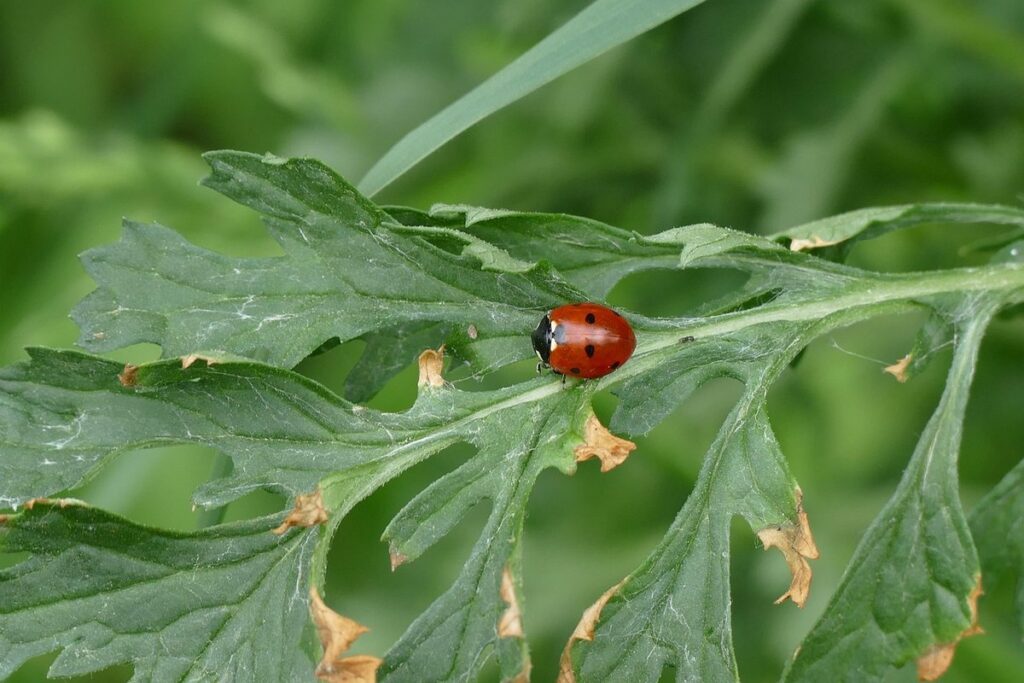
For example, Coccinella septempunctata, also known as the seven-spot ladybird, is a popular choice due to its voracious appetite for aphids. These ladybirds can consume up to 60 aphids per day, making them an effective and efficient solution for gardeners looking to control aphid populations.
Other species like Harmonia axyridis, also known as the multicolored Asian ladybird, are also highly effective at controlling aphids. In fact, studies have shown that H. axyridis can consume up to 200 aphids per day, making it one of the most voracious predators in the garden.
Propylea quatuordecimpunctata, or the fourteen-spot ladybird, is another species worth mentioning due to its impressive appetite for aphids. These ladybirds are known to feed on a wide range of aphid species, making them a versatile and effective choice for gardeners.
When choosing ladybird species for aphid control, it’s essential to consider factors such as their diet, habitat preferences, and availability in your region. By selecting the right species and releasing them into your garden, you can create an effective and natural solution for controlling aphids.
Attracting Ladybirds to Your Garden or Farm
To attract these beneficial insects to your garden or farm, you’ll want to create a welcoming environment that’s rich in food and shelter for them. Let’s explore the simple ways to do just that.
Creating a Ladybird-Friendly Environment
To create a ladybird-friendly environment, you need to provide them with the essential elements required for their survival. Start by planting diverse flowers that are rich in nectar and pollen. Ladybirds are particularly fond of cosmos, marigolds, and lavender, which attract these beneficial insects and provide them with a constant source of food. Incorporate native plants into your garden or farm as they tend to support local ladybird populations.
Reducing pesticide use is another crucial aspect of creating a ladybird-friendly environment. Pesticides not only harm ladybirds but also deplete their habitats by killing off other beneficial insects and microorganisms. Consider adopting Integrated Pest Management (IPM) practices, which involve using natural methods to control aphid populations while minimizing chemical usage.
Provide sheltered habitats for ladybirds by incorporating rocks, logs, or native stone walls into your garden design. These features not only offer ladybirds a safe haven from predators but also protect them from extreme weather conditions. By implementing these strategies, you can create an inviting environment that attracts and supports local ladybird populations, ultimately providing effective aphid control without the need for chemical pesticides.
Ladybird Food Sources and Water Requirements
To attract and maintain a thriving population of ladybirds in your garden or farm, it’s essential to provide them with an adequate food source. Ladybirds are carnivorous insects that feed on aphids, which makes them a natural and effective solution for controlling aphid infestations. In addition to aphids, ladybirds also consume pollen, nectar, and other small insects like thrips and whiteflies.
To ensure optimal populations, provide a diverse range of plants that attract pollinators and offer nectar-rich flowers, such as marigolds, sunflowers, and zinnias. These plants will not only provide food for ladybirds but also serve as a sheltered haven from predators and harsh weather conditions. In terms of water requirements, ladybirds need access to shallow, still water sources like birdbaths or shallow dishes filled with fresh water.
When creating a ladybird-friendly environment, remember that the presence of aphids is crucial for their survival. If you’re struggling with an aphid infestation, consider introducing some of these beneficial insects first, as they will help control the aphid population naturally.
Encouraging Ladybird Breeding and Population Growth
To encourage ladybird breeding and population growth, we need to create a welcoming environment for these beneficial insects by providing food, shelter, and a safe haven. This can be achieved through simple modifications in your garden.
Habitat Enhancement Strategies
To create an ideal environment that encourages ladybird breeding and population growth, it’s essential to focus on habitat enhancement. Ladybirds thrive in areas with plenty of food, shelter, and suitable habitats for their unique life stages.
Adding ladybird-friendly plants is a simple yet effective strategy. Incorporate native plants that provide nectar-rich flowers, host plants for aphids, and sheltering foliage. For example, consider planting lavender or marigold, which are rich in nectar, or rosemary, which provides a haven for ladybirds to lay their eggs.
Creating sheltered areas is also crucial. Ladybirds often hide from extreme temperatures, rain, and predators within dark places like hollow logs or under leaf litter. You can replicate this by setting up wooden shelters or even old bricks with built-in hiding spots. This encourages them to stay in the area, increasing breeding success and population growth.
Remember, a ladybird-friendly garden is all about creating diversity and offering multiple resources for these beneficial insects.
Integrated Pest Management (IPM) Approaches for Supporting Ladybirds
When it comes to supporting ladybird breeding and population growth, incorporating Integrated Pest Management (IPM) strategies is crucial. IPM approaches recognize that a diverse ecosystem with multiple beneficial insects can maintain a delicate balance of nature. By adopting these techniques, gardeners can create an environment conducive to ladybirds’ survival and reproduction.
Companion planting is an effective IPM strategy for supporting ladybird breeding. Planting certain flowers, herbs, and vegetables alongside aphid-infested crops can attract beneficial insects like ladybirds. For example, marigolds repel nematodes, which prey on ladybird larvae, while nasturtiums deter aphids directly. By incorporating these companion plants into your garden, you’re creating a welcoming habitat for ladybirds.
Other complementary techniques include using physical barriers to exclude pests, practicing good garden hygiene by removing weeds and debris, and maintaining a balanced nutrient cycle through organic fertilizers. These methods not only support ladybird populations but also minimize the use of chemical pesticides that can harm these beneficial insects.
Monitoring and Evaluating Ladybird Populations
To effectively use ladybirds for aphid control, you need to know when they’re thriving or struggling in your garden. This section will guide you through monitoring and evaluating their populations.
Tracking Aphid Numbers and Ladybird Activity
Monitoring the effectiveness of ladybird populations is crucial to ensure they’re efficiently controlling aphid numbers. To do this, you can employ various methods that provide insights into their activity levels and aphid population dynamics.
Visual surveys involve observing garden areas regularly for signs of ladybirds or their eggs. This can be done by walking through the garden at least once a week, looking out for these tiny beetles on plants, especially those with aphid infestations. Note down the dates when you spot them and the numbers you observe.
Another method is using pitfall traps to capture and count ladybirds or other beneficial insects. Bury small containers (around 10-15 cm deep) near affected areas, filling them with water but not enough to overflow. Over time, these will collect any insects that fall in while foraging. This can give you an accurate headcount of your ladybird population.
By tracking both ladybird numbers and aphid populations, you’ll be able to gauge the success of your ladybird deployment strategy and make adjustments as needed to maximize their effectiveness in controlling aphids.
Challenges and Limitations of Relying on Ladybirds for Aphid Control
While ladybirds are an effective and natural solution for aphid control, there are potential limitations and challenges associated with relying solely on them. One of the main concerns is variable population dynamics. Ladybird populations can fluctuate greatly depending on factors such as food availability, habitat quality, and predation pressure. This means that during periods of low ladybird activity, other methods may be necessary to control aphid outbreaks.
Climate change also poses a significant threat to ladybird populations. Warmer temperatures and changing precipitation patterns can disrupt the delicate balance of ecosystems, potentially leading to population declines or even extinctions. For example, in some regions, warming winters have been shown to reduce ladybird survival rates, making them less effective at controlling aphids.
To mitigate these risks, gardeners and farmers can take a few steps. For instance, maintaining a diverse range of host plants that provide food and shelter for ladybirds can help stabilize their populations. Additionally, incorporating other natural control methods, such as introducing beneficial insects or using physical barriers to prevent aphid migration, can supplement the efforts of ladybirds.
Case Studies and Real-World Examples
Let’s take a closer look at how ladybirds have been used successfully in real-world settings to control aphid populations, from gardens to commercial farms. We’ll share inspiring examples that showcase their potential as an eco-friendly solution.
Successful Implementations of Ladybird-Based Aphid Control Systems
Many farms, gardens, and conservation projects have successfully implemented ladybird-based aphid control systems with impressive results. For instance, a study conducted on an English rose farm found that introducing 20,000 ladybirds reduced aphid populations by 70% within six weeks. Similarly, a greenhouse in the Netherlands saw a 90% reduction in aphid infestations after installing a ladybird enclosure.
One of the key factors contributing to these successes is creating a conducive environment for ladybirds. This includes providing a suitable food source, such as pollen or nectar-rich flowers, and shelter from harsh weather conditions. Effective communication between farmers, gardeners, and conservationists also plays a crucial role in monitoring and adjusting ladybird populations.
To replicate these results, consider the following practical steps: establish a ladybird-friendly habitat within your property, ensure a stable food source, and regularly monitor aphid populations. Additionally, consider introducing natural predators alongside ladybirds for enhanced pest control. By adopting this multi-faceted approach, you can harness the power of ladybirds to effectively manage aphids in your specific environment.
Lessons Learned from Ladybird-Based Aphid Control Experiences
From our case studies on ladybird-based aphid control, it’s clear that there are several key takeaways and best practices to inform future implementation efforts. One of the most significant lessons learned is the importance of choosing the right species for the specific pest problem. For instance, the seven-spotted ladybird (Coccinella septempunctata) excels at controlling aphid populations on cucumbers and tomatoes, while the multicolored Asian ladybird (Harmonia axyridis) is more effective against aphids on roses.
Another crucial factor to consider is the timing of the introduction. Ladybirds are most effective when introduced during the early stages of aphid infestation, rather than after the problem has become severe. This allows them to establish themselves and begin controlling the aphid population quickly. Additionally, ensuring a stable food source for the ladybirds is vital; this can be achieved by introducing nectar-rich flowers or aphid-friendly plants.
When implementing ladybird-based control strategies, it’s essential to consider the potential risks of introducing non-native species. Careful planning and monitoring are necessary to avoid unintended consequences on native ecosystems.
Frequently Asked Questions
How can I determine if I have ladybirds in my garden already?
Before attracting more, it’s essential to identify if you already have a ladybird population in your garden. Ladybirds are often mistaken for other insects due to their varied colors and patterns. To confirm the presence of ladybirds, observe the insects’ size, shape, and coloration. Look for distinctive spots or markings on their elytra (wing covers). If you’re still unsure, consult a gardening expert or take a closer look at online resources that provide detailed images and descriptions.
Can I use other beneficial insects alongside ladybirds for aphid control?
While ladybirds are some of the most effective predators of aphids, they can coexist with other beneficial insects like lacewings, hoverflies, and parasitic wasps. In fact, integrating multiple beneficial species can create a more robust pest management system. This is because different insects target various life stages of aphids or exhibit unique feeding behaviors. By combining ladybirds with other beneficials, you can reduce the reliance on chemical controls even further.
How often should I monitor and evaluate my ladybird populations?
Regular monitoring is crucial to ensure your ladybird population remains healthy and effective in controlling aphid infestations. Set aside time each week or every two weeks to observe and record changes in ladybird numbers, as well as track any shifts in aphid populations. This will help you identify potential issues early on and make informed decisions about habitat enhancements, food sources, or other factors that might impact your beneficial insect ecosystem.
Can I use pesticides if ladybirds are present, but aphids remain a problem?
While ladybirds can significantly reduce aphid numbers, they may not eradicate infestations entirely. If you notice aphid populations persisting despite an established ladybird population, it’s essential to consider non-chemical control methods before resorting to pesticides. These could include increasing the diversity of beneficial insects, improving habitat quality, or introducing other natural predators like parasitic wasps.
How long does it typically take for a ladybird population to establish itself?
The time required for a ladybird population to become established can vary depending on several factors, including the initial number of introduced individuals, food availability, and environmental conditions. However, with proper habitat creation and maintenance, you can expect to see noticeable increases in ladybird numbers within 4-6 weeks after introduction. Be patient, as it may take several months for a self-sustaining population to develop.