
If you’re like many gardeners, you may have noticed the colorful insects flitting about your plants and wondered whether they’re lady beetles or ladybugs. But what’s the difference between these two popular terms? While often used interchangeably, lady beetles and ladybugs are not exactly the same thing – although both belong to the same family of beneficial insects. In this article, we’ll delve into the fascinating world of these tiny creatures, exploring their physical characteristics, habitats, diets, and more. You’ll learn how to identify which ones are beneficial to your garden and why they’re such valuable allies in keeping pests at bay. By the end of our exploration, you’ll be able to tell the difference between lady beetles and ladybugs and appreciate these incredible insects for all that they do.
What are Lady Beetles and Ladybugs?
Let’s start by understanding what we’re dealing with: lady beetles and ladybugs are not exactly the same thing, despite their similarities. They both belong to a group of insects known as Coccinellidae.
Defining the Terms
Let’s clear up the confusion surrounding these two beloved insects. Many people use the terms “lady beetles” and “ladybugs” interchangeably, but they actually refer to different things.
Lady beetles (also known as ladybird beetles or ladybird beetles) are small beetles that belong to the family Coccinellidae. They have a rounded body shape and are typically oval in appearance. Lady beetles come in various colors, including red, yellow, black, and white, with spots or markings on their elytra (wing covers).
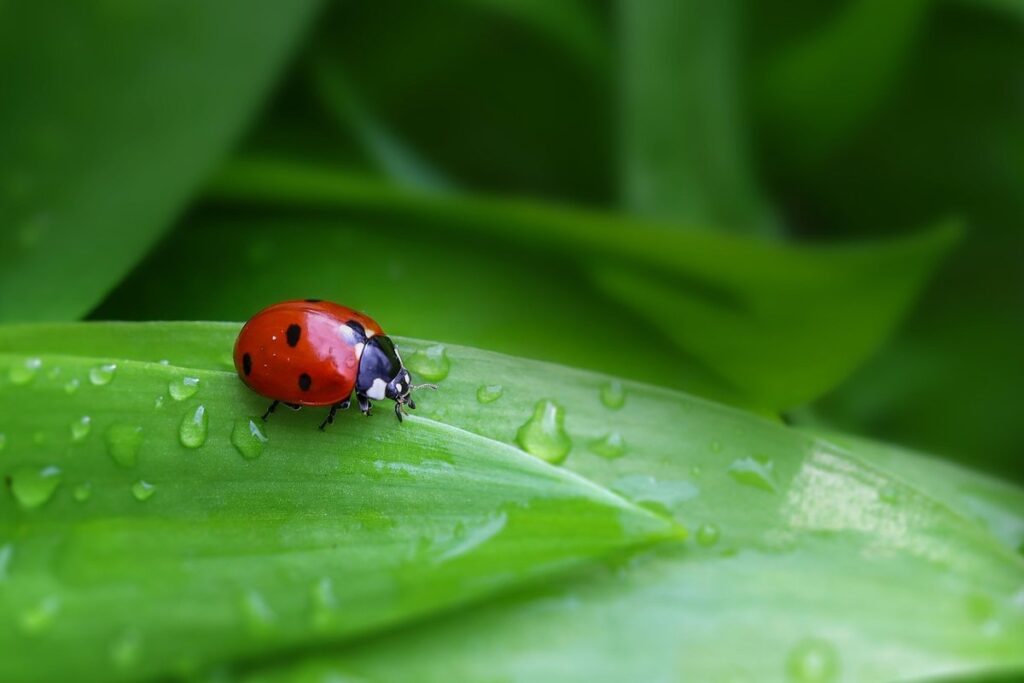
Ladybugs, on the other hand, are actually a type of lady beetle that belongs to the genus Coccinella. These specific lady beetles have a distinctive red and black coloration, often with seven spots on their elytra. In some parts of the world, including North America, “ladybug” is used as a common name for any small, oval-shaped beetle with bright colors.
The key distinction between the two terms lies in their scientific classification: lady beetles encompass a broader group of insects within the family Coccinellidae, while ladybugs specifically refer to those belonging to the genus Coccinella.
Differences in Usage and Terminology
The terms “lady beetle” and “ladybug” are often used interchangeably, but there’s actually some nuance to their usage. In entomology, the preferred term is indeed “lady beetle,” as it accurately describes the insect’s order (Coleoptera). However, in common parlance, especially among gardeners and naturalists, “ladybug” has become a widely accepted alternative.
It’s worth noting that regional variations do exist. For example, in some parts of North America, particularly Canada, “lady beetle” is more commonly used. Meanwhile, in the UK and other European countries, “ladybird” (not “ladybug”) is the preferred term – although it’s often used interchangeably with “lady beetle.”
When trying to identify these insects, it’s essential to pay attention to regional terminology. But for most purposes, you can safely use either term. Just keep in mind that if you’re referring to a specific scientific study or documentation, “lady beetle” might be the more precise choice. As a general rule of thumb, if you’re discussing the insect in a gardening or wildlife context, “ladybug” is perfectly acceptable.
Physical Characteristics and Appearance
One of the most noticeable differences between lady beetles and ladybugs lies in their physical characteristics, particularly their coloring and body shape. Let’s take a closer look at these distinct features.
Body Shape and Size
When it comes to the physical characteristics of lady beetles and ladybugs, their body shape and size play a significant role in distinguishing between the two. Lady beetles are typically smaller, ranging from 1/16 inch to 1/4 inch in length, with an elongated oval body that’s often rounded at the tips. They usually have a duller coloration compared to ladybugs, which can be more vibrant and varied.
Ladybugs, on the other hand, tend to be slightly larger than lady beetles, measuring between 1/8 inch to 3/16 inch in length. Their oval bodies are often more elongated, with a pointed tip at the rear end. The color patterns of ladybugs are incredibly diverse, ranging from solid red or yellow to striped or spotted designs.
While it’s easy to confuse the two due to their similar physical characteristics, paying attention to size and body shape can help you identify which one is a lady beetle or a ladybug. If you’re still unsure, observe their behavior – ladybugs are generally more aggressive when threatened, whereas lady beetles tend to be more docile.
Distinctive Features and Patterns
When it comes to identifying lady beetles and ladybugs, distinctive features play a crucial role. One of the most noticeable differences is the presence and pattern of spots, stripes, or markings on their elytra (wing covers). Ladybugs, for instance, typically have seven black spots on their red bodies, although some species may have fewer or no spots at all. In contrast, lady beetles often feature a distinct M-shaped marking on their pronotum (neck region), which can vary in color and intensity.
When observing these insects closely, note the shape and arrangement of their markings. Ladybugs tend to have circular spots, while lady beetles’ markings are more linear or stripe-like. Additionally, consider the overall size and body shape of each insect: lady beetles generally have a more elongated appearance than ladybugs. With practice and attention to these details, you’ll become proficient in distinguishing between these two commonly confused insects. By paying close attention to their distinctive features, you can confidently identify whether an insect is a ladybug or a lady beetle.
Habitat and Distribution
Lady beetles and ladybugs are found in various environments around the world, from gardens to forests. Let’s take a closer look at their habitats and distribution patterns.
Lady Beetle Habitats
Lady beetles can be found inhabiting various types of environments, from gardens and fields to woodlands. In gardens, they often reside near plants with aphid infestations, where they feed on these pests as their primary food source. Some common garden habitats include vegetable patches, herb gardens, and flower beds. For instance, the Seven-spotted Lady Beetle is commonly found in tomato and potato crops.
In fields, lady beetles can be seen inhabiting areas with high grass and weeds, where they lay their eggs near aphid colonies to ensure a food source for their larvae. Woodlands, particularly those dominated by oak trees, are also home to several species of lady beetles. These insects tend to cluster on tree trunks or branches during the winter months.
When considering attracting lady beetles to your garden, it’s essential to create an environment that mimics their natural habitats. This can be achieved by planting a diverse range of flowers and vegetables, maintaining a balanced ecosystem, and avoiding overuse of pesticides, which can harm these beneficial insects.
Ladybug Habitats
Ladybugs can be found inhabiting a diverse range of environments, from agricultural areas to urban backyards. Their adaptability is one reason they’ve been introduced as biological control agents to manage pest populations in various ecosystems.
In agricultural settings, ladybugs are often found on crops like alfalfa, apple, and potato. They prey on aphids, mites, and other small insects that can damage these crops. For instance, the multicolored Asian lady beetle (Harmonia axyridis) has been introduced to control aphid populations in fields of soybeans and corn.
In contrast, urban backyards can also support ladybug populations. These areas often provide a variety of food sources, such as flowers with nectar and pollen, which ladybugs rely on for energy. Ladybugs may even be attracted to backyard gardens specifically designed to attract beneficial insects like themselves.
If you’re interested in creating a ladybug-friendly environment in your own backyard, consider planting native flowers that provide nectar and pollen, like coneflowers or black-eyed Susans. Avoid using pesticides, as they can harm these beneficial insects.
Diet and Feeding Habits
When it comes to lady beetles’ diets, understanding what they eat can help you better recognize them in your garden. Let’s explore their feeding habits and what nutrients they need to thrive.
Lady Beetle Diets
Lady beetles are voracious predators that feed on a wide range of pests, making them valuable allies in gardens and agricultural fields. Their primary diet consists of aphids, which are small, soft-bodied insects that can be devastating to plants if left unchecked. In fact, research has shown that lady beetles can consume up to 60 times their own body weight in aphids alone.
Lady beetles also feed on scale insects, whiteflies, and mealybugs, among other pests. These tiny insects are often a nuisance for gardeners, as they suck sap from plants, weakening them over time. Lady beetles help control these populations by consuming the eggs, larvae, and adults of these pests.
To encourage lady beetles to visit your garden or field, consider planting a diverse range of flowers that attract aphids, such as marigolds, calendulas, and cosmos. This will provide a steady food source for these beneficial insects, which can then help control pest populations. By welcoming lady beetles into your ecosystem, you’ll be taking an important step towards maintaining a balanced and healthy environment.
Ladybug Diets
When it comes to ladybug diets, these beneficial insects are primarily focused on consuming sweet substances and small insects that can be detrimental to plants. Ladybugs feed on nectar, which is a sweet, energy-rich liquid secreted by flowers. They also visit pollen-filled blooms to gather this protein-rich food source. This diet allows them to maintain their energy levels while pollinating flowers in the process.
But ladybugs don’t just stop at sipping nectar and collecting pollen. They are voracious predators that feed on small insects like aphids, whiteflies, and even scale insects. These pests can cause significant damage to plants by sucking sap from leaves or stems, so it’s beneficial for gardeners to have ladybugs around.
Interestingly, a single ladybug can consume up to 60 aphids per hour, making them an effective natural defense against these pesky insects. To attract more ladybugs to your garden, consider planting flowers that are rich in nectar and pollen, such as marigolds, sunflowers, or zinnias. This will not only provide a food source but also create a welcoming environment for these beneficial beetles.
Behavior and Life Cycle
As we dive deeper into the world of lady beetles, let’s explore their behavior and life cycle to see how it sets them apart from their often-confused counterparts.
Lady Beetle Life Stages
A lady beetle’s life cycle is divided into four distinct stages: egg, larva, pupa, and adult. The female lady beetle lays her eggs on a suitable host plant, typically with a high aphid population, which will serve as food for the larvae once they hatch.
After 3-4 days, depending on the species and environmental conditions, the eggs hatch into larvae, also known as instars. During this stage, the larva molts several times as it grows, developing distinctive features like the prothoracic shield and a distinct head with large eyes. Lady beetle larvae are often mistaken for ants due to their elongated bodies and segmented appearance.
After several weeks of feeding, the larva enters the pupal stage, where it undergoes metamorphosis, transforming into an adult lady beetle. This process typically takes 7-14 days, although some species may require more time. When fully formed, the new adult emerges from its cocoon, ready to start the cycle anew.
Understanding these development stages is essential for recognizing and distinguishing lady beetles from ladybugs, as their life cycles share many similarities.
Ladybug Life Stages
Like many insects, lady beetles and ladybugs undergo a complete metamorphosis as they develop from egg to adult. The life cycle of these two beneficial bugs is remarkably similar, with four distinct stages: egg, larva, pupa, and adult. Female lady beetles lay their eggs on the underside of leaves or in protected areas, typically 1-2 days after mating.
The larvae emerge from the eggs and are voracious eaters, feeding on aphids, mealybugs, and other soft-bodied insects. Ladybug larvae go through a series of molts as they outgrow their skin, eventually entering the pupal stage where they transform into adults.
One notable difference between lady beetles and ladybugs is the length of time spent in each life stage. Lady beetle eggs typically take 2-3 days to hatch, while ladybug eggs can take up to 5 days. Additionally, some species of lady beetles may have multiple generations per year, whereas ladybugs often have only one.
Despite these minor differences, the overall life cycle remains similar between the two insects. By understanding and appreciating their shared development process, we can better appreciate the vital role they play in controlling pest populations.
Myth-Busting: Common Misconceptions
Many of us assume that lady beetles and ladybugs are interchangeable terms, but there are some surprising differences between these two insects. Let’s debunk a few common misconceptions about them.
Separating Fact from Fiction
One common myth surrounding lady beetles and ladybugs is their association with good luck. However, this notion is largely based on a misunderstanding of the insect’s symbolism in European folklore. In fact, some species of lady beetles were believed to bring good fortune and prosperity in certain cultures, but this has been exaggerated over time.
On the other hand, there are those who believe that ladybugs and lady beetles can help diagnose disease or detect the presence of allergens in a home. This is entirely unfounded – these insects are primarily beneficial for their role as aphid predators and have no proven connection to health issues.
To separate fact from fiction when it comes to lady beetles and ladybugs, always verify information through reputable sources before believing such claims. If you’re looking to attract these insects to your garden or home, focus on creating an environment that’s conducive to their survival – a balance of plants, water, and shelter is key.
Correcting Popular Beliefs
One popular misconception is that all beetles with red and black coloring are ladybugs. This has led to the widespread use of the terms “ladybug” and “lady beetle” interchangeably. However, this is not entirely accurate.
In reality, only certain species of beetles belong to the family Coccinellidae and possess the distinctive red and black coloration associated with ladybugs. These are typically smaller in size and have a more rounded shape compared to other types of lady beetles.
Another myth is that ladybugs are beneficial because they eat aphids. While this is true for some species, it’s essential to note that not all ladybugs feed on these pests. In fact, many species prefer nectar or pollen instead. This means that simply having a few red and black beetles in your garden does not necessarily mean you’re getting the benefits of ladybug presence.
To correctly identify a ladybug, look for the following characteristics: small size, rounded shape, white markings on the head, and a distinctive yellow or orange spot on the elytra. If you’re unsure about the identity of a beetle in your garden, consult with an entomologist or take a closer look at its physical features before assuming it’s a beneficial ladybug.
Conservation Status and Threats
As we delve into the fascinating world of lady beetles, it’s essential to acknowledge that many species are facing threats to their survival, including habitat loss and climate change.
Lady Beetle Conservation Efforts
Unfortunately, many lady beetle species are facing significant threats to their populations. Habitat loss and fragmentation due to urbanization and intensive agriculture have reduced their natural habitats, making it challenging for them to survive. Climate change also plays a significant role in altering the delicate balance of ecosystems that these insects rely on. The decline of natural prey populations has further impacted lady beetles’ ability to thrive.
However, there are many conservation efforts underway to protect these beneficial insects. For instance, the creation of beetle banks and hedgerows provides vital habitat for lady beetles. These microhabitats offer shelter, food, and protection from predators, allowing lady beetles to repopulate and maintain a balance in ecosystems. Additionally, some organizations have implemented Integrated Pest Management (IPM) strategies that minimize chemical use, which can harm or even kill lady beetles.
As an individual, you too can contribute to lady beetle conservation by creating a welcoming environment in your garden. Plant native flowers and shrubs, which will attract aphids and other insects for the lady beetles to feed on. You can also create a water source using shallow dishes or birdbaths with fresh water. These simple actions can significantly impact local lady beetle populations and contribute to their overall conservation.
Ladybug Conservation Challenges
Ladybugs, like many other insects, face numerous challenges that threaten their populations and habitats. Habitat loss is one of the most significant threats to ladybug conservation. As natural areas are developed for human use, ladybug habitats are destroyed or fragmented, leaving them without shelter, food, and breeding grounds. This not only affects individual ladybugs but also disrupts the delicate balance of ecosystems.
The use of pesticides is another major concern for ladybug conservation. Pesticides can harm or kill ladybugs directly, or they can alter the environment in ways that make it difficult for ladybugs to survive. For example, broad-spectrum pesticides can wipe out entire populations of beneficial insects, including ladybugs, that are necessary for pollination and pest control.
Climate change is also a significant threat to ladybug conservation. As temperatures rise, ladybug habitats are shifting to higher elevations or latitudes, making it difficult for them to adapt. Moreover, extreme weather events such as droughts and heatwaves can devastate ladybug populations, leading to further decline.
Frequently Asked Questions
Can I safely release lady beetles or ladybugs in my garden to control pests?
Yes, releasing beneficial insects like lady beetles and ladybugs can be an effective way to control pest populations. However, ensure you’ve identified the correct species for your region, as some may not be suitable for local conditions. Research the specific needs of these insects, such as food sources and shelter, to create a welcoming environment in your garden.
How do I differentiate between invasive lady beetles that might harm my garden?
Some non-native lady beetle species can outcompete native ones or even become pests themselves. To identify potential invaders, look for characteristics like bright colors or unusual markings. Consult with local experts or check regional resources to stay informed about the specific species present in your area and their impact on the ecosystem.
Can I keep lady beetles or ladybugs as pets?
While it’s possible to keep these insects in captivity, they have complex social and spatial needs that are difficult to replicate in a home environment. Their natural diet, habitat requirements, and life cycle also make them challenging to care for long-term. It’s recommended to appreciate these beneficial insects in their natural habitats or through observation rather than attempting to keep them as pets.
How can I attract more lady beetles or ladybugs to my garden?
Lady beetles and ladybugs are attracted to gardens with diverse plant species, especially those rich in aphids, scale insects, and mealybugs. Plant a variety of flowers, shrubs, and trees that provide food sources for these beneficial insects. Also, consider creating sheltered areas using rocks or logs, as these insects often seek refuge from extreme temperatures and weather conditions.
Are lady beetles and ladybugs beneficial to other garden ecosystems?
Yes, both lady beetles and ladybugs play crucial roles in maintaining the balance of various ecosystems. They prey on pest populations that can harm crops, trees, and other plants, making them valuable allies for gardeners and conservationists alike.