
Are you looking to create a beautiful and functional gardening space in your backyard? Look no further than an L-shaped raised bed! These unique designs not only add visual appeal, but also provide ample space for growing a variety of plants. However, building and maintaining an L-shaped raised bed can be a daunting task if you’re new to gardening.
In this comprehensive guide, we’ll walk you through the process of designing, building, and maintaining your very own L-shaped raised bed. We’ll cover essential topics such as drainage, irrigation, and pest management, ensuring that your garden flourishes all season long. By following our expert tips and tricks, you’ll be well on your way to creating a thriving oasis in your yard, perfect for growing everything from juicy vegetables to vibrant flowers. Whether you’re a seasoned gardener or just starting out, this guide has got you covered!
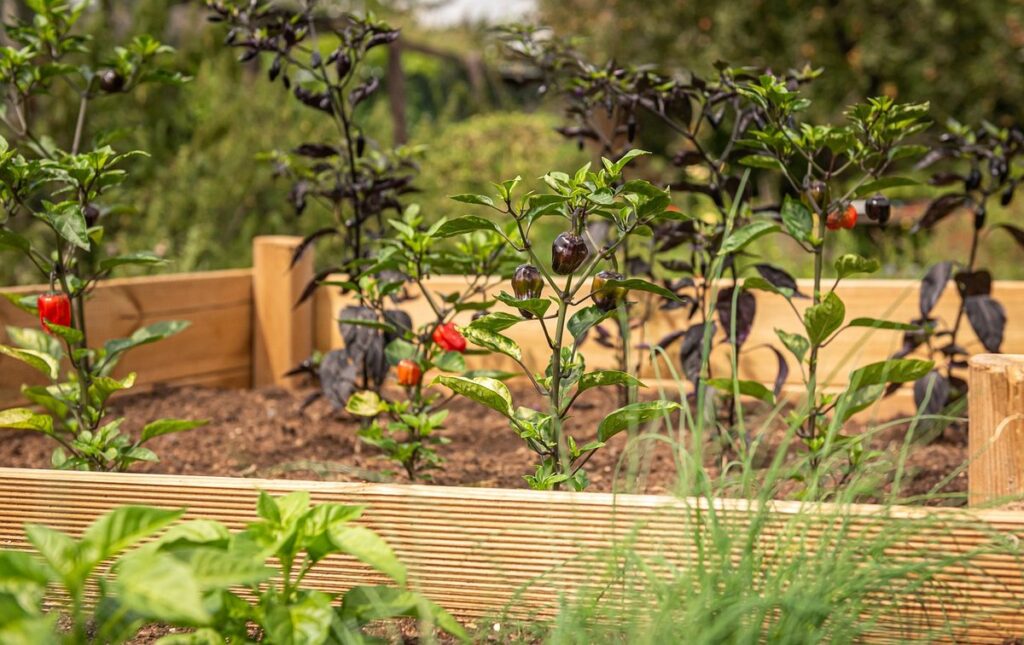
Designing Your L-Shaped Raised Bed
When designing your L-shaped raised bed, consider factors such as space constraints and plant growth habits to maximize efficiency and productivity. Let’s dive into the details of creating a functional layout.
Choosing the Right Size and Material
When it comes to choosing the right size and material for your L-shaped raised bed, there are several factors to consider. First and foremost, think about the space where you plan to place your bed. Consider the amount of sunlight it will receive, as well as the accessibility of the area. If you have limited mobility or prefer not to bend down to tend to your plants, choose a size that allows for comfortable standing and reaching.
In terms of material, durable options like cedar and reclaimed wood are excellent choices due to their resistance to rot and insect damage. However, they may be more expensive than other options. Consider the cost-benefit ratio of each material and factor in maintenance costs over time. For example, composite materials can withstand heavy use but require regular cleaning to maintain their appearance.
When determining the optimal size for your L-shaped raised bed, consider the mature size of the plants you’ll be growing. A general rule of thumb is to provide at least 12-18 inches of space between each plant and along the sides. This will ensure healthy growth and prevent overcrowding.
Planning for Drainage and Irrigation
When designing an L-shaped raised bed, proper drainage and irrigation systems are crucial to ensure healthy plant growth and minimize maintenance. To incorporate these essential elements into your design, start by selecting a well-draining soil mix that contains a combination of compost, peat moss, and perlite or vermiculite.
These additives will help prevent waterlogging and reduce the risk of root rot. Consider using a raised bed liner to further improve drainage and prevent the soil from washing away. For irrigation, you can install a drip irrigation system or soaker hose that delivers water directly to the roots of plants.
When designing your L-shaped raised bed, keep in mind that plants with different watering needs should be grouped together. This will make it easier to manage irrigation for each section without overwatering or underwatering individual plants. For example, you can create a separate irrigation zone for plants like tomatoes and peppers, which require more water, while others like herbs and succulents need less.
To further reduce water waste, incorporate mulch around the base of your plants to retain moisture in the soil and suppress weeds.
Building Your L-Shaped Raised Bed Frame
Now that you have a solid understanding of your L-shaped raised bed plans, it’s time to bring them to life by building the frame. Let’s get started with constructing the base and sides.
Frame Materials and Techniques
When it comes to building an L-shaped raised bed frame, choosing the right materials and techniques is crucial for creating a sturdy and durable structure. Let’s dive into some of the most popular wood types used in raised bed construction.
Cedar, cypress, and redwood are excellent choices due to their natural resistance to rot and insects. These woods also have a distinctive appearance that can add a rustic charm to your garden. However, they may be more expensive than other options.
For those on a budget, pine or spruce can be a cost-effective alternative. Just keep in mind that these softwoods require more maintenance to prevent warping and cracking. You’ll want to use galvanized screws to ensure they don’t rust over time.
In addition to the frame itself, consider using brackets for added support between the two sections of the L-shape. These can be attached with wood screws or nails. Use a level to ensure everything is properly aligned during assembly.
To further stabilize your raised bed, use 2x4s as corner supports and attach them to the frame with screws. This will help prevent shifting over time due to soil settlement or weather conditions.
Tips for Assembling and Stabilizing the Frame
Assembling and stabilizing the frame is a crucial step in building your L-shaped raised bed. To ensure stability and prevent the frame from collapsing, it’s essential to use level tools to check that all corners are evenly spaced and the frame is perfectly horizontal.
To do this, place a spirit level on each corner of the frame, making sure they are all at the same height. This may require some adjustments to the legs or brackets to achieve perfect stability. It’s also vital to secure the corners with screws or bolts, ensuring that they are tightly fixed in place.
Additionally, you can add extra support by using corner brackets or L-brackets, which will provide additional stability and prevent any movement. Make sure to check your frame regularly as you assemble it to ensure all parts are securely attached and evenly spaced. This attention to detail will not only result in a sturdy frame but also make maintenance and harvesting easier.
By following these tips, you can create a stable and secure L-shaped raised bed that will provide years of reliable service and support for your plants.
Planting Your L-Shaped Raised Bed
Now that you have your frame built, it’s time to focus on planting and arranging your lush garden within the unique confines of your L-shaped raised bed. Let’s get started on making the most of this versatile space!
Selecting Companion Plants and Vegetables
When selecting companion plants and vegetables for your L-shaped raised bed, it’s essential to consider the specific conditions of your garden. First, assess the amount of sunlight your bed receives each day. If it gets full sun (6+ hours), choose heat-tolerant varieties like tomatoes, peppers, or okra. For partial shade (4-6 hours), opt for leafy greens like lettuce, spinach, or kale.
Next, think about the soil type in your raised bed. If you have well-draining soil, consider plants with similar needs, such as cucumbers and carrots. In clay-heavy soil, choose varieties that prefer moist conditions, like beans or squash. Also, keep growth habits in mind: tall plants like sunflowers or corn should be placed at the north side to avoid shading smaller vegetables.
Some beneficial companion planting combinations for L-shaped raised beds include pairing marigolds with tomatoes to deter nematodes, and basil with lettuce to enhance flavor and repel pests. Plant multiple rows of the same vegetable variety, if possible, to maximize space and reduce future maintenance needs.
Layered Planting for Maximum Yield
When it comes to maximizing yield in an L-shaped raised bed, layered planting is a game-changer. By strategically stacking different plant varieties, you can create a diverse and thriving ecosystem that will provide a bounty of fresh produce all season long.
The key to successful layered planting is understanding the depth, spacing, and seasonality requirements for each plant variety. For example, leafy greens like lettuce and spinach prefer shallower soil depths (around 2-3 inches) and can be planted densely, with as little as 1 inch of space between them. On the other hand, deeper-rooted plants like carrots and beets require more depth (around 6-8 inches) and should be spaced farther apart (about 2-3 inches).
By layering these plant varieties in a specific order – typically from shallowest to deepest – you can create a harmonious balance between growth habits. For instance, planting lettuce at the top of the bed allows it to receive full sun while also providing shade for lower-growing plants like herbs or flowers.
Some popular combinations include:
* Leafy greens + herbs (basil, mint, cilantro) = perfect pairing for pest control and flavor enhancement
* Root vegetables + brassicas (broccoli, cauliflower) = balanced growth habits and pest management
* Tomatoes + peppers = symbiotic relationship benefits both plants
Consider the unique growing requirements of each plant variety when designing your L-shaped raised bed.
Maintenance and Care of Your L-Shaped Raised Bed
To keep your L-shaped raised bed thriving, regular maintenance is crucial to prevent pests, diseases, and nutrient deficiencies from taking hold. Follow these essential care tips for a healthy harvest.
Soil Testing and Fertilization
To ensure your L-shaped raised bed continues to thrive, it’s essential to regularly test and maintain its soil health. This involves checking the pH level, nutrient content, and structure of the soil. You can purchase a DIY soil testing kit or send a sample to a laboratory for analysis.
A well-balanced fertilizer is crucial for maintaining healthy plant growth. Look for a slow-release fertilizer that contains a mix of nitrogen (N), phosphorus (P), and potassium (K) – typically represented as 10-10-10 NPK. Organic options like compost or fish emulsion are also effective, but be aware that they may have different application rates.
Some common soil amendments include:
* Peat moss to adjust pH levels
* Perlite or vermiculite for improved drainage
* Compost tea for a natural source of nutrients
When applying fertilizers and amendments, always follow the manufacturer’s instructions. Over-fertilizing can harm your plants, so it’s better to err on the side of caution. A general rule is to fertilize lightly during the growing season (spring and summer) and less frequently during the dormant period (fall and winter).
Pests and Diseases Management
When it comes to maintaining your L-shaped raised bed, one of the most significant challenges you’ll face is managing pests and diseases that can damage your plants. To tackle this problem effectively, it’s essential to understand common threats and employ integrated pest management (IPM) strategies.
Some common pests in L-shaped raised beds include slugs, snails, aphids, and whiteflies. These pests can be managed using organic methods such as introducing beneficial insects like ladybugs or lacewings that prey on them. Physical barriers like copper tape around plant stems can also deter slugs and snails.
For diseases, it’s crucial to maintain good hygiene practices like removing weeds, watering wisely, and rotating crops. Infected plants should be removed promptly to prevent the spread of disease. You can use organic fungicides or bactericides as a last resort. Monitoring your plants regularly for signs of pests and diseases will enable you to address issues before they escalate.
Incorporating crop rotation, companion planting, and maintaining soil health through composting can also help minimize pest and disease pressure. For instance, planting marigolds with tomatoes repels nematodes, while basil wards off aphids.
Common Mistakes to Avoid When Building an L-Shaped Raised Bed
To build a successful L-shaped raised bed, it’s crucial to steer clear of common mistakes that can compromise its structural integrity and overall design. Let’s discuss what not to do when building this type of garden feature.
Design and Construction Errors
One of the most critical aspects to consider when building an L-shaped raised bed is avoiding design and construction errors. These mistakes can compromise the structural integrity of the bed, lead to waterlogged soil, and ultimately affect plant growth.
Some common design errors include uneven or sloping sides, which can cause soil erosion and make it difficult to maintain even moisture levels. Another mistake is using materials that are not durable enough for outdoor use, such as thin wood or low-quality plastic. This can lead to rotting, cracking, or warping over time.
To avoid these pitfalls, ensure you measure carefully before cutting any materials, and use a level to check the bed’s sides are even. Choose durable materials like cedar, reclaimed wood, or high-quality composite materials that can withstand various weather conditions. Additionally, consider using a drainage system, such as a built-in French drain, to prevent water accumulation.
Another common construction error is not allowing for adequate ventilation within the bed. This can lead to stagnant air, reduced root growth, and increased risk of pests and diseases. To mitigate this, include gaps or slats between the bed’s sides and bottom, allowing for airflow and easy access for plants’ roots.
Tips for Long-Term Success
To ensure the long-term success of your L-shaped raised bed, it’s essential to establish a regular maintenance schedule. This should include tasks such as weeding, watering, and fertilizing every 7-10 days during peak growing seasons. Regularly inspecting the bed for signs of wear and tear will also help you address any potential issues before they become major problems.
For example, if you notice that your plants are not receiving adequate sunlight due to nearby structures or trees, consider pruning branches or reconfiguring the layout of your L-shaped raised bed. Similarly, if you’re experiencing waterlogged soil or dry spells, adjust your irrigation schedule accordingly.
Be prepared to adapt to changing conditions, such as extreme weather events or pest infestations. Keep a record of any issues that arise and note the steps taken to address them, so you can refine your maintenance routine over time. By staying vigilant and proactive, you’ll be able to enjoy a thriving garden for years to come.
Consider implementing a rotation system for crop planting to maintain soil health and prevent nutrient depletion. This will also help minimize pest and disease buildup, ensuring that your L-shaped raised bed remains productive and healthy.
Frequently Asked Questions
What are the essential tools I need to build an L-shaped raised bed frame?
You’ll need a tape measure, square, level, drill, screwdriver, and a saw (circular or handheld) to cut the wood for your frame. Additionally, consider investing in a post hole digger and a soil leveler for easier assembly. Don’t forget to have a hammer and nails on hand for final touches.
Can I use reclaimed or recycled materials for my L-shaped raised bed frame?
Yes! Using reclaimed or recycled materials is an eco-friendly option that can add character to your garden. Just ensure the wood is treated and stable enough for outdoor use. Consider reusing old pallets, decking boards, or fencing material, but be mindful of any potential chemical residues.
How do I choose companion plants for my L-shaped raised bed?
Select plants with complementary growth habits, such as tall ones to provide shade and shorter ones to benefit from the shade. Also, consider plants with different watering needs to avoid overwatering or underwatering. For example, pair drought-tolerant herbs like mint or rosemary with thirsty vegetables like tomatoes.
What are some common mistakes to avoid when building an L-shaped raised bed frame?
Watch out for uneven corners and poor drainage design. Use a level to ensure your frame is perfectly square, and include built-in drainage features (like bottom slats) to prevent waterlogging. Also, be mindful of material durability and consider using rot-resistant wood for long-term performance.
Can I use a pre-made raised bed kit instead of building my own L-shaped design?
Yes! Pre-made kits can save time and effort while still offering the benefits of raised bed gardening. Look for kits with durable materials and proper drainage features, such as built-in water reservoirs or bottom slats. Consider factors like space constraints and plant growth habits to ensure the kit suits your specific needs.