
Butternut squash – that beautiful, delicious, and often mysterious winter squash. While it’s easy to assume that any butternut squash is ripe just because it’s hard on the outside, the truth is, selecting the right one can make all the difference in its flavor and texture. Learning how to identify a ripe butternut squash may seem daunting, but don’t worry – we’ve got you covered! In this article, we’ll take a closer look at the visual cues, squeeze tests, and storage tips that will help you choose the perfect butternut squash every time. We’ll dive into what makes a squash ripe and how to avoid common mistakes, so whether you’re a seasoned chef or just starting out in the kitchen, you’ll be equipped with the knowledge to select the best butternut squash for your recipes.
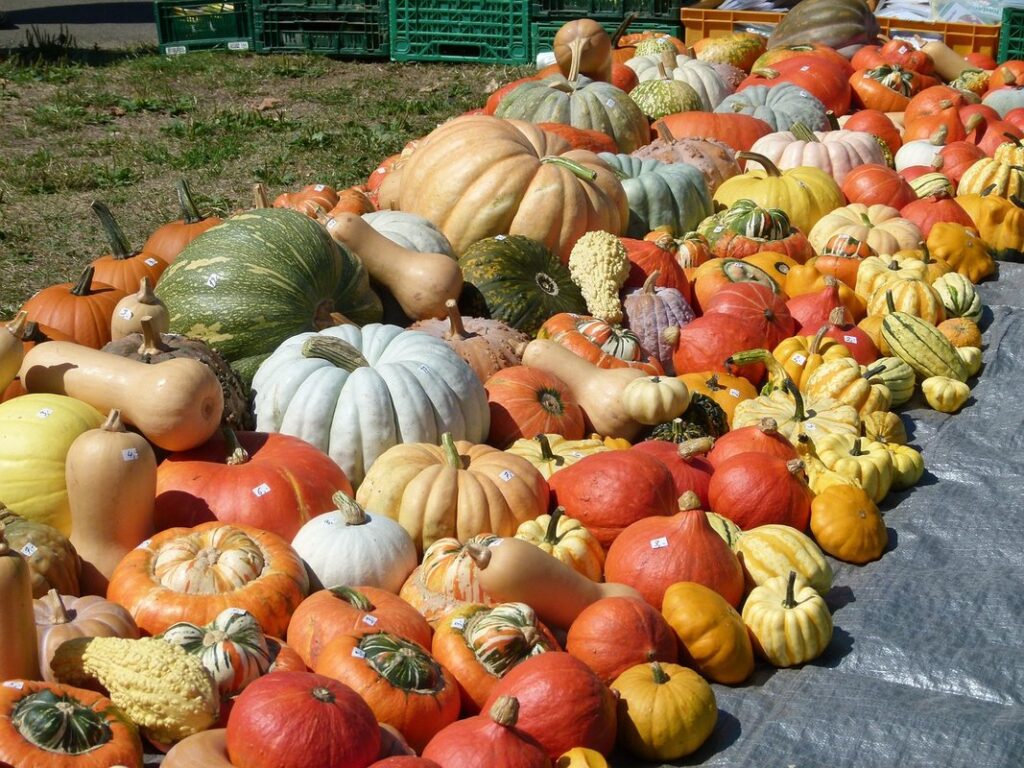
Understanding Butternut Squash Maturity
To know when butternut squash is ripe, it’s essential to understand the visual cues that indicate maturity. A few key signs can help you determine if your butternut squash is ready for harvest.
Factors Affecting Ripeness
Butternut squash maturity can be influenced by various environmental and agricultural factors. Climate plays a significant role, with optimal temperatures ranging between 65°F to 85°F (18°C to 30°C) for ripening. Extreme temperatures, either too high or too low, can slow down the process or cause the squash to rot.
Soil quality is another crucial factor. Well-drained, fertile soil with a pH between 6.0 and 6.8 supports healthy growth and promotes even ripening. Conversely, nutrient-poor or waterlogged soils can lead to uneven ripening or reduced yields.
Growing conditions also impact butternut squash maturity. Adequate sunlight exposure, typically around 8-10 hours per day, is essential for photosynthesis, which fuels the ripening process. Furthermore, adequate moisture levels are vital; drought stress can cause irregular ripening, while overwatering may lead to rot or fungal infections.
To ensure optimal ripeness, gardeners should monitor their squash’s growing conditions and take corrective measures if necessary. By doing so, they can maximize yields and enjoy a bountiful harvest of ripe butternut squash.
Checking for Optimal Harvest Time
When checking for optimal harvest time, consider the expected growth cycle of butternut squash. In general, this variety takes around 120 to 150 days to mature from sowing seeds. However, factors like weather patterns and soil quality can significantly impact the actual maturation period.
Take into account the specific climate conditions in your area. Butternut squash is sensitive to frost, so wait for a prolonged period of warm temperatures before harvesting. Check the local weather forecast to determine when the first frost-free days are expected. This will give you an idea of when it’s safe to harvest the squash without risking damage from frost.
It’s also essential to observe the specific butternut squash plant itself. Gently lift the fruit, and check for a hard rind that is free from soft spots or bruises. The stem end should be dry and slightly indented, indicating readiness for harvest. By combining knowledge of your area’s climate with visual inspection, you’ll be able to determine when your butternut squash has reached optimal ripeness.
Visual Cues for Ripe Butternut Squash
To tell if your butternut squash is ripe, look out for these visual cues: a hard, smooth rind and a slight softening around the stem.
Skin Color and Texture
As you’re inspecting the butternut squash for ripeness, take a closer look at its skin color. One of the most noticeable changes that occur as it ripens is the transition from green to a deeper yellow or tan hue. This process usually starts with a slight softening of the stem end, signaling the beginning of the ripening phase.
As you continue to check on the squash, you’ll notice that the green color begins to fade and is gradually replaced by a rich golden yellow or a warm beige tone. The skin may also develop some subtle netting or ribbing patterns, which can help identify its full maturity. Keep in mind that the exact shade of yellow or tan will vary depending on the specific variety of butternut squash you’re growing.
It’s worth noting that while a more vibrant color is often associated with ripeness, it’s not always an accurate indicator. Some varieties may retain their green skin even after they’ve reached full maturity. To ensure accuracy, combine your observation of the skin color with other visual cues and gentle pressure tests to confirm the squash’s readiness for harvest.
Stem End Dryness
When examining a butternut squash for ripeness, it’s essential to check the stem end. A ripe butternut squash will typically have a dry and slightly soft stem end. This is because as the squash matures, the moisture within the fruit begins to evaporate through the stem, leaving it feeling dry to the touch.
To confirm if the stem end is indeed dry, gently press your finger into the area. If it feels slightly soft and yields to pressure, but still retains some firmness, it’s likely a sign that the squash has reached full maturity. On the other hand, a green or moist stem end typically indicates an unripe squash.
It’s also worth noting that the degree of dryness can vary depending on factors such as climate, soil quality, and specific growing conditions. However, in general, a ripe butternut squash will have a more pronounced dryness at the stem end compared to an immature one. By checking this visual cue, you can gain confidence in your assessment of the squash’s ripeness.
Checking for Ripeness at Home
To check if your butternut squash is ripe, look for signs of maturity, such as a hard, glossy skin and a deep yellow or orange color. Check for any soft spots, bruises, or mold.
Squeeze Test
When performing the squeeze test on butternut squash, gently press on the skin with your fingers to assess its firmness. This method is similar to checking a watermelon’s ripeness by applying gentle pressure to the underside. Start at one end of the squash and work your way around it, feeling for any soft spots or areas that yield easily to pressure.
A ripe butternut squash will typically feel slightly hard when pressed, with some give, but still maintain its shape. Avoid pressing too hard, as this can damage the skin or cause bruising. Compare the firmness of different areas on the same squash, as ripeness may vary depending on the spot you’re checking.
If the skin is overly soft or mushy to the touch, it’s likely overripe and not suitable for cooking. On the other hand, if the flesh beneath the skin feels hard and unyielding, the squash may still be too immature and require more time to ripen.
Sound Test
When checking for ripeness at home, you’ll also want to give the butternut squash a good knock. Yes, you read that right – a knock! This is called the sound test, and it’s a simple yet effective way to gauge the ripeness of your squash.
To perform this test, hold the butternut squash firmly in one hand and use your knuckles to gently knock on its skin. Listen carefully for the sound that comes back. A ripe butternut squash will produce a deep, hollow sound when knocked, similar to a drum. This is because the starches inside the squash have converted to sugars as it ripened, making it less dense and more hollow.
If you’re not sure what a ripe butternut squash sounds like, don’t worry – just give it a few knocks! The difference between an unripe and ripe squash can be quite pronounced. An unripe squash will produce a dull thud or a metallic sound, which is often a sign that it needs more time to ripen.
Remember, the sound test alone isn’t always foolproof, but when combined with other methods like checking for soft spots or color changes, you’ll have a good idea of whether your butternut squash is ripe and ready to eat.
Preparing and Storing Butternut Squash
Once you’ve harvested your butternut squash, make sure to properly prepare and store it to maintain its freshness and shelf life for as long as possible. This section covers essential tips on handling and storing your squash.
Handling and Storage Techniques
After harvesting butternut squash, proper handling and storage are crucial to prevent damage and maintain its quality. To start, gently brush off any dirt or debris from the skin using a soft-bristled brush or a clean cloth. This helps remove any loose particles that might cause scratches during storage.
Next, ensure the squash is completely dry before storing it. Any moisture can lead to mold growth and spoilage. You can speed up the drying process by placing the squash in a well-ventilated area or by using a fan to circulate air around it.
When storing butternut squash, choose a cool, dark place with good air circulation. A basement or a pantry with a consistent temperature between 50°F and 60°F (10°C and 15°C) is ideal. Avoid storing it near direct sunlight, heat sources, or areas prone to moisture accumulation. Proper storage will help your butternut squash stay fresh for several months, even after it’s been harvested when ripe.
Tips for Long-Term Preservation
If you’ve got a bountiful butternut squash harvest and want to enjoy its delicious flavor year-round, long-term preservation is the way to go. But what’s the best method for keeping this nutritious gem fresh? Fortunately, there are several options.
One popular choice is freezing. This method works well because it locks in the nutrients and flavor of the squash. To freeze butternut squash, first peel, chop, and cook it until tender. Let it cool, then package it in airtight containers or freezer bags, making sure to remove as much air as possible before sealing.
Another option is canning, which allows you to store squash for up to 12 months. This method requires more equipment, but yields impressive results. To can butternut squash, prepare it according to the canning process guidelines and then heat-process jars in a water bath for 20-30 minutes.
For those looking for an even quicker solution, dehydrating is also effective. Simply slice or cube the squash and dry it using a food dehydrator or by placing it on a low oven setting (150°F). Once completely dry, store the dried squash in airtight containers to use as needed.
It’s essential to note that proper storage conditions are just as crucial for long-term preservation as the method itself. Always keep preserved butternut squash away from direct sunlight and heat sources to ensure optimal flavor and texture retention.
Common Mistakes to Avoid
When it comes to selecting butternut squash, many of us make mistakes that can result in disappointing flavor and texture. Here are some common errors to steer clear of when choosing a ripe squash.
Misjudging Ripeness
One of the most common mistakes people make when assessing the ripeness of butternut squash is misjudging its appearance. It’s easy to get fooled by a few telltale signs that don’t necessarily indicate whether the squash is ready for harvest or not.
For instance, a ripe butternut squash might develop a soft spot on one end, which some people mistake for a sign of rot. However, this is usually just a natural indication of the squash’s ripening process and can be perfectly normal. Similarly, a yellow or golden coloration on the skin doesn’t always mean the squash is ready to eat – in fact, it might even indicate over-ripeness.
To avoid misjudging ripeness, pay attention to the stem end instead. A ripe butternut squash will have a dry, brownish stem that’s slightly recessed into the surrounding flesh. Avoid squashes with green or moist stems as these may still be immature.
When in doubt, always inspect your squash carefully and consider its overall weight – a ripe butternut squash will usually feel heavy for its size. By being more discerning about what you’re looking at, you’ll reduce the risk of ending up with an unripe or over-ripe squash.
Inadequate Storage
Proper storage of butternut squash is crucial to maintain its quality and shelf life. Improper storage methods can lead to spoilage, mold growth, and reduced flavor. When not stored correctly, the skin may develop soft spots or cracks, making it more susceptible to decay.
One common mistake is storing butternut squash at room temperature for extended periods. This can cause the internal moisture to evaporate quickly, leading to shriveling and drying out of the flesh. The ideal storage conditions are cool, dry places with temperatures between 50°F to 60°F (10°C to 15°C). Avoid direct sunlight, as it can accelerate spoilage.
When storing butternut squash, make sure to keep it away from strong-smelling foods, as the squash can absorb odors easily. It’s also essential to handle the squash gently to avoid bruising or cracking the skin, which can create entry points for bacteria and mold.
To extend the shelf life of your butternut squash, store it in a breathable container, such as a paper bag or mesh produce bag. This allows for air circulation while maintaining humidity levels. Monitor the squash regularly for any signs of spoilage, and use your senses to determine its freshness.
Conclusion: Achieving Perfect Ripe Butternut Squash
Now that you’ve learned how to determine if your butternut squash is ripe, let’s tie everything together and explore what perfect ripeness looks like in action.
Recap Key Takeaways
To summarize the key takeaways from our exploration of knowing when butternut squash is ripe, let’s review some essential points.
First and foremost, to determine if a butternut squash is ripe, inspect its skin for deepening ridges and lines that signify maturity. The stem should also be dry and brittle, which indicates the squash has reached full ripeness.
Another crucial factor is weight: a ripe butternut squash will typically weigh more than an unripe one due to increased water content.
Consider checking the neck end of the squash as well; if it feels slightly soft when pressed gently with your thumb or fingers, it’s likely ready for harvest.
Lastly, remember that over-maturity can lead to rot and decay, so it’s crucial to time your butternut squash harvesting correctly.
By keeping these key points in mind, you’ll be well-equipped to identify ripe butternut squash with confidence.
Final Tips for Successful Harvesting
As you’ve reached the final stages of growing your butternut squash, it’s essential to maintain optimal conditions for a successful harvest. This means providing your plants with the right amount of sunlight, water, and nutrients throughout their growth cycle. Ensure that your squash is receiving at least six hours of direct sunlight per day, as this will promote healthy cell division and maturation.
To avoid any last-minute mishaps, make sure to check the soil moisture regularly. Butternut squash needs consistent moisture, especially during fruiting, but overwatering can lead to rot and other issues. Aim for a balanced fertilizer application schedule, providing your plants with essential nutrients like potassium, phosphorus, and magnesium.
When it’s time to harvest, approach the task gently to avoid damaging the delicate skin of the squash. Use a sharp knife or garden tool to cut the stem about an inch from the fruit, leaving a small portion attached to the vine. This will help prevent moisture loss and promote easier handling during storage and transportation.
Frequently Asked Questions
Can I still use a butternut squash that’s past its prime, even if it’s not yet rotten?
Yes, you can still cook with butternut squash that’s past its prime, but its flavor and texture may suffer. If the squash is slightly soft to the touch or has some brown spots, it’s likely still edible, but its quality will be compromised.
How do I know if a butternut squash is overripe, and what are the risks of eating an overripe one?
An overripe butternut squash will typically feel mushy to the touch and may have developed off-flavors. Eating an overripe squash can lead to digestive issues due to its high water content and potential bacterial growth. It’s best to discard any squash that feels excessively soft or has visible mold.
Can I speed up the ripening process of butternut squash by placing it in direct sunlight?
No, exposing butternut squash to direct sunlight can actually cause damage to the fruit and potentially lead to sunscald, a condition where the skin becomes discolored. Instead, store your squash in a dry, dark place with consistent temperatures between 50°F to 60°F (10°C to 15°C).
How do I handle butternut squash during storage to prevent it from becoming too ripe?
To slow down the ripening process, store butternut squash away from direct sunlight and heat sources. Keep the squash in a single layer, not touching each other, to maintain good air circulation. You can also wrap each squash individually in plastic or aluminum foil before storing them.
Can I use any variety of butternut squash, or are some better suited for certain recipes?
While most varieties of butternut squash share similar characteristics, some may be more suitable for specific recipes due to their texture and flavor profile. Look for ‘Galeux d’Eysines’ or ‘Waltham Butternut’ for their sweeter taste and firmer texture, ideal for roasting and pureeing.