
Are you ready to dive into the wonderful world of pumpkins? With over a dozen types to choose from, each with its own unique characteristics, shape, size, skin color, and culinary uses, it’s no wonder that pumpkin enthusiasts are always on the lookout for new varieties to try. Whether you’re a seasoned gardener or just starting out, learning about the different kinds of pumpkins can be incredibly helpful in choosing the perfect variety for your needs. From miniature ‘Jack Be Little’ pumpkins to extra-large ‘Atlantic Giant’ pumpkins, we’ll explore the various types of pumpkins, including their growth habits, care requirements, and uses in cooking and decorating. In this article, you’ll discover how to grow and care for each type, making it easier than ever to enjoy the benefits of these amazing gourds.
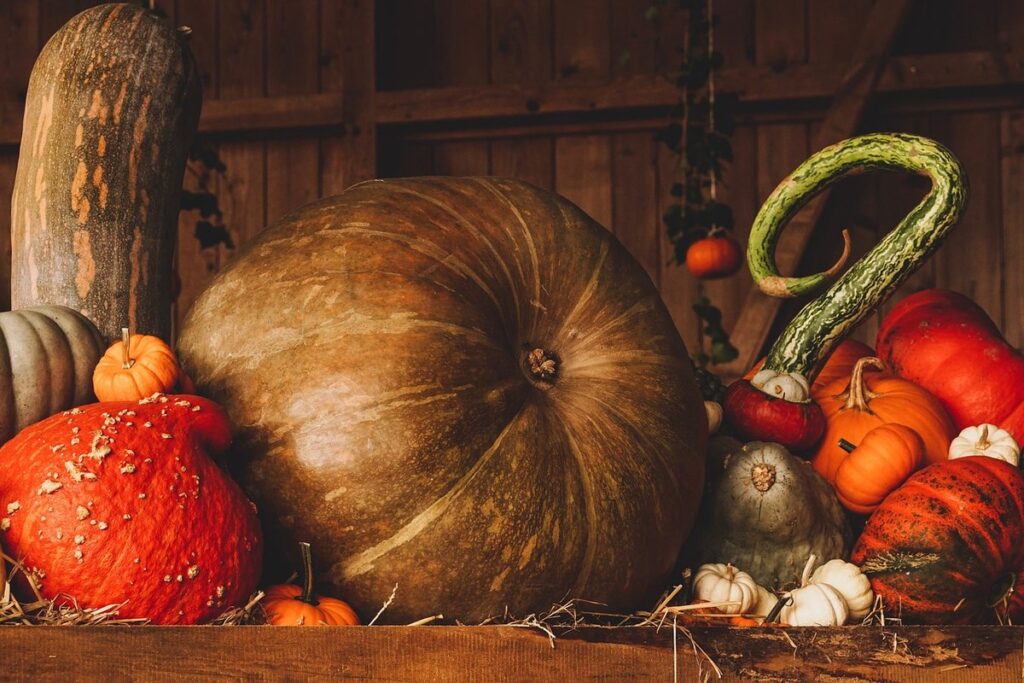
Types of Pumpkins Based on Shape
When it comes to growing your own pumpkin patch, knowing the different shapes and sizes can be just as exciting as choosing the perfect variety. Let’s explore the unique characteristics of pumpkins by shape!
Round Pumpkins
Round pumpkins are one of the most recognizable and versatile types of pumpkins, prized for their symmetrical shape and numerous uses. These plump, rounded gourds have become a staple in fall decorations, often used to create festive arrangements with other seasonal elements like leaves, twigs, and corn husks.
One of the reasons round pumpkins are so popular is their ease of use in cooking and baking. They’re perfect for roasting or pureeing into soups and sauces. Their flesh is also tender and sweet, making them an excellent choice for pumpkin pie recipes. In fact, many professional bakers swear by using round pumpkins due to their consistent texture and flavor.
In addition to their culinary uses, round pumpkins are also a favorite among gardeners and decorators alike. They come in a range of sizes, from small, decorative ‘Baby Boo’ types to larger, more substantial varieties like the ‘Atlantic Giant.’ When selecting a round pumpkin for decoration, look for one with a smooth, even surface and no visible bruises or soft spots.
When it comes to preparing your round pumpkins for cooking or display, make sure to clean them thoroughly before use. Simply scrub them gently with soap and water, then pat dry with a paper towel to prevent moisture from accumulating. This will help extend their shelf life and keep them looking fresh throughout the fall season.
Oval and Teardrop-Shaped Pumpkins
Oval and teardrop-shaped pumpkins are a unique and popular variety used for carving and decorating. Their symmetrical shape and rounded edges make them perfect for display on porches, mantles, or as centerpieces. One of the main advantages of oval and teardrop-shaped pumpkins is their durability – they tend to be less prone to cracking than spherical or other irregularly shaped pumpkins.
When selecting an oval or teardrop-shaped pumpkin, look for ones with a uniform coloration and smooth skin. Avoid those with soft spots or bruises, as these can affect the longevity of the pumpkin. To carve an oval or teardrop-shaped pumpkin, use a pattern or design to help guide your knife. Start by scooping out the insides, then carve out your design, making sure to leave enough pumpkin for support.
These pumpkins are ideal for decorative arrangements, and they can be paired with other shapes and sizes to create a visually appealing display. For example, combine an oval-shaped pumpkin with some spherical ones or gourds for a beautiful fall arrangement. With proper care, oval and teardrop-shaped pumpkins can last throughout the entire fall season, making them a great choice for homeowners who want a long-lasting decoration.
Linear and Long Pumpkins
Linear and long pumpkins are a unique and versatile variety of pumpkins that can add an extra touch to your fall decorations and cooking repertoire. These elongated gourds typically range from 8 to 20 inches in length, making them perfect for centerpiece arrangements or as decorative accents on tables and mantles.
In terms of their use in specialty cooking, linear and long pumpkins are ideal for slicing into medallions or using as a “lid” for soups and stews. Their elongated shape also makes them perfect for hollowing out to create pumpkin bowls or cups. When selecting a linear and long pumpkin for cooking, choose one that is firm and free of soft spots, and use it within a few days of purchase to ensure optimal flavor and texture.
In addition to their culinary uses, linear and long pumpkins can also add an element of elegance to your fall decor. Simply arrange them in a vase or container with some greenery, such as eucalyptus or ferns, for a beautiful and effortless centerpiece.
Types of Pumpkins Based on Size
When it comes to choosing a pumpkin, size matters! In this section, we’ll explore the different types of pumpkins categorized by their unique sizes, from small and delicate to large and showy.
Miniature Pumpkins
Miniature pumpkins are the perfect solution for small spaces, decoration enthusiasts, and home cooks alike. These compact gourds pack a punch when it comes to versatility and charm. Measuring between 5-10 inches in diameter, miniature pumpkins are easy to display on tabletops, mantels, or even as centerpieces.
One of the biggest benefits of miniature pumpkins is their space-saving design, making them ideal for small gardens, patios, or indoor spaces. They require minimal care and can thrive in containers or hanging baskets, adding a pop of color and texture to any room. When it comes to decorating, miniature pumpkins can be paired with candles, greenery, or other fall-themed elements to create a warm and inviting ambiance.
In the kitchen, miniature pumpkins are just as versatile as their larger counterparts. They can be used in soups, stews, or roasted as a side dish. Simply slice them in half, remove the seeds, and roast with olive oil and your favorite spices for a delicious and healthy snack. Whether you’re a seasoned cook or a DIY novice, miniature pumpkins are a great addition to any fall-themed gathering or celebration.
Standard-Sized Pumpkins
Standard-sized pumpkins are one of the most popular varieties and offer numerous benefits for cooking, decorating, and creating pumpkin puree. These pumpkins typically weigh between 5-25 pounds (2.3-11 kg) and have a symmetrical shape, making them ideal for carving, displaying on porches or in gardens, and using as a centerpiece.
In the kitchen, standard-sized pumpkins can be used to make an array of delicious dishes. Roasting seeds from these pumpkins is a tasty snack, while scooping out the flesh and pureeing it allows for creative uses such as making pies, soups, and even ravioli fillings. You can also use the cooked, mashed pumpkin in baked goods like cakes, muffins, or bread.
For decoration, standard-sized pumpkins add a warm, inviting ambiance to any space during the fall season. Consider painting or stenciling designs on them for an added touch of personality. With their relatively small size and manageable weight, these pumpkins are perfect for creating seasonal arrangements with other gourds and flowers.
Standard-sized pumpkins also make an excellent source of pumpkin puree. Scoop out the flesh, cook it down until smooth, and store it in airtight containers for future use in recipes. This way, you can enjoy your favorite pumpkin dishes year-round without having to buy pre-made puree or canned goods.
Extra-Large Pumpkins
When it comes to making a statement with your pumpkin display, nothing beats an extra-large pumpkin. These showstoppers are not only visually striking but also offer a unique conversation starter for fall gatherings and events.
One of the primary benefits of extra-large pumpkins is their decorative value. Measuring in at over 20 pounds or more, these pumpkins can be used as centerpieces, door decorations, or even as a statement piece on your front porch. Their massive size also makes them an excellent choice for creating dramatic vignettes with candles, leaves, and other fall-themed elements.
If you’re looking to grow your own extra-large pumpkin, it’s essential to choose a variety specifically bred for its size potential. Some popular options include the Atlantic Giant and the Big Max varieties. To encourage healthy growth and maximum size, be sure to provide your pumpkin vines with full sun, well-draining soil, and plenty of water throughout the growing season.
Types of Pumpkins Based on Skin Color
When it comes to pumpkins, their skin color is one of the most interesting and varied aspects. We’ll explore the different types of pumpkins that can be identified by their unique hues and shades.
White and Cream-Colored Pumpkins
White and cream-colored pumpkins have gained immense popularity in recent years due to their versatility and unique charm. These delicate, pale-hued gourds add a touch of elegance to any arrangement, making them a favorite among wedding decorators and event planners. Their soft, creamy skin provides a beautiful canvas for creative decorating ideas.
One popular way to utilize white and cream-colored pumpkins is by pairing them with greenery and flowers in a lush, autumnal-inspired setting. For example, combining a few of these pale pumpkins with eucalyptus and baby’s breath creates a stunning centerpiece for any tablescape. You can also use them as a base for DIY decorations, such as by wrapping them in lace or ribbons to add an extra layer of whimsy.
When it comes to choosing the perfect white or cream-colored pumpkin, look for ones with smooth skin and a sturdy stem. This will ensure they remain stable and intact throughout the event or season. With their soothing color palette and versatility, these pumpkins are sure to be a hit at any special occasion – from weddings to holiday gatherings.
Blue and Purple-Skinned Pumpkins
Blue and purple-skinned pumpkins have become increasingly popular for their unique aesthetic appeal. These vibrant varieties are often used as decorative pieces due to their eye-catching colors, which range from soft lavender to deep plum tones. While they may not be the most widely cultivated or consumed types of pumpkin, blue and purple-skinned pumpkins bring a touch of elegance and whimsy to fall decorations.
One of the key benefits of using blue and purple-skinned pumpkins is their ability to add a pop of color to outdoor spaces without being too gaudy. They can be used as standalone decorative pieces or combined with other seasonal elements, such as corn stalks and hay bales, to create a cohesive and inviting atmosphere.
When choosing a blue or purple-skinned pumpkin, look for ones that are firm and free of soft spots. This will help ensure they last throughout the holiday season. You can also try incorporating them into fall centerpieces, wreaths, or other creative projects to add a touch of personality to your home decor.
Green and White Stripey Pumpkins
Green and white stripey pumpkins are a type of heirloom pumpkin that boasts a unique appearance. Their skin features striking green and white stripes, making them a standout choice for fall decorations. One of the primary uses of these pumpkins is as a decorative piece for outdoor or indoor spaces. Their vibrant color adds a pop of personality to any arrangement.
In terms of cooking, green and white stripey pumpkins are versatile and can be used in various dishes. They’re perfect for soups, stews, and baked goods due to their sweet and nutty flavor profile. When preparing these pumpkins for use in recipes, it’s essential to roast them first to bring out the full depth of their flavor.
When selecting green and white stripey pumpkins, look for ones with symmetrical stripes and a firm texture. Avoid those with soft spots or uneven coloration. To incorporate these beautiful pumpkins into your fall celebrations, consider arranging them in a centerpiece or using them as a base for a seasonal wreath.
Types of Pumpkins Based on Seed Varieties
Did you know that pumpkins can be categorized into different types based on their seed varieties? We’ll explore these unique categories, from sweet and miniature to large and ornamental.
Sugar Pie and Jack Be Little Pumpkins
If you’re looking for a pumpkin variety that’s perfect for small spaces or as a decorative addition to your fall decor, consider Sugar Pie and Jack Be Little pumpkins. These compact varieties are known for their sweet flavor and small size, making them ideal for decorating or baking.
Sugar Pie pumpkins weigh around 5-8 pounds and have a smooth, symmetrical shape. They’re perfect for roasting, baking, or using in soups and stews. Jack Be Little pumpkins, on the other hand, are even smaller, weighing about 2-4 pounds. Their unique, asymmetrical shape adds to their charm and makes them a popular choice for fall decorations.
One of the benefits of Sugar Pie and Jack Be Little pumpkins is that they mature quickly, usually within 100 days of planting. This means you can enjoy their sweet flavor sooner than with larger pumpkin varieties. When selecting these varieties, look for plants with strong vines and plenty of blooms to ensure a bountiful harvest.
These compact pumpkins are also great for small gardens or containers, making them perfect for city gardeners or those with limited space. With proper care, you can enjoy a steady supply of Sugar Pie and Jack Be Little pumpkins all season long.
Connecticut Field and Dickinson Pumpkins
Connecticut Field and Dickinson pumpkins are two popular varieties known for their exceptional cooking qualities and versatility. Native to North America, these pumpkins have been a staple in many gardens for centuries.
When it comes to using them in cooking, Connecticut Field pumpkins hold their shape exceptionally well when cooked, making them perfect for soups, stews, and roasting. They also yield a high amount of pulp, ideal for canning and freezing pumpkin puree. The sweet and slightly nutty flavor of these pumpkins is a great addition to many recipes.
Dickinson pumpkins are another versatile variety that’s gaining popularity among gardeners and cooks alike. Their smaller size makes them perfect for small spaces, yet they produce an abundance of delicious pulp. Dickinson pumpkins have a sweet and slightly spicy flavor, making them ideal for pumpkin pie and other sweet dishes. When selecting either of these varieties, ensure you choose ones with firm skin and heavy weight, as this is indicative of their quality and yield.
Both Connecticut Field and Dickinson pumpkins can be used interchangeably in recipes, so feel free to experiment with both to determine which one becomes your favorite.
Types of Pumpkins Based on Culinary Uses
When cooking and baking, knowing which type of pumpkin to use makes all the difference. This section explores the ideal pumpkins for pies, soups, and other popular recipes.
Sugar and Pie Pumpkins
Sugar and pie pumpkins are the epitome of culinary excellence when it comes to pumpkin varieties. Specifically bred for their exceptional sweetness and versatility in baking, these pumpkins have earned a special place in many a cook’s heart. One notable characteristic of sugar and pie pumpkins is their compact size, typically weighing between 5-10 pounds.
This makes them ideal for personal use, allowing you to try out various recipes without overcommitting on quantity. In terms of taste, sugar and pie pumpkins boast an incredibly sweet flavor profile, often described as more refined than other pumpkin varieties. This sweetness lends itself perfectly to traditional baked goods like pies, tarts, and custards.
In fact, sugar and pie pumpkins have been carefully cultivated to achieve the perfect balance between flesh texture and flavor. The result is a pumpkin that’s not only delicious but also holds its shape beautifully during cooking. Whether you’re an experienced baker or just starting out, sugar and pie pumpkins offer a reliable choice for adding a touch of autumnal warmth to your favorite recipes.
Cooking and Decorative Pumpkins
When it comes to cooking and decorative pumpkins, there’s often confusion about which types are best suited for each purpose. The good news is that many varieties of pumpkins excel in both areas. For instance, the Sugar Pie pumpkin is a popular choice for cooking due to its sweet, fine-grained flesh. Its small size makes it perfect for baking pies and other desserts.
Decorative pumpkins, on the other hand, often require a more visually appealing shape and color. The Blue Hubbard pumpkin is an excellent option, with its vibrant blue skin and symmetrical shape making it a stunning centerpiece or accent piece. To incorporate cooking and decorative pumpkins into your space, consider pairing a smaller sugar pie variety with larger decorative ones for a cohesive look.
In terms of arrangement, think outside the box by combining pumpkins with other fall elements like hay bales, corn stalks, and candles to create a warm ambiance. When it comes to decorating, feel free to get creative – paint, glitter, or ribbons can add an extra touch of personality to your decorative pumpkin arrangements.
Growing and Caring for Different Types of Pumpkins
Growing and caring for different types of pumpkins requires attention to their unique needs, from soil conditions to sunlight exposure, to ensure a bountiful harvest. Let’s dive into the specifics of each type!
Tips for Growing Miniature and Standard-Sized Pumpkins
Growing miniature and standard-sized pumpkins requires careful attention to soil preparation, watering, and sunlight requirements. When growing miniatures, choose a well-draining potting mix and plant them in containers that are at least 5-7 gallons in size. This will prevent waterlogged soil and allow the roots to grow freely.
For standard-sized pumpkins, prepare a bed with rich compost and a balanced fertilizer. Till the soil to a depth of 12 inches to loosen it and remove any debris. Water your miniature pumpkins thoroughly after planting and keep the soil consistently moist during the first few weeks. Standard-sized pumpkins require more water, but be careful not to overwater.
Provide both types with full sun (at least six hours of direct sunlight) and warm temperatures between 65-75°F for optimal growth. Use a trellis or a fence to support standard-sized pumpkins as they grow. Train the vines to spread out evenly by gently twining them around the supports. Keep an eye out for pests and diseases, and use organic methods to control any issues that arise.
Special Considerations for Extra-Large Pumpkins
Growing an extra-large pumpkin is no easy feat. These behemoths require more space and care than their smaller counterparts. When planning to grow a giant pumpkin, consider the following factors.
Firstly, choose a variety specifically bred for size. Some popular options include ‘Atlantic Giant’ and ‘Big Max’. These pumpkins are designed to produce massive fruits with weights reaching over 200 pounds.
When selecting a growing location, ensure it has ample space for the vines to spread out. A minimum of 100 square feet per plant is recommended. Make sure the area receives full sun and has well-draining soil rich in organic matter.
Regular watering and fertilization are crucial for healthy growth. Keep the soil consistently moist but not waterlogged, and provide a balanced fertilizer during the growing season. Monitor your plants closely for signs of pests or diseases, taking prompt action to prevent damage.
As the pumpkin approaches maturity, reduce watering and increase support to prevent collapse under its own weight. With proper care and attention, you can successfully grow an extra-large pumpkin that will be the envy of all your neighbors.
Conclusion
Now that you’ve learned about the various kinds of pumpkins, it’s time to get creative! With this comprehensive guide, you’re equipped to choose the perfect pumpkin for your needs. Whether you’re a seasoned gardener or a beginner looking to grow your own pumpkins, understanding the different varieties will help you make informed decisions. Remember to consider factors like climate, space, and intended use when selecting a type of pumpkin. For example, if you live in a warm and dry region, you may want to opt for a more drought-tolerant variety like the ‘Jarrahdale’ or ‘Queensland Blue’. By choosing the right kind of pumpkin, you’ll be well on your way to enjoying a bountiful harvest and making your garden stand out.
Frequently Asked Questions
Can I grow multiple types of pumpkins at the same time?
Yes, you can grow different types of pumpkins together, but make sure to plant them with sufficient space between each variety to prevent cross-pollination and ensure optimal growth. Keep in mind that some pumpkin varieties are more vigorous growers than others, so it’s essential to research their specific growing requirements.
How do I choose the right soil for my pumpkin patch?
Select a well-draining soil mix specifically designed for pumpkin cultivation, with a pH between 6.0 and 6.8. Avoid using regular garden soil, as pumpkins prefer a more acidic environment. If your native soil is too alkaline or heavy clay-based, amend it with organic matter like compost to improve drainage.
What’s the best way to store harvested pumpkins?
After harvesting, store pumpkins in a cool, dry place with good ventilation. Avoid storing them in direct sunlight or near heating sources, as this can cause moisture accumulation and rot. You can also wrap individual pumpkins in paper bags or newspaper for extra protection against bruising.
Can I grow pumpkins on a small balcony or patio?
Yes, you can grow compact pumpkin varieties like ‘Jack Be Little’ or ‘Baby Boo’ on a small balcony or patio with proper care. Use containers at least 5-gallons deep and ensure they have good drainage holes to prevent waterlogged soil. Train the vines to climb up a trellis or other support to maximize space.
How long do pumpkins take to mature after planting?
The time from sowing seeds to harvesting mature pumpkins varies depending on the variety, weather conditions, and growing practices. Generally, pumpkin varieties take around 100 to 120 days to mature, but some smaller types can be ready in as little as 60 to 70 days.