
Aphid infestations can be a frustrating and costly problem for gardeners and farmers alike. These tiny pests may seem harmless, but they can quickly multiply and devastate your plants, leaving you wondering how to control their spread. One often-overlooked yet effective method of killing aphids is by manipulating temperature – not just any temperature, but specifically understanding the heat and cold tolerance thresholds that can either harm or help these pesky insects. In this article, we’ll delve into the practical considerations for implementing temperature-based control methods, exploring how to effectively use temperature fluctuations to your advantage in managing aphid populations, and discuss the benefits of adopting this approach in your pest management strategy.
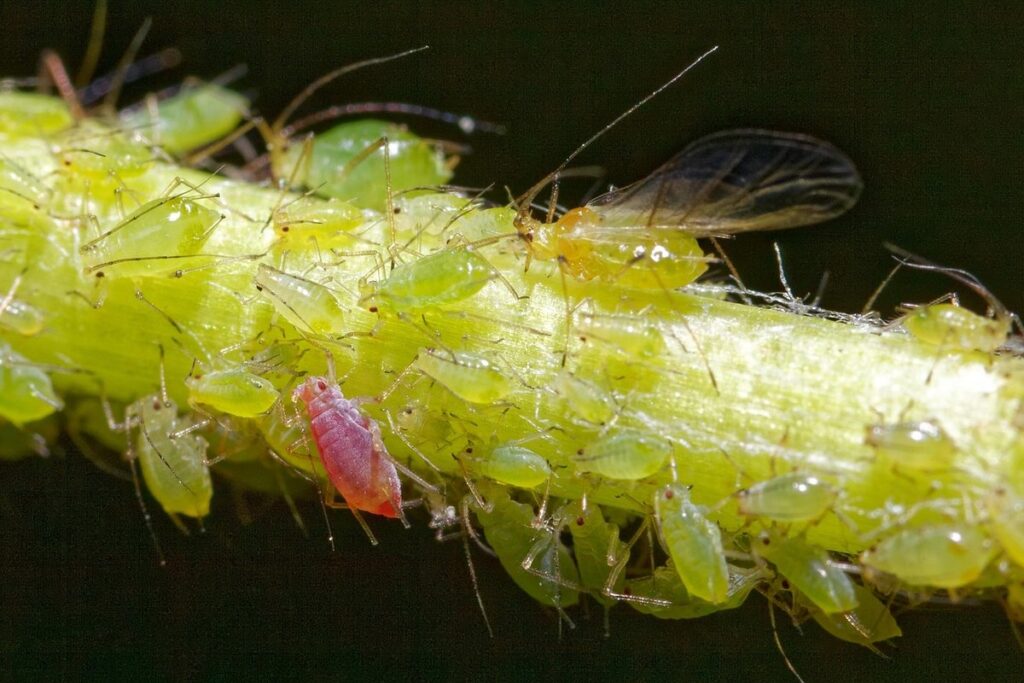
Understanding Aphid Biology and Temperature Sensitivity
To effectively kill aphids with temperature, it’s crucial to understand their biology and how different temperatures affect their life cycle. Let’s dive into the specifics of aphid development and heat sensitivity.
How Aphids Develop Resistance to Temperature Extremes
Aphids’ ability to withstand extreme temperatures is a fascinating phenomenon that has puzzled scientists and gardeners alike. But have you ever wondered what makes them so resilient? The answer lies in their unique biology.
You see, aphids have an incredible capacity for adaptation, which allows them to survive in a wide range of temperature conditions. This is largely due to the fact that they have multiple generations in a short period, typically 7-10 days, depending on species and environmental factors. This rapid reproduction cycle means that individuals that are not tolerant of extreme temperatures can still produce offspring that are more resilient. For example, a study found that the green peach aphid’s population grew exponentially at temperatures between 18°C to 32°C (64°F to 90°F), indicating their tolerance for these ranges.
However, there is a threshold beyond which even the most resilient aphids cannot survive. High temperatures above 38°C (100°F) or below 0°C (32°F) can cause significant damage to their physiology and lead to population decline. By understanding these temperature limits, gardeners can use temperature fluctuations as a natural control method to manage aphid populations.
Some research has shown that certain plant varieties release chemical signals when exposed to heat stress, which can also repel aphids. For instance, the production of volatile organic compounds (VOCs) like isoprene and terpenes by plants under heat stress can attract predators or trigger defense responses in aphids. This complex interaction between temperature, plant chemistry, and aphid behavior offers a promising area for further exploration in integrated pest management strategies.
The Role of Temperature in Aphid Life Cycle Development
Temperature plays a crucial role in regulating the life cycle of aphids. The development of different stages is significantly influenced by temperature fluctuations. For instance, egg hatching is typically triggered by temperatures above 10°C (50°F). At this point, the eggs begin to absorb moisture and nutrients from the surrounding environment, preparing for emergence.
As nymphs develop, optimal temperatures range between 15°C to 25°C (59°F-77°F), allowing them to grow and molt. Within this temperature window, aphids can complete their development in as little as two weeks. On the other hand, temperatures above or below the optimal range slow down growth and increase mortality rates.
Adult reproduction is also affected by temperature. Warm temperatures between 20°C to 30°C (68°F-86°F) stimulate high reproductive rates, while colder temperatures hinder oviposition. Understanding these thermal requirements can be a valuable tool in managing aphid populations using temperature-based strategies.
Why Temperature Matters in Managing Aphid Populations
Temperature plays a significant role in managing aphid populations, and understanding its impact is crucial to effectively controlling these pests. Let’s dive into why temperature matters when it comes to killing aphids.
The Impact of Heat Stress on Aphid Mortality Rates
When temperatures soar, aphid mortality rates skyrocket. This phenomenon can be leveraged as an effective tool in managing aphid populations. Research has shown that high temperatures can induce a state of heat stress in aphids, leading to increased energy expenditure and reduced reproduction. As a result, the population growth rate slows down, and eventually, the aphid colony collapses.
A study conducted by entomologists found that exposure to temperatures above 30°C (86°F) resulted in a significant increase in aphid mortality rates within 24 hours. Furthermore, the study demonstrated that repeated heat stress events can lead to long-term population decline. By exploiting this vulnerability, gardeners and farmers can adopt a targeted approach to controlling aphid populations using temperature.
To maximize this strategy, consider maintaining temperatures above 28°C (82°F) during peak aphid activity periods. This can be achieved through the use of greenhouse covers or row covers in outdoor settings. Regular monitoring of temperature and humidity levels is crucial to ensure optimal conditions for heat stress induction. By combining this approach with other management techniques, you can effectively reduce aphid populations and promote a healthier ecosystem.
Cold Temperatures: A Lesser-Known Method for Controlling Aphids
When it comes to managing aphid populations, temperature control is often overlooked as an effective method. However, cold temperatures can be a powerful tool in the fight against these pests. One lesser-known method for controlling aphids is through thermal shock treatment. This involves exposing infested plants to sudden and extreme cold temperatures, usually below 40°F (4°C), to kill aphid eggs, nymphs, and adults.
Thermal shock treatment can be achieved using various methods such as moving plants outdoors during a cold snap or placing them in a cold storage room for several hours. For example, researchers have shown that exposing potato plants to -2°C (28°F) for 3-4 hours can reduce aphid populations by up to 90%. However, it’s essential to note that this method is not suitable for all plant species and must be carefully monitored to avoid damage.
Before attempting thermal shock treatment, make sure to research the specific temperature tolerance of your plants. Additionally, ensure proper ventilation during treatment to prevent water condensation from damaging leaves or stems.
Identifying Optimal Temperature Ranges for Aphid Control
To effectively control aphids, understanding the ideal temperature ranges that can help suppress their populations is crucial. Let’s dive into identifying those optimal temperatures now.
Analyzing Research on Heat and Cold Tolerance Thresholds
To effectively control aphid populations, it’s essential to understand the optimal temperature ranges for killing them. Research has shown that temperatures between 38°C and 40°C (100°F to 104°F) can be lethal to aphids, but this can vary depending on the climate zone and crop type.
Studies have demonstrated that in temperate regions, temperatures above 35°C (95°F) can significantly reduce aphid populations. However, in tropical climates, temperatures as low as 25°C (77°F) can also be effective. For example, a study conducted in a subtropical region found that temperatures between 28°C and 32°C (82°F to 90°F) were most effective for controlling aphid populations on citrus trees.
When selecting an optimal temperature range for aphid control, consider the specific climate zone and crop type you’re working with. In regions with mild winters, it may be more effective to use temperatures between 30°C and 35°C (86°F to 95°F) to reduce the risk of chilling injury. On the other hand, in areas with harsh winters, warmer temperatures above 40°C (104°F) may be necessary to ensure aphid mortality.
When applying temperature-based control methods, it’s crucial to monitor the temperature fluctuations and adjust as needed. This might involve using greenhouse covers or misting systems to maintain optimal temperatures for a prolonged period. By understanding the heat tolerance thresholds of aphids in your specific region and crop type, you can develop targeted strategies for effective aphid control.
Factors Affecting Temperature-Induced Mortality in Aphids
When it comes to using temperature as an effective control method for aphids, several environmental factors can either enhance or hinder its effectiveness. For instance, humidity plays a significant role in the process. High humidity levels allow aphid populations to thrive and make them more resistant to heat stress, whereas low humidity levels can exacerbate temperature-induced mortality. To maximize the impact of temperature-based control methods, maintain a relative humidity level between 30-60%.
Air circulation is another critical factor that affects the efficacy of temperature-based aphid control. Adequate air movement helps in dispersing heat evenly and ensuring all aphids are exposed to the lethal temperatures. In contrast, stagnant air conditions can lead to uneven heating and reduced mortality rates.
Plant water stress also has a significant impact on the effectiveness of temperature-based control methods. Water-stressed plants tend to have higher concentrations of volatile organic compounds (VOCs), which can enhance the toxicity of heat-induced stress in aphids. Conversely, well-watered plants may exhibit lower VOC emissions, reducing the efficacy of temperature-based control methods.
When using temperature-based aphid control methods, it is essential to consider and manage these environmental factors to optimize their effectiveness. By controlling humidity, ensuring adequate air circulation, and maintaining optimal plant water levels, you can create a more conducive environment for killing aphids with temperature.
Implementing Temperature-Based Control Methods in Your Garden or Farm
Now that you have a solid understanding of temperature-based methods for killing aphids, it’s time to put these techniques into action in your garden or farm. Let’s dive into practical strategies and tips for implementing effective temperature control methods.
Practical Considerations for Heat and Cold Treatment Systems
Implementing temperature-controlled systems for managing aphids on a larger scale can be a significant investment. Before committing to such a system, it’s essential to assess its feasibility and cost-effectiveness. Consider the size of your garden or farm, as well as the specific needs of your crops.
For instance, if you have a large plot of land with multiple crop varieties, an integrated temperature control system might be more practical than individualized heating or cooling units for each section. However, if you have limited space and resources, investing in smaller-scale solutions like portable heaters or fans could be a more viable option.
It’s also crucial to evaluate the energy consumption and running costs of your chosen system. Some systems may require substantial amounts of electricity or fuel, which can significantly increase your expenses. Look for systems with high efficiency ratings and consider using renewable energy sources whenever possible. By carefully weighing these factors, you can make an informed decision about whether temperature-controlled systems are right for your garden or farm.
Integrating Temperature-Induced Aphid Mortality with Other Control Measures
When combining temperature-based control methods with other Integrated Pest Management (IPM) techniques, you can achieve even more effective aphid management. Consider pairing thermal treatments with biological controls like ladybugs or lacewings, which prey on aphids and help reduce populations.
For example, if you’re using a temperature-controlled greenhouse to raise the temperature above 104°F (40°C), you could also introduce these beneficial insects to further control aphid numbers. This multi-faceted approach can lead to more significant reductions in pest populations compared to relying solely on temperature-based methods or IPM techniques alone.
Chemical pesticides can also be integrated with thermal treatments, but use them judiciously and at the right time – typically when temperatures are not high enough to kill aphids effectively. Be aware that repeated chemical applications can lead to pesticide resistance and negatively impact beneficial insects.
Ultimately, a combination of temperature-based control methods and other IPM techniques provides the most comprehensive approach to managing aphid populations.
Frequently Asked Questions
Can I use temperature-based control methods on plants that are already infested with aphids?
Yes, you can still use temperature-based control methods even if your plants are already infested with aphids. However, it’s essential to be cautious when applying heat or cold treatments to avoid damaging the plant itself. Start by monitoring the temperature sensitivity of your specific plant species and gradually apply the treatment to minimize damage.
How long does it take for aphid populations to decline after implementing a temperature-based control method?
The time it takes for aphid populations to decline after implementing a temperature-based control method can vary depending on several factors, including the severity of infestation, temperature range, and duration of treatment. Generally, you can expect to see noticeable declines in aphid populations within 1-3 days of applying heat or cold treatments.
Can I use both heat and cold temperatures for controlling aphids simultaneously?
While it’s technically possible to apply both heat and cold temperatures simultaneously, this approach may not be the most effective strategy. Aphids are highly adaptable, and exposure to extreme temperature fluctuations can actually increase their chances of survival. Focus on applying a single, targeted temperature treatment that aligns with your plant species’ specific tolerance thresholds.
What are some common mistakes to avoid when implementing temperature-based control methods?
Common mistakes include over-treating plants with heat or cold temperatures, which can lead to damage or even kill the plant itself. Additionally, failing to monitor temperature sensitivity and adapt treatment plans accordingly can also hinder success. Regularly assess your plant’s response to temperature treatments and adjust as needed.
How do I integrate temperature-based control methods with other pest management strategies?
Integrating temperature-based control methods with other pest management strategies is crucial for long-term success. Combine heat or cold treatments with physical barriers, biological controls, or chemical pesticides to create a multi-faceted approach that minimizes the risk of developing resistance in aphid populations. Regularly monitor and adjust your integrated strategy based on changing environmental conditions and pest population dynamics.