
If you’re like many dog owners, you’ve likely had your fair share of worrying about your furry friend getting into trouble around the house. And if you’re also an avid gardener or plant enthusiast, you know that it’s not just the mess they can make that’s a concern – but also the potential harm they could cause to your beloved pets.
Some plants are notoriously toxic to dogs, and even a small nibble can lead to serious health issues. But don’t worry, we’ve got you covered! In this article, we’ll take you through the basics of identifying toxic plants, share expert advice on prevention methods, and explore safe alternatives for a harmonious home environment where both your pets and plants can thrive together in perfect balance.
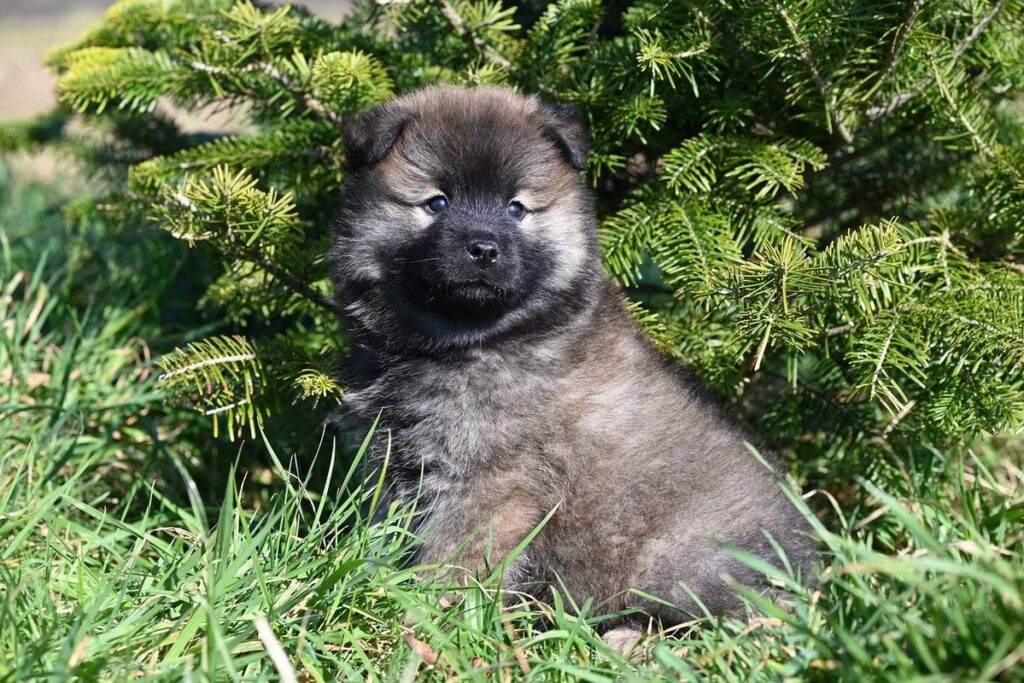
The Dangers of Dogs and Plants
As you’ve learned about the importance of protecting your plants, it’s also crucial to understand the dangers they pose to your furry friends. This is where the risks of dogs getting into trouble with plants come in.
Why Dogs Love to Eat Plants
Dogs are naturally inclined to explore their surroundings using their senses of smell and taste. When they encounter plants, they may be attracted by the texture, scent, and taste of leaves, stems, and flowers. This instinctual behavior is often driven by curiosity and a desire to investigate novel objects and smells.
In addition to their natural instincts, dogs are also drawn to plants due to their high moisture content and sweet taste. Many plants contain sugars, amino acids, or other compounds that are appealing to canines. For example, some dogs may be particularly fond of munching on succulents like aloe vera or eucalyptus.
To deter your dog from eating plants, it’s essential to understand their motivations and provide them with suitable alternatives. Offer healthy treats and toys that stimulate their senses, such as puzzle toys filled with tasty kibble or long-lasting chew toys made from durable rubber. By redirecting their attention away from plants, you can help keep them safe and prevent any potential harm caused by ingestion of toxic substances.
Common Toxic Plants That Harm Dogs
When it comes to keeping our furry friends safe, it’s essential to be aware of the common household plants that can harm them. Unfortunately, many popular plants are toxic to dogs, and it’s not just limited to a few exotic varieties.
Lilies, for example, are some of the most poisonous plants for dogs. Even small amounts can cause severe kidney damage, and it only takes one bite of an entire lily plant to be fatal. If you suspect your dog has ingested any part of a lily, rush them to the vet immediately. Tulips are another common household plant that’s toxic to dogs, causing symptoms like vomiting, diarrhea, and excessive drooling.
Snake plants (also known as Mother-in-Law’s Tongue) may seem harmless, but they contain a toxin called calcium oxalate, which can cause oral and gastrointestinal irritation in dogs. If your dog chews on a snake plant, monitor them closely for signs of discomfort, such as pawing at their mouth or vomiting.
If you’re unsure about the toxicity of any plant in your home, keep it out of reach of your furry friends. And remember, better safe than sorry – if you suspect poisoning, don’t hesitate to seek veterinary help right away.
How Plant Consumption Can Affect Your Dog’s Health
When dogs ingest plants, it can have severe consequences for their health. In the short term, plant consumption can lead to digestive issues such as vomiting and diarrhea. This is often caused by the dog’s body reacting to the toxic compounds present in the plant.
In extreme cases, some plants like Lily and Sago Palm can cause kidney damage or even failure if ingested in large quantities. For instance, a study found that 72% of dogs who ate lily parts experienced severe kidney damage. It is essential to identify which plants are toxic to your dog and take immediate action if you suspect consumption.
In the long term, repeated exposure to plant toxins can lead to chronic health problems, including liver disease and gastrointestinal issues. For example, a dog that frequently eats plants may develop persistent vomiting or diarrhea. To prevent these issues, it is crucial to keep plants out of reach of your furry friends and educate yourself on which plants are toxic to dogs.
Prevention is Key: Protecting Plants from Dogs
To keep your plants safe from curious canines, it’s essential to prevent encounters from happening in the first place, and we’ll show you how. This section offers practical tips for plant protection.
Using Physical Barriers to Keep Plants Out of Reach
When it comes to keeping dogs away from plants, using physical barriers is an effective solution. One of the simplest ways to achieve this is by placing plants on high shelves or plant stands that are out of reach for your furry friends. For example, you can use a tall bookshelf or a freestanding plant stand to elevate your plants, making it impossible for them to jump up and nibble on the leaves.
Another option is to use room dividers to block off areas where plants are kept. This not only prevents dogs from accessing the plants but also creates a visually appealing separation between different parts of your home. You can choose from various styles and materials, such as fabric, wood, or glass, depending on your personal preference and decor.
To maximize the effectiveness of physical barriers, consider the following tips:
• Choose sturdy and stable plant stands that won’t tip over easily.
• Place heavy objects, like books or vases, on shelves to prevent accidental tipping.
• Secure room dividers in place to prevent them from being easily moved by curious dogs.
Training Your Dog to Leave Plants Alone
Training your dog to leave plants alone requires patience, consistency, and positive reinforcement. The goal is to teach your dog that plants are off-limits, not to punish them for touching them. Start by identifying the specific plants your dog is attracted to and placing them out of reach or in a secure location.
Use positive reinforcement techniques such as rewarding your dog with treats and praise when they ignore the plants. For example, if you’re training near a plant, say “leave it” and hold a treat near your dog’s nose. When they show no interest in the plant, give them the treat and praise them.
Redirect your dog’s attention to an acceptable alternative, such as a chew toy or a long-lasting treat-filled Kong. Consistency is key; ensure all family members are using the same commands and rewards. With time and practice, your dog will learn to leave plants alone and find more appealing alternatives. Remember to be patient and adjust your training approach as needed to suit your dog’s unique personality and needs.
Using Deterrents to Keep Dogs Away from Plants
Using deterrents is an effective way to keep dogs away from plants. These can be homemade solutions like citrus sprays, hot pepper sprays, or commercial plant repellents. Citrus sprays are a popular choice as dogs tend to dislike the smell and taste of citrus fruits.
To make a citrus spray, mix 1 cup of water with 10-15 drops of citrus essential oil (such as lemon or orange) in a spray bottle. Spray the solution directly on the plants you want to protect. You can also add a few drops of dish soap to help the spray adhere to the leaves.
Hot pepper sprays are another option, but be cautious not to overdo it, as they can burn your skin and eyes. Mix 1 cup of water with 5-7 drops of hot sauce (like Tabasco) in a spray bottle. Spray the solution on the plants, but avoid getting any on your dog’s fur or paws.
When choosing commercial repellents, read reviews and labels carefully to ensure they’re safe for both humans and dogs. Some popular options include Shake-Away and Grannick’s Bitter Apple Spray. Follow the manufacturer’s instructions for application rates and timing to maximize their effectiveness.
Safe Plant Alternatives for Dog Owners
If you’re a dog owner who loves plants, finding safe alternatives is crucial. This section explores non-toxic options that’ll keep your furry friend happy and healthy.
Dog-Friendly Houseplants That Are Non-Toxic
As a dog owner, you’re likely aware of the risks associated with having plants that are toxic to your furry friends. But what about when you want to bring some greenery into your home? Worry not! There are plenty of dog-friendly houseplants that are perfect for your space.
Spider plants are an excellent choice for pet owners. Not only do they purify the air and thrive in indoor conditions, but they’re also extremely easy to care for. Plus, their delicate white flowers add a touch of elegance to any room. Parlor palms are another great option, with slender stems that can grow up to 6 feet tall. They prefer bright indirect light, making them perfect for rooms with plenty of natural light.
But here’s the thing: catnip isn’t just for cats! While it may be toxic to felines in large quantities, a small amount is perfectly safe for dogs. In fact, some dog owners swear by using catnip as a calming agent for their pets. So go ahead and get creative with your indoor space – we’ve got the lowdown on the safest plants to have around your furry friends.
Creating a Dog-Friendly Garden or Yard
Creating a dog-friendly garden or yard is a great way to enjoy the outdoors with your furry friends while minimizing the risk of plant poisoning. When designing your outdoor space, consider creating a dog-free zone where your pets can’t access toxic plants. This could be as simple as blocking off an area with baby gates or fencing.
When it comes to fertilizing your pet-friendly garden, look for organic options that are free from toxic chemicals like pesticides and herbicides. These will not only keep your dogs safe but also promote healthy plant growth. Some great alternatives include fish emulsion, bone meal, or compost tea.
Low-maintenance plants are another essential element of a dog-friendly garden. Opt for plants that can thrive in poor soil conditions or require minimal watering, such as succulents or grasses. These will reduce the need for fertilizers and pesticides, making them an excellent choice for pet owners. Some popular low-maintenance options include sedum, yucca, and catmint.
By incorporating these elements into your garden design, you can create a safe and enjoyable outdoor space for both you and your furry friends to enjoy. Remember, with a little planning and creativity, it’s easy to create a dog-friendly garden that’s free from toxic plants.
How to React If Your Dog Eats a Toxic Plant
If your dog accidentally ingests a toxic plant, stay calm and act quickly by removing any remaining plant material from their mouth and seeking veterinary attention immediately. Don’t delay.
Recognizing the Symptoms of Plant Poisoning
If you suspect that your dog has ingested a toxic plant, it’s crucial to recognize the symptoms of plant poisoning. Some common signs to watch out for include vomiting and diarrhea, which can range from mild to severe. Your dog may also display lethargy or depression, such as acting sluggish or uninterested in their usual activities.
Keep an eye on your dog’s behavior and physical condition over the next few hours after exposure. If they’re experiencing difficulty breathing, have seizures, or are showing signs of cardiac problems, seek immediate veterinary attention. In some cases, plant poisoning can also cause liver damage or kidney failure, so monitor for any changes in their appetite, water intake, or urination habits.
If you notice any of these symptoms, contact your veterinarian right away. Provide as much information as possible about the type of plant and the amount consumed. Your vet may recommend activated charcoal to help absorb the toxins or perform blood work to assess liver function. Every minute counts in treating plant poisoning, so stay vigilant and act quickly if you suspect your dog has ingested a toxic plant.
What to Do If You Suspect Your Dog Has Eaten a Toxic Plant
If you suspect your dog has eaten a toxic plant, it’s essential to act quickly and follow these steps. First, remain calm and think about the type of plant that was ingested. This information will be crucial when you contact your vet or an emergency hotline.
Next, gather as much information as possible about the incident, including the amount of plant material consumed and the time frame in which it happened. Take note of any symptoms your dog is exhibiting, such as vomiting, diarrhea, or lethargy.
Contact your veterinarian or a pet poison hotline (such as the ASPCA’s 24/7 Animal Poison Control Center at 888-426-4435) immediately for guidance on what to do next. They will provide you with advice on whether your dog needs to be seen by a vet and can guide you through any necessary treatment.
In some cases, your vet may recommend inducing vomiting or administering activated charcoal to help absorb the toxin. However, in other situations, it’s best not to induce vomiting, as this can cause more harm than good. Your vet will advise on the best course of action based on their professional expertise and knowledge of the specific plant involved.
Tips for a Safe and Happy Home for Both Dogs and Plants
As you strive to create a harmonious home environment, it’s essential to balance your love of plants with your furry friend’s natural instincts. Here are some practical tips to help you achieve just that.
Creating a Harmonious Living Space
Creating a harmonious living space that’s safe and happy for both dogs and plants requires attention to detail and a willingness to make some changes. As we’ve discussed throughout this article, preventing dogs from accessing plants is crucial to keeping them out of harm’s way. However, it’s equally important to ensure your home remains a welcoming environment for your furry friends.
First and foremost, regular cleaning and maintenance are essential in maintaining a harmonious living space. This means setting aside time each week to clean up after your dog, including washing any areas where they’ve had accidents or shed heavily. For plants, this may involve watering, pruning, and fertilizing to keep them healthy and thriving.
It’s also crucial to establish clear boundaries and rules within your home. Designate specific areas as “plant zones” and ensure your dog is aware of these spaces through positive reinforcement training. This can include using verbal commands or visual cues to remind them to stay away from plants.
In addition to cleaning and boundary-setting, it’s essential to consider the overall layout of your home. If possible, place plants in high locations or out of reach for your dog. You can also use plant stands or shelves to elevate them, making it more difficult for your dog to access.
Another practical tip is to use physical barriers to protect your plants from curious dogs. Consider using baby gates or pet screens to block off areas where plants are located. These barriers not only keep your dog away but also provide an added layer of protection for your plants.
By following these tips, you can create a harmonious living space that’s safe and happy for both dogs and plants. Remember, it’s all about finding balance and making adjustments as needed to ensure everyone – including your furry friends – feels welcome and comfortable in your home.
Frequently Asked Questions
Can I still have a garden if I have multiple dogs that like to eat plants?
Yes, you can still have a garden with multiple dogs, but it requires extra effort and planning. Start by identifying toxic plants and replacing them with dog-friendly alternatives. Use physical barriers or deterrents to keep your dogs away from the remaining plants. Regularly inspect your garden and yard for signs of damage or plant ingestion.
What if I accidentally bring home a toxic plant without realizing it?
Don’t worry, mistakes happen! If you suspect you’ve brought home a toxic plant, carefully remove any loose soil or debris, and place the plant in a sealed container away from your dogs. Research the plant’s toxicity level and take necessary precautions to prevent future ingestion.
How do I know if my dog has eaten a toxic plant?
Keep an eye on your dog’s behavior after exposure to plants. Watch for symptoms like vomiting, diarrhea, lethargy, or excessive drooling. If you suspect your dog has ingested a toxic plant, act quickly and contact your veterinarian or a pet poison hotline.
Can I use a combination of deterrents and training to keep my dogs away from plants?
Yes! Combining physical barriers, deterrents, and training can be an effective way to keep your dogs away from plants. Deterrents like citrus sprays or sticky tapes can help repel your dogs, while training them with positive reinforcement techniques can reinforce good behavior.
What if I have a large yard with many plants, and it’s hard to prevent my dog from accessing them all?
If you have a large yard with multiple plants, consider dividing the space into separate areas for plants and playtime. Use physical barriers or fencing to restrict access to high-risk areas, and install deterrents like sprinklers or ultrasonic repellent devices to keep your dogs away from specific plants.