
Keeping chickens in your garden can be a fun and rewarding experience, not to mention a great way to have fresh eggs right on hand. But before you start collecting eggs from your backyard flock, it’s essential to make sure you’re giving your birds the best possible chance at happiness and health. With so many different breeds to choose from, figuring out which ones are right for your space can be daunting, and building a coop that will keep your chickens safe and secure is no small task. In this article, we’ll walk you through everything you need to know about raising happy and healthy backyard chickens, covering topics like breed selection, coop building, nutrition, health considerations, and common issues to watch out for. By the end of it, you’ll be well on your way to raising a thriving flock in your own garden.
Benefits of Keeping Chickens
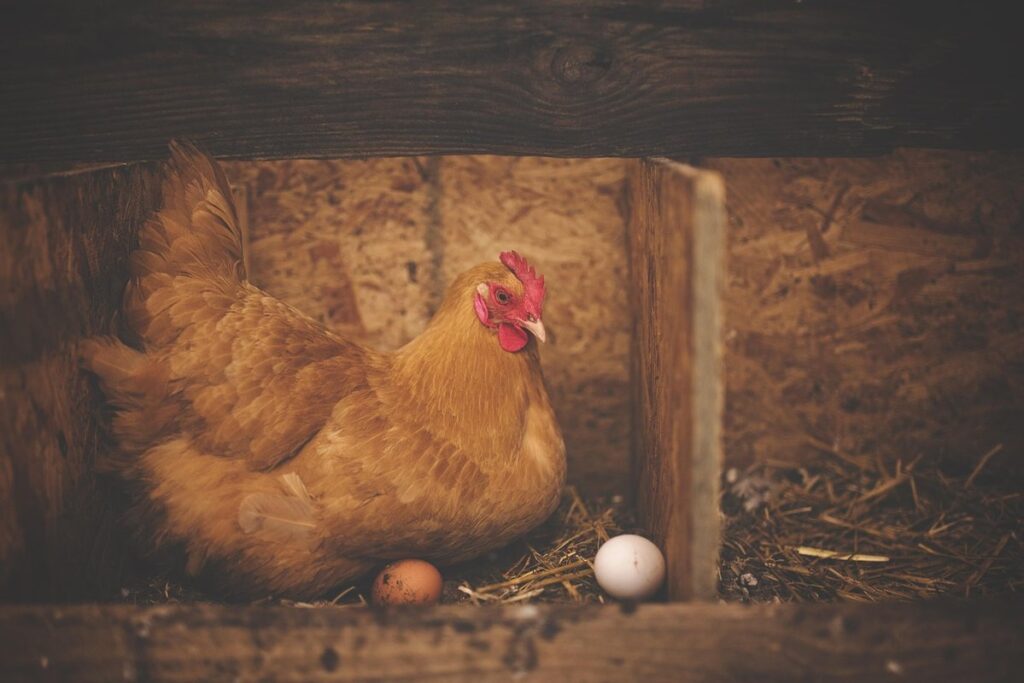
Having chickens in your garden can bring a multitude of benefits, from fresh eggs to improved soil health and pest control. Let’s explore some of these advantages up close.
Why Raise Backyard Chickens?
Raising backyard chickens is an incredibly rewarding experience that offers numerous benefits for both you and your family. Let’s start with the obvious: fresh eggs! There’s nothing quite like collecting a basket full of freshly laid eggs from your own backyard flock. Not only are they delicious, but they’re also a great way to ensure a steady supply of healthy, chemical-free eggs.
But that’s not all – keeping chickens can also provide valuable pest control services for your garden. Chickens love to snack on slugs, snails, and other pests that can damage your plants, reducing the need for pesticides and maintaining a healthier ecosystem.
Beyond the practical benefits, raising backyard chickens can be a fun and educational experience for families with children. Watching chicks hatch from eggs, learning about chicken behavior, and caring for these fascinating creatures can foster a sense of responsibility and appreciation for nature in kids.
As you consider keeping chickens in your garden, remember to also enjoy the entertainment value they provide. Whether it’s watching them roam around the yard or simply enjoying their lively personalities, having backyard chickens can add a new layer of joy and connection to nature to your daily life.
Space Requirements for a Chicken Coop
When it comes to keeping chickens in your garden, one of the most critical considerations is providing sufficient space for their coop and run. Chickens need room to roam, exercise, and engage in natural behaviors like foraging and scratching.
To determine if your yard has enough space, start by measuring its dimensions. Consider the size of your coop, as well as the area where you’ll be creating a run or enclosed space for your flock. A general rule of thumb is to provide at least 2-4 square feet of outdoor space per chicken inside the coop and an additional 8-10 square feet of run space per bird.
For example, if you’re planning to keep three chickens, you’ll need a minimum of 6-12 square feet of coop space and around 24-30 square feet of run area. However, this can vary depending on factors like breed, climate, and local regulations. Be sure to research the specific needs of your chosen chicken breed and plan accordingly.
Remember, overcrowding can lead to stress, disease, and poor egg production, so it’s essential to prioritize providing ample space for your flock. By doing so, you’ll create a happy and healthy environment that benefits both your chickens and your garden.
Choosing the Right Breed
When it comes to choosing the right breed of chicken for your garden, there are several factors to consider, including climate, space, and egg-laying requirements.
The good news is that many breeds are well-suited to backyard keeping, so you’re sure to find one that fits your needs.
Considerations When Selecting a Breed
When selecting a breed for your backyard flock, it’s essential to consider several key factors. Firstly, think about egg-laying capacity – do you want a prolific layer, or are you happy with a more modest supply? Some breeds, such as Leghorns and Rhode Island Reds, are renowned for their high egg production, while others like Silkies and Polish may lay fewer eggs.
Temperament is another critical consideration. If you have children or other pets, you’ll want a breed that’s friendly and docile. For example, Brahmas and Orpingtons are known for their gentle nature, making them an excellent choice for families. On the other hand, if you’re looking for a more energetic breed to keep pests under control, you may prefer a feisty Leghorn or Rhode Island Red.
Noise level is another important consideration – some breeds can be quite vocal! If you live in a residential area, you may want to opt for a quieter breed like the Buff Orpington. Climate adaptability is also crucial, as some breeds are better suited to hot or cold temperatures than others. For instance, if you live in an area with harsh winters, you’ll want to choose a breed that’s hardy and resistant to frostbite.
Ultimately, the right breed for your backyard flock will depend on your specific needs and circumstances. Research different breeds, read reviews from other chicken keepers, and consider factors like egg-laying capacity, temperament, noise level, and climate adaptability to ensure you make an informed decision.
Popular Backyard Chicken Breeds for Beginners
If you’re new to backyard chicken-keeping, it’s essential to choose breeds that are well-suited for small spaces and easy to care for. Leghorns are a popular choice for beginners, as they’re prolific layers producing an average of 280 large brown eggs per year. They’re lightweight, friendly birds that require minimal space and can thrive in even the smallest backyards.
Another excellent option is the Rhode Island Red, known for their rich brown eggs and gentle nature. They’re relatively low-maintenance, hardy birds that are resistant to many common chicken diseases. With a lifespan of 8-10 years, they’re a long-term companion for any backyard flock.
The Barred Rock is another popular breed perfect for small backyards. They’re friendly, docile birds with a unique appearance and excellent egg-laying abilities. On average, they produce around 200 brown eggs per year and are relatively easy to handle, making them an ideal choice for beginners.
When selecting a breed, remember that size matters – smaller breeds like Leghorns require less space and food, while larger breeds need more room to roam and exercise.
Building a Chicken Coop
When it comes to keeping chickens, building a safe and secure coop is crucial for their health and happiness. Let’s dive into designing and constructing a perfect chicken coop for your backyard flock.
Essential Features of a Chicken Coop
When designing your chicken coop, there are several essential features to consider for a safe and healthy environment for your flock. Ventilation is crucial to prevent ammonia buildup from droppings, which can cause respiratory problems in chickens. Ensure that your coop has adequate windows or vents to provide airflow, ideally with a ratio of one square foot of ventilation per 10 square feet of coop space.
Nesting boxes are another vital feature, providing a safe and comfortable place for hens to lay their eggs. Aim for at least one nesting box per three to four hens, ensuring they’re around 12 inches wide, 12 inches deep, and have a roof or canopy for privacy. Predator protection is also essential, with hardware cloth or chicken wire wrapped around the coop’s perimeter to prevent foxes, raccoons, and other predators from getting in.
When it comes to predator protection, consider adding a secure roof, sturdy doors, and strong locking mechanisms. You can also add a fence around your coop and run to create an enclosed area. Remember to research local building codes and regulations before starting your project to ensure you’re meeting all necessary requirements.
DIY vs. Pre-Built Coops: Pros and Cons
When it comes to building a chicken coop, one of the biggest decisions you’ll face is whether to go for a custom-built coop or purchase a pre-made one. Both options have their pros and cons, which we’ll delve into below.
Building a custom coop gives you complete control over the design, size, and materials used. You can tailor it to your specific needs and garden layout, ensuring that it integrates seamlessly with your existing landscape. Custom coops are also more durable and long-lasting since they’re built using high-quality materials that will withstand the elements for years to come. However, the cost of a custom coop can be higher than purchasing a pre-made one, especially if you hire a professional builder.
On the other hand, pre-built coops offer convenience and affordability. They’re readily available at most farm supply stores or online retailers, and they usually come with clear instructions for assembly. Pre-built coops are also often designed with ease of cleaning and maintenance in mind, which can save you time and effort in the long run. However, their durability may be compromised if they’re made from lower-quality materials.
It’s essential to weigh your priorities when deciding between a custom and pre-built coop. If budget is a concern or you’re short on DIY skills, a pre-made coop might be the way to go. But if you value customization and long-term durability, investing in a custom-built coop could be worth the extra cost.
Caring for Your Chickens
To keep your flock happy and healthy, it’s essential to establish a routine that includes regular feeding, cleaning, and monitoring their health and behavior. Let’s dive into these crucial care tasks together!
Nutrition and Feeding Habits
Providing your chickens with a balanced diet is crucial for their overall health and well-being. A mix of commercial feed and supplementing with fruits and vegetables will give them the nutrients they need to thrive.
Commercial feed should make up the bulk of your chickens’ diet, as it provides the essential vitamins and minerals they require. However, many experts recommend supplementing with fruits and vegetables to add variety and prevent boredom. Some excellent options include leafy greens like kale, spinach, and collard greens, as well as colorful bell peppers, carrots, and apples.
When introducing new foods, do so gradually to prevent digestive upset. Start by mixing small amounts of fresh produce into their commercial feed, gradually increasing the proportion over time. It’s also essential to ensure that your chickens have access to clean, fresh water at all times.
Some great fruits for chickens include berries, melons, and citrus fruits like oranges and lemons. Leafy greens can be given raw or cooked – simply chop them up and add to their feed.
Health Considerations and Common Ailments
As a backyard chicken keeper, it’s essential to be aware of common health issues that can affect your flock. One of the most prevalent problems is internal and external parasites like mites and lice. These tiny creatures feed on your chickens’ blood, causing discomfort, stress, and even anemia. To prevent infestations, regularly inspect your birds for signs of parasites, such as excessive scratching or pecking at their feathers.
Mites can also cause respiratory problems in your chickens, so keep an eye out for symptoms like labored breathing, sneezing, or coughing. If you suspect a mite infestation, treat your flock with a dust specifically designed to target these parasites. Another common health issue is respiratory problems, often caused by poor ventilation or inadequate space. Ensure your coop has adequate airflow and provide enough space for each bird (at least 2-4 square feet per chicken) to prevent overcrowding.
Regular vaccinations and maintaining good hygiene can also help prevent the spread of diseases in your flock. Always wash your hands thoroughly after handling your chickens, and clean their living area regularly to keep them healthy and happy.
Chicken Health and Hygiene
To keep your feathered friends happy and healthy, it’s essential to understand how to maintain good chicken health and hygiene practices in your garden. This section will cover the basics of cleanliness and disease prevention.
Biosecurity Measures for Your Flock
As you delve into keeping chickens in your garden, it’s essential to implement biosecurity measures to safeguard their health and well-being. Biosecurity refers to the practices and protocols put in place to prevent disease and pest infestations within your flock.
To maintain a healthy flock, regular cleaning is crucial. Remove soiled bedding materials, disinfect feeding and watering equipment, and scrub surfaces with a solution of 1 part white vinegar to 9 parts water. This will help reduce the risk of disease transmission.
Disinfecting new birds before integrating them into your existing flock is also vital. Isolate new additions for a minimum of two weeks, provide separate housing, food, and water, and monitor their health closely. Consider quarantining new birds in a designated area to prevent cross-contamination with the rest of the flock.
By incorporating these biosecurity measures into your daily routine, you’ll significantly reduce the risk of disease outbreaks within your flock, ensuring they remain healthy and happy.
Common Pests and Predators: Prevention and Control
Backyard chickens can be vulnerable to various pests and predators that can cause stress, injury, and even death. Some common threats include rats, mice, foxes, and hawks. Rats and mice are attracted to easy food sources, such as spilled feed or uneaten treats, and can carry diseases like avian cholera and salmonella. Foxes, on the other hand, are sly and stealthy hunters that often target vulnerable birds.
Prevention is key when it comes to protecting your flock from these pests and predators. Keep the coop clean and free of food debris, secure any entry points, and use hardware cloth or chicken wire with openings no larger than 1 inch to prevent predator access. For rat and mouse control, store feed in rodent-proof containers, keep a tidy coop, and consider using natural deterrents like peppermint oil or ultrasonic repellents.
Hawks and other bird predators can be deterred by using visual deterrents such as shiny reflective tape or balloons around the perimeter of the coop. Regular monitoring of your flock’s behavior and surroundings is crucial in identifying potential threats early on.
Troubleshooting Common Issues
We’ve all been there – a chicken won’t stop clucking, or eggs are being produced at an alarming rate. Let’s tackle these common problems together and find solutions.
Handling Aggressive Chickens
When dealing with aggressive chickens, it’s essential to identify the root cause of their behavior. Chickens may become aggressive due to various reasons such as fear, territoriality, dominance hierarchy, or even boredom. For example, if a chicken feels threatened by a new addition to the flock, it may exhibit aggressive behavior towards the newcomer.
To address this issue, start by observing your chickens’ body language and behavior patterns. Look for signs of aggression such as raised hackles, hissing, or flapping wings. Once you’ve identified the aggressor, try separating them from the rest of the flock temporarily to assess their behavior in isolation.
Implementing behavioral modification techniques can also be effective in managing aggressive behavior. Introduce new chickens gradually and under close supervision to prevent territorial disputes. Provide adequate space for your birds to roam and exercise, as lack of stimulation can contribute to aggression. Offer a balanced diet and ensure access to clean water, as nutritional deficiencies may exacerbate behavioral issues.
Dealing with Chicken Noise Pollution
If you’re planning to keep chickens in your garden, it’s essential to be aware that they can generate noise. From clucking to chirping and even loud squawking when threatened or excited, their vocalizations can be a concern for some homeowners.
Firstly, understand that chickens are social creatures and will naturally communicate with each other. However, this doesn’t mean you can’t minimize the disturbance. One effective way is to create a quiet area within your coop where they can retreat from the rest of the flock when feeling overwhelmed or needing a break.
You can also use noise-reducing materials for your coop’s walls and floor, such as wood panels or acoustic insulation. Additionally, ensure your chickens are getting enough space to move around outside of their coop, which will help reduce tension within the flock and subsequently, noise levels.
Consider implementing a roosting bar in a quiet area where they can spend the night, away from other birds. By incorporating these strategies into your chicken-keeping setup, you’ll be better equipped to manage noise pollution from your backyard chickens.
Conclusion: Enjoying Your Backyard Chickens
You’ve reached the final stretch of your backyard chicken adventure, and now it’s time to sit back, relax, and enjoy the fruits of your labor. Let’s explore how to make the most of your flock’s presence in your garden.
Tips for Long-Term Success
As you near the end of your backyard chicken-keeping journey, it’s essential to remember that maintaining a healthy and happy flock is an ongoing process. With regular maintenance tasks, vigilant health monitoring, and a willingness to learn from your experience, you can enjoy the many benefits of raising backyard chickens for years to come.
First and foremost, establish a routine for cleaning the coop and run regularly. This task should be performed at least once a week, depending on the size of your flock and the conditions in which they live. Remove soiled bedding, clean food and water containers, and scrub any surfaces with mild detergent and warm water. Disinfecting the coop can also help prevent disease transmission.
Monitoring health is equally important. Keep an eye out for signs of illness or stress, such as changes in appetite, droopy wings, or unusual vocalizations. Research common chicken diseases and their symptoms to be better equipped to identify potential issues early on. A well-balanced diet, adequate space, and protection from predators will also go a long way in maintaining the health of your flock.
As you settle into the rhythm of backyard chicken-keeping, don’t forget to enjoy the many rewards it brings. Collect fresh eggs daily, watch your birds explore their surroundings, and bask in the knowledge that you’re providing for yourself and your community. Take advantage of opportunities to share your expertise with others or participate in local chicken-keeping groups.
By following these tips and staying committed to the well-being of your flock, you’ll be able to reap the long-term benefits of raising backyard chickens and enjoy a lifelong connection with nature.
Frequently Asked Questions
How do I introduce new chickens to an existing flock?
Introducing new chickens to an existing flock can be a challenging process, but with patience and proper planning, it can be done successfully. Start by introducing the new birds one at a time, allowing them to get used to each other’s presence before adding more. Provide a separate enclosure or pen for the new birds initially, and then gradually introduce them to the main flock under close supervision.
Can I keep chickens with other pets in my garden?
Yes, it is possible to keep chickens with other pets in your garden, but it requires careful consideration of their compatibility and safety. Research breeds that are suitable for multi-pet households and ensure that any predators or large animals won’t pose a threat to the chickens.
How do I prevent chicken escape artists from escaping the coop?
Chicken escapes can be frustrating and costly to repair. To prevent them, ensure the coop’s doors and windows are secure and consider adding hardware cloth or netting around the enclosure. Make sure to regularly inspect the coop for any weaknesses or gaps that could allow birds to escape.
Can I use recycled materials when building a chicken coop?
Yes, using recycled materials can be a great way to build an eco-friendly chicken coop. Consider repurposing old pallets, crates, and other wooden materials for framing and roofing your coop. Just ensure the materials are safe for chickens to come into contact with.
What should I do if my backyard flock contracts a disease?
If your backyard flock contracts a disease, it’s essential to take immediate action to prevent its spread. Consult local veterinary resources or poultry experts for advice on treatment options and biosecurity measures to protect the remaining birds. Consider quarantining affected birds from the rest of the flock to prevent further transmission.