
The joy of growing your own fresh herbs at home! But let’s face it, keeping those adorable basil plants alive can be a challenge. You want to enjoy the fragrance and flavor they bring to your cooking, but wilted or dying leaves are a common sight in many kitchens. The good news is that with some simple care and attention, you can keep your live basil plant thriving and ready to use at a moment’s notice. In this article, we’ll dive into the essential tips for keeping your basil happy and healthy, covering topics such as lighting, temperature, watering, soil quality, fertilization, pest management, pruning, and harvesting techniques. By following these expert advice, you’ll be well on your way to growing a lush and fragrant basil plant that will become a staple in your kitchen.
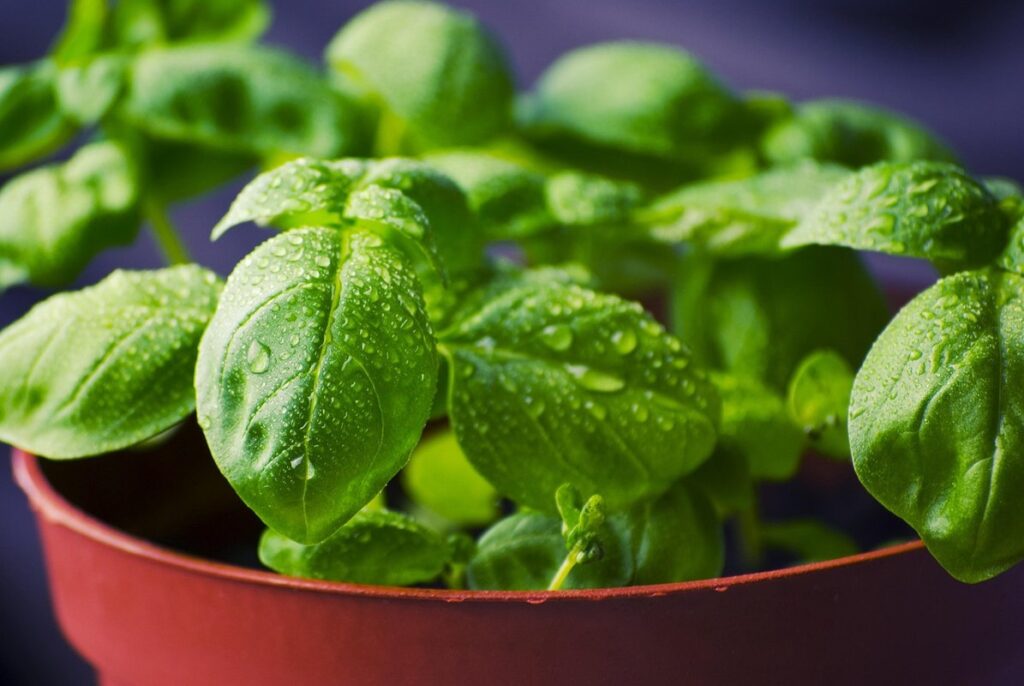
Choosing the Right Basil Variety
With so many basil varieties to choose from, selecting the right one for your live plant can make all the difference in its overall health and longevity. Let’s take a look at some popular options.
Understanding Basil Types
Basil comes in many forms, each with its own personality and needs. When choosing the right variety for your live basil plant, understanding these differences is crucial to keeping it thriving.
Sweet basil, a classic choice, has broad, bright green leaves with a distinctive sweet flavor. It’s relatively low-maintenance but requires consistent moisture to prevent leaf drop. If you’re growing sweet basil indoors, ensure good air circulation around the pot to prevent fungal diseases.
Thai basil, on the other hand, has narrower leaves and a spicy aroma. Its delicate nature makes it more finicky about temperature and humidity. It prefers cooler temperatures, typically between 60-70°F (15-21°C), and high humidity, making it less suitable for indoor growing unless you have a humid microclimate.
Lemon basil’s zesty flavor sets it apart from other varieties. Its bright green leaves are slightly more delicate than sweet basil’s, requiring similar care but also benefiting from a bit of direct sunlight to bring out its citrusy aroma. Whether you choose one of these or another variety, understanding the unique needs of your basil type will help keep your live plant alive and thriving.
Selecting Healthy Seedlings
When selecting healthy seedlings for your live basil plant, it’s essential to inspect them carefully. Look for plants with strong root systems that have a good balance of roots and leaves. A healthy root system will help your basil plant establish itself quickly and thrive in its new environment.
Choose seedlings with sturdy stems that are at least 6-8 inches tall. This will give your plant the best chance to grow well and produce plenty of fragrant leaves. Avoid seedlings with leggy or weak stems, as they may not recover from transplant shock.
Healthy basil plants should have vibrant green leaves with no signs of yellowing or discoloration. Check for any signs of pests or diseases, such as white powdery mildew or tiny insects on the leaves. If you notice any issues, choose a different seedling to ensure your plant gets off to a healthy start.
When selecting multiple seedlings, consider their overall appearance and condition. Avoid seedlings that are crowded together or have overlapping leaves, as this can lead to competition for resources and reduced growth rates.
Lighting and Temperature Requirements
To keep your live basil plant thriving, it’s crucial to provide it with optimal lighting and temperature conditions that promote healthy growth and prevent damage. We’ll cover these essential requirements in detail below.
Providing Adequate Light
Basil needs bright light to photosynthesize and grow well. Direct sunlight is ideal, but if you can’t provide that, supplemental lighting will do. The key is finding the right balance – too little light, and your basil won’t thrive; too much, and it might get scorched.
To determine how much direct sunlight your basil needs, place it near a south-facing window or outside in a sunny spot for a few hours each day. If that’s not possible, you can also use grow lights to provide the necessary light. For indoor plants, LED grow lights are a great option as they’re energy-efficient and produce minimal heat.
As a general rule, basil requires at least 4-6 hours of direct sunlight or supplemental lighting per day. However, some varieties like ‘Sweet Genovese’ can tolerate more shade than others. If you’re unsure about the specific needs of your basil plant, start with 4-5 hours of light and adjust accordingly based on its response.
Remember to rotate your plant regularly to ensure even growth and prevent it from leaning towards the light source. With proper lighting, your live basil plant will stay healthy and continue to produce fresh leaves for you to enjoy in salads and other dishes.
Maintaining Optimal Temperature
When it comes to keeping your live basil plant alive and thriving, maintaining optimal temperature is crucial. Basil growth prefers a temperature range between 60-70°F (15-21°C), which might seem like a narrow window, but trust us, it’s essential for preventing stress and promoting healthy development.
To regulate temperature fluctuations in different environments, start by understanding the temperature dynamics in your home or office space. If you live in an area with extreme temperatures, consider using a thermometer to monitor the temperature near your basil plant. Keep it away from drafty windows, air conditioning vents, and radiators that can cause sudden drops or spikes in temperature.
If you’re growing your basil indoors, you might need to take extra steps to maintain a stable temperature. Place your pot on a tray filled with water and pebbles to create a microclimate around the roots. This will help retain moisture and regulate temperature fluctuations. You can also use a space heater or fan to maintain a consistent temperature range in your indoor growing area.
Watering and Humidity Considerations
To keep your live basil plant thriving, it’s essential to understand how much water and humidity it needs, as these factors can make or break its health.
The Importance of Consistent Moisture
Basil plants thrive when they receive consistent moisture levels. This means avoiding overwatering and underwatering, which can cause stress to the plant. To ensure you’re providing the right amount of water, check the soil moisture by sticking your finger into the soil up to the first knuckle. If the soil feels dry, it’s time to water.
Overwatering is a common mistake that can lead to root rot and kill your basil plant. To prevent this, make sure not to waterlog the soil. Water your basil when the top inch of soil feels dry, usually every 2-3 days in warm weather and less often in cooler temperatures.
Monitor your plant’s response to watering by checking its leaves for signs of stress, such as wilting or yellowing. Adjust your watering schedule accordingly to maintain a consistent moisture level. Aim to keep the soil consistently moist but not waterlogged, which will help promote healthy growth and prevent common issues like pests and diseases. Regularly check the soil moisture to ensure you’re providing the right amount of water for your basil plant.
Maintaining Proper Humidity Levels
Maintaining proper humidity levels is crucial for your live basil plant’s health. Basil thrives in humid environments, typically between 40-60% relative humidity. However, most indoor spaces struggle to maintain these levels, especially during dry winter months or air-conditioned rooms.
To combat this issue, consider using a humidifier specifically designed for plants. These devices can increase the moisture content of the air around your basil plant, promoting healthy growth and preventing water stress. Place the humidifier near your basil plant but ensure it’s not spraying directly onto the leaves to prevent fungal diseases.
Another effective method is grouping plants together. This creates a microclimate that retains moisture in the surrounding air, making it easier for your basil plant to absorb what it needs. Simply cluster your basil plant with other potted plants or even a fern, and you’ll see a noticeable improvement in its health within days.
Regularly monitoring the humidity levels around your basil plant will also help prevent overwatering and underwatering issues.
Soil and Fertilization Needs
To keep your live basil plant thriving, it’s essential to understand its specific soil and fertilization needs, which can vary depending on the growing conditions.
Preparing the Right Soil Mix
When it comes to keeping your live basil plant alive, selecting the right potting mix is crucial. Basil roots are prone to rot if the soil retains too much water, leading to root decay and ultimately, plant death. This is why well-draining soil is essential for optimal growth.
To prepare a custom potting mix for your basil plant, start by combining equal parts of peat moss or coconut coir, vermiculite, and perlite. Peat moss or coconut coir helps retain moisture, while vermiculite and perlite improve drainage and prevent waterlogging. You can also add a small amount of compost or worm castings to provide essential nutrients.
Avoid using regular garden soil as it tends to compact and may cause water to pool in the pot. Instead, mix in some perlite to help with drainage and aeration. A custom blend will not only promote healthy root growth but also prevent water-borne diseases that can be detrimental to your basil plant’s survival.
Fertilizing Your Basil Plant
Fertilizing your basil plant is an essential aspect of its care. By providing the right nutrients, you’ll promote healthy growth and prevent nutrient deficiencies that can lead to yellowing leaves, stunted stems, and even root rot. Think of fertilizers as a multivitamin for your basil – they ensure your plant has everything it needs to thrive.
There are two primary types of fertilizers: organic and synthetic. Organic options include fish emulsion, compost tea, and bone meal, which release nutrients slowly into the soil as they break down. These choices are not only environmentally friendly but also promote a balanced ecosystem in your garden. On the other hand, synthetic fertilizers like Miracle-Gro and Scotts provide an instant boost of nutrients but can be harsh on beneficial microorganisms.
When choosing a fertilizer for your basil plant, consider using a balanced formula (e.g., 10-10-10) that contains equal parts nitrogen, phosphorus, and potassium. This will support leaf growth, root development, and overall health. Water the soil gently after application to prevent burning the roots.
Pest and Disease Management
To keep your live basil plant thriving, it’s crucial to stay on top of potential threats from pests and diseases that can quickly spread through your garden. We’ll cover common issues to watch out for.
Common Pests Affecting Basil
Basil is a favorite among gardeners and chefs alike, but it’s also a magnet for unwanted pests. As you nurture your live basil plant, keep an eye out for these common culprits: aphids, whiteflies, and spider mites.
Aphids are small, soft-bodied insects that feed on sap, causing curled or distorted leaves. They’re often found in clusters on the underside of leaves. Whiteflies, on the other hand, are tiny flying insects that suck plant juices, leaving behind a sticky substance called honeydew. Spider mites are microscopic and spin fine webs on the plant’s surface.
To identify infestations, inspect your basil regularly for signs of pest activity. Look for sticky residue, curled or distorted leaves, or actual insects on the plant. If you notice any of these symptoms, isolate the affected plant to prevent pests from spreading to other plants.
To control infestations, use a strong jet of water to dislodge aphids and whiteflies, then spray with neem oil or insecticidal soap. For spider mites, apply a fine mist of water and treat with pyrethrin or miticide. Regularly inspecting your plant and taking prompt action will help keep these pests at bay and ensure your basil stays healthy.
Preventing and Treating Diseases
Diseases can quickly spread and kill a live basil plant. Root rot and leaf spot are two common diseases that affect basil plants. Root rot is caused by overwatering, which leads to roots drowning in waterlogged soil. This disease causes the leaves to turn yellow and wilt. Leaf spot, on the other hand, is caused by fungal infections that can spread through the air or contaminated tools.
To prevent these diseases, ensure good air circulation around your plant and provide a balance of sunlight and shade. Avoid overwatering by checking the soil moisture daily. Water at the base of the plant to avoid getting water on the leaves. Remove any dead or infected leaves promptly to prevent the spread of disease. For treatment, apply a fungicide specifically designed for basil plants as soon as you notice symptoms.
It’s also essential to maintain proper growing conditions, such as keeping the soil pH between 6 and 7. Inspect your plant regularly for signs of pests and diseases. If left untreated, these diseases can lead to significant damage or even kill the entire plant.
Pruning and Harvesting Techniques
Now that you’ve mastered the basics of basil care, it’s time to dive into pruning and harvesting techniques to keep your plant thriving and producing fresh leaves all season long. Pruning will help control its growth and encourage new leaf production.
Pinching and Pruning for Optimal Growth
Pruning and pinching are essential techniques for maintaining the health and appearance of your live basil plant. One of the primary reasons to prune is to promote bushy growth by encouraging the plant to focus its energy on producing new leaves rather than flowering. To prevent this, pinch off flower buds as soon as they appear. This will direct the plant’s resources towards developing a fuller shape.
When it comes to trimming back leggy stems, remove no more than one-third of the stem length at a time. Cutting too much can shock the plant and lead to further decline in health. Start by identifying the longest stems, then trim them just above a node (where a leaf meets the stem) using clean, sharp scissors or pruning shears.
By regularly pinching and pruning your basil plant, you’ll encourage it to produce more leaves and maintain its overall vigor. This will also help prevent flower formation, allowing you to enjoy fresh basil for a longer period.
Harvesting Your Basil Crop
When it comes to harvesting your basil crop, timing is everything. Generally, you should start harvesting individual leaves when they’re around 2-3 inches long and the plant has at least two sets of true leaves. This will encourage the plant to produce more foliage and prevent it from flowering prematurely.
You can harvest your basil by pinching or cutting individual leaves or stems. To pinch, simply grasp a leaf between your thumb and index finger and gently twist it off. Cutting is also effective, using scissors or a sharp knife to snip off the top set of leaves. Make sure to leave at least half an inch of stem intact to promote new growth.
Harvesting regularly will not only provide you with a continuous supply of fresh basil but also prevent the plant from becoming leggy and flowering. You can harvest up to one-third of the plant’s foliage at any given time, making it ideal for daily use in cooking.
Common Mistakes to Avoid
Don’t let your live basil plant wilt away – this next part is crucial, where we’ll go over common mistakes that could be harming its health. Let’s get started on fixing those habits!
Overwatering and Underwatering
When it comes to keeping your live basil plant alive, there are two common mistakes that can be detrimental to its health: overwatering and underwatering. It’s essential to strike the right balance between providing enough water for your plant to thrive and not drowning it.
Overwatering occurs when you give your basil plant too much water, causing the roots to rot and leading to a host of other problems. You might notice yellowing leaves, droopy stems, or even root rot – all signs that your plant is getting too much moisture. To prevent this, make sure to check the soil regularly by sticking your finger into it up to the knuckle. If it feels dry, it’s time for a drink.
Underwatering, on the other hand, can cause stress to your basil plant, leading to wilted leaves and a decrease in flavor. To avoid underwatering, aim to water your plant when the top inch of soil feels dry to the touch. Also, be mindful of the weather – if it’s extremely hot or humid, you may need to water your plant more frequently.
To find that perfect balance, consider using a moisture meter, which can give you an accurate reading of the soil’s water levels. By being aware of these common mistakes and taking steps to correct them, you’ll be well on your way to keeping your live basil plant happy and healthy.
Poor Lighting and Temperature Conditions
When it comes to growing live basil plants, one of the most critical factors that can make or break their health is the environment. Poor lighting and temperature conditions can have a devastating impact on your basil’s growth, leading to weak stems, wilted leaves, and ultimately, plant death.
Basil requires bright, indirect light to photosynthesize efficiently. Direct sunlight can scorch its delicate leaves, causing them to become brittle and discolored. If you’re growing your basil indoors, placing it near an east- or west-facing window is ideal. However, if this isn’t possible, consider using grow lights specifically designed for indoor gardening.
On the other hand, temperature fluctuations can also harm your basil plant. Basil thrives in temperatures between 65°F and 75°F (18°C and 24°C). If the temperature drops below 55°F (13°C) or rises above 85°F (29°C), your basil may become stressed, leading to a range of problems.
To improve lighting conditions for your basil plant:
* Move it to a brighter location during the day
* Use grow lights specifically designed for indoor gardening
* Keep the light source at least 12 inches away from the leaves
When it comes to temperature control, you can take several steps:
* Avoid placing your basil near heating or cooling vents
* Use a thermometer to monitor the temperature in your growing area
* Consider using a fan to circulate air and prevent hotspots
Frequently Asked Questions
Can I grow basil indoors year-round, or is it limited to a certain season?
While basil can be grown indoors during any season with proper care, its growth rate and flavor intensity may vary depending on the light exposure and temperature conditions. For optimal results, use grow lights to supplement natural light, especially during winter months.
How do I know when my basil plant needs more or less water, and what are the signs of overwatering?
Basil plants need consistent moisture, but overwatering can lead to root rot and other issues. Check the soil’s moisture level by sticking your finger into it up to the first knuckle. If it feels dry, it’s time to water. Look out for yellowing leaves or a soft stem as signs of overwatering.
Can I fertilize my basil plant regularly, even if it’s producing plenty of leaves?
Fertilizing your basil plant will promote healthy growth and flavor intensity. Use a balanced fertilizer (10-10-10) during the growing season, but avoid overfertilizing as this can lead to weak stems and excessive leaf production.
How often should I harvest my basil leaves to encourage continuous growth and prevent flowering?
Regular harvesting of basil leaves encourages the plant to produce new growth, preventing it from flowering. Pinch or cut off individual leaves or stems as needed, ideally every 1-2 weeks, depending on your desired yield.
Can I propagate my live basil plant by rooting stem cuttings in water, or is this method only suitable for certain varieties?
Yes, you can root stem cuttings of many basil varieties in water. This method works well for basil types like sweet and Thai basil, but not all varieties may be successful with this propagation technique. Research the specific variety you have to determine its suitability for rooting in water.