
Are you tired of coming home to find that your hard work in the garden has been destroyed by your furry friends? Pet damage can be frustrating and costly, not to mention detrimental to the health of your plants. But don’t worry, protecting your garden from pet damage is easier than you think. In this article, we’ll explore the best ways to keep pets out of your garden using physical barriers, deterrent plants, and training techniques. By implementing these methods, you can maintain a healthy ecosystem and enjoy the fruits of your labor without interference from your pets. We’ll also cover some tips on how to combine these methods for maximum effectiveness, so you can rest assured that your garden is safe from pet damage.
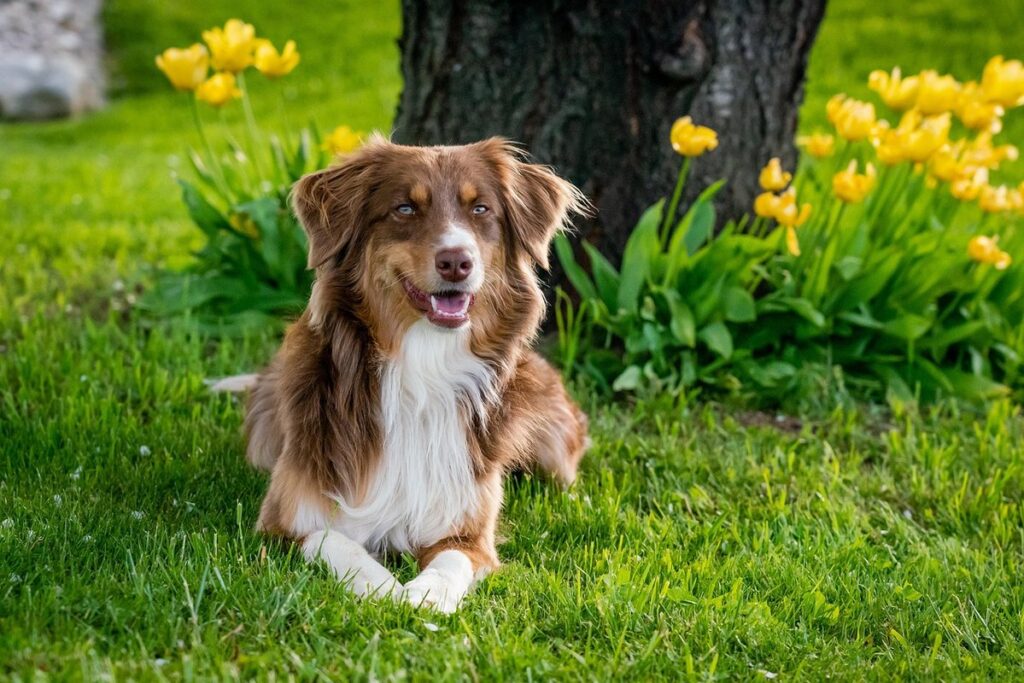
Understanding Pet Damage to Gardens
If you’re tired of finding your favorite flowers trampled and veggies eaten, it’s time to understand why your pets are causing so much damage to your garden.
Common Types of Pet Damage
As you strive to keep pets out of your garden, it’s essential to understand the types of damage they can cause. The most common issues include digging, chewing on plants, and using garden areas as litter boxes.
Digging is a major problem for many gardeners. Pets often dig up newly planted flowers or vegetables in search of buried treasures like bones or toys. They may also create pathways through your lawn or mulch beds, leaving behind unsightly holes and exposed roots. To prevent this, consider using physical barriers like chicken wire or mesh to enclose your garden beds.
Chewing is another common issue, as pets often view plants as edible snacks. This can be particularly devastating for gardeners who have spent hours cultivating their favorite flowers or vegetables. To discourage chewing, try spraying plants with a bitter-tasting substance that deters animals from nibbling on them.
Some pets may also use your garden area as an impromptu litter box, which can lead to unsanitary conditions and unpleasant odors. To prevent this, establish clear boundaries by keeping pet food and water stations away from your garden and removing any potential attractants like dead leaves or debris.
Identifying High-Risk Areas in Your Garden
When it comes to pet damage in gardens, some areas are more prone to destruction than others. As a gardener, it’s essential to identify these high-risk zones and take preventative measures to protect them. Let’s start with the obvious: flower beds with tender shoots. These delicate plants are like a magnet for curious pets, who can’t resist nibbling on their leaves or buds.
Vegetable patches are another area of concern, especially if you’re growing succulent crops like tomatoes, peppers, or cucumbers. The juicy flesh and enticing aroma of these fruits and vegetables can be irresistible to pets. If your cat or dog is prone to sampling the garden’s bounty, it’s best to keep a close eye on this section.
To identify high-risk areas in your garden, take note of where your pet tends to frequent. Are they drawn to specific plants or sections? Do you notice any patterns in their behavior? Once you’ve pinpointed these vulnerable zones, you can start implementing strategies to deter them from causing damage. This might involve using physical barriers, repellents, or other creative solutions that we’ll explore later on.
Assessing the Impact of Pet Damage on Your Garden’s Health
When pets spend too much time in your garden, they can leave behind more than just paw prints. Prolonged exposure to pet waste and urine can have serious consequences for plant health. The risk of disease transmission is one of the most significant concerns.
Pet waste, especially from cats and dogs, contains high levels of nitrogen, phosphorus, and bacteria. When this waste comes into contact with soil, it can create an ideal breeding ground for disease-causing pathogens like E. coli and Salmonella. These bacteria can infect plants, causing root rot, blight, and other devastating diseases.
Moreover, pet urine can alter the soil’s pH balance, leading to nutrient imbalances that starve your plants of essential nutrients. For example, excess nitrogen from pet waste can cause over-fertilization, promoting weak and spindly growth in plants.
To mitigate these risks, be sure to clean up pet waste immediately and thoroughly disinfect any affected areas. You can also use physical barriers like fencing or repellents to keep pets out of your garden altogether.
Deterrent Methods for Keeping Pets Out of Your Garden
If you’re tired of chasing your furry friends away from your garden, we’ve got some effective deterrent methods to help keep them out. Learn how to use physical barriers and other non-toxic solutions to protect your garden.
Physical Barriers: Fencing and Netting Options
Physical barriers are an effective way to keep pets out of your garden. Fencing is one of the most popular options, and for good reason. It’s easy to install, provides a clear boundary between your garden and neighboring areas, and can be made from a variety of materials such as wood, metal, or plastic. The cost of fencing installation varies depending on the type and quality of the material, but it can range from $3 to $10 per linear foot.
Netting is another option that’s gaining popularity. It’s lightweight, easy to install, and provides excellent visibility for gardeners while keeping pets out. Netting is often used in combination with other barriers or as a standalone solution. Its cost is relatively low, ranging from $1 to $3 per square foot.
Chicken wire can also be an effective physical barrier against pets, but it’s not the most aesthetically pleasing option. However, if you’re looking for a cheap and easy-to-install solution, chicken wire might be worth considering. Keep in mind that while it can keep small pets out, larger animals may still manage to squeeze through the openings.
Repellent Plants and Granules: Natural Deterrents
If you’re tired of chasing pets out of your garden, it’s time to try some natural deterrents that’ll keep them at bay. Repellent plants and granules are a great way to do just that. For example, lavender is a popular choice for its calming effects on humans but also has the added benefit of repelling dogs. Planting lavender around the perimeter of your garden can help deter pets from entering.
Other options include citrus-scented plants like lemon balm and rosemary. These can be planted in containers or directly into the ground, making them a versatile option for any size garden. When it comes to commercial products, there are many options available on the market that use natural ingredients like citronella and lemongrass oil.
To get started with repellent plants, choose varieties that thrive in your local climate and plant them strategically around your garden’s perimeter. For granules, follow the manufacturer’s instructions for application rates and timing to ensure effectiveness. Remember, a combination of visual barriers and deterrents will give you the best results in keeping pets out of your garden.
Motion-Activated Sprinklers and Other Innovative Solutions
If you’re at your wit’s end with pets invading your garden, don’t worry – innovative solutions are here to save the day. Motion-activated sprinklers are a great example of this. These clever devices detect movement and automatically spray water, startling unwanted visitors away from your prized plants. Not only do they work effectively, but they’re also environmentally friendly, using no harsh chemicals or electricity when idle.
However, consider the following: motion-activated sprinklers may not be suitable for sensitive plant species that don’t appreciate sudden water exposure. They can also waste water if not adjusted properly or if pets return repeatedly. To get the most out of these devices, make sure to position them in areas where pets tend to congregate and adjust the sensitivity to minimize false triggers.
Another innovative solution is ultrasonic repellents, which emit high-frequency sounds undetectable to humans but unpleasant for many animals. These can be an excellent option if you’re concerned about noise levels or prefer a chemical-free solution. When using ultrasonic repellents, experiment with different frequencies and placement areas to optimize their effectiveness.
Training Your Pets to Respect Your Garden
Training your pets to respect your garden can be a challenging task, but with consistency and positive reinforcement, you can teach them what areas are off-limits. We’ll walk you through simple training techniques to try at home.
Basic Obedience Commands for Pet Owners
Teaching your pet basic obedience commands is an essential step in preventing them from entering your garden. One of the most effective commands to start with is “stay.” This command allows you to give your pet a clear instruction on when to remain stationary, even if they see something interesting like a squirrel or bird in the garden.
To teach your pet the “stay” command, begin by having them sit and then take a few steps back. While taking those steps, say “stay” in a firm but calm tone of voice. If your pet gets up, go back to the beginning and try again. Gradually increase the distance between you and your pet over time. It’s also essential to be consistent with this command, using it in various situations to help your pet understand its meaning.
Another helpful command is “leave it,” which instructs your pet to leave an object or area alone. This can be particularly useful when your pet sees a tempting plant or flower in the garden. By teaching your pet these basic commands, you’ll be able to effectively communicate with them and prevent them from entering your garden.
Positive Reinforcement Techniques for Teaching Garden Etiquette
When it comes to teaching pets not to dig or chew on plants, positive reinforcement techniques can be incredibly effective. The key is to reward good behavior and redirect bad habits. For example, if you catch your pet attempting to dig up a prized flowerbed, calmly say “no” and redirect their attention to a suitable digging area, such as a sandbox or designated garden bed.
To encourage good behavior, try setting up a reward system where your pet earns treats or praise for ignoring plants or staying away from the garden. This can be done by keeping a treat jar near the garden area and dispensing rewards whenever you see your pet exhibiting desired behavior. Consistency is key, so make sure all family members are on board with this approach.
Redirecting bad habits requires patience, but it’s essential to help your pet understand what’s expected of them. For instance, if you notice your cat likes to nibble on leaves, try providing an alternative snack or toy that satisfies their natural instinct to chew. With time and effort, your pet will learn to respect the garden and leave those delicate plants alone.
Consistency and Patience in Training Your Pet
Training a pet to respect your garden requires not just knowledge of pet behavior, but also a deep understanding of your own capabilities and limitations. Consistency and patience are key components in achieving this goal. However, many pet owners struggle with these qualities, particularly when dealing with the repeated mistakes made by their pets.
Common pitfalls include expecting too much from training sessions, being inconsistent with rules, or failing to address underlying behavioral issues. For instance, some pet owners might allow their dog into the garden one day but scold them the next for eating a plant. This inconsistency confuses pets and makes it difficult for them to learn what is expected of them.
To overcome these pitfalls, establish clear rules and boundaries from the start. Consistency in enforcing these rules will help your pet understand what behavior is acceptable and what isn’t. Be patient when dealing with mistakes – they are an inevitable part of the learning process. Reward good behavior and gently correct bad ones to reinforce desired habits.
Garden Design Considerations to Minimize Pet Damage
To create a pet-friendly garden, consider designing your outdoor space with damage-minimizing features and layouts that steer pets away from sensitive plants. This section explores key design considerations for success.
Choosing Pet-Friendly Plants for Your Garden
When it comes to choosing plants for your garden that will be less appealing to pets, there are several options to consider. Many pets, especially dogs and cats, tend to avoid bitter-tasting plants or those with toxic properties.
Some examples of pet-unfriendly plants include:
* Daffodils: Their bulbs contain lycorine, which is toxic to both humans and animals.
* Hyacinths: Like daffodils, these flowers contain a toxin that can cause vomiting and diarrhea in pets if ingested.
* Castor Bean: Its seeds are particularly toxic and can cause serious symptoms if eaten by pets.
On the other hand, there are many pet-friendly plants you can choose from:
* Lavender: A calming and fragrant option for your garden that’s unappealing to pets due to its strong scent.
* Rosemary: This herb is known for its bitter taste, which makes it unpalatable to most pets.
* Catmint: While cats are often attracted to catnip, they tend to avoid catmint’s more bitter flavor.
Remember to double-check the plant’s toxicity and your pet’s individual preferences before making a final decision.
Incorporating Pet Areas into Your Garden Design
When designing your garden, it’s essential to consider incorporating designated pet areas to minimize damage and prevent unwanted chaos. By creating a separate space for your pets to play and relax, you can protect your plants, flowers, and other features from being trampled or destroyed.
Consider allocating a specific area of your garden as a “pet zone” where they can run around freely without causing harm to the rest of your garden. This could be a designated lawn section, a pet-friendly deck or patio, or even a doghouse with a surrounding yard.
To make this work, choose a location for your pet area that’s easily accessible from your home and away from sensitive plants or features you want to protect. Consider using natural fencing materials like wood or stone to create a clear boundary between the pet zone and other areas of your garden.
When designing your pet area, remember to include amenities like water stations, comfortable seating, and shade structures to keep your pets happy and healthy while they’re enjoying their new space. By incorporating designated pet areas into your garden design, you can enjoy a beautiful and well-manicured garden that’s also safe for your furry friends to explore.
Utilizing Raised Beds and Containers to Protect Plants
When it comes to growing plants that are susceptible to pet damage, utilizing raised beds and containers can be a game-changer. For one, these types of planters provide easier maintenance compared to traditional in-ground gardening. You won’t have to worry about weeds popping up around the base of your plants or soil compaction due to heavy foot traffic.
Another benefit is that you’ll reduce the risk of damage from curious pets who love to dig and chew on plants. By elevating your plants off the ground, you’re creating a physical barrier between them and any would-be nibblers. Plus, raised beds and containers can be placed in areas where your pets are less likely to access them.
For example, consider placing your prized rose bushes or succulents in elevated planters that sit on a patio or deck. This way, your furry friends can’t get to them even if they try to jump up onto the surface. With raised beds and containers, you’ll enjoy healthier plants with reduced stress – a win-win for both you and your pets!
Dealing with Pet Damage Already Done
Now that you’ve taken steps to prevent pet damage, it’s time to address the mess they may have already made. Learn how to repair and restore your garden.
Assessing the Extent of the Damage
When assessing the extent of the damage caused by pets in your garden, it’s essential to be thorough and methodical. Start by walking through your garden with a keen eye for detail, taking note of any areas that have been affected. Look for signs of digging, chewing, or trampling, as these can indicate where your pet has been active.
Begin by identifying the types of plants that have been lost or damaged. Check for bare patches where seeds or seedlings have been dug up, and inspect plants with chewed leaves or stems. Consider the type of plant loss: is it a few scattered losses or an entire bed that’s been destroyed? Are there any patterns to the damage, such as favorite digging spots or areas around water sources?
As you survey the damage, take note of the types of plants that have been targeted. For example, if your pet has a history of eating flowers, check for damaged blooms and inspect nearby foliage for signs of nibbling. Make a list of affected areas and plant losses to guide future repairs and preventions.
Remedying Pet-Inflicted Plant Damage
When pets get into the garden, they can leave behind a trail of destruction that’s hard to ignore. But don’t worry, with some TLC and preventive measures, you can restore your plants to their former glory.
Start by assessing the damage: evaluate which plants are beyond repair and need to be replaced entirely. For those that are salvageable, gently remove any debris or broken stems. Next, inspect the roots for signs of pet digging or chewing – if they’re damaged, it’s best to prune them back to healthy tissue.
To prevent similar incidents in the future, consider transplanting sensitive plants into larger pots or containers that your pets can’t easily access. You can also try using physical barriers like chicken wire or netting to protect delicate areas. Additionally, make sure to water plants regularly and provide adequate fertilization – a healthy plant is more resilient against pet damage.
Some plants are naturally more resistant to pet damage than others. Consider replacing vulnerable varieties with hardier alternatives like succulents or herbs.
How to Clean Up Pet Waste and Urine
When you catch your furry friend lounging in your garden, it’s essential to clean up their mess promptly. Pet waste and urine can damage plants, contaminate soil, and even spread diseases to other pets in the area. To remove stains and disinfect affected areas safely, start by wearing gloves to prevent the risk of disease transmission.
Begin by rinsing the stained area with water to flush out as much of the uric acid crystals as possible. For tough stains, use a solution of equal parts white vinegar and water applied directly to the stain, allowing it to sit for 10-15 minutes before scrubbing gently with a soft-bristled brush. To disinfect the area, mix one part bleach with ten parts water in a spray bottle and spray the affected area thoroughly.
Allow the solution to dry completely before replanting or reintroducing your pets to the garden. Remember, cleaning up pet waste and urine promptly will prevent long-term damage and ensure your garden remains a safe and healthy space for both you and your pets.
Long-Term Strategies for Keeping Pets Out of Your Garden
To truly keep your pets out of your garden, you need to think ahead and implement long-term strategies that prevent unwanted visitors from ruining your hard work. These plans require some upfront effort but will save you time and stress in the long run.
Integrating Pest Control Measures into Your Routine
Maintaining a pest-free garden requires consistent effort and attention to detail. This means regularly inspecting your garden for signs of pets, whether it’s their droppings, digging holes, or eating plants. Set aside time each week to walk through your garden, checking for any potential problems. Address these issues promptly to prevent them from escalating.
For example, if you notice that your cat is consistently digging up a specific area of the garden, move any plants in that section to a safer location and consider using deterrents such as citrus sprays or sticky tape to discourage further digging. By staying on top of potential problems, you can catch issues before they become major headaches.
Additionally, be sure to secure your garden’s perimeter by installing fencing or other barriers to keep pets out. This will help prevent them from getting into your garden in the first place. Remember that prevention is key when it comes to keeping pets out of your garden – a little effort upfront can save you a lot of trouble down the line.
Monitoring and Adjusting Your Deterrent Methods
Monitoring the effectiveness of your deterrent methods is crucial to maintaining their success. Regularly inspect your garden for signs that pets are still trying to get in, such as dug-up plants or paw prints near sensitive areas. Take note of which methods seem to be working and which ones need improvement.
Adjustments may be needed over time due to changes in pet behavior, weather patterns, or the age and condition of your deterrents. For instance, if you’ve noticed that pets are consistently targeting a specific area, consider moving or adjusting the placement of repellents or physical barriers accordingly.
Keep an eye on your garden’s overall health and make adjustments as needed to maintain its integrity. This may involve reapplying repellents, repairing damaged fences, or introducing new deterrents altogether. By actively monitoring and adjusting your methods, you can ensure that your garden remains safe from unwanted visitors and continues to thrive over the long term.
For example, if you’ve noticed that pets are starting to chew on a particular type of plant, consider replacing it with one that’s less appealing or using a physical barrier to protect it. By being proactive and adaptable, you can maintain an effective defense system and enjoy your garden without worrying about unwanted visitors.
Maintaining a Healthy Garden Environment
Maintaining a balanced ecosystem in your garden is crucial to keeping pets out. This involves controlling pest populations through natural means and ensuring your furry friends stay healthy and well-exercised. A thriving garden can help deter pests, reducing the need for chemical pesticides that might attract unwanted attention from curious pets.
To start, adopt integrated pest management (IPM) techniques. This approach combines physical barriers, cultural controls (like crop rotation), and biological controls to minimize harm to beneficial insects. For example, introducing ladybugs or lacewings can help control aphid populations without using toxic pesticides.
Regularly inspect your garden for signs of pests and diseases, addressing issues promptly to prevent the spread. This also helps prevent unwanted attention from pets, who might be attracted by diseased plants or overripe fruits. Make sure to provide your pets with a balanced diet and regular exercise to keep them occupied and less likely to venture into your garden in search of food or entertainment.
Ensure your garden’s layout encourages beneficial wildlife while discouraging pests. Plant native species that attract pollinators and predators, such as bee-friendly flowers or birdhouses. By maintaining a healthy balance within your garden ecosystem, you’ll create an environment that’s more welcoming to beneficial critters – and less appealing to curious pets.
Frequently Asked Questions
What are some additional steps I can take to ensure my garden is completely pet-proofed?
Consider implementing a combination of physical barriers, deterrent plants, and training techniques for maximum effectiveness. Regularly inspect your garden for potential entry points and reinforce any weak spots with additional fencing or netting.
Can I use the same type of repellent plant in multiple areas of my garden to keep pets out?
While some repellent plants are effective in deterring pets from specific areas, others may need to be rotated or replaced regularly due to their potency. Be sure to research and choose plants that will maintain their effectiveness over time.
How do I know which physical barriers are best suited for my pet’s behavior and the layout of my garden?
Consider the size, breed, and individual personalities of your pets when selecting physical barriers. For example, if you have a large dog with a strong instinct to dig, a sturdy fence may be necessary. If you have smaller pets that can jump or squeeze through openings, netting or chicken wire may be more suitable.
Can I use natural deterrents like essential oils to keep pets out of my garden?
Yes, certain essential oils such as peppermint and citrus can be used in combination with other deterrent methods to keep pets away. However, it’s essential to note that the effectiveness of essential oils can vary depending on individual pet sensitivities and preferences.
What if I already have significant pet damage in my garden? Where do I start with repairing and preventing future damage?
Assessing the extent of the damage is a crucial first step. Identify areas most affected, remedy any inflicted plant damage, and clean up pet waste and urine thoroughly to prevent further harm. Then, focus on implementing long-term strategies for keeping pets out of your garden, such as physical barriers and training techniques.