
Here’s a possible introduction for your blog post:
Are you tired of seeing your beautiful garden destroyed by your furry friend? You’re not alone! Many dog owners struggle to keep their gardens safe from damage caused by their pets. Whether it’s digging up prized plants, trampling delicate flowers, or making messes with fertilizer and water, a misbehaving dog can quickly turn a lovely outdoor space into a disaster zone. But don’t worry – we’ve got some good news for you! In this article, we’ll share effective strategies for training your dog to stay out of trouble, setting up physical barriers to keep them at bay, and even offer quick repair tips when prevention fails. From simple fixes to long-term solutions, we’ll cover everything you need to know to prevent your dog from wrecking your garden.
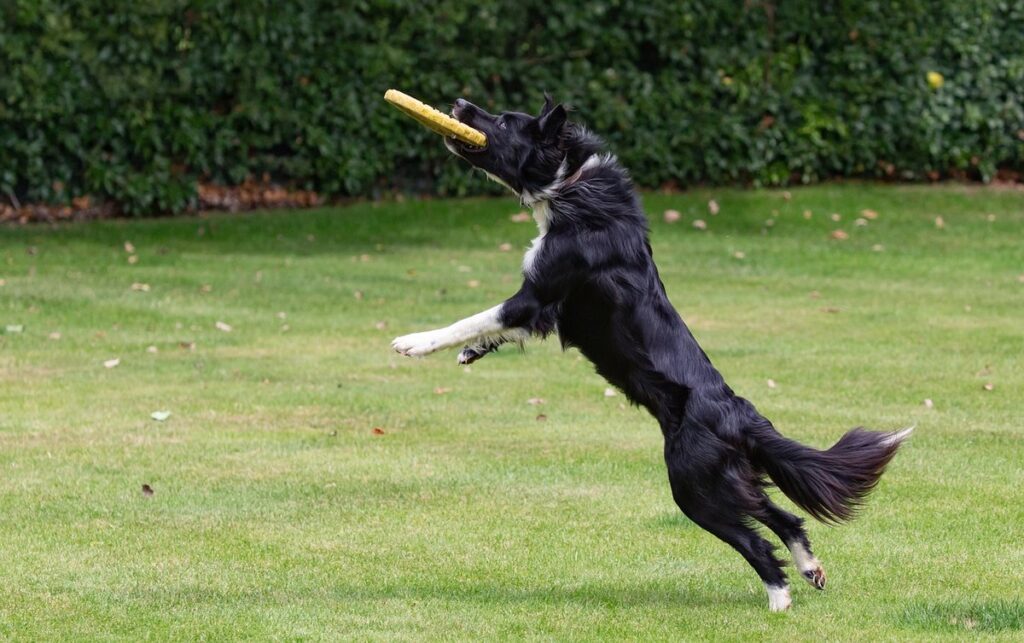
Understanding the Problem: Why Dogs Love Gardens
Dogs have a natural affinity for gardens, drawn by the sights, smells, and textures that make them so appealing. But why do they love gardens so much?
The Psychology Behind Canine Gardening Habits
Dogs are drawn to gardens for various reasons that stem from their natural instincts and behavior. One primary factor is their instinct to explore and investigate new environments. To them, a garden with lush plants, vibrant colors, and diverse scents is an uncharted territory begging to be explored. This innate curiosity drives them to sniff, paw, and dig in the soil, often leading to unintended damage to your garden.
Their sense of smell also plays a significant role in their fascination with gardens. Dogs have up to 300 million olfactory receptors compared to only six million in humans, making their sense of smell incredibly potent. As they inhale the fragrance of blooming flowers and fresh greenery, it stimulates their brain, triggering an instinctual response to investigate further.
As a dog owner, understanding these driving forces can help you anticipate and manage your dog’s behavior. By providing alternative outlets for exploration, such as designated sniffing areas or scent games, you can redirect their attention away from your garden. This proactive approach will not only save your plants but also give your dog the mental stimulation they crave.
Identifying Common Causes of Gardening Damage
Dogs love gardens for many reasons, but their enthusiasm often leads to destruction. To understand why this happens, let’s identify common causes of gardening damage caused by dogs.
Digging is a primary culprit when it comes to garden damage. Dogs dig holes for several reasons: to escape the heat, to retrieve buried toys or treats, or simply because they enjoy the sensation of digging. This behavior can be destructive, especially if your dog digs in areas where plants are vulnerable. For example, if your dog digs near a newly planted flowerbed, it can damage the roots and cause the plants to die.
Chewing is another common issue. Dogs may chew on plants due to boredom, hunger, or curiosity. They might view garden flowers as an interesting snack or try to eat them out of habit. Trampling plants is also a problem, especially if your dog likes to run through the garden or use it as a shortcut. Plant stems can be crushed, and leaves can be damaged when dogs trample over them.
To address these issues, make sure your dog has enough exercise and mental stimulation outside of the garden. Provide plenty of toys and chew treats to keep them occupied, and consider fencing off areas where plants are most vulnerable.
Assessing Your Garden’s Vulnerability
To protect your garden, it’s essential to understand its vulnerability points, so take a closer look at the plants and features that might catch your dog’s attention. Identify areas prone to damage.
Evaluating Your Yard’s Design and Layout
When evaluating your yard’s design and layout, it’s essential to consider how it may be contributing to dog-related damage. One critical factor is fencing – if your fence is too low or has gaps, it can create a direct route for your dog to access the garden. Consider installing a taller fence or filling in any holes to prevent escape routes.
Gates are another crucial aspect to examine. If your gate is not securely locked or is left open, it’s an invitation for your dog to wreak havoc on your garden. Make sure to install a sturdy latch and take the time to properly secure the gate every time you let your dog out.
Plant selection also plays a significant role in deterring damage. Dogs are naturally drawn to certain plants, such as those with strong scents or tender leaves. Consider replacing these with more dog-resistant options like succulents or ornamental grasses.
Identifying High-Risk Areas and Plants
When it comes to identifying high-risk areas and plants in your garden, it’s essential to take a close look at where your dog tends to cause the most damage. For many pet owners, flower beds are a prime target for their furry friends. These colorful displays of blooms can be irresistible to dogs, who may see them as a snack or a place to dig.
Vegetable gardens are another area of concern, especially if you have dogs that enjoy digging or foraging for food. The temptation to dig up tender shoots and roots is strong, and the consequences can be devastating to your harvest. Trees, too, can be at risk, particularly young saplings that may not survive a dog’s energetic romp.
Some plants are more tempting than others to dogs, including those with strong scents or tastes. These include tomatoes, peppers, and certain varieties of herbs like basil and rosemary. To protect these high-risk areas and plants, consider using deterrents such as citrus sprays, physical barriers, or even fencing to keep your dog at bay.
Implementing Prevention Strategies
To keep your garden safe from your dog’s digging habits, it’s essential to implement effective prevention strategies that address their instinctual behaviors and needs. We’ll explore simple yet proven methods to deter unwanted digging.
Physical Barriers: Fencing, Gates, and Enclosures
When it comes to keeping your furry friend out of your garden, physical barriers are an effective solution. Fencing and enclosures can be designed to suit various styles and budgets, from simple mesh screens to more complex electronic fences.
One popular option is installing a fence around the perimeter of your garden. Consider using durable materials like wood or metal for long-lasting results. For example, a 6-foot wooden picket fence is an attractive and effective barrier that can keep dogs out while allowing humans to easily access the garden.
Another type of physical barrier is mesh screens. These can be attached to existing fences or walls to create a secure boundary around specific areas within your garden. Electronic fences are also available, which use underground wiring and a collar on your dog to prevent them from crossing the barrier.
When selecting a physical barrier, consider factors like durability, maintenance requirements, and local regulations. Be sure to choose a fence that’s high enough to keep your dog contained – a general rule of thumb is at least 6 feet tall for most breeds.
Training Your Dog: Positive Reinforcement Techniques
Training your dog to respect your garden is a process that requires patience, consistency, and positive reinforcement. By teaching your dog obedience and impulse control, you can redirect their behavior away from gardening damage.
Start by introducing basic commands like “sit,” “stay,” and “leave it.” Use treats and praise to reinforce good behavior, and gradually increase the difficulty level of the exercises. For example, place a treat on a plant pot and encourage your dog to leave it alone while you’re nearby.
Another effective technique is the “trade” method. When your dog starts to show interest in your garden, offer them a toy or chew instead. This will teach them that the garden is off-limits and redirect their attention to a more acceptable activity.
Remember, prevention is key when it comes to protecting your garden from canine damage. By investing time and effort into training your dog using positive reinforcement techniques, you’ll be well on your way to creating a harmonious relationship between your furry friend and your beloved garden.
Minimizing Damage When Prevention Fails
Even when you’ve taken every precaution, accidents can still happen. This is where knowing how to minimize damage comes into play and saves your garden from further distress.
Emergency Repairs and Quick Fixes
When prevention fails and your furry friend wreaks havoc on your garden, it’s essential to act quickly to minimize damage and get back on track. First, assess the damage and prioritize repairs based on urgency and importance. Start by replacing or replanting severely damaged plants, and focus on re-establishing structural integrity with broken fences or trellises.
For quick fixes, use temporary solutions like chicken wire or netting to contain plants or sections of your garden until more permanent repairs can be made. For instance, if a dog dug up a prized flower bed, cover the area with a tarp and weigh it down with rocks or bricks to prevent further damage. Similarly, repair broken irrigation systems or replace damaged mulch to maintain soil health.
To speed up the recovery process, prioritize replacing plants that are easy to propagate or purchase in bulk. Consider using dog-deterrent plants like lavender or rosemary to help safeguard your garden in the future. Remember to keep a close eye on your furry friend and intervene early if you notice any signs of digging or destruction. With these quick fixes and temporary solutions, you can minimize damage and get back to enjoying your garden with your beloved pet by your side.
Long-Term Solutions: Garden Design and Plant Selection
When prevention fails and your dog has already dug up your garden, it’s time to think about long-term solutions that will minimize future damage. A well-designed garden can be a haven for both you and your furry friend, but it requires some planning and consideration.
Start by assessing your yard’s layout and identifying areas where your dog tends to cause the most damage. Then, incorporate these insights into your design changes. For instance, if your dog loves to dig near a particular tree or bush, consider relocating those plants to a more secure area of the garden.
Choose plants that are less appealing to canines in terms of taste and texture. Daffodils, for example, contain toxic compounds that will deter your dog from nibbling on them. Similarly, plants with prickly stems like cacti or succulents are unappealing to dogs.
Consider incorporating raised beds, which make it difficult for dogs to access the roots of the plants and cause damage. Make sure to also choose planters that are securely weighted down to prevent them from tipping over. By incorporating these long-term solutions into your garden design, you’ll be well on your way to creating a safe space for both you and your dog to enjoy.
Managing Your Dog’s Behavior in the Garden
When it comes to enjoying your garden, understanding how to manage your dog’s behavior is crucial. This section focuses on effective techniques for minimizing destructive behavior.
Exercise and Playtime Strategies
Providing your dog with adequate exercise and playtime is essential to managing their behavior in the garden. When dogs don’t receive sufficient physical activity, they often redirect their energy towards destructive behaviors like digging and chewing. To avoid this, try allocating dedicated time for outdoor exercise and play outside of the garden.
Aim for at least 30 minutes of exercise per day, incorporating activities that challenge your dog’s mind and body. This can include walks, jogs, fetch games, or even a simple game of hide-and-seek around the house. Make sure to tailor these activities to your dog’s age, breed, and fitness level.
To further stimulate their minds, try introducing puzzle toys filled with treats or interactive games like agility training. For example, set up an obstacle course using household items or engage in scent work by hiding treats with a specific scent. By keeping your dog mentally stimulated, you’ll reduce the likelihood of destructive behavior in the garden and promote a healthier, happier pup.
Supervising and Redirecting Your Dog’s Behavior
Supervising and Redirecting Your Dog’s Behavior is crucial when it comes to keeping them from wrecking your garden. When you’re not actively engaging with your dog, they can easily get into mischief, whether it’s digging up newly planted flowers or chasing after squirrels. To prevent this, make sure to always supervise your dog when they’re in the garden.
This means being present and attentive at all times, especially during peak gardening seasons when plants are more vulnerable to damage. When you notice your dog starting to exhibit destructive behavior, it’s essential to redirect their attention immediately. This can be done by calling them over with a treat or toy, or using a verbal command like “leave it” or “drop it.”
Redirecting your dog’s behavior requires consistency and clear communication. It may take some time for your dog to learn what is and isn’t acceptable in the garden, but with patience and persistence, you can teach them to respect your hard work and enjoy the space alongside you.
One effective technique is to create a designated area within the garden where your dog can safely engage in their natural behaviors, such as digging or exploring. This can be done by setting up a dog-friendly zone with plenty of toys and treats, allowing your dog to exercise and relax without causing harm to your plants.
Additional Tips and Considerations
As you’ve made progress in protecting your garden, here are some final tips to help prevent those sneaky accidents from happening again. Let’s cover a few more scenarios and solutions.
Integrating Companions: Dogs and Other Pets
When you’re trying to keep your garden intact, it can be challenging enough with one pet let alone multiple. Integrating a dog into your garden space is hard enough without having to worry about the dynamics of other pets in the mix. But if you have a multi-pet household and want to enjoy your garden as well, there are ways to make it work.
If you have cats that like to lounge in the sun or chase after bugs, designate specific areas for them to prevent conflicts with your dog. Use a combination of fencing, netting, and plant placement to keep your cat from getting into trouble. For example, you could create a catio – essentially a cat enclosure – within your garden using existing walls, trellises, or fences.
When introducing multiple pets to the same space, it’s essential to watch their behavior carefully and intervene if necessary. Make sure to provide each pet with its own safe space where they can retreat when feeling overwhelmed. By doing so, you’ll be able to manage the interactions between your dog and other pets in a way that prevents damage to your garden.
Some owners even find success by rotating their pets through the garden during different times of day or season. This allows each pet to get some quality time outdoors without competing for attention or resources.
Seasonal Considerations and Precautions
As we dive into seasonal considerations and precautions for protecting your garden from dog-related damage, it’s essential to keep in mind that each time of year presents its unique set of challenges.
In the spring, as new growth begins to emerge, dogs may be more prone to digging and eating plants. To prevent this, try using plant covers or row covers to shield tender shoots from curious noses. You can also take advantage of this season’s cooler temperatures to introduce your dog to new gardening tasks, such as planting seeds with you.
Summer months bring an influx of warm weather and long days, making it the perfect time for dogs to indulge in garden romps. To minimize damage, ensure your garden is securely fenced, and consider using a physical barrier to block access to prized plants. Keep an eye on your dog’s water intake during hot spells, as they may be more inclined to snack on lush foliage.
In fall, leaves and debris can create slippery surfaces for dogs, while winter snows can lead to compacted soil, making it difficult for plants to breathe. Regularly clean up fallen leaves and keep pathways clear to prevent accidents.
Frequently Asked Questions
What if I have multiple dogs that enjoy digging up my garden? Can I use the same prevention strategies for all of them?
Yes, the same principles apply to multiple dogs. However, you may need to adjust the physical barriers and training methods based on each dog’s unique personality and behavior. Consider creating separate zones or areas within your garden to manage each dog’s preferences and avoid conflicts.
How do I balance giving my dog enough exercise with preventing them from damaging my garden?
Exercise and playtime are crucial for a happy, healthy dog. To strike a balance, consider incorporating high-impact activities like running or agility training off-leash in a secure area away from your garden. Then, redirect their energy towards lower-impact gardening-friendly activities, such as sniffing games or interactive toy-filled gardens.
What if I’ve already installed physical barriers but my dog still manages to get into the garden? Are there any additional measures I can take?
Even with physical barriers in place, dogs can sometimes find creative ways to breach them. Consider adding a second layer of protection, like an electrified fence or a motion-activated sprinkler system, to deter your dog from attempting to access the garden. You may also want to re-evaluate your training methods and adjust your positive reinforcement techniques.
How do I know which plants in my garden are toxic to my dog and need to be relocated or protected?
Some common garden plants, like lilies and azaleas, can be toxic to dogs if ingested. To identify high-risk areas and plants, research the toxicity of specific species using reliable sources like the ASPCA’s list of toxic and non-toxic plants. Then, consider relocating these plants to a secure area or protecting them with physical barriers to prevent your dog from accessing them.
Can I use citronella-based repellents as an alternative to physical barriers? What are their pros and cons?
Yes, citronella-based repellents can be used in conjunction with other prevention strategies. These products work by emitting a strong scent that deters dogs from entering the area. However, they may not be effective for all breeds or individuals. Be aware that some dogs might become accustomed to the scent over time, reducing their effectiveness. Always follow product instructions and consider combining them with physical barriers or training methods for optimal results.